![Explore Drop Site News (DSN's) reporting practices, biases, and its role in amplifying narratives targeting Pakistan's state institutions. [Image via Shutterstock]](https://southasiatimes.org/wp-content/uploads/2025/01/2e9c465bad7de24d81434c21714efd018c996bab-1200x675-1.webp)
Islamabad: Drop Site News (DSN), a United States-based investigative journalism platform launched in July 2024, is at the center of a storm over its reporting practices and perceived biases. The platform, led by prominent journalists Jeremy Scahill, Ryan Grim, and Murtaza Hussain, claims to focus on exposing global conflicts and covert operations. However, a recent study by G5iO Observatory highlights DSN’s questionable ethics, particularly in its sensationalist reporting and political alignments.
The Data Speaks
The study analyzed 151 articles published by DSN, uncovering key trends:
- Key contributors: Ryan Grim authored 51 articles, with Jeremy Scahill and Murtaza Hussain dominating the content landscape.
- Focus areas: The United States was the most frequently covered, followed by Israel-Palestine and Pakistan.
- Sensationalism: Approximately 35% of the articles relied on unverified sources or exaggerated claims of leaked documents.
DSN’s narrative on Pakistan drew particular attention for its alignment with the alleged supporters of Pakistan Tehreek-e-Insaf (PTI). False claims about Pakistan’s military and foreign policy—such as seeking nuclear assistance from China or alleged directives by the military to counter political narratives online—were identified as part of a coordinated disinformation effort.
Targeted Reporting on Pakistan Amid a Digital Proxy War
This study by G5iO Observatory is crucial as it comes at a time when Pakistan, after carrying out precision strikes on Tehreek-e-Taliban Pakistan (TTP) sites within Afghanistan, is facing a digital proxy war on social media. The campaign targets the Pakistan Army, labeling it as a “Napak” and “Zionist.”
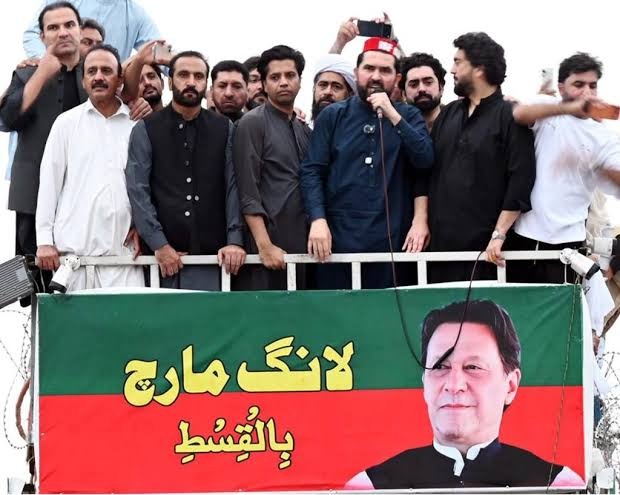
Notably, Alleged supporters of Pakistan Tehreek-e-Insaf (PTI), Pashtun Tahafuz Movement (PTM), and certain ethno-cultural factions notably projected this narrative.
Earlier, in December 2024, individuals reportedly held overseas sessions to propagate anti-Pakistan and anti-military sentiments in the aftermath of November 26 clashes between the Pakistan Government and PTI supporters. These sessions called for direct foreign intervention, with US and British nationals of Pakistani origin at the forefront.
However, Imran Khan’s lawyer clarified in a podcast with Pakistan Now that PTI had no connection to such efforts. He stated, “People who call themselves supporters but hold no party position are carrying out these activities. PTI’s narrative comes solely from Imran Khan.”
Also See: Drop Site News: The Disinformation Blueprint Against Pakistan
Ryan Grim and DSN’s Role
The G5iO Observatory identified Ryan Grim and Drop Site News among the foreign nationals and entities amplifying the narratives of alleged PTI supporters overseas. G5iO’s data also reveals that:
- Ryan Grim: Authored 51 articles critical of Pakistan, with a heavy reliance on unverified sources.
- DSN’s official account: Amplified politically charged content, portraying Pakistan’s state institutions negatively.
The Larger Picture
While DSN markets itself as an investigative platform, experts argue it undermines journalistic principles by prioritizing sensationalism. Critics contend that platforms like DSN deepen public mistrust in media and exacerbate political polarization.

Your trusted source for insightful journalism. Stay informed with our compelling coverage of global affairs, business, technology, and more.