CIA Chief Visits Kabul Unannounced

The associated press (AP) reported that CIA director William Burns made a trip to Kabul on Saturday. The international observers are a little surprised on this unannounced trip. CIA’s Washington office declined to comment on the visit. The office declined any information on the director\’s schedule or rationale for the visit.

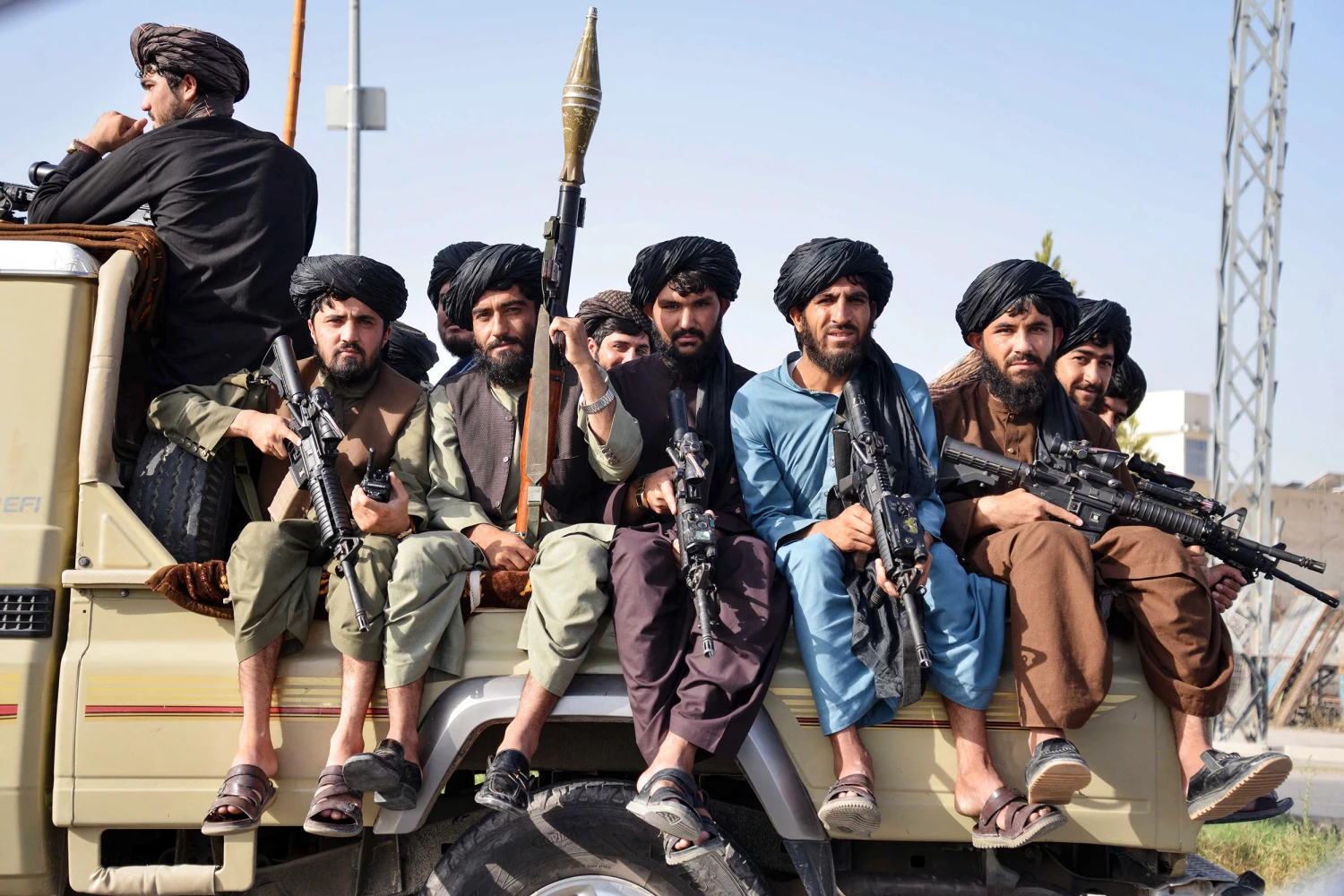
This comes as development as the USA has decided to pull out its troops from Afghanistan. Many in the US are calling it a hasty retreat which means an unknown future for Afghans. CIA’s role has been clandestine in Afghanistan since the 80s.

There have been concerns about whether Afghan forces would be able to hold on without US assistance.

Speculations Behind the Visit

Burn’s actual purpose for the visit as well as what was accomplished during the visit remains unknown. The AP tried gathering information from internal sources. It is unknown who Burns met during his visit. However, it is said that situation after the US pullout was discussed.

Burns informed the US Congress recently that neither Al Qaeda nor Islamic State militants would perpetrate U.S. attacks. He said: \”When the time arrives to remove the military, it will decrease U.S.A’s capacity to respond to threats. Further, Burns also reassured Afghan officials that the U.S. would continue to be engaged in counterterrorism efforts.

What does CIA Presence Mean?

The visit at this time draws eyebrows at what the CIA would do after US forces exit?  There have been apprehensions about undocumented US presence for clandestine purposes in Afghanistan.

The nature and timing of the visit do raise credible concerns. However, the answer to the Afghan future lies in the weeks to come as the May deadline comes closer. There is no substantial development of intra Afghan dialogue. Fears for another civil war are also looming.

 

News Desk

Your trusted source for insightful journalism. Stay informed with our compelling coverage of global affairs, business, technology, and more.
Recent

Beyond the Rhetoric: What Muttaqi’s Address Reveals About Afghan Policy

Beyond the Rhetoric: What Muttaqi’s Address Reveals About Afghan Policy

Interim Foreign Minister Amir Khan Muttaqi’s recent address sought to reframe Afghanistan’s strained ties with Pakistan through a narrative of victimhood and denial. From dismissing cross-border militancy to overstating economic resilience, his claims contradict on-ground realities and historical patterns. A closer examination reveals strategic deflection rather than accountability, with serious implications for regional peace and security.

Read More »
We Want Deliverance

We Want Deliverance

Political mobilization in South Asia is not rooted in policy or institutions but in a profound yearning for deliverance. From Modi’s civilizational aura in India to Imran Khan’s revolutionary moral narrative in Pakistan, voters seek not managers of the state but messianic figures who promise total transformation. This “Messiah Complex” fuels a cycle of charismatic rise, institutional erosion, and eventual democratic breakdown, a pattern embedded in the region’s political psychology and historical imagination.

Read More »
Pakistan-Only? The TTP’s Transnational Reality

Pakistan-Only? The TTP’s Transnational Reality

While the TTP publicly claims its insurgency targets only Pakistan, evidence reveals a transnational reality. Supported by Afghan fighters and resources, and shaped by the Afghan Taliban’s strategic interests, the TTP exemplifies cross-border proxy warfare. Understanding its structure, motivations, and operational networks challenges simplistic “Pakistan-only” narratives and underscores the enduring complexities of South Asian security.

Read More »
Pakistan’s Heritage and Rights Ethos: Unlocking Cultural Diplomacy

Pakistan’s Heritage and Rights Ethos: Unlocking Cultural Diplomacy

Pakistan’s diverse cultural heritage, from the hospitality of Pashtunwali and Sufi music in Sindh to folk traditions in Punjab, Balochistan, and Gilgit–Baltistan, reflects an enduring rights-based ethos. These living practices promote dignity, justice, and social inclusion. By integrating these traditions into cultural diplomacy, Pakistan can showcase its soft power while supporting custodians of heritage, artisans, and local communities.

Read More »