The Sleeping Giant Awakes: Why Pakistan is the New Global Tech Darling
Pakistan outpaces the UK and Germany, ranking 16th globally in the 2026 Ataraxis Index. This signals a transformative shift in the nation’s digital labor competitiveness.

Pakistan outpaces the UK and Germany, ranking 16th globally in the 2026 Ataraxis Index. This signals a transformative shift in the nation’s digital labor competitiveness.

The UAE’s exit from OPEC signals a seismic shift in energy politics, potentially flooding markets with oil and offering Pakistan a crucial economic lifeline.

The April 2026 fluctuations in Pakistan’s foreign reserves mark the definitive end of “patient capital” in Gulf diplomacy. As the UAE withdrew $3.45 billion and Saudi Arabia countered with a multi-year extension, the sovereign deposit was transformed from a neutral financial tool into a binary political referendum. Pakistan’s balance sheet now serves as a live map of regional realignment, proving that in the new Middle East, strategic neutrality carries a precise fiscal value.

A transformative shift is emerging in Afghan political discourse as leaders like Mohammad Tahir Zuhair and the National Resistance Front (NRF) move toward formal recognition of the Durand Line. By prioritizing “historical realism” over populist rhetoric, these voices suggest that nearly 80% of Afghans seek peace and trade over territorial disputes. This shift offers a rare opportunity to transition Pak-Afghan relations from decades of suspicion to a strategic partnership rooted in internationally recognized boundaries. A transformative shift is emerging in Afghan political discourse as leaders like Mohammad Tahir Zuhair and the National Resistance Front (NRF) move toward formal recognition of the Durand Line. By prioritizing “historical realism” over populist rhetoric, these voices suggest that nearly 80% of Afghans seek peace and trade over territorial disputes. This shift offers a rare opportunity to transition Pak-Afghan relations from decades of suspicion to a strategic partnership rooted in internationally recognized boundaries.

For decades, Washington designed its South Asia policy around India. April 2026 changed the calculus. The question now is whether the United States has the strategic intelligence to recognise what changed, and why.

Is the Pashtun majority in Afghanistan real or a political myth? Explore how the absence of a census shapes power, governance, and ethnic tensions.Â

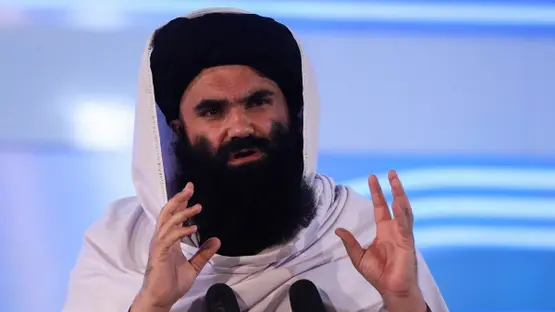
A detailed exposé on Al-Mirsad, a sophisticated propaganda arm of the Afghan Taliban’s intelligence apparatus weaponized to destabilize Pakistan through digital warfare.

As internal Afghan factions shift toward territorial realism, the recognition of the Durand Line as a legal finality exposes the high cost of the Taliban’s extremist negligence and marks a watershed moment for regional stability.

Geography is reclaiming its role in global politics. From CPEC to the Strait of Hormuz, strategic location now defines power, security, and economic influence.

This commentary critiques Brahma Chellaney’s “nuclear Islamism” narrative, arguing that grouping Pakistan and Iran ignores critical legal and strategic realities. It highlights the disparity in non-proliferation enforcement, specifically contrasting the treatment of NPT signatories with the strategic exceptions granted to India. By deconstructing ideological framing, the text advocates for a foreign policy analysis rooted in treaty architecture rather than religious identity.