Down The Line

Since Istanbul

Since Istanbul

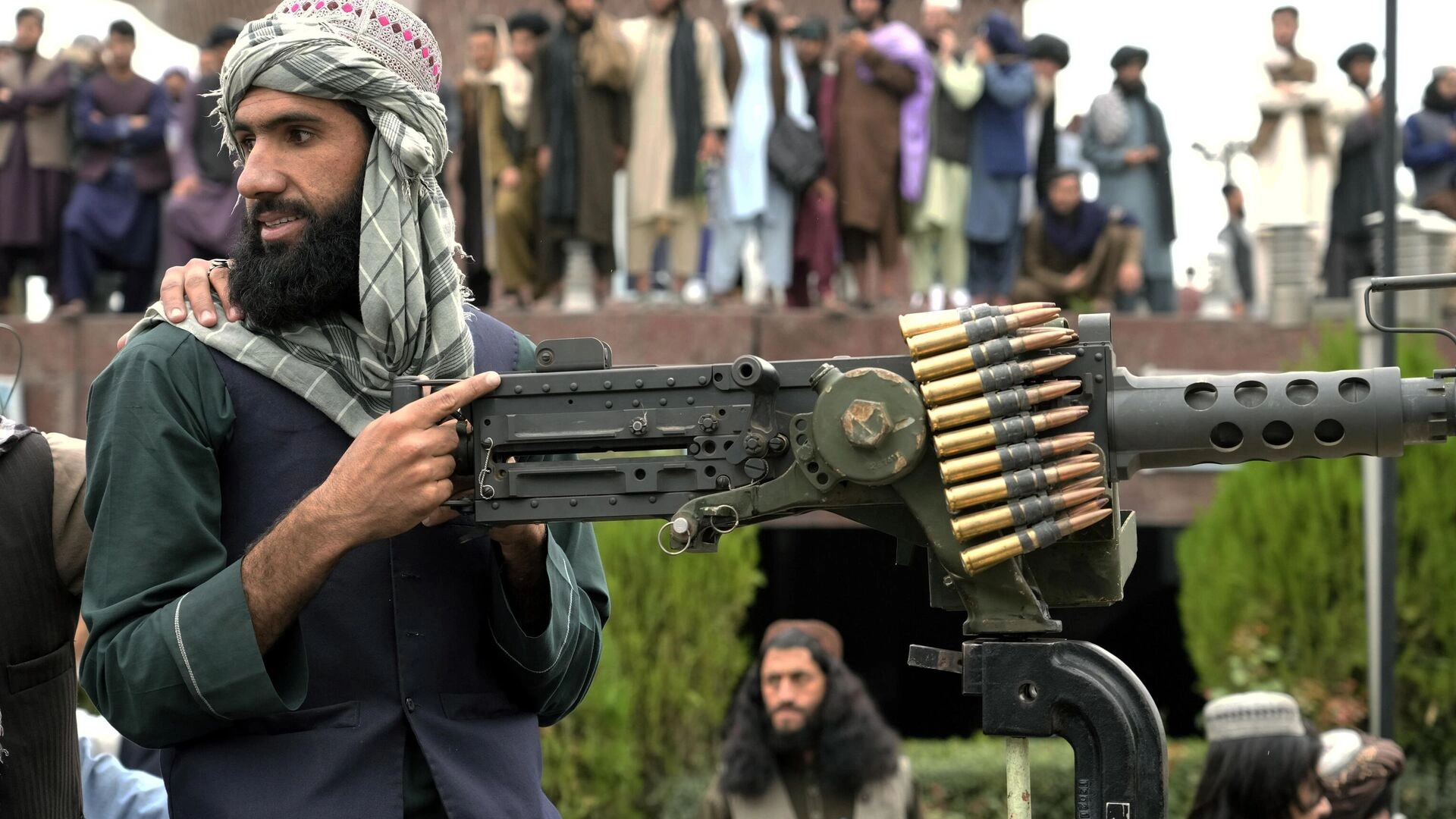
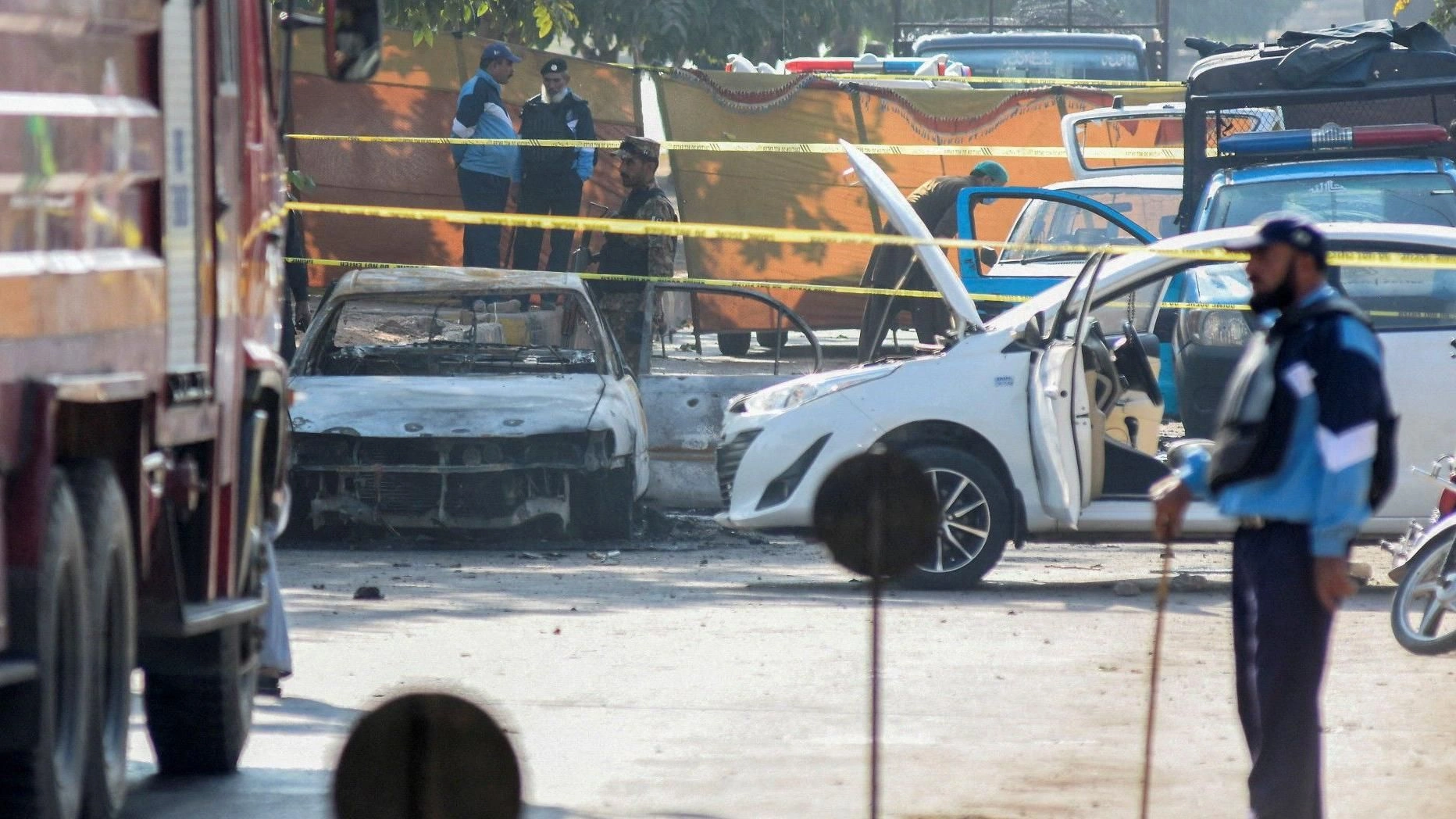
The failure of the Istanbul talks marked a turning point. Within days, Pakistan faced coordinated suicide attacks and intensified TTP infiltration, revealing a dangerous shift in Kabul’s posture and the deepening crisis along the Durand Line.

Read More »
The Influencer Insurgent and Bots on the Ground

The Influencer Insurgent and Bots on the Ground

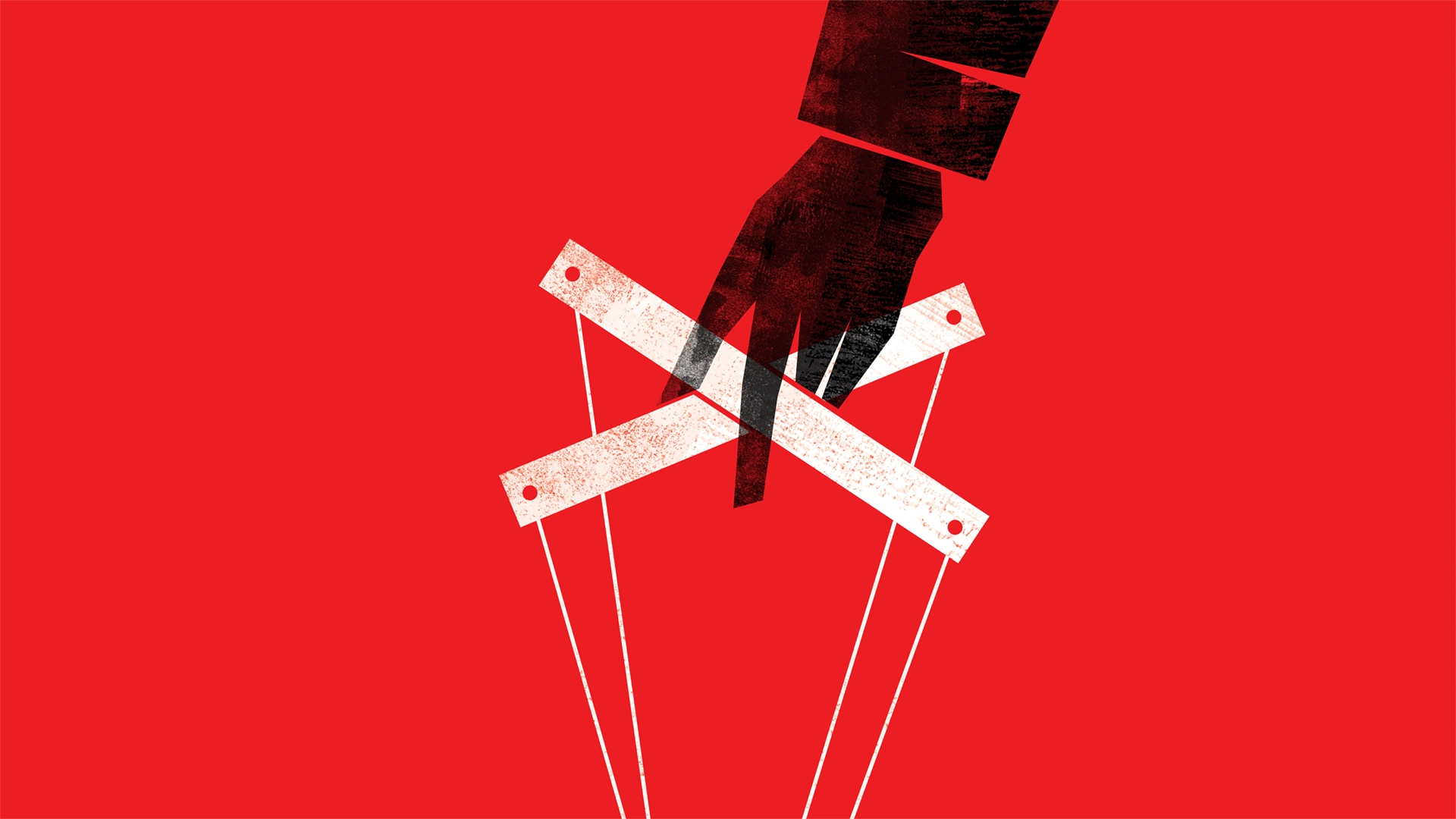
The rise of Mir Yar Baloch shows how hybrid warfare has created the influencer insurgent, a digital figurehead who manufactures the perception of rebellion through coordinated propaganda, state backing, and information manipulation.

Read More »
Mirage of Indigenization

Mirage of Indigenization

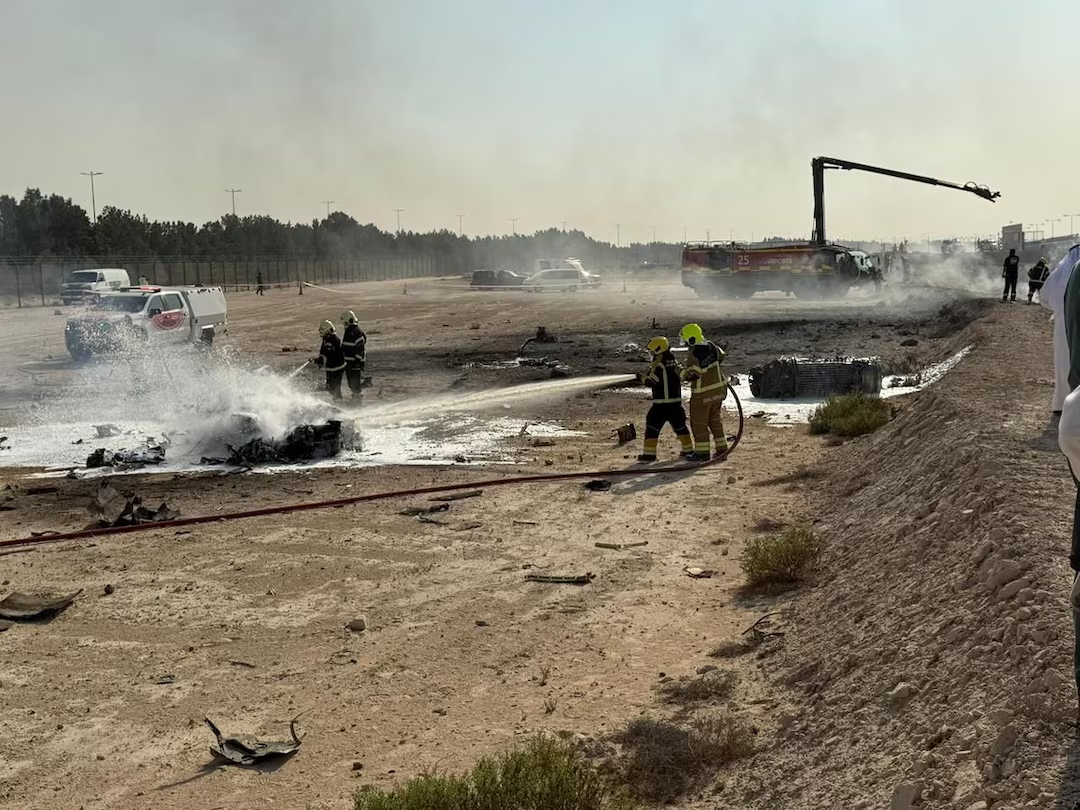
The crash of a Tejas fighter at the Dubai Air Show has exposed deep structural flaws in India’s flagship indigenous aircraft program. With two airframes lost in under two years and only a few hundred verifiable flying hours, the incident raises fresh questions about the LCA’s safety, its decades-long delays, and the strategic vulnerability created by India’s dependence on aging fleets. This piece explores how the Dubai crash fits into the broader struggle of a project that was meant to symbolize self-reliance but now risks becoming a cautionary tale.

Read More »
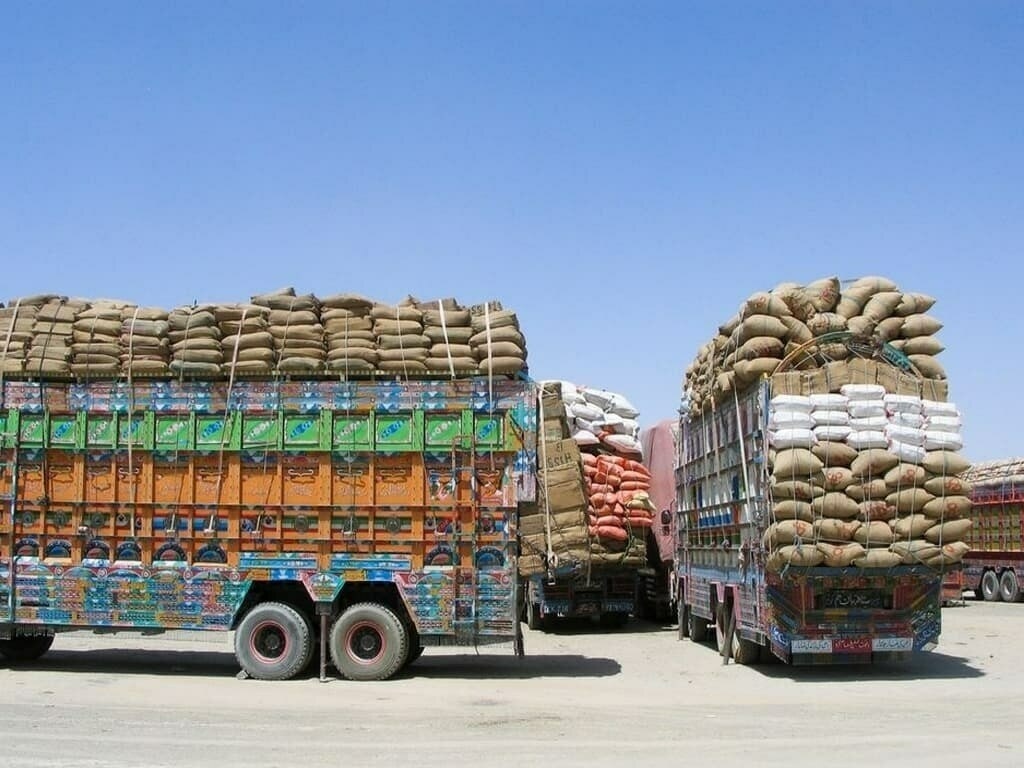
A sharp examination of how the Taliban evolved into a rentier insurgency, financing their rule through smuggling networks, geopolitical manipulation, and strategic pivots from Pakistan to India, revealing the economic logic behind their survival.

The Rentier Insurgency

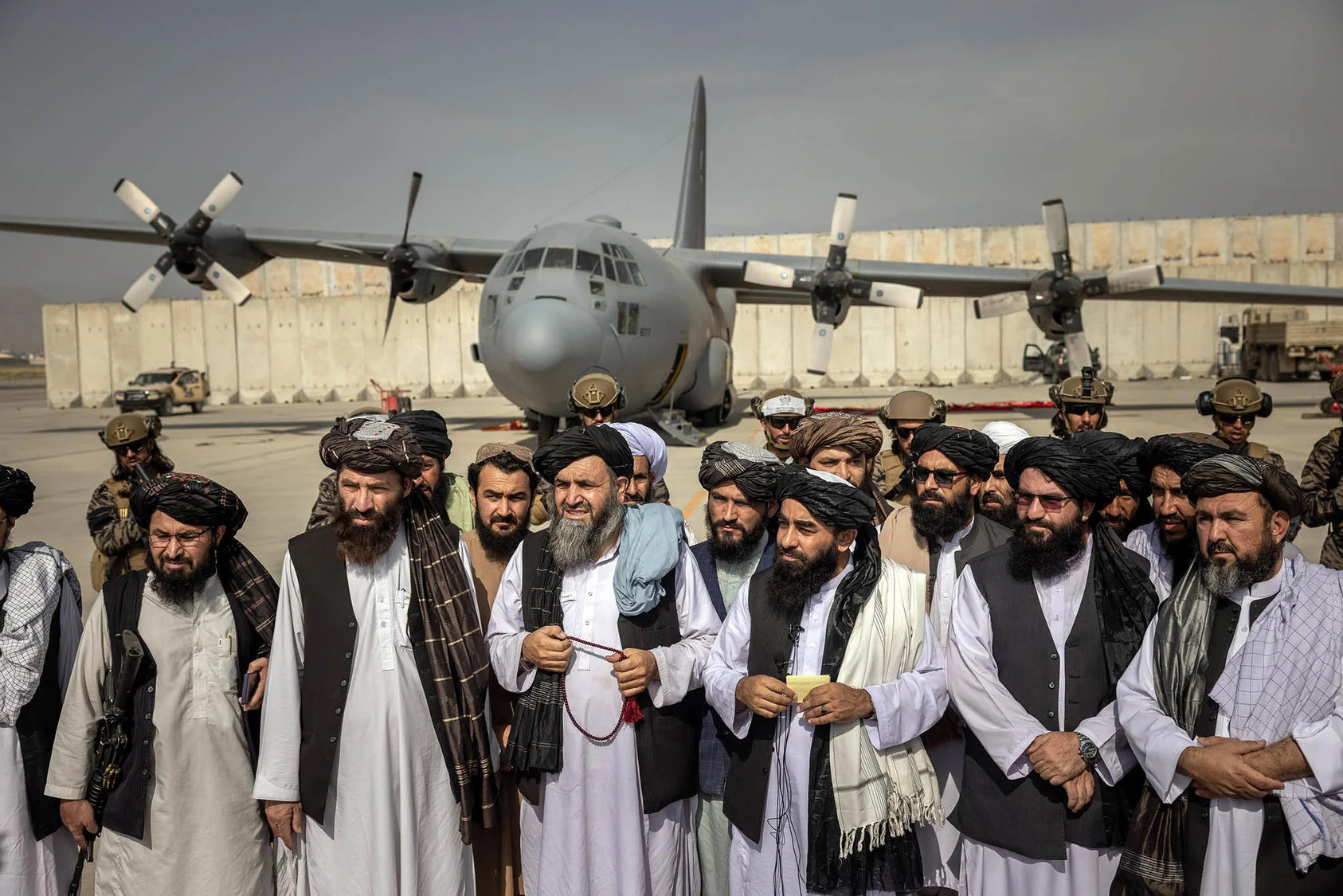
The Taliban’s recent outreach to India marks more than a diplomatic shift—it exposes the economic engine that has driven their power for three decades. From exploiting the Afghan Transit Trade in the 1990s to monetising ties with al-Qaeda and now courting New Delhi, the Taliban have mastered the art of rentier insurgency. Their survival has never depended on developing Afghanistan’s economy, but on extracting revenue from regional rivalries and geopolitical anxieties. As Pakistan clamps down on smuggling routes that once bankrolled the movement, the Taliban have turned to India in search of their next patron.

Read More »
The Tragedy of the Boat: Awami League’s Rise and Fall

The Tragedy of the Boat: Awami League’s Rise and Fall

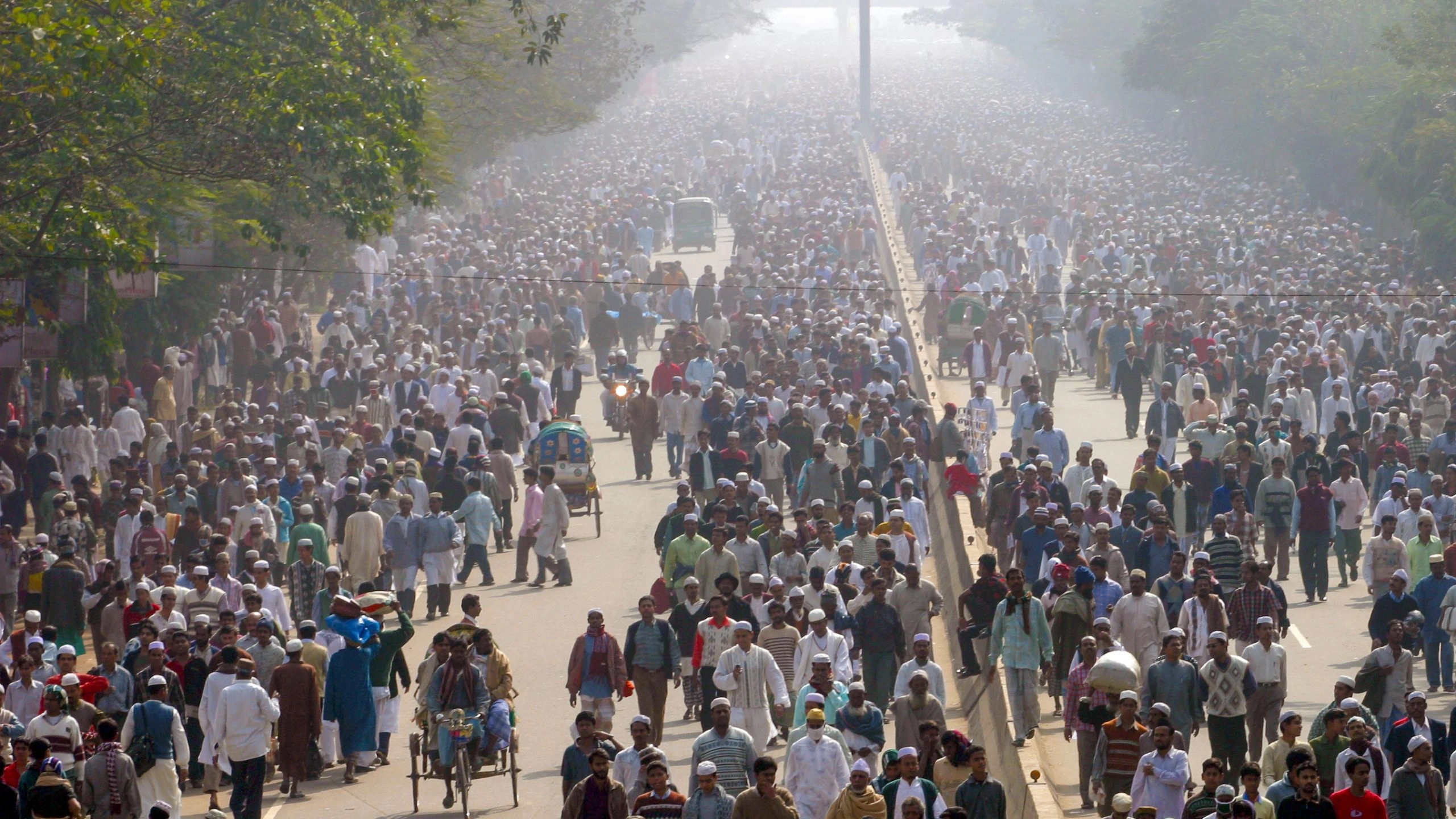
The rise and fall of the Awami League is a story of nationalism turned inward, power hardened into authoritarianism, and a political movement ultimately consumed by the very forces it once harnessed. From its separatist origins in the 1960s to the iron-fisted rule of Sheikh Hasina, the party’s arc ends with an extraordinary reversal: the International Crimes Tribunal sentencing Hasina to death in absentia. The party that delivered independence now stands condemned, morally, legally, and historically, under the weight of its own contradictions and its fateful overreliance on India.

Read More »
Narrative by Design: Al Jazeera’s Editorial Tilt on the Pakistan–TTP Conflict

Narrative by Design: Al Jazeera’s Editorial Tilt on the Pakistan–TTP Conflict

Al Jazeera’s reputation for alternative journalism contrasts sharply with its recent reporting on Pakistan’s conflict with the TTP and tensions with the Afghan Taliban. A close review shows consistent editorial choices that soften the Taliban’s image, reframe terrorist violence as resistance, and cast Pakistan’s counter-terrorism actions as aggression—ultimately reshaping the narrative in Kabul’s favour.

Read More »
The Re-Emergence of Terror: Afghanistan as a Global Terrorist Hub

The Re-Emergence of Terror: Afghanistan as a Global Terrorist Hub

The Taliban’s return to power has revived Afghanistan’s role as a global Terrorist hub. Despite pledges under the 2020 Doha Agreement, the regime continues to shelter and enable groups such as Al-Qaeda, TTP, and ETIM, creating a volatile nexus of terrorism that threatens regional stability and global security. As internal conflicts deepen and governance collapses, Afghanistan’s transformation into an ideological sanctuary ensures a cycle of chaos and suffering that primarily victimizes its own people.

Read More »
Instability as Strategy: How India Benefits from the Afghan-Pakistan Breakdown

Instability as Strategy: How India Benefits from the Afghan-Pakistan Breakdown

The escalating tensions between Pakistan and Afghanistan’s Taliban-led regime have reignited South Asia’s most volatile frontier. As cross-border attacks intensify and the Taliban refuses to dismantle the Tehreek-e-Taliban Pakistan (TTP), Islamabad faces mounting security and sovereignty challenges. Yet, amid this chaos, India emerges as the silent beneficiary, leveraging regional instability to weaken Pakistan strategically while maintaining its image as a victim of terrorism. This calculated exploitation threatens to entrench South Asia in a new cycle of proxy conflict.

Read More »