Commentary

Iran war is exposing world order that is shifting away from US economic dominance

The Islamabad Bridge: Navigating the Ruins of a Unipolar Order

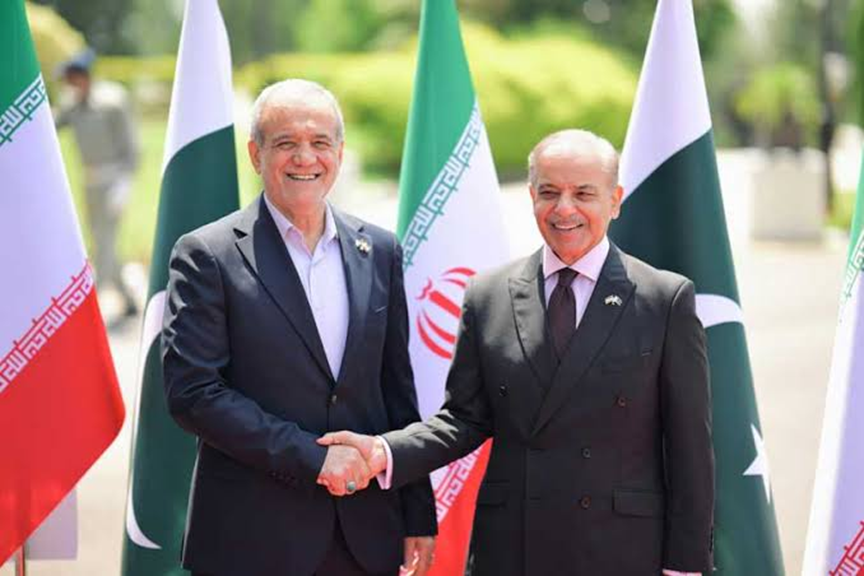
The 2026 US-Iran conflict serves as a “Suez Moment” for American hegemony, exposing the terminal decline of the post-1945 rules-based order. As US security guarantees fracture, global allies are shifting toward “major hedging” and regional autonomy to protect their own energy and economic interests. In this vacuum, Pakistan has transitioned from a frontline state to a pivotal mediator, leveraging the Islamabad Talks to define a new era of transactional multipolarity. This shift prioritizes terrestrial connectivity and local stabilization over the unilateral dictates of a distant hegemon.

Read More »
The flag of the International Atomic Energy Agency IAEA waves in front of the IAEA

The Mirage of “Nuclear Islamism”: Why the Pakistan-Iran Comparison Fails

This commentary critiques Brahma Chellaney’s “nuclear Islamism” narrative, arguing that grouping Pakistan and Iran ignores critical legal and strategic realities. It highlights the disparity in non-proliferation enforcement, specifically contrasting the treatment of NPT signatories with the strategic exceptions granted to India. By deconstructing ideological framing, the text advocates for a foreign policy analysis rooted in treaty architecture rather than religious identity.

Read More »
Two Indian ships come under fire in Strait of Hormuz after Iran reasserts control

Exposing Amjad Taha: The Truth Behind the Hormuz “Blockade”

Amjad Taha’s narrative on Indian tanker Sanmar Herald (April 18, 2026) aims to disrupt Pakistan-mediated peace efforts. While citing “piracy” to bolster a pro-Israel stance, Taha ignores the strategic success of Islamabad’s diplomacy, which has maintained safe passage for Pakistani vessels, contrasting with the targeted, restricted movement of vessels in the re-imposed exclusion zone. 

Read More »