The Crescent Security Initiative: Envisioning a Pan-Islamic Security Architecture
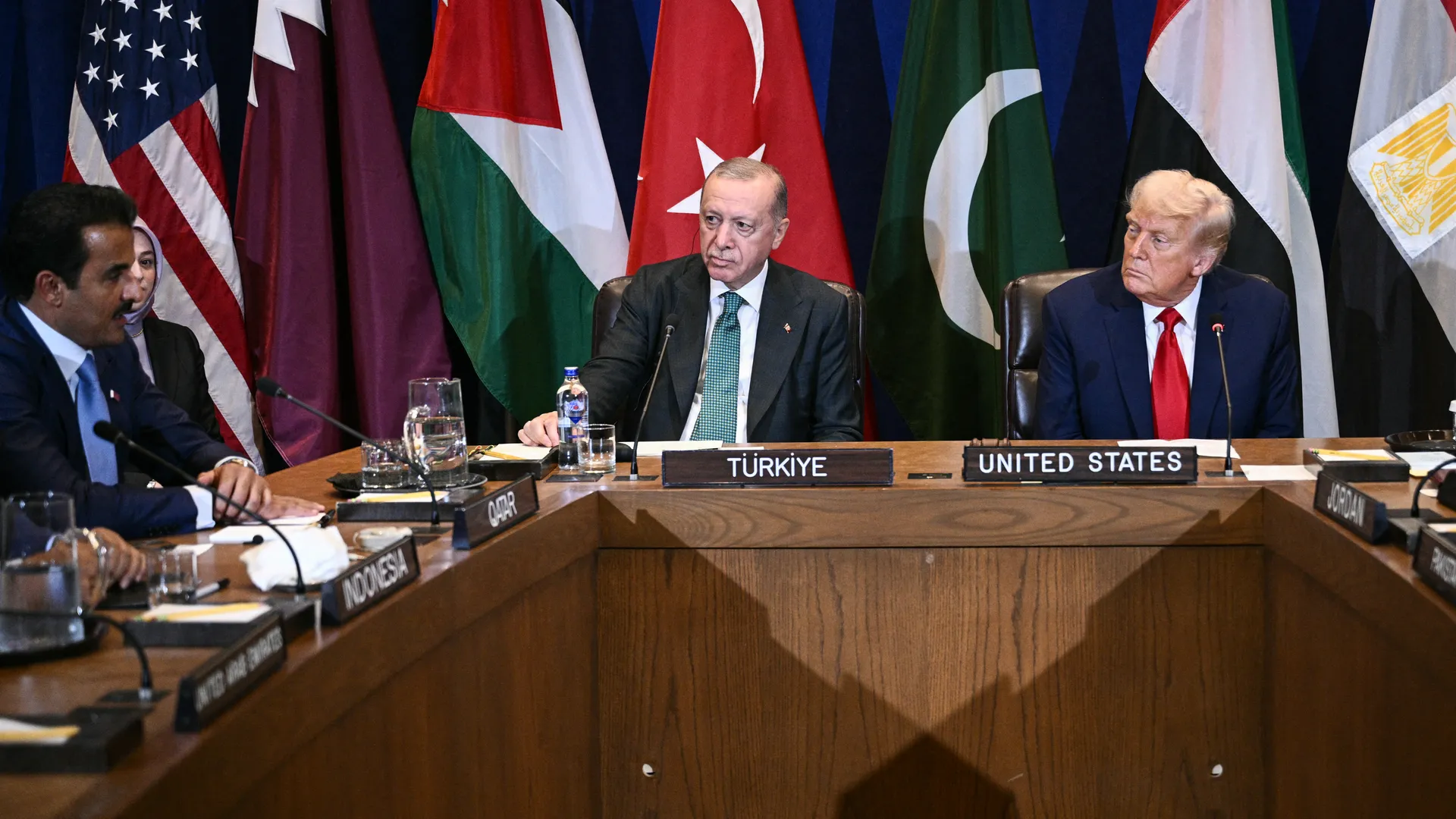
Israel’s unprecedented strike in Doha has reignited calls for a collective Muslim defence pact. Can the Crescent Security Initiative succeed where past efforts failed?

Israel’s unprecedented strike in Doha has reignited calls for a collective Muslim defence pact. Can the Crescent Security Initiative succeed where past efforts failed?

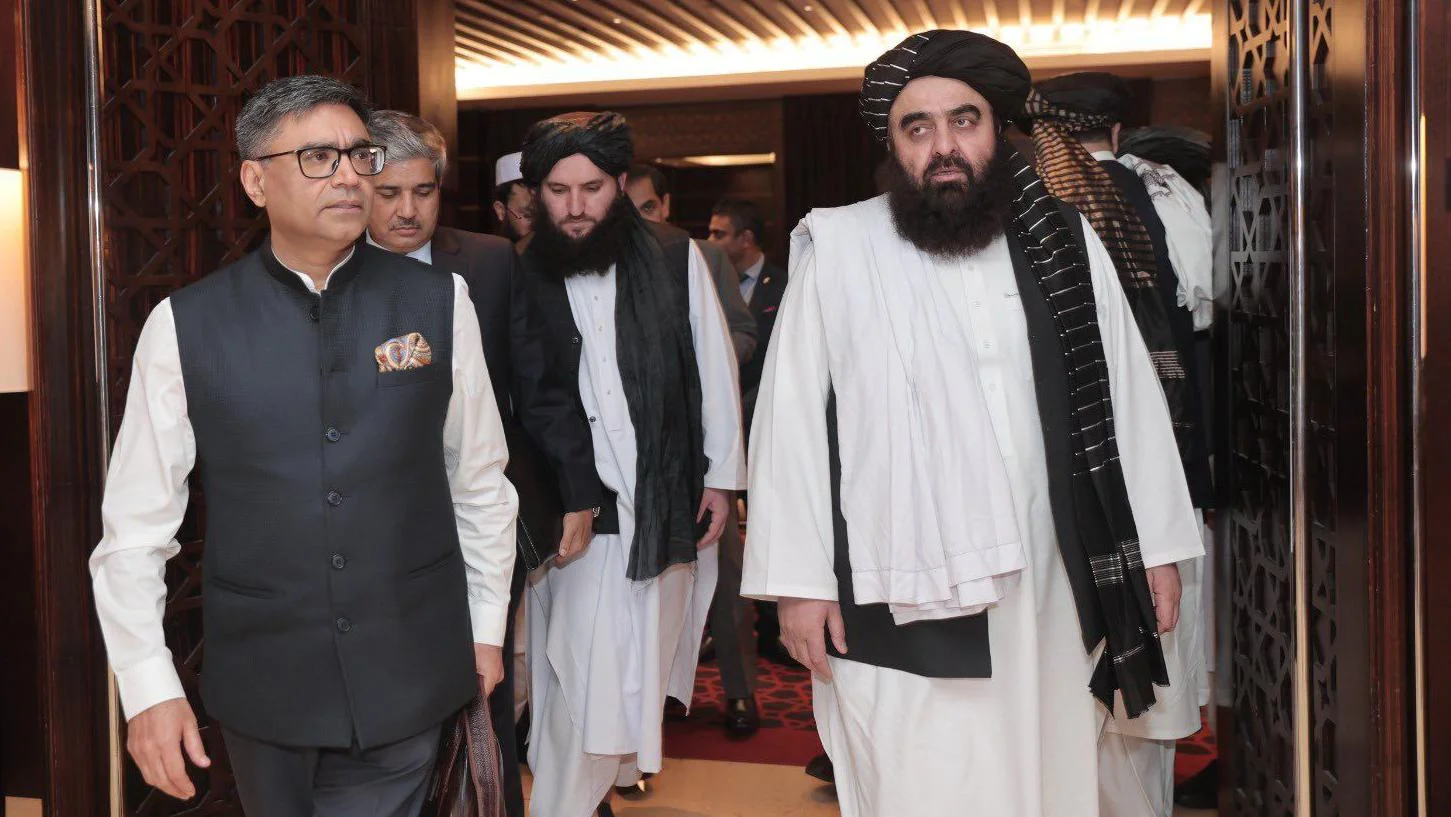
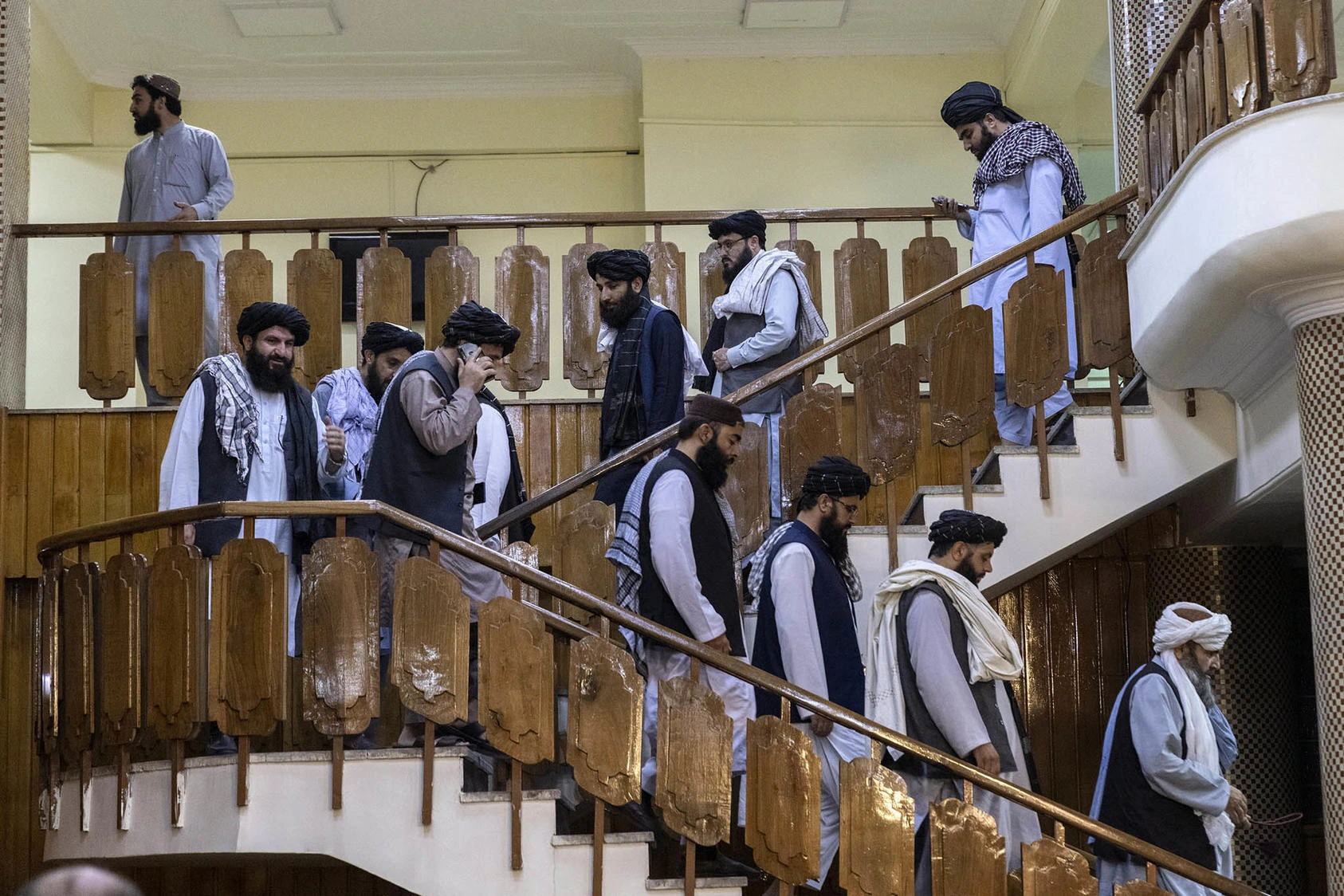
The Taliban’s hostility toward Pakistan is not confined to isolated voices. Rooted in religious narratives that brand Islamabad as “un-Islamic” and reinforced by incendiary speeches and propaganda, this rhetoric fosters deep mistrust. While official representatives preach cooperation, commanders and ideologues openly glorify conflict, creating a dangerous contradiction between diplomacy and reality.

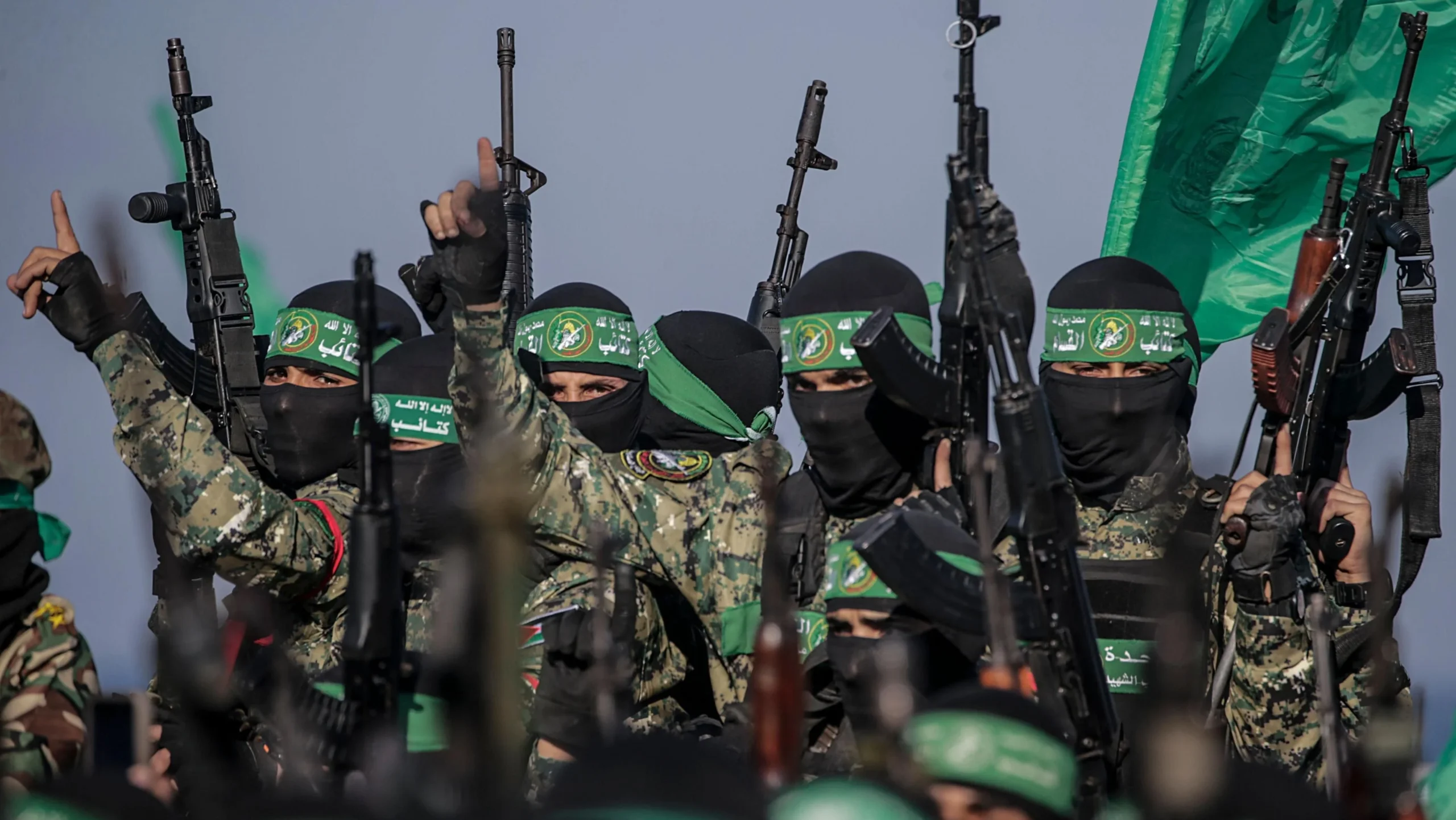
Israel’s airstrike on Hamas leaders in Doha marks more than a breach of Qatari sovereignty, it is a direct challenge to US authority and the fragile rules-based international order. The attack exposes Washington’s inability to restrain its ally, while raising profound questions about Gulf security, Arab solidarity, and the future of international law.

Ahmad Shah Massoud’s life embodied both heroism and controversy. Celebrated as the Lion of Panjshir for his defiance of the Soviets and Taliban, he was also criticized for his role in Afghanistan’s civil war and the atrocities linked to his forces. His legacy endures as a symbol of resistance and division alike.

For over seven decades, Pakistan’s role in UN peacekeeping has defined its international standing. From the Congo in 1960 to modern missions in South Sudan and the DRC, Pakistani peacekeepers have shown courage, adaptability, and sacrifice. Their legacy is one of humanitarian commitment and global service.

Since 1947, Pakistan has used the UN General Assembly to advance causes of self-determination, decolonization, and justice. From supporting Algeria and Afghanistan to championing Palestine and combating Islamophobia, Pakistan’s consistent diplomatic efforts underscore its role as a defender of global equity and multilateralism.

The Indus Waters Treaty, once hailed as a model of cooperation, faces its gravest challenge after India’s unilateral suspension in 2025. For Pakistan, water security is a matter of survival, with millions dependent on the Indus Basin for food and livelihoods. As tensions mount, the fear of “water terrorism” looms large, raising the stakes for regional stability. The UN must move beyond silence, leveraging law and diplomacy to ensure the Indus remains a source of life rather than a trigger for war.

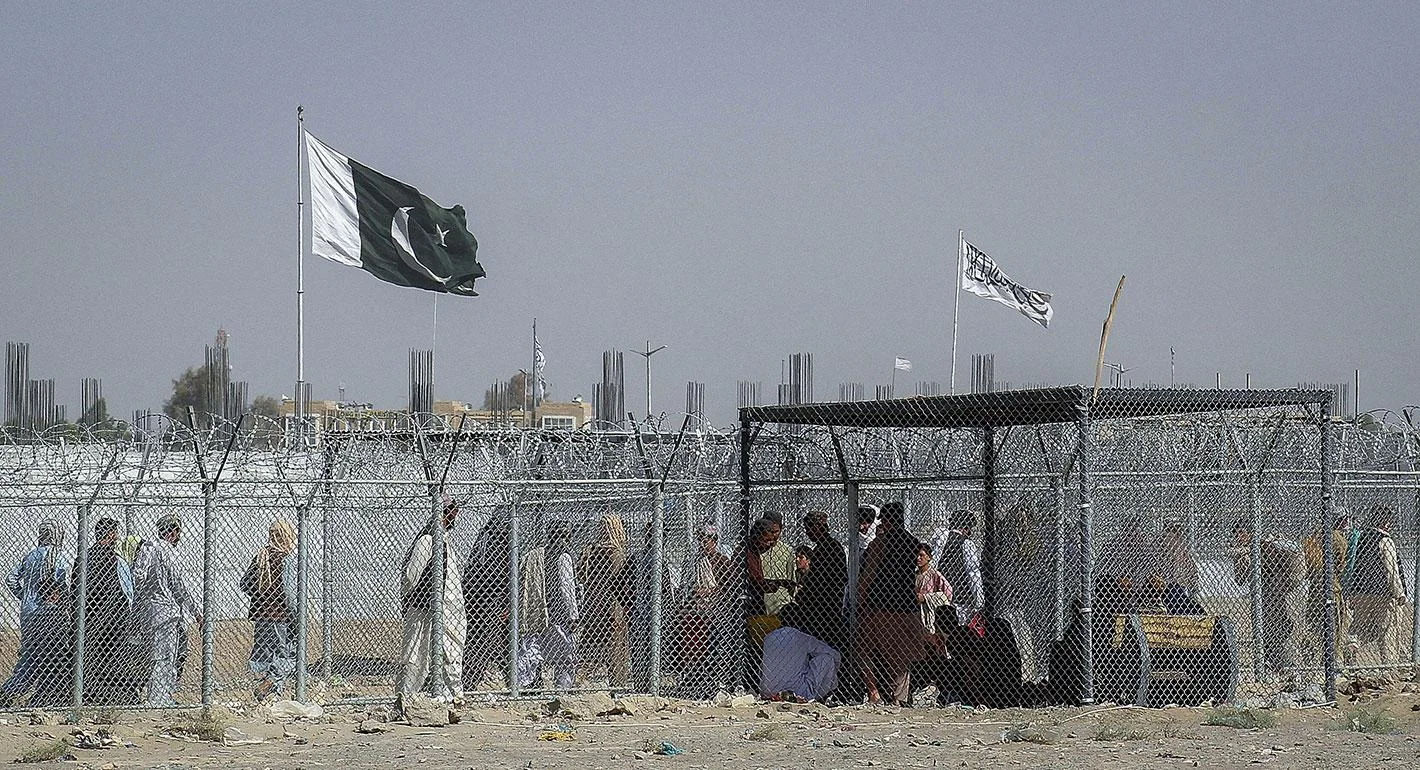
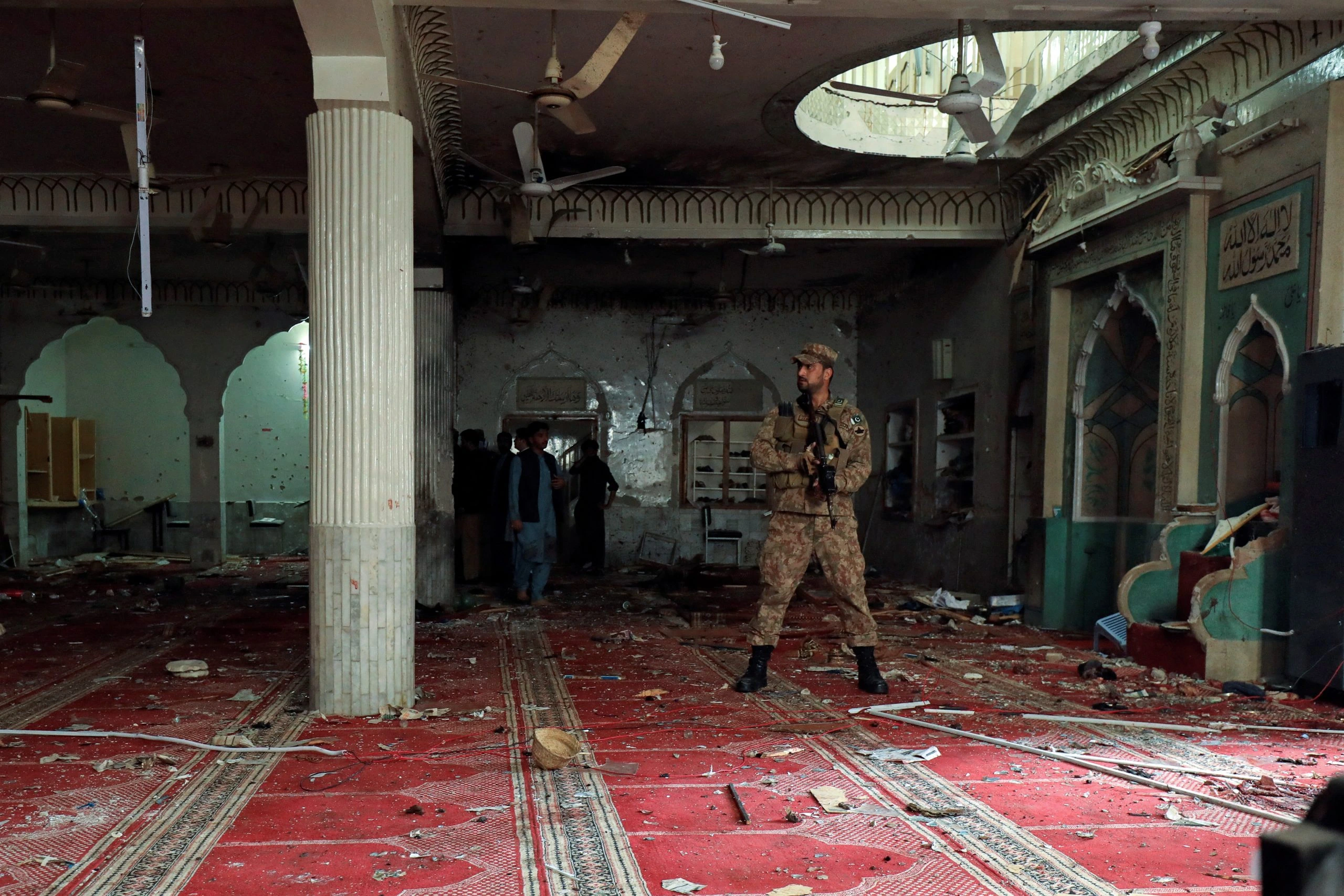
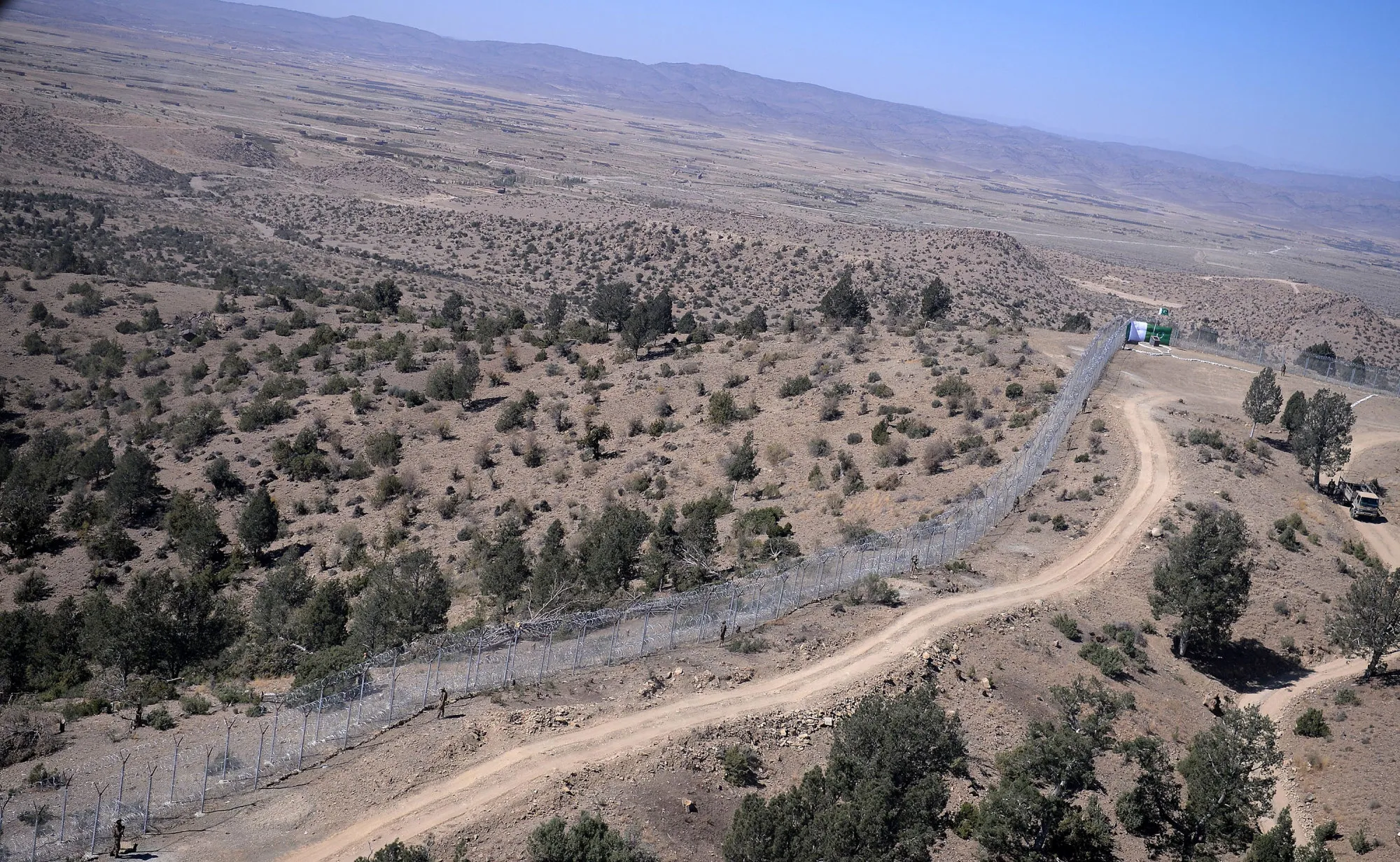
When the Taliban returned to power in 2021, Pakistan saw hope. Four years later, TTP and BLA attacks have surged, Kabul’s ties with India are deepening, and Islamabad faces a worsening security crisis along its western border.

The recent case against Rahul Gandhi in Bihar is part of a larger, systemic pattern of legal harassment. Critics argue this is a deliberate strategy to stifle dissent, weaken India’s opposition, and prevent one of the government’s most vocal critics from connecting with voters. This continuous legal pressure highlights a troubling erosion of democratic norms in India.

Syed Ali Shah Gillani was more than a political leader—he was the unwavering voice of Kashmiri resistance. From electoral politics to decades of confinement, his life embodied an uncompromising devotion to self-determination and a rejection of political compromise. His passing in 2021 marked not an end, but the continuation of a struggle defined by defiance and sacrifice.