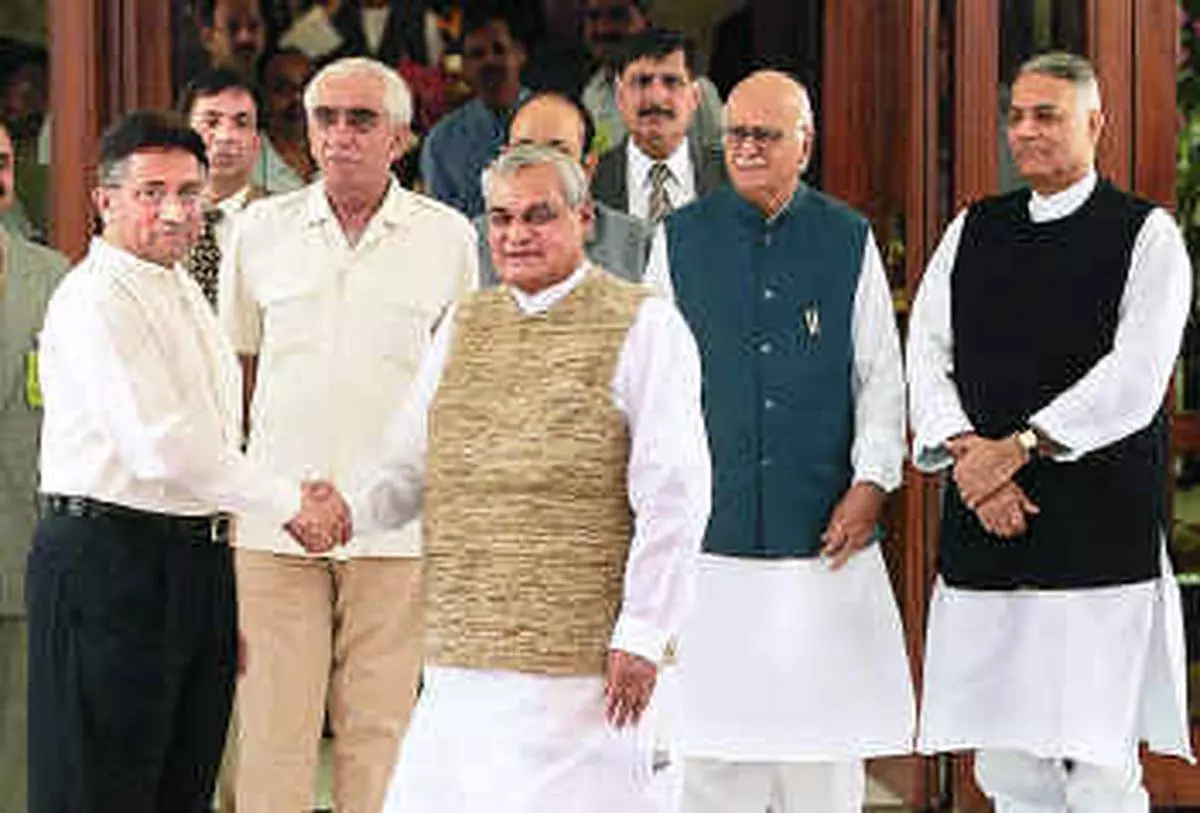
14th July holds seminal importance in the history of South Asia, especially in the context of post-conflict rapprochement that took place between contentious states of India and Pakistan. This ice melting came in the form of the bilateral Agra Summit, held in the Indian city of Agra in Uttar Pradesh. The two states had freshly been at war just a year ago in 1999. The conflict at Kargil resulted in deteriorating relations between two South Asian states. President Pervez Musharraf represented Pakistan, while, Prime Minister Atal Bihari Vajpayee represented India.
A year before the summit, a milestone in the form of the Lahore Declaration was achieved. This was when Vajpayee himself came to Lahore in February 1999. However, the following debacle of the Kargil War severely affected any positive prospects of the Lahore Declaration. Furthermore, chances of bilateral engagement deteriorated, after the coup of October 1999 in Pakistan.
Keeping in view the hostilities between India and Pakistan, now that latter was a nuclear power as well, UN Secretary-General Kofi Annan called for restraint and resumption of dialogue under the Lahore Declaration. PM Vajpayee on New Year’s Eve wrote an article where he elucidated the need to resolve the Kashmir and Babri Mosque issue. For Kashmir, he suggested a meeting with the Pakistani President. This eventually materialized after four months in July 2001 when Indian Premier Vajpayee held talks with President Musharraf to set a framework for Agra Summit.
The Agra Summit
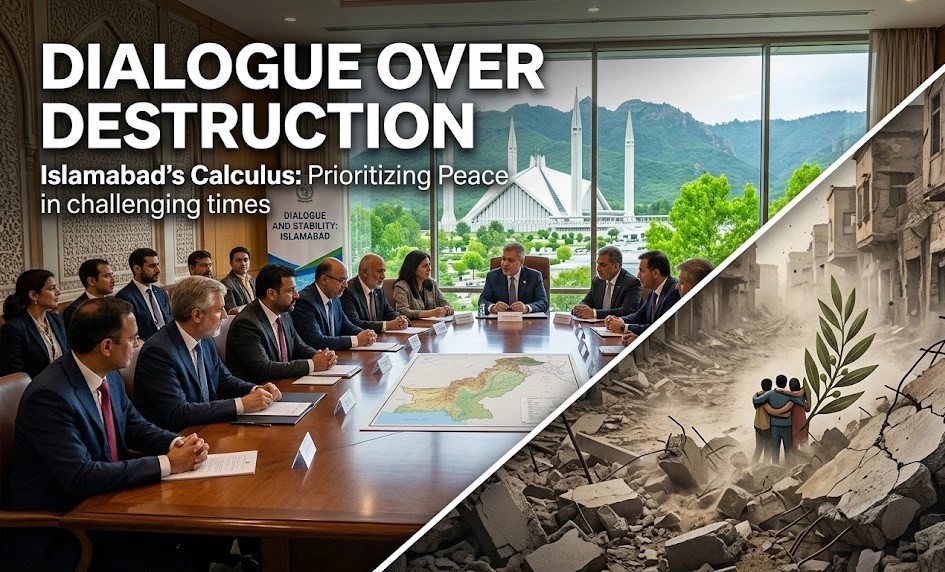
The two-day summit was an ice melting moment between the tense neighbours. It became the venue of dialogue over contending issues that marred Pak-India relations. The leaders discussed wide-ranging issues including; Kashmir, nuclear risk reduction, prisoner release, confidence-building measures and developing economic ties. The leaders recognized the need for transforming the fifty-year-old confrontation into a profitable neighbourly relationship.
While apparently, things were taking a turn for good, the summit could not be substantiated into a signed agreement. President Musharraf emphasized the resolution of Kashmir. What was healthy was his engagement with Kashmiri Hurriyet leaders.
India had concerns regarding cross border terrorism. Premier Vajpayee later in Parliament stated that cross border terrorism would have to be a part of any draft. It is notable the clauses pertaining to this issue were part of the already agreed draft. Indian conviction to engage in the dialogue came from their inability to contain the Kashmiri militancy despite the winter ceasefire. However, despite the major focus on Kashmir, India remained leaned towards the broader topic of ‘cross border terrorism.
Foreign secretaries of respective states prepared the draft agreement. After which, the respective leaders received the draft for further recommendations. President Musharraf approved the draft while the Indian side sent it to the cabinet committee on political affairs for approval.
Delay in Agreement
On the 16th of July, the Pakistani Delegation under Musharraf approved the declaration text. However, the Indian Government delayed the approval. The Indian Minister of External Affairs Jaswant Singh sought a meeting with his Pakistani counterpart to discuss a few revisions. Subsequently, at 9 PM, on 16th July, the Pakistani Delegation was informed that no agreement would be signed, without citing any reason. This came as a disappointment to the stakeholders of peace; as the two-day summit could not materialize in any written commitment. While President Musharraf was departing from Agra, the Indian PM told him that the agreement could not be brought within the cabinet committee. Even so, the prospects of another summit were on the table, showing that the summit indeed has made some progress.
President Musharraf on his return stated, “I came back empty-handed but the summit was not a failure”. PM Vajpayee also underlined that he considered the summit as another step in the march towards finding lasting peace, amity and cooperation between the two countries.
Saboteur of Agra
Moreover, the presence of multiple reasons raised speculations of why the Summit could not correspond to an agreement. Some called the issue of Kashmir and terrorism to be the points of friction in achieving an understanding; while, others called India’s adamancy for not engaging on Kashmir the major source of contention. Emerging accounts blame the hawkish attitude of Indian Home Minister Lal Krishna Advani who did not allow the cabinet committee to reach the agreement during the Summit. An Indian Media report dubbed him as the ‘Saboteur of Agra’. While President Musharraf blamed Minister Advani for shortcomings in the summit, four years later. Minister Advani also became India’s deputy Prime Minister in 2002. What is interesting is that Minister Advani himself admitted to having torpedoed the summit, in an interview with the Times of India in 2008.
Conclusion
Lastly, the Agra Summit calls for multiple opinions. Nonetheless, it still remains a testament to the bilateral will of peace. The leaders of both states had looked forward to solving long-standing issues after hostilities in Kashmir. Ironically, the elements that torpedoed the summit also overshadowed the proponents of peace like Jaswant Singh. The rising right-wing politics under the Bharatiya Janata Party (BJP) has diminished the chances of constructive engagement on bilateral issues. This has resulted in lethal stalemates like the one witnessed in February 2019. Even after having a military setback, the BJP led Government has been adamant to engage with Islamabad, despite the latter’s reiterated offers to engage in a peaceful dialogue.