![Trump's foreign aid freeze disrupts development in Nepal, Pakistan, and other nations, with key projects halted. [Image via Wikimedia Commons]](https://southasiatimes.org/wp-content/uploads/2025/01/TrumpPortrait.webp)
President Donald Trump’s recent decision to suspend foreign aid has caused significant disruptions to development efforts in Nepal and Pakistan, alongside other affected countries. This suspension, set for an initial 90-day period, follows the U.S. Department of State’s directive to halt foreign aid programs globally. Trump’s statement emphasized that the United States would no longer “blindly dole out money with no return for the American people.” While this decision affects nations such as Ukraine, Taiwan, and Jordan, U.S. officials maintain that the freeze is temporary, pending a full reassessment of future aid allocations to ensure alignment with U.S. foreign policy priorities.
In Nepal, the freeze has impacted approximately 70 USAID projects, with a total estimated value of Rs 2.66 trillion. These projects span crucial sectors like health, education, and agriculture, and are vital to the well-being of nearly 300 NGOs and organizations reliant on U.S. funding. Among the most notable affected initiatives is a $698 million project under the Development Objectives Agreement, which aims to improve economic growth and stability. The U.S. has been Nepal’s largest bilateral donor, contributing $118 million in 2022 alone, emphasizing the gravity of this suspension.
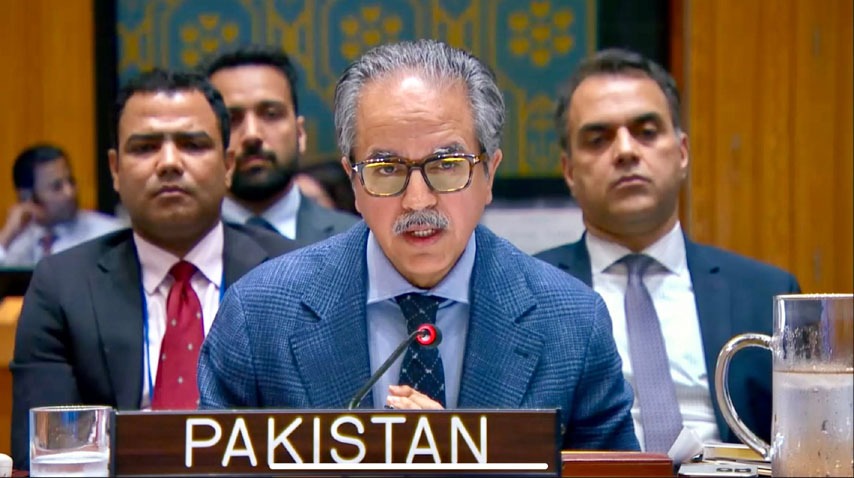
In Pakistan, the freeze has even wider-reaching consequences, with more than $800 million in U.S. assistance currently under review. The suspension affects key programs that foster democracy, governance, and economic stability. Eleven governance projects aimed at enhancing transparency and accountability, which directly impact local communities, have been temporarily halted. Additionally, five agricultural initiatives supporting over 2 million farmers—critical to Pakistan’s agricultural sector—are now on hold, creating uncertainty for rural economies.
Also See: Trump’s Return: A New Era or More of the Same?
The aid freeze also places significant pressure on Pakistan’s health and education sectors. Notable projects like the $85 million Education Direct Financing initiative, designed to improve access to education for marginalized youth, are now suspended, jeopardizing years of progress. Local leaders have raised alarms, warning that these disruptions could deepen vulnerabilities in already at-risk communities. They emphasize that U.S. aid plays a pivotal role in maintaining stability and fostering growth during challenging times.
This freeze marks a significant shift in U.S. foreign policy and its impact on global development, leaving countries like Nepal and Pakistan grappling with the uncertainty of future aid.
This news is sourced from Kathmandu Post and The Express Tribune and is intended for informational purposes only.

Your trusted source for insightful journalism. Stay informed with our compelling coverage of global affairs, business, technology, and more.