When Biden came to power early this year, he faced more external issues than internal issues. The country was on the brink of either war or peace. The controversial yet sudden decision of the past administration of Trump has put Biden in the 5th gear without a steady charge.
A Headache for Biden Administration
Two issues that he faced were were the withdrawal of US troops from Afghanistan and Iran Nuclear Crisis. Both of these issues were actually solved and disrupted in one way or the other by the previous administration. Trump promised the Taliban on February 29th 2020, a hasty withdrawal by 1st May 2021. Fully knowing that Trump won’t be in the next election and it’s a headache for the upcoming administration.
The Iran nuclear crisis was rather a sleeping lion in a cage that was disturbed by a young dumb child who threw a stone because he wanted to see it roar. In 2018, Trump pulled out of Iran Nuclear deal 2015, which actually restricted Iran’s nuclear ambitions and lifted sanctions from Iran.
Now one might say that Trump was genius to make the Taliban sit at the table and negotiate peace, while simultaneously show the iron to Iran. Almost every international politics analyst agree that both are a headache for Biden Administration but it’s not that hard to solve, unlike that of fleeing from Vietnam or hasty withdrawal from Iraq. There’s a catch and that is, ‘use the same allies that helped trump in these issues’.
US Troop Withdrawal
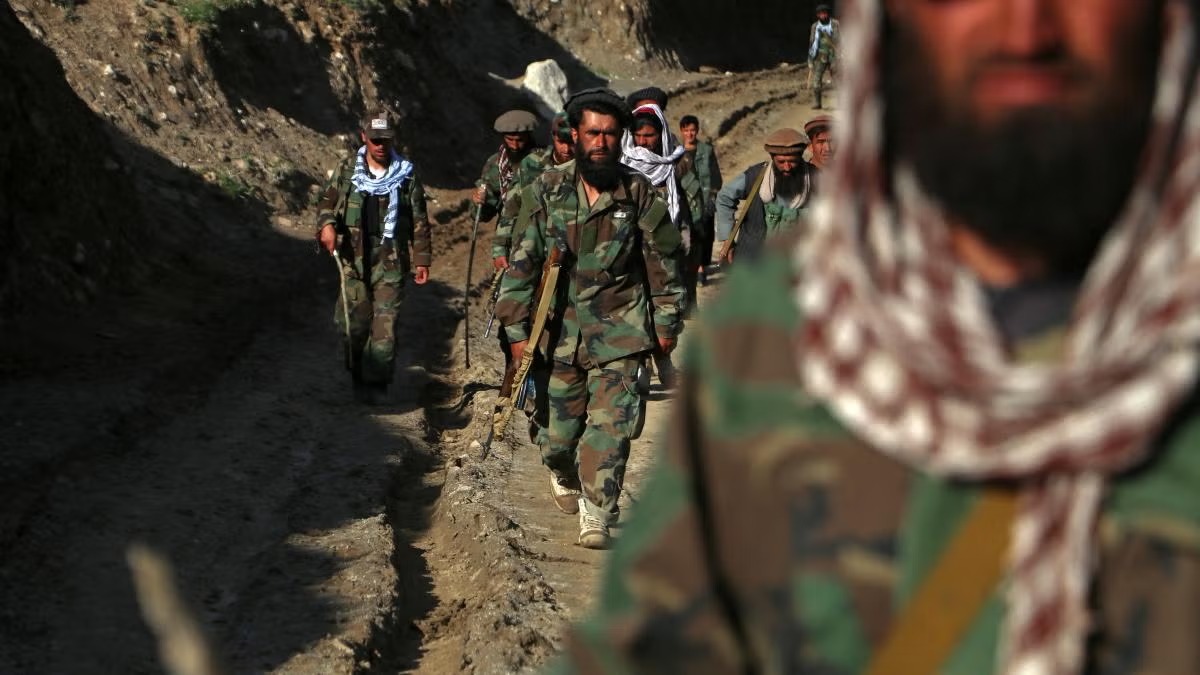
Now we all know that the Afghan war has exhausted the US’ resources and capital. Therefore the US is looking for a withdrawal from this hellhole. Typically, For Biden, it\’s simple to utilize the very same countries and sources that helped lead to the Peace Agreement of 2020. Stakeholders like Russia, Iran, Pakistan, China, UAE, and KSA are in favour of peace in Afghanistan. A process with a complete comprehensive political consensus that includes the Taliban in the mainstream politics of Afghanistan.
Utilizing the very same countries for the same problem. We recently saw that there were series of talks. The talk occurred just after the Blinken letter. Similarly, then there were consecutive visits by US and Russian representatives. After which there were meetings between major stakeholders that have led to the decision of US withdrawal by 11th September. A day that is and will be remembered by many.
Iran Nuclear Deal
In 2018, when Trump pulled out of the Iran Nuclear Deal. Ultimately Tehran opted to follow the same path. The US didn’t only pull out but also imposed additional sanction, bring Iran to a near-crippling economy. Trump thought that this would lead to rebel groups rising in Iran and making Iran surrender. Although, instead, Iran went to the exact same spot for which Nuclear Deal was made to prevent it. Iran enriched its uranium to a dangerous level of 60%. On the other hand, to make bombs, 90% is the standard.
Recently, peace with Saudi Arabia and revival of talks with Iran by the USA have shown a ray of hope. However, the proxy wars between the US most vital ally in the region, KSA, and Iran still remains unanswered and unsolved. The utilization of resources in Tel Aviv and Riyadh are the only source to produce a solution. A solution for this dangerous problem.

Your trusted source for insightful journalism. Stay informed with our compelling coverage of global affairs, business, technology, and more.