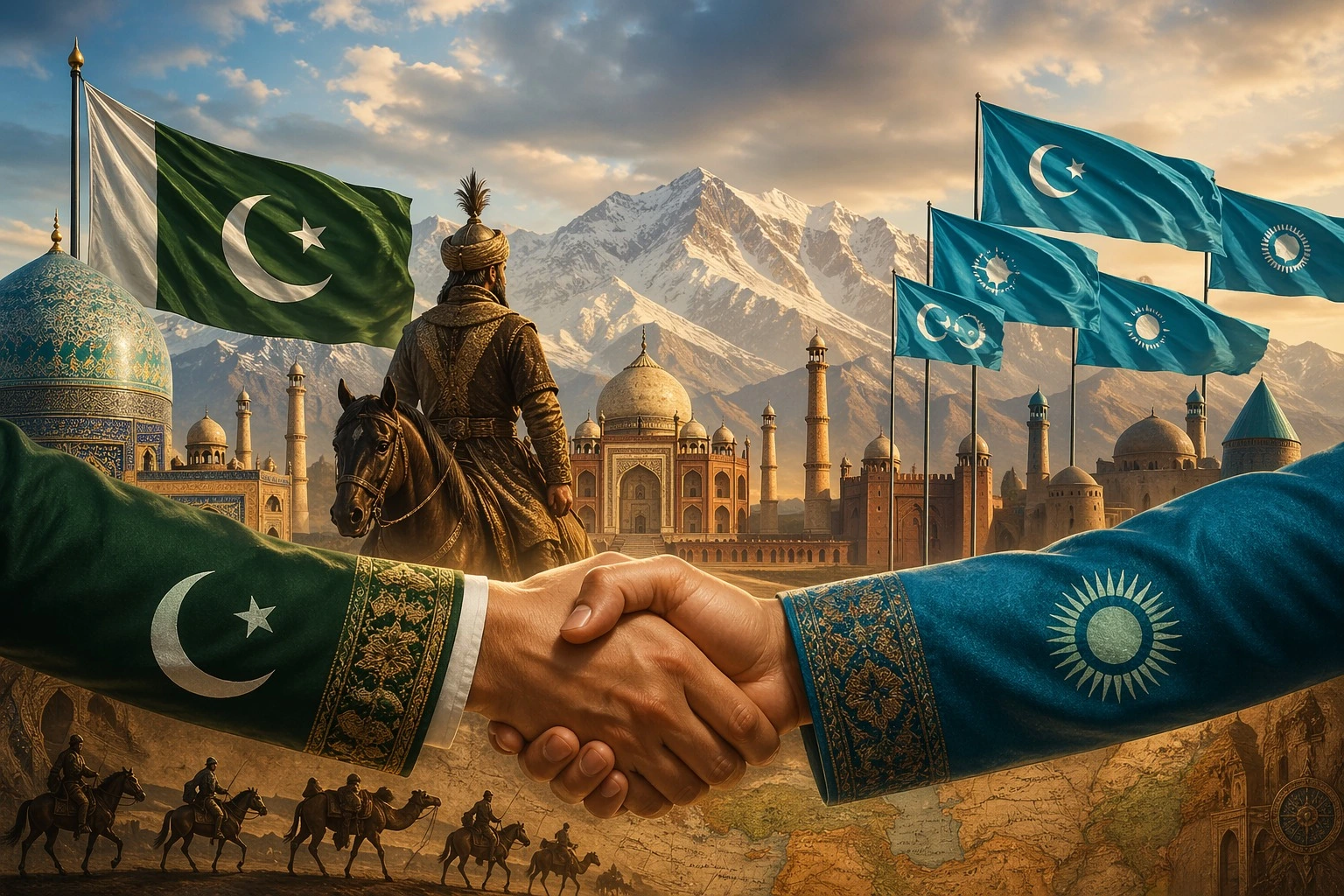
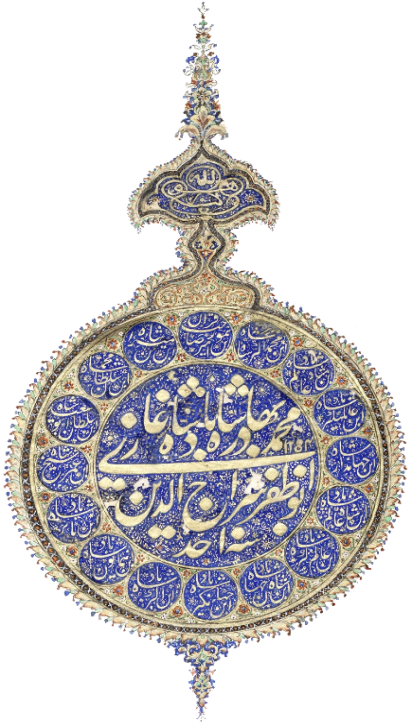
The 500th anniversary of the founding of the Mughal Empire on April 21, 1526, serves as a poignant reminder of the indelible Turkic imprint on the soul of South Asia. When Zahir-ud-din Muhammad Babur, a descendant of both Emir Timur and Genghis Khan, established his reign in Delhi, he did not merely found a dynasty; he transplanted a Central Asian administrative, military, and cultural ethos that defines modern Pakistan today. This historic milestone underscores a profound legal and cultural basis for Pakistan to seek formal entry into the Organisation of Turkic States (OTS). While the OTS was founded on the principle of sovereign Turkic-speaking nations, its evolving framework—exemplified by the observer status of nations like Hungary—allows for the inclusion of states that share a “Turkic heritage.” Pakistan’s claim is rooted in its status as the primary successor to the Timurid (Mughal) legacy, a fact immortalized in the imperial seal of the last Emperor, Bahadur Shah Zafar. The seal explicitly traces his lineage back to Emir Timur, legally and symbolically anchoring the region’s sovereignty in Turkic bloodlines for centuries.
The demographic and social fabric of Pakistan remains a living museum of these migrations. The country is home to a vast “Turkic Diaspora” comprising lineages such as the Changezi, Taimuri, Chughtai, Barlas, and Qizilbash. Families bearing the titles of Beg, Mirza, and Uzbek continue to play pivotal roles in the nation’s governance and military, representing a genetic and social fusion that occurred as Central Asian tribes intermingled with the local populace over a millennium. This tradition of governance began long before the Mughals, with the Ghaznavids and the various dynasties of the Delhi Sultanate establishing a “Turkic State Tradition” that introduced Persian-Turkic bureaucracy to the subcontinent. Even the national language, Urdu, serves as a linguistic bridge; its name is derived from the Turkic word Ordu (army or camp), and it remains saturated with Turkic vocabulary and phonological structures that are similar to that of the Turkish language.
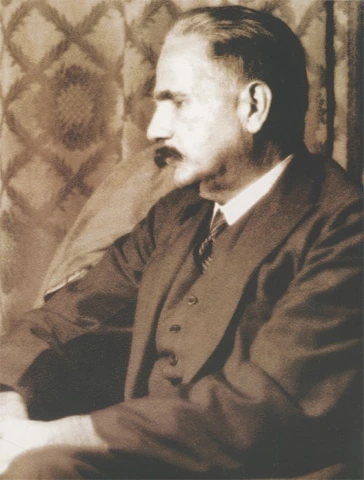
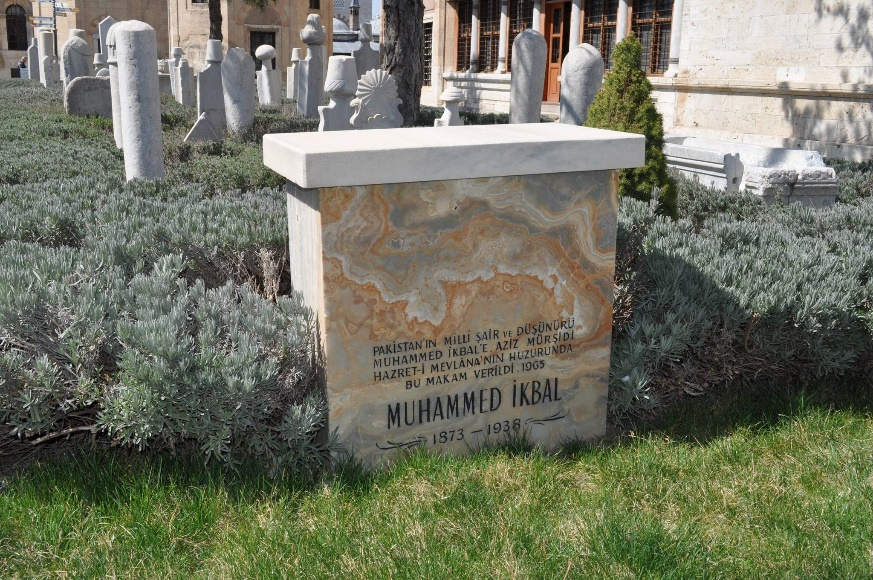
Beyond the material and the genetic lies a profound spiritual and philosophical kinship. The intellectual foundation of Pakistan, as envisioned by its national poet Allama Iqbal, is deeply rooted in “Mevlevism.” Iqbal considered the Anatolian mystic Maulana Rumi to be his spiritual guide, creating a bridge of thought that links the shrines of Konya to the philosophy of Lahore. Coincidentally 21st April 2026 also marks the 88th Death Anniversary of Allama Iqbal who was also honored with a symbolic tomb at Konya within the vicinity of the shrine of Maulana Rumi. This bond was further solidified during the modern era by the Khilafat Movement, where the Muslims of the British Raj displayed unprecedented solidarity with the Ottoman Empire during its most existential crisis. This historical loyalty has transitioned seamlessly into the 21st century, where Pakistan, Turkey, and the Central Asian Republics collaborate on high-level defense, trade, and diplomatic initiatives. By joining the OTS, Pakistan would not be embarking on a new path, but rather formalizing a millennium-old journey that began with the hoofbeats of Babur’s cavalry five centuries ago.
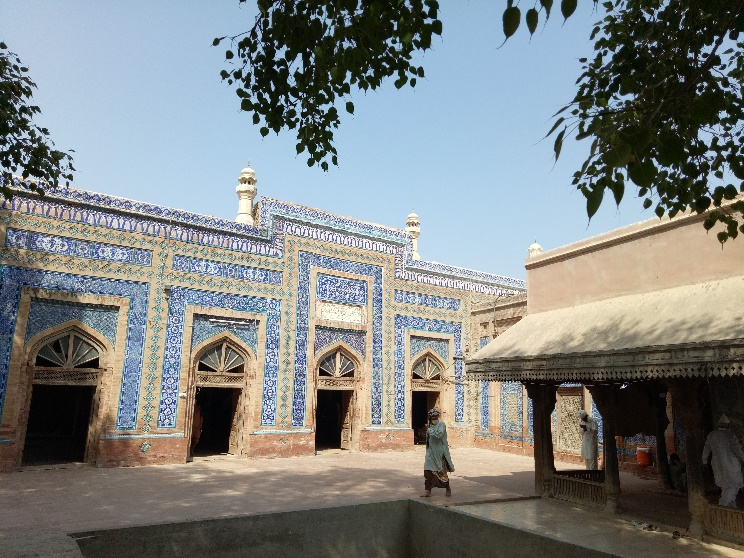
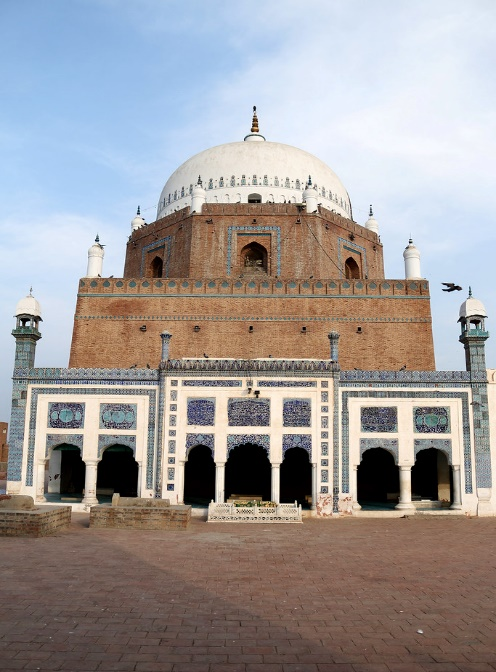
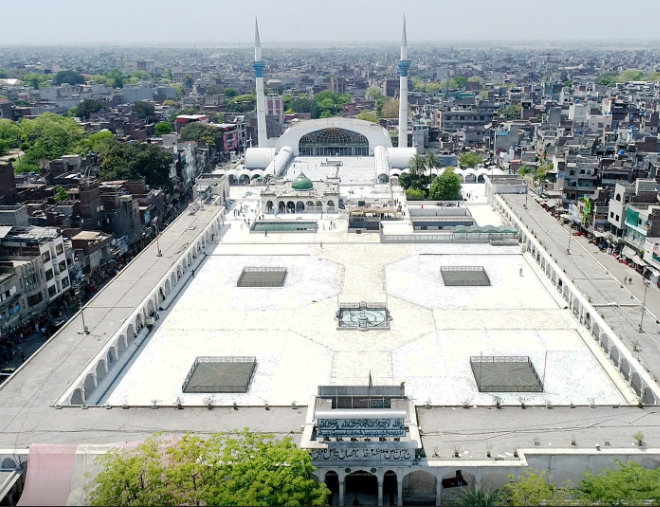
The presence of these foundational saints in modern-day Pakistan represents a direct ethnic and scholarly transplant from the Turkic heartlands of Central Asia, shaping the very core of the region’s Muslim identity. Sayyid Jalaluddin Surkh-Posh Naqvi Al-Bukhari, migrated to Uch Sharif in the 13th century from the city of Bukhara, bringing with him the sophisticated administrative and spiritual traditions of the Turkic-Uzbek steppes; his descendants became the custodians of a Turko-Islamic heritage that bridged the gap between the ruling Turkic elite and the local masses. Similarly, Bahauddin Zakariya, though born in the Punjab, belonged to a family that had migrated from the Khwarzam Central Asian scholarly hubs, and his establishment of the Suhrawardi order in Multan was a pivotal moment in integrating the Turkic religious tradition with local Sufism. In 2008, Konya in Türkiye and Multan in Pakistan were declared sister-cities, in recognition of their spiritual bonds through the Sufi tradition, represented by Muhammad Jalaluddin Rumi and Bahauddin Zakariya. Data Ganj Bakhsh Ali Hajweri, arriving in the wake of the Ghaznavid conquests, served as the primary intellectual bridge for the Turkic military expansion into the subcontinent. His seminal work, Kashf-ul-Mahjoob, provided a Persian-Turkic philosophical framework that allowed for the peaceful conversion and social organization of millions. Collectively, these saints did not merely spread religion; they established the “Soft Power” of the Turkic world—introducing Central Asian architecture, the Persianized-Turkic administrative ethos, and a spiritual kinship that remains the bedrock of Pakistan’s cultural and political affinity with the modern Turkic states today.
To establish a formal link between Pakistan and the Organisation of Turkic States (OTS), the primary legal basis rests upon the Nakhchivan Agreement of 2009, specifically Article 16, which outlines the criteria for membership and observer status. While the organization originally emphasized “Turkic-speaking” nations, its legal evolution has shifted toward a broader definition of “Turkic identity and heritage.” This shift is codified in the “Turkic World Vision 2040“, which allow states with deep historical, cultural, and ethnic ties to the Turkic world to participate. Pakistan’s legal justification is rooted in its status as a primary successor to the Timurid (Mughal) Empire, a fact legally evidenced by the imperial seals of the Mughal monarchs—such as that of Bahadur Shah Zafar—which explicitly trace the region’s sovereignty to Emir Timur. This establishes a “Turkic State Tradition” (Töre evolving to become the more dominant Hanafi Islamic legal tradition) that has governed the Indus Valley region (modern day Pakistan) for centuries, creating a continuous legal chain of Turkic administration system from the Ghaznavids to the modern Pakistani state. As recent as April 6th 2026, Pakistan and Turkey signed an MOU on judicial cooperation at the Supreme Court of Pakistan focusing on judicial exchange, capacity building, introducing modern technologies and sharing of best practices in adjudication.
The most significant precedent for Pakistan’s entry is Hungary, which secured observer status in 2018. Hungary’s inclusion was not based on linguistic dominance but on the recognition of “Turkic heritage” and the historic presence of Kipchak-Turkic tribes. Pakistan’s case is even more robust; the country serves as a “living museum” of the Turkic diaspora, housing millions from the Changezi, Taimuri, Chughtai, and Barlas lineages. Furthermore, the national language, Urdu, carries vast influence in the shape of loan words from the Turkish language, providing a linguistic bridge that mirrors the Hungarian precedent. The spiritual and philosophical kinship between Allama Iqbal and Maulana Rumi further provides the “Soft Power” precedent required for integration, aligning Pakistan with the shared cultural propagation mandate of the OTS.
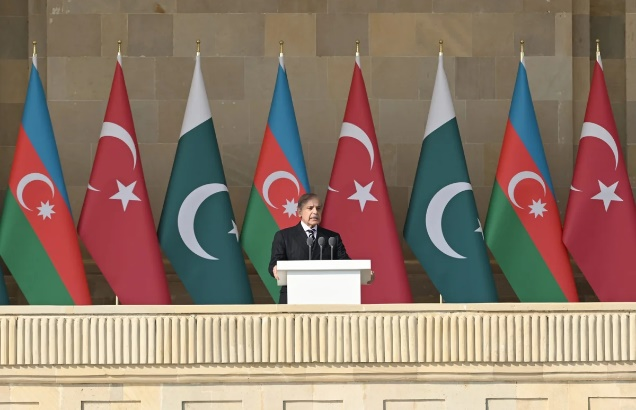
The stepwise procedure for accession begins with a formal Declaration of Intent submitted to the Secretariat in Istanbul. This must be followed by Pakistan’s accession to the organization’s subsidiary bodies, such as the International Organization of Turkic Culture (TURKSOY), the Turkic Culture and Heritage Foundation, Parliamentary Assembly of Turkic States, Turkic Investment Fund, Turkic Academy and the Turkic Chamber of Commerce and Industry, to demonstrate active engagement with the “Turkic World” ecosystem. Diplomatic lobbying would focus on the “Three Brothers” security framework with Turkey and Azerbaijan and the shared “Baburid” history with Uzbekistan to ensure a consensus vote.
Finaly, the military and cultural synergy between Pakistan and Turkey is a modern manifestation of a strategic bond that dates back to the dawn of the Mughal Empire. In 1526, the victory of Zahir-ud-din Muhammad Babur over the Lodi dynasty at the First Battle of Panipat was secured through the revolutionary use of gunpowder, facilitated by Ustad Ali Quli, an Ottoman master gunner. By deploying Ottoman-style cannon batteries and matchlock infantry behind a line of chained carts—a tactic known as the Rumi (Roman/Ottoman) method—Babur shattered the traditional elephant-led warfare of South Asia. During the Cold War, Pakistan and Turkey solidified their strategic alignment as founding members of the Central Treaty Organization (CENTO) to contain Soviet influence and the Regional Cooperation for Development (RCD) in 1964 to bolster economic ties—a framework that was later revitalized in 1985 as the Economic Cooperation Organization (ECO), expanding in the 1990s to integrate the newly independent Central Asian states into a massive regional trade and infrastructure bloc. Today, this political and military collaboration has evolved into a 21st-century defense partnership that is reshaping regional power dynamics. Pakistan has officially joined Turkey’s KAAN fifth-generation fighter program, with Pakistan now fundamentally embedded in the development of this stealth aircraft to ensure air superiority for the 2030s era. This is mirrored in the unmanned sector, where the exchange of Bayraktar TB2 and Akinci drone technology has provided Pakistan with sophisticated persistent surveillance and precision-strike capabilities.
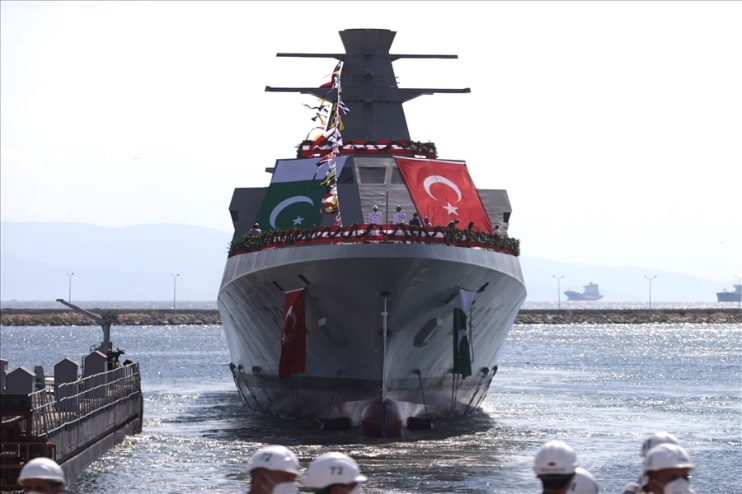
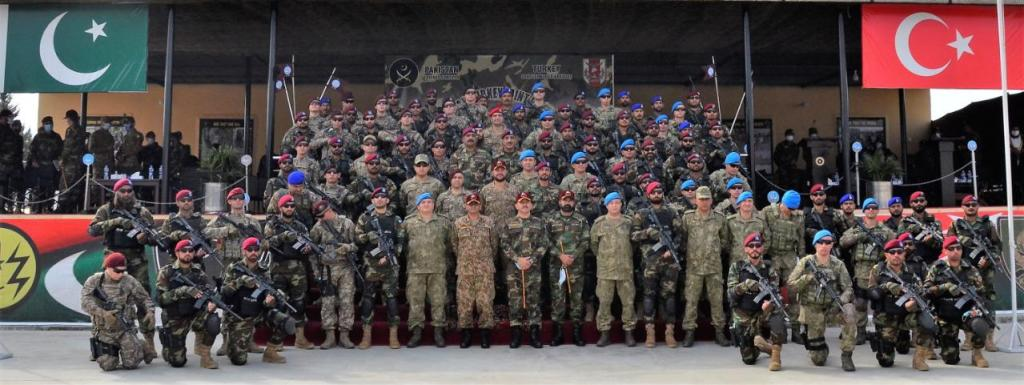
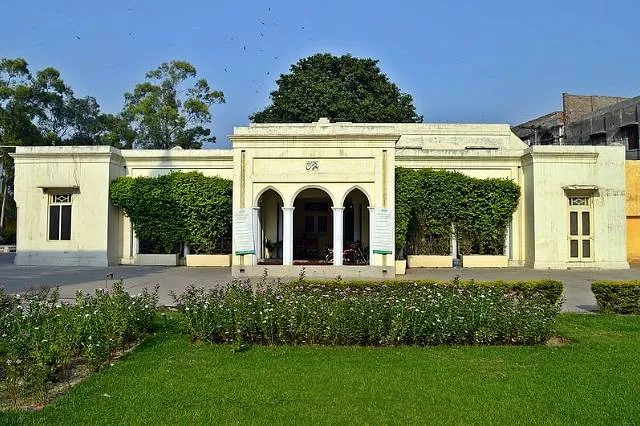
The collaboration extends beneath the waves and across the stars. Through the MILGEM project, Turkey has partnered with Pakistan to build state-of-the-art Babur-class corvettes, with several vessels constructed locally at the Karachi Shipyard and Engineering Works (KSEW), marking a significant leap in indigenous naval manufacturing. Beyond maritime power, the two nations are collaborating on satellite technology, armored vehicles, and the potential acquisition of other advanced military systems. This “Steel Brotherhood” is balanced by a profound cultural investment; the Turkish Maarif Foundation now manages a network of state-of-the-art schools across Pakistan, fostering a new generation of bilingual youth, while the Turkish Cooperation and Coordination Agency (TIKA) works tirelessly to preserve the physical heritage of this bond. Notably, TIKA has been instrumental in restoring the residence of Allama Iqbal, the spiritual architect of Pakistan, ensuring that the legacy of his “Mevlevi” connection to Anatolia remains a living cornerstone of the Pak-Turk alliance.
The justification for this integration is both historical and contemporary. In the modern era, this historical loyalty—born from the Khilafat Movement’s support for the Ottoman Empire—has transitioned into high-level defense and economic collaboration. Joining the OTS would not be a pursuit of a new alliance, but the formalization of a millennium-old journey, reconciling Pakistan’s modern geopolitical reality with its ancestral Turkic heartland.