![Russia suspends terrorist designation of Taliban after 20 years, aiming to boost ties with Afghanistan’s de facto rulers. [Image via Reuters]](https://southasiatimes.org/wp-content/uploads/2025/04/2024-06-05T144247Z_285717659_RC2258AQU7XE_RTRMADP_3_RUSSIA-FORUM-AFGHANISTAN-1744898647.webp)
Russia’s Supreme Court has suspended its ban on the Taliban, which it had designated for more than 20 years as “a terrorist organisation”. The latest move is aimed at normalising ties with the de facto rulers of Afghanistan.
Thursday’s ruling – prompted by a request from the prosecutor general – is effective immediately, Judge Oleg Nefedov announced, according to Russia’s Tass news agency.
The move in favour of the group that seized power in Afghanistan in 2021 follows years of gradual rapprochement with Moscow, despite a turbulent history dating back to the Afghan Civil War of the 1990s.
More recently, shared security interests – including the fight against ISIL (ISIS)’s regional affiliate, ISKP – have drawn Russia and the Taliban closer.
Last year, President Vladimir Putin described the Taliban as an “ally” in counterterrorism efforts, while his envoy to Kabul announced plans to delist the group.
Also See: Russia’s Taliban Pivot: A Calculated Play or a Risky Gamble?
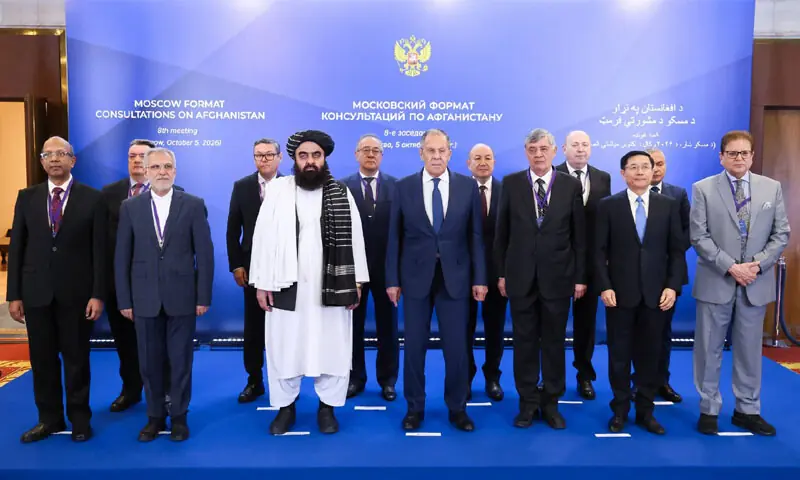
Moscow, which has hosted Taliban officials for several forums in recent years, is also looking to use Afghanistan as a transit hub for gas exports to Southeast Asia.
“Moscow will continue its course on developing political, trade and economic ties with Kabul,” Russia’s Foreign Minister Sergey Lavrov said in October last year.
Other Asian countries have also improved ties with the Taliban in recent years, though no state has moved to fully recognise it.
In 2023, Kazakhstan took the group, which has banned girls’ education and restricted women’s movement, off its list of “terrorist organisations”. Kyrgyzstan followed suit last year.
China, India, Saudi Arabia, the United Arab Emirates, Qatar and Iran are among nations with embassies in Kabul, with Beijing becoming the first in 2023 to appoint an ambassador after the Taliban’s takeover.
This news is sourced from Al Jazeera and is intended for informational purposes only.