![Qatar's Emir embarks on a strategic tour to India and Iran, boosting trade, diplomacy, and regional influence amid rivalries. [Image via AFP]](https://southasiatimes.org/wp-content/uploads/2025/02/2e81135a7f5b2b80f2aec9ea7185c5d8-scaled.webp)
February 19, 2025: Islamabad: Sheikh Tamim bin Hamad Al Thani, the Emir of Qatar, is on a crucial diplomatic tour, visiting India and Iran to strengthen economic and strategic partnerships. After a two-day visit to India (February 17-18), the Emir arrived in Tehran on February 19 for high-level discussions with Iranian leadership. The back-to-back visits highlight Qatar’s efforts to position itself as a key player in South Asia and the Middle East amid evolving geopolitical challenges.
India Visit: Trade, Energy, and Strategic Investments
During his visit to New Delhi, Sheikh Tamim was warmly received by President Droupadi Murmu and Prime Minister Narendra Modi, with discussions focused on energy cooperation, trade expansion, and investment opportunities. Qatar is a key supplier of LNG to India, providing over 50% of its liquefied natural gas imports. To deepen economic ties, Doha announced a $10 billion investment package in infrastructure, renewable energy, and digital technology in India.
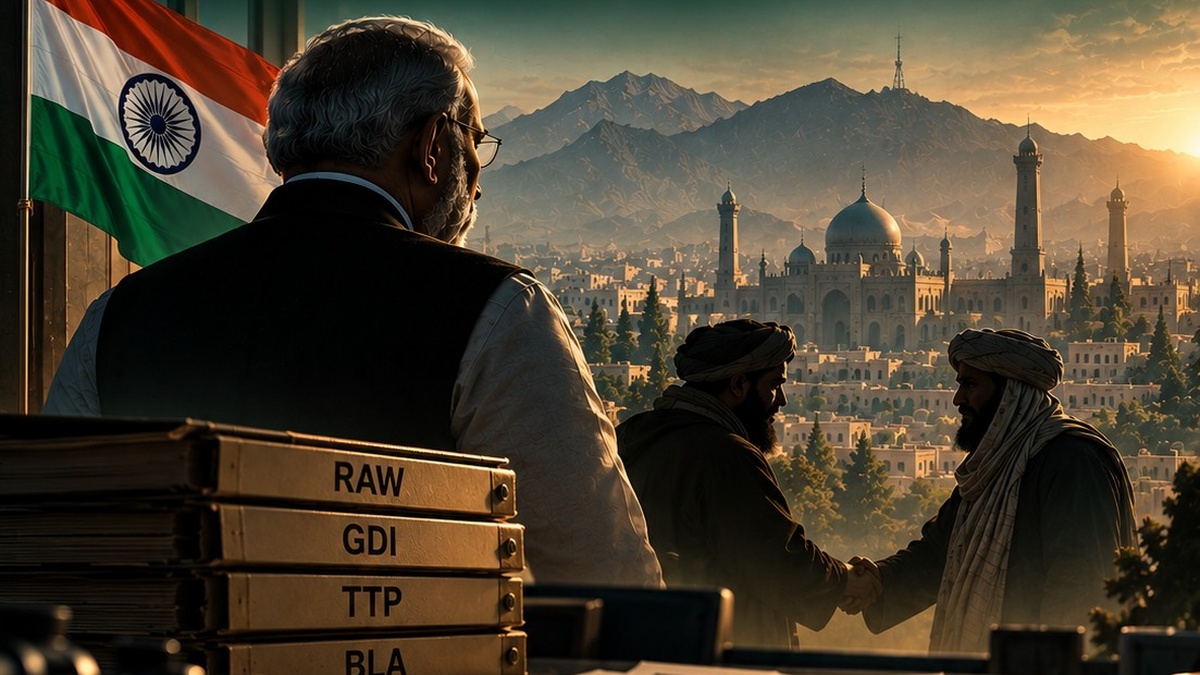
Despite Modi’s embrace of the Qatari leader, his domestic politics tell a different story. Hate at Home, Hugs Abroad—while Modi blames the Mughals for his failures and his supporters lynch Muslims and bulldoze their homes, he readily embraces Gulf rulers for financial and diplomatic gains. His Hindutva agenda, it seems, is merely a weapon for electoral victories, discarded when power demands pragmatism.
Iran Visit: Strengthening Ties Amid Sanctions
On February 19, Sheikh Tamim landed in Tehran, where he was welcomed by Iran’s newly elected President Masoud Pezeshkian. The discussions revolved around trade, security, and regional stability, with Qatar looking to enhance economic cooperation despite U.S. sanctions on Iran. Both nations share the South Pars/North Dome gas field, the largest natural gas reserve in the world, making energy collaboration a key focus.
Additionally, Qatar and Iran have vested interests in Afghanistan, particularly in shaping the Taliban’s policies. Qatar, which hosts the Taliban’s political office in Doha, has played a mediatory role between the group and the West. Meanwhile, Iran, with its historical and ethnic ties to Afghan factions, continues to exert influence within the country.
Saudi-Qatar Rivalry and The Region
The Emir’s diplomatic tour also plays into the ongoing Saudi-Qatar rivalry, especially concerning Afghanistan and regional power struggles. While Qatar has taken a frontline role in engaging the Afghan Taliban, Saudi Arabia has pursued a more measured approach, leveraging soft power and humanitarian assistance.
Pakistan, traditionally aligned with Saudi Arabia, has also strengthened ties with Qatar for economic support and energy security. As Riyadh and Doha compete for influence, Islamabad must carefully navigate its relationships with both Gulf states while ensuring its strategic interests remain intact.
Also See: First Muslim Woman Ambassador of Sri Lanka Begins Mission in Qatar
Geopolitical Takeaway: Qatar’s Expanding Influence
Sheikh Tamim’s India-Iran tour signals Doha’s growing geopolitical ambitions. By expanding trade with India, deepening economic ties with Iran, and maintaining its influence in Afghanistan, Qatar is positioning itself as a diplomatic heavyweight in South Asia and the Middle East.
However, the visit brings into focus India’s nuanced foreign policy approach. While domestic political narratives often employ divisive rhetoric and policies targeting Muslims, New Delhi simultaneously prioritizes deepening economic and strategic relations with key Islamic nations. This duality raises pertinent questions about the pragmatism versus ideological rigidity in India’s external engagements, especially in the context of its economic dependencies on Gulf nations.
As regional dynamics evolve—with Saudi-Qatar competition shaping the Gulf, Iran’s strategic recalibration, and Afghanistan’s continued instability—Qatar’s diplomatic engagements will likely have broader implications. Its balancing act between major stakeholders signals a calculated foreign policy approach, aimed at securing long-term economic and strategic dividends while reinforcing its role as a critical regional intermediary.

Your trusted source for insightful journalism. Stay informed with our compelling coverage of global affairs, business, technology, and more.