Pro-Peace Rhetoric Pakistan offers Peace Talk to India

In the past month, Pakistani Foreign Minister Shah Mehmood Qureshi has visited several middle eastern countries. During which he conveyed the message of cooperation of respective countries with Pakistan and repeated one thing; Pakistan is ready for peace only if India is ready for it.

Pakistan Demands India to Reconsider its Unilateral Decision

On Sunday Shah Mehmood made it very clear that if India was able to reconsider the unilateral decisions it made on August 5, 2019, Pakistan would be happy to hash out conflicts and address unresolved issues through dialogue.

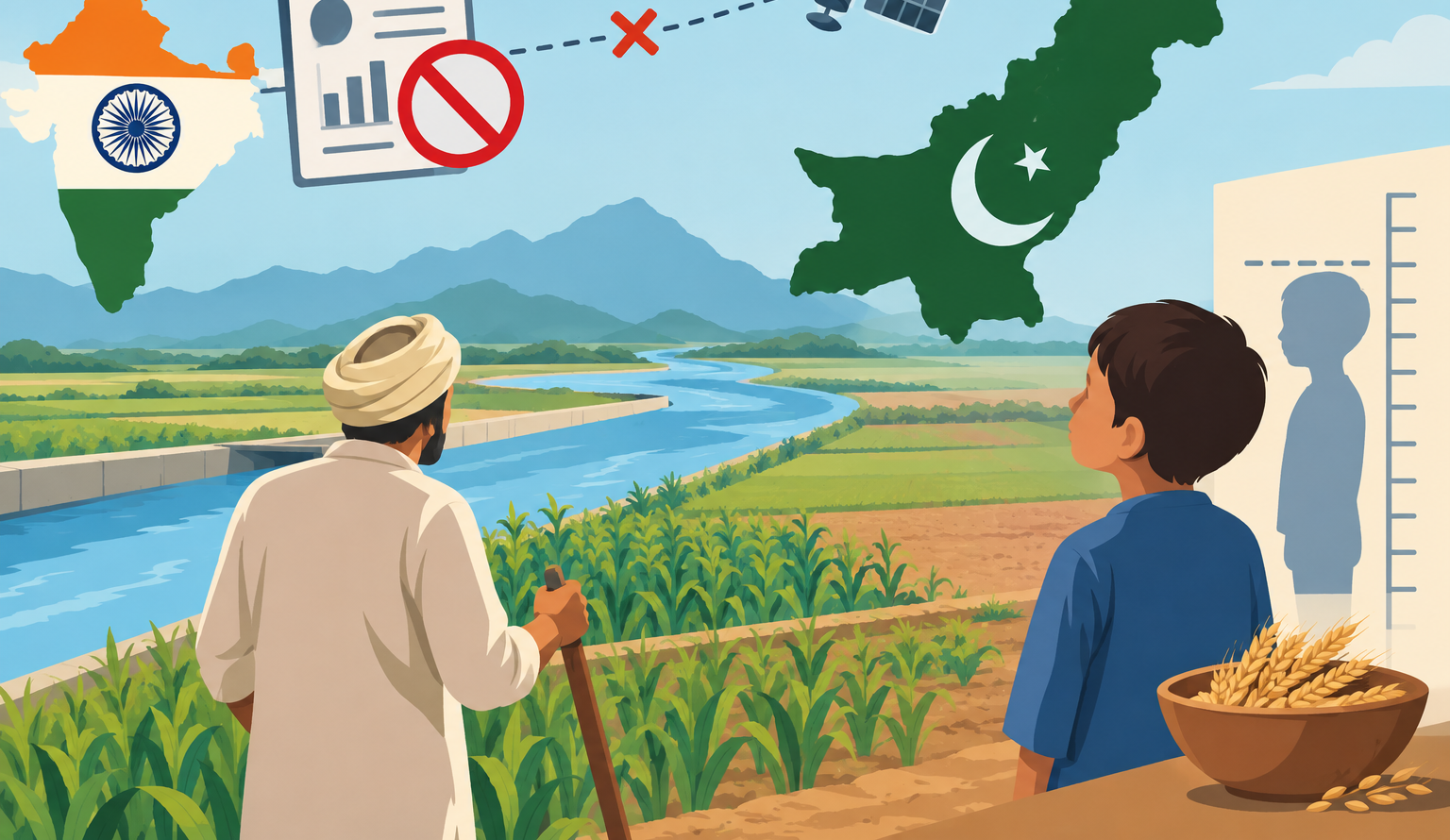
He said that Pakistan and India have unresolved problems such as Kashmir, Siachen, Sir Creek, water, and other minor issues. The FM suggested that dialogue was the only sensible way forward. He went on to say that India\’s unilateral steps on August 5, 2019, violated international law. It also violated the UN Security Council resolutions.

However, he described a recent development as a promising development. He remarked that both sides\’ director general of military operations recommitted to a truce during a discussion.

However, Shah Mehmood says that India recently expressed an interest in promoting peace. The Pakistani and Kashmiri leadership accepted and embraced this. He further stated that this peace-loving behaviour has helped to reduce tensions.

Pakistan a Pro-Peace Nation

The peace talks and ease of tensions have surfaced since 25th February 2021 revival of the 2003 ceasefire agreement by both sides’ military. During a public announcement, the Premier and COAS both spoke on the chances of conditional peace between both nations.

Since then, Pakistan’s foreign office has been vocal about this offer in every regional state. Pakistan is cashing the statement to depict itself as a pro-peace nation. Pakistan also coined the statement that “India must create an environment for peace”. This statement came in as India was not fond of opting for such peace talks. However since this statement came out, India is on the run to clear its name in its role from regional tensions.

UAE as a Mediator

There were also mentions that in these mediations, UAE is also involved. This name came forward when the news of meeting of Pakistan and Indian intelligence official meeting in Dubai surfaced in the media.

Nonetheless, some analysts still say that things aren\’t as smooth as depicted. It also came out after a US intel report came out stating that a war between two nuclear powers is inevitable.

News Desk

Your trusted source for insightful journalism. Stay informed with our compelling coverage of global affairs, business, technology, and more.
Recent

Afghanistan’s Trade Boycott: Strategic Miscalculation With Fiscal Consequences

Afghanistan’s Trade Boycott: Strategic Miscalculation With Fiscal Consequences

Afghanistan’s 2025 trade boycott of Pakistan exposes a strategic miscalculation. Despite efforts to shift toward Iran and Central Asia, Kabul remains structurally dependent on Pakistan’s mature trade corridors, customs revenue, labour mobility, and logistical efficiency. Alternative routes carry higher costs, sanctions risks, and operational delays, leaving the Taliban with mounting fiscal losses and regional constraints.

Read More »
The Defund Taliban Campaign

The Defund Taliban Campaign

The Defund Taliban Campaign examines how indirect US funding and a $7 billion abandoned arsenal have turned the Taliban into a regional force multiplier for militant groups.

Read More »
The Taliban’s new fatwa banning foreign militancy signals a shift in doctrine, but rising regional attacks and ideological fractures raise questions about its enforceability.

Doctrine vs Reality: Can the Taliban Enforce Their Ban on Foreign Militants?

The Taliban’s new fatwa banning foreign militants has been hailed by officials in Kabul as a decisive theological shift. But rising attacks in the north, continued TTP operations, and mounting pressure from Washington expose a widening gap between doctrine and reality. As regional powers demand proof of enforcement, the decree risks becoming another symbolic gesture unless it translates into measurable action on the ground.

Read More »
Deconstructing the Pakistan-Afghanistan Economic Crisis

Deconstructing the Pakistan-Afghanistan Economic Crisis

The Pakistan-Afghanistan trade freeze is widely framed as a punitive economic move, yet its roots lie in a severe security breakdown emanating from Afghan territory. Pakistan’s transit closures are reactive, not aggressive, and Afghanistan’s deep logistical dependence on Pakistani routes exposes the crisis as geopolitical, not commercial.

Read More »
Criminalising Dissent: How New Laws and “Public Order” Politics Are Shrinking Democratic Space in India

Criminalising Dissent: How New Laws and “Public Order” Politics Are Shrinking Democratic Space in India

India is witnessing a steady erosion of democratic freedoms as broad security laws, digital surveillance, and administrative restrictions redefine dissent as a threat rather than a constitutional right. From expanded use of UAPA and IT Rules to routine protest crackdowns and shrinking academic space, the cumulative impact is a quieter and increasingly constrained civic sphere.

Read More »