In exchange for investment in environmental initiatives, such as conservation activities, Pakistan will sign four debt relief agreements with; Germany, Italy, Canada, and the United Kingdom.
Ins and Outs About the Agreement
“On 5th June the Debt-for-Nature (DFN) agreement memorandum of understanding will be signed,” Zartaj Gul, Pakistan’s Minister of State for Climate Change told the Arab News.
Under the DFN agreement, the creditor country is committed to reducing debtors’ outstanding payments by relocating the money to conservation and climate-related expenditures, according to the UN development program.
Further, Ms Gul informed that during the negotiations, the creditors guaranteed to liberate Pakistan from its loans. This is in exchange for its commitment to addressing Climate Change and environmental conservation.
Pakistan owes 11.54 billion dollars to the Paris Club, including 1.42 billion dollars to Germany, 175 million dollars to Italy, 5 million dollars to the UK and 403 million dollars to Canada.
‘We will not repay the loans but will make progress in restoring the natural environment. Whether it be conserving biodiversity or restoring them or creating green employment.’ Ms Gull added.
In addition, she explained that the signing of the DFN agreement was part of the World Environment Day event. This year, for the first time, Pakistan hosted World Environment Day.
Pakistan’s Environmental Initiatives to Meet the Challenge of Climate Change
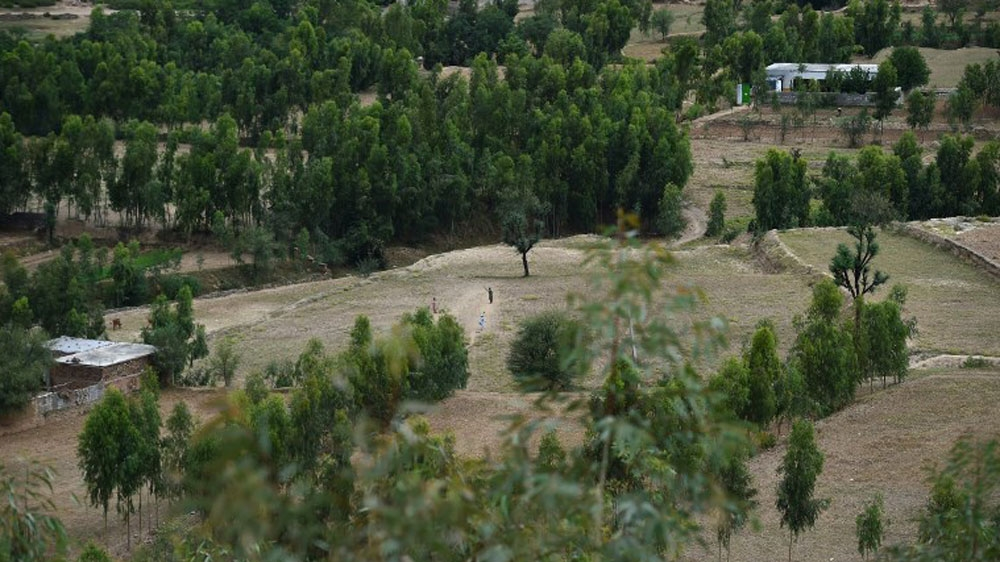
Additionally, Pakistan has qualified for the DFN contract. Which was based on its conservation effort performance, including the 10 billion tree tsunami program. Ms Gul reiterated that Pakistan would attempt to emphasize environmental challenges. Pakistan will also highlight the environmental initiatives of the country and their involvement in international efforts.
In order to fight the adverse weather conditions that scientists associate with Climate Change, Pakistan’s Prime Minister Imran Khan started a 5-year tree-planting effort, which began in 2018.
Additionally, Ms Gul highlighted that Pakistan has done its natural preservation work, thereby its portfolio is highly reliable. It reflects Pakistan’s dedication to the fight against Climate Change. The international community also applauds Pakistan for its efforts. In the past 3 years, Pakistan established multiple environmental conservation projects. These included; 10 billion tree tsunami program, the Clean Green Pakistan, the rehabilitation of the ecosystems, the plastic bag ban and recharge Pakistan. Pakistan also established 23 national parks.
Pakistan Effectively Working Its Way Through Environmental Challenges
Moreover, Ms Gul added, ‘we hope to convey to the world and Pakistan the good news. Pakistan is now moving forward with some DFN countries (deal).’ However, the exact value of the agreement remains uncertain. According to Ms Gull, it would be determined after the countries have ratified the pact.
In the current circumstances, this is a long-term and non-payable debt. Instead of simply reducing the debt burden of Pakistan, natural solutions in exchange for debt relief will help the environment throughout the country and in the whole region.
Pakistan is the 5th most vulnerable state to Climate Change, hence it is high time to work on climate change and its deleterious impacts owing to Pakistan’s dependency on the agriculture sector. Policies and actions taken by the current government are praiseworthy. The only need is the diligence of these actions and policies. Without continuity and persistent work, it will uphill for Pakistan to meet the challenges of Climate Change in decades to come.

Your trusted source for insightful journalism. Stay informed with our compelling coverage of global affairs, business, technology, and more.