Lingering Impact of Tariffs of Trump on Global Trade Relations

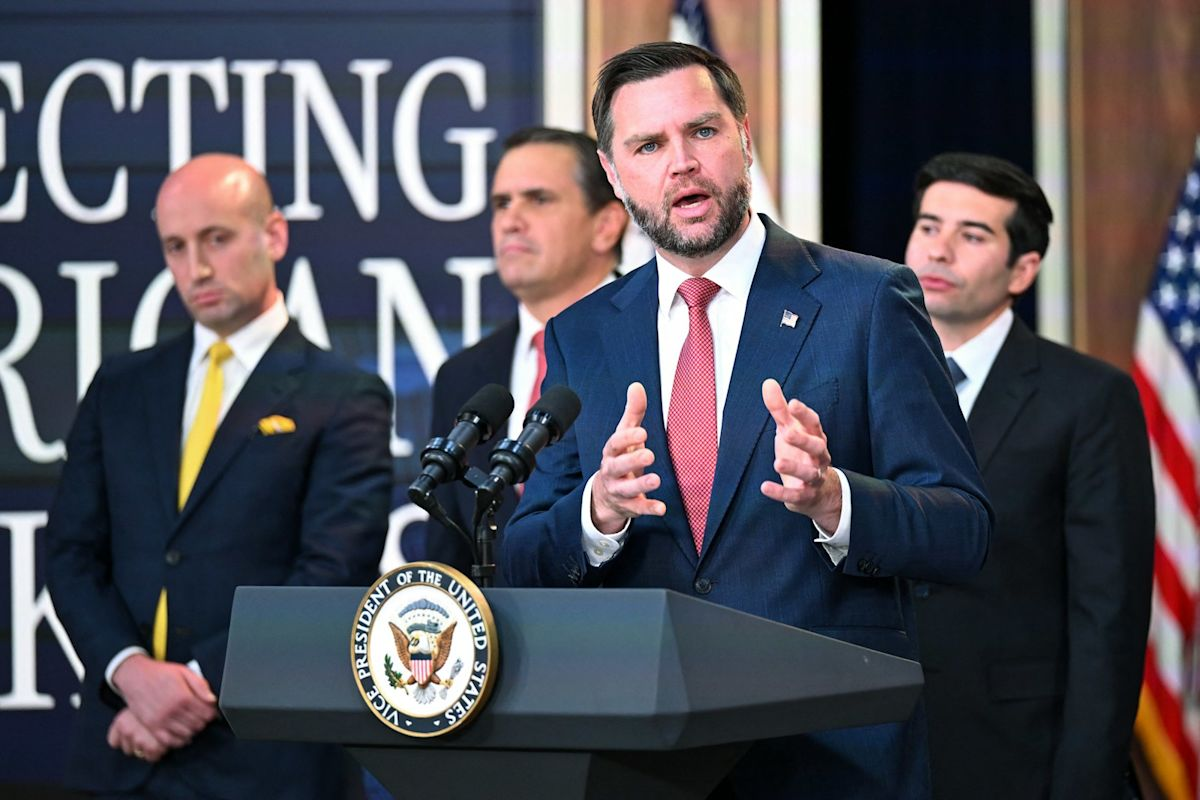
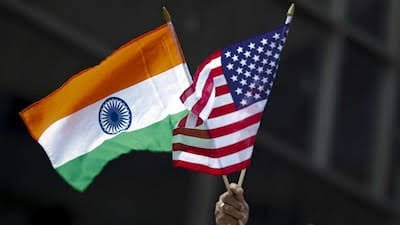
Tariffs of Trump on China, Mexico, and Canada reshaped global trade, creating lasting economic and diplomatic impacts. [Image via AP]

The tariffs imposed by former President Donald Trump on China, Mexico, and Canada marked a significant shift in global trade policies. These trade wars were not only economic standoffs but also had long-term consequences that continue to shape international relations and trade agreements.

Trump’s strategy aimed to address what he viewed as unfair trade practices, particularly from China, which led to the imposition of tariffs worth billions of dollars. These tariffs, meant to reduce the trade deficit, were initially successful in creating a trade agreement between the US and China but also led to retaliatory tariffs from China on American goods. Similarly, Mexico and Canada were subject to steep tariffs on steel and aluminum, which further fueled tensions. While the tariffs were intended to protect American industries, they also led to higher costs for consumers and disrupted global supply chains.

Also See: Trade War Looms as Trump Introduces 10% Tariff on Chinese Goods

The tariffs were part of Trump’s broader “America First” policy, designed to prioritize US industries and reduce trade deficits with major trading partners. While the tariffs generated revenue for the US government, they sparked fierce opposition from various sectors, especially agriculture and manufacturing, which faced negative repercussions. The trade wars resulted in significant economic shifts, both for the US and its trading partners.

While Trump’s administration negotiated trade deals such as the US-Mexico-Canada Agreement (USMCA) to replace NAFTA, the broader impact of his tariffs is still being felt today. These policies (in particular the tariffs by Donald Trump) continue to influence global trade dynamics, with countries now reconsidering how they engage with the US. Ultimately, the legacy of these trade wars presents ongoing challenges for international diplomacy and economic cooperation.

This news is sourced from Indian Express and is intended for informational purposes only.

News Desk

Your trusted source for insightful journalism. Stay informed with our compelling coverage of global affairs, business, technology, and more.

Recent

Broken Promises: The Taliban’s Betrayal of Global Commitments

Broken Promises: The Taliban’s Betrayal of Global Commitments

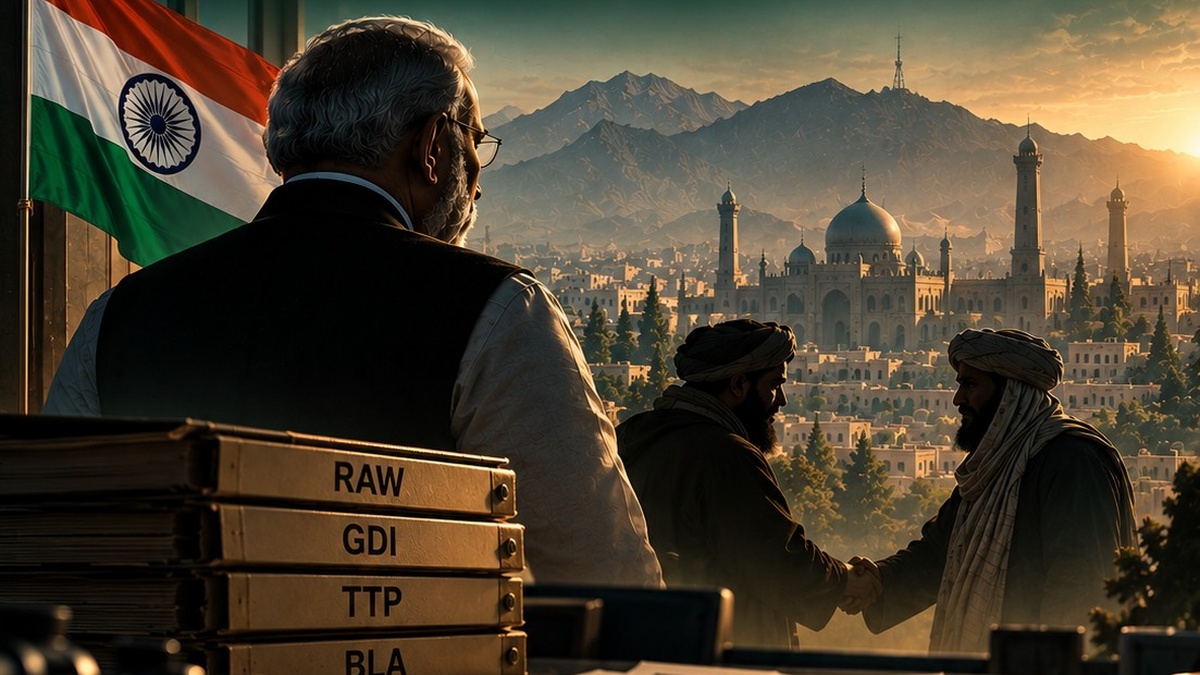
Nearly three years after seizing power, the Taliban’s systematic violation of their international commitments under the 2020 Doha Accord has transformed Afghanistan into a sanctuary for terrorism, entrenched an autocratic regime, and institutionalized gender apartheid. Beyond moral failure, this deceit poses a grave threat to regional stability, international counterterrorism efforts, and the credibility of global diplomacy. Holding the regime accountable is now a strategic necessity, not a choice.

Read More »
Do You Remember 6/11/ 1947?: A Forgotten Jammu Genocide and the Continuing Erasure of Kashmiriyat

Do You Remember 6/11/ 1947?: A Forgotten Jammu Genocide and the Continuing Erasure of Kashmiriyat

On November 6, 1947, one of South Asia’s earliest genocides unfolded in Jammu, where hundreds of thousands of Muslims were massacred or forced to flee. Yet, unlike other global tragedies, this atrocity remains buried in silence. The Jammu Genocide not only reshaped the region’s demography but laid the foundation for India’s ongoing campaign of identity erasure in Kashmir. From demographic engineering to cultural censorship, the spirit of Kashmiriyat continues to face systematic annihilation.

Read More »
India’s Climate Policy after COP28: Net Zero 2070 — A Fair Promise or a Risky Postponement?

India’s Climate Policy after COP28: Net Zero 2070 — A Fair Promise or a Risky Postponement?

India’s Net Zero 2070 target reflects a delicate balance between development equity and climate urgency. While progress in renewables, green finance, and adaptation is visible, the absence of clear interim milestones risks turning ambition into delay. The real challenge lies in translating a distant horizon into measurable, near-term climate action before 2030.

Read More »
The Tehreek-e-Hijrat of 1920 and Its Parallels with Contemporary Refugee Politics

The Tehreek-e-Hijrat of 1920 and Its Parallels with Contemporary Refugee Politics

The Tehreek-e-Hijrat of 1920 saw thousands of Indian Muslims migrate to Afghanistan, only to be turned away when Kabul could no longer cope. A century later, Afghan officials criticise Pakistan’s refugee policies while ignoring their own historical refusal to host Muslim migrants. The parallel reveals not just irony, but the enduring challenge of compassion, capacity, and collective responsibility.

Read More »
Playing the Victim: How the Taliban Endorse and Amplify Online Propaganda Against Pakistan

Playing the Victim: How the Taliban Endorse and Amplify Online Propaganda Against Pakistan

Following the October 2025 border clashes, the Taliban have shifted their battlefield online, using propaganda, selective history, and digital disinformation to paint Pakistan as the aggressor. Through controlled media releases, colonial-era references, and victimhood narratives, Kabul seeks to manipulate regional perception and deflect blame for its own failures.

Read More »