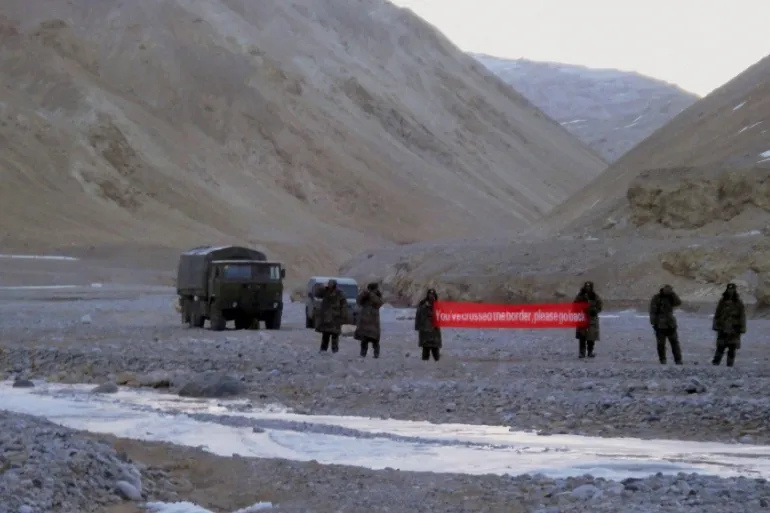
After having military level negotiations over border disputes in the Ladakh area both sides India and China agree to resolve the issue via dialogue. India’s Ministry of External Affairs, in a statement on Sunday, said that both sides agreed to peacefully resolve the situation “following various bilateral agreements.”
“Both the sides also noted that this year marked the 70th anniversary of the establishment of diplomatic relations between the two countries and agreed that an early resolution would contribute to the further development of the relationship, ” the press release said.
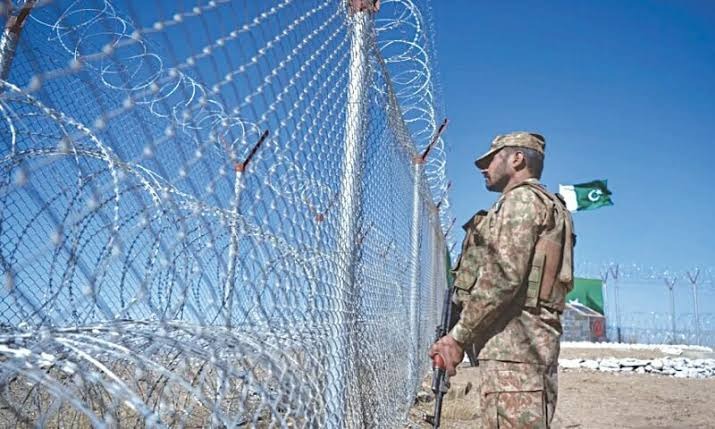
A military delegation headed by Lt Gen. Harinder Singh, an officer of Leh-based 14 Corps, held hours-long negotiation with the Chinese delegation led by Major Gen. Liu Lin, commander of the South Xinjiang military district, at Moldo on the Chinese side of the Line of Actual Control (LAC). It is borderline that isolates Indian-controlled region from Chinese-controlled area.
This was the primary top military-level gathering since the stalemate that started in May.
The clashes have prompted the military officers from the two sides in the Galwan Valley in the Himalayan locale, blaming each other for intruding.
” India is in talks with China. We have a mechanism to solve the problem and we are working as per that mechanism. Nothing better if it can be resolved through talks,” Rajnath Singh, India’s defense minister, had tweeted a week ago.
Border disputes between the two countries have a history of many years starting from the 1962 war.
A week ago, Chinese Foreign Ministry representative Zhao Lijian said ” diplomatic and military communication channels between China and India on the border issue are open,” including that the issue will be settled soon.

Muhammed Saad, an author and independent researcher, focuses his inquiries on matters concerning regional affairs.