The Chinese state councilor and foreign minister Wang Yi on Monday hosted a virtual meeting with foreign ministers of Afghanistan, Nepal, and Pakistan. He advocated cooperation among the four nations for better economic ties and efforts against the COVID-19 pandemic. During his address, he emphasized on boosting economic recoveries through regional connectivity projects.
Similarly, the Councillor outlined four proposals during the virtual meeting for the above-mentioned countries. This includes cooperation and connectivity under China’s Belt and Road initiative. China has proposed an extension of the China Pakistan economic corridor to Afghanistan. As well as an extended economic corridor plan with Nepal. Under the name of the Trans-Himalayan Multi-dimensional Connectivity network.
Synergize CPEC & Trans-Himalayan multi-dimensional connectivity network
Furthermore, more efforts are underway to promote the joint efforts of the Belt and Road and explore ways to synergize the China-Pakistan Economic Corridor (CPEC) and the Trans-Himalayan Multi-Dimensional Connectivity Network, the foreign ministers said.
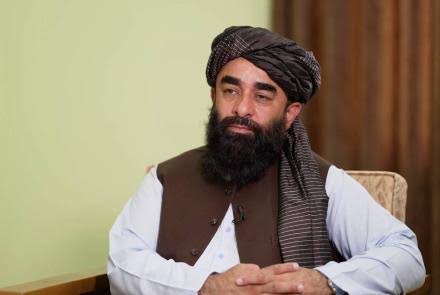
Additionally, Afghanistan’s acting Foreign Minister Mohammad Haneef Atmar, Nepal’s foreign minister Pradeep Kumar Gyawali, Pakistani Foreign minister Shah Mahmood Qureshi, and Pakistan’s Economic affairs minister Khusro Bakhtiar attended the virtual conference. The foreign ministers also stressed the importance of promoting the resumption of key cooperation projects and expanding new areas of digital cooperation.
Four countries consolidate consensus of solidarity against COVID-19
According to Chinese Xinhua news agency, Chinese State Councilor and Foreign Minister Wang Yi said that as a neighbor and partner, China stands ready to continue to work with Afghanistan, Pakistan. Including safeguarding people\’s health and promoting the resumption of work. Additionally, production and enhancement of people\’s livelihood until a vaccine for the virus is developed.
Joint efforts to prevent and control pandemic
Moreover, Foreign Minister Wang Yi said these countries should jointly reject politicizing or stigmatizing virus. He also called on efforts to strengthen coordination in anti-epidemic prevention. As well as control and promote cooperation in vaccine research, as well as the economic recovery
Ministers from Afghanistan, Pakistan, and Nepal said the three sides are willing to deepen cooperation with China to fight COVID-19. Ensuring the flow of trade and transport corridors, facilitate people-to-people and trade connection. As well as build a \”silk road of health\” and community of a shared future for humanity.

Your trusted source for insightful journalism. Stay informed with our compelling coverage of global affairs, business, technology, and more.