Defence & Strategy

Before and After Panjshir: How Anti-Taliban Forces Are Adapting to a Long Insurgency

Before and After Panjshir: How Anti-Taliban Forces Are Adapting to a Long Insurgency

December 2025 marked a turning point in Afghanistan’s post-2021 resistance. Coordinated, intelligence-driven attacks across Kunduz and Badakhshan signaled that anti-Taliban forces have moved beyond symbolic defiance into a sustained campaign of urban-centric insurgency. Deprived of territory, external patrons, and conventional warfare options, groups like the NRF and AFF are adapting through mobility, information warfare, and selective strikes, pointing toward a long war defined by endurance rather than frontlines.

Read More »
Mirage of Indigenization

Mirage of Indigenization

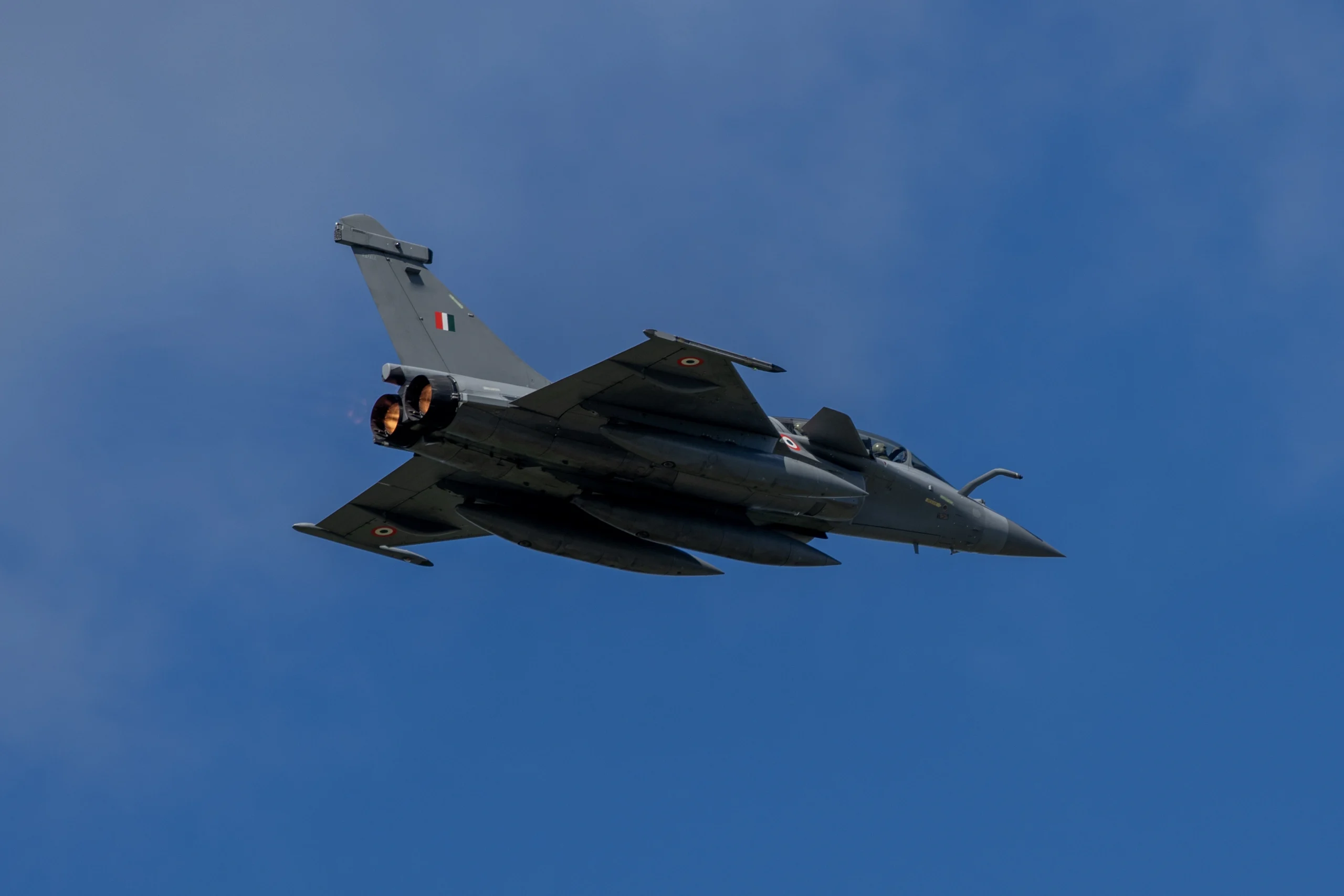
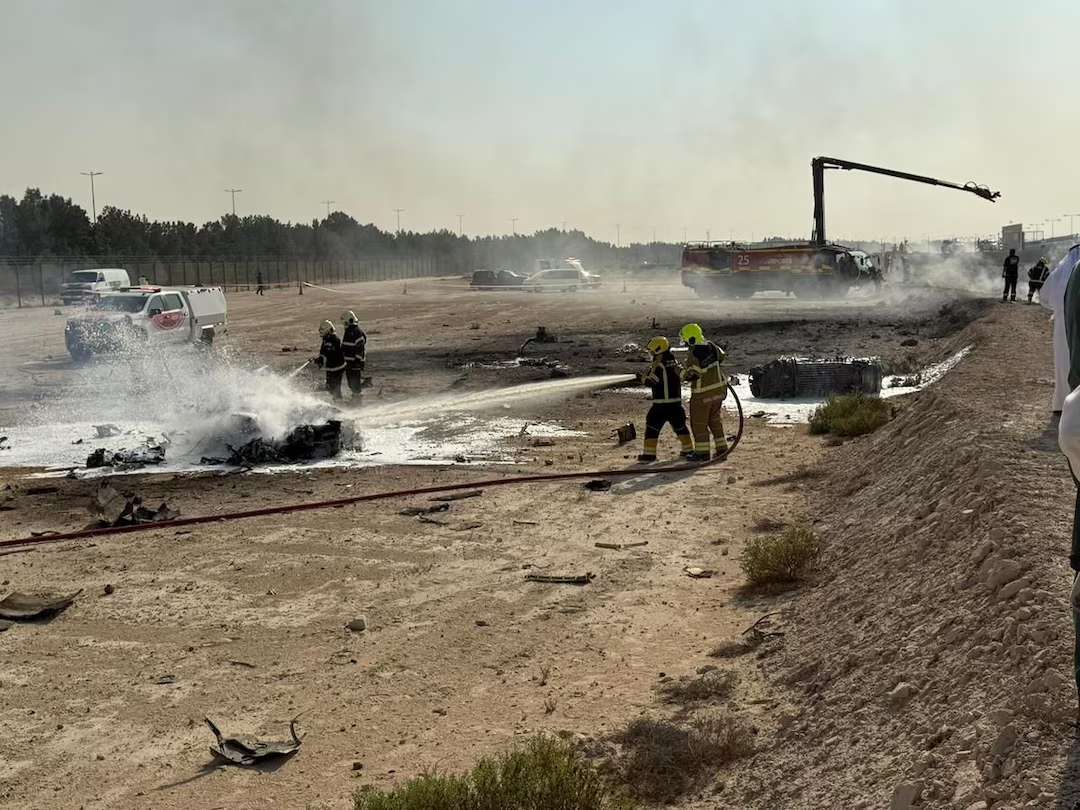
The crash of a Tejas fighter at the Dubai Air Show has exposed deep structural flaws in India’s flagship indigenous aircraft program. With two airframes lost in under two years and only a few hundred verifiable flying hours, the incident raises fresh questions about the LCA’s safety, its decades-long delays, and the strategic vulnerability created by India’s dependence on aging fleets. This piece explores how the Dubai crash fits into the broader struggle of a project that was meant to symbolize self-reliance but now risks becoming a cautionary tale.

Read More »
The US Report on Pakistan’s May Win

The US Report on Pakistan’s May Win

The USCC’s 2025 report delivered a rare moment of clarity in South Asian geopolitics. By openly describing Pakistan’s military success over India, the Commission broke with years of cautious Western language and confirmed a shift many analysts had only hinted at. The report’s wording, and the global reactions that followed, mark a turning point in how the 2025 clash is being understood.

Read More »
Modern Platforms, Evolving Doctrine

Modern Platforms, Evolving Doctrine

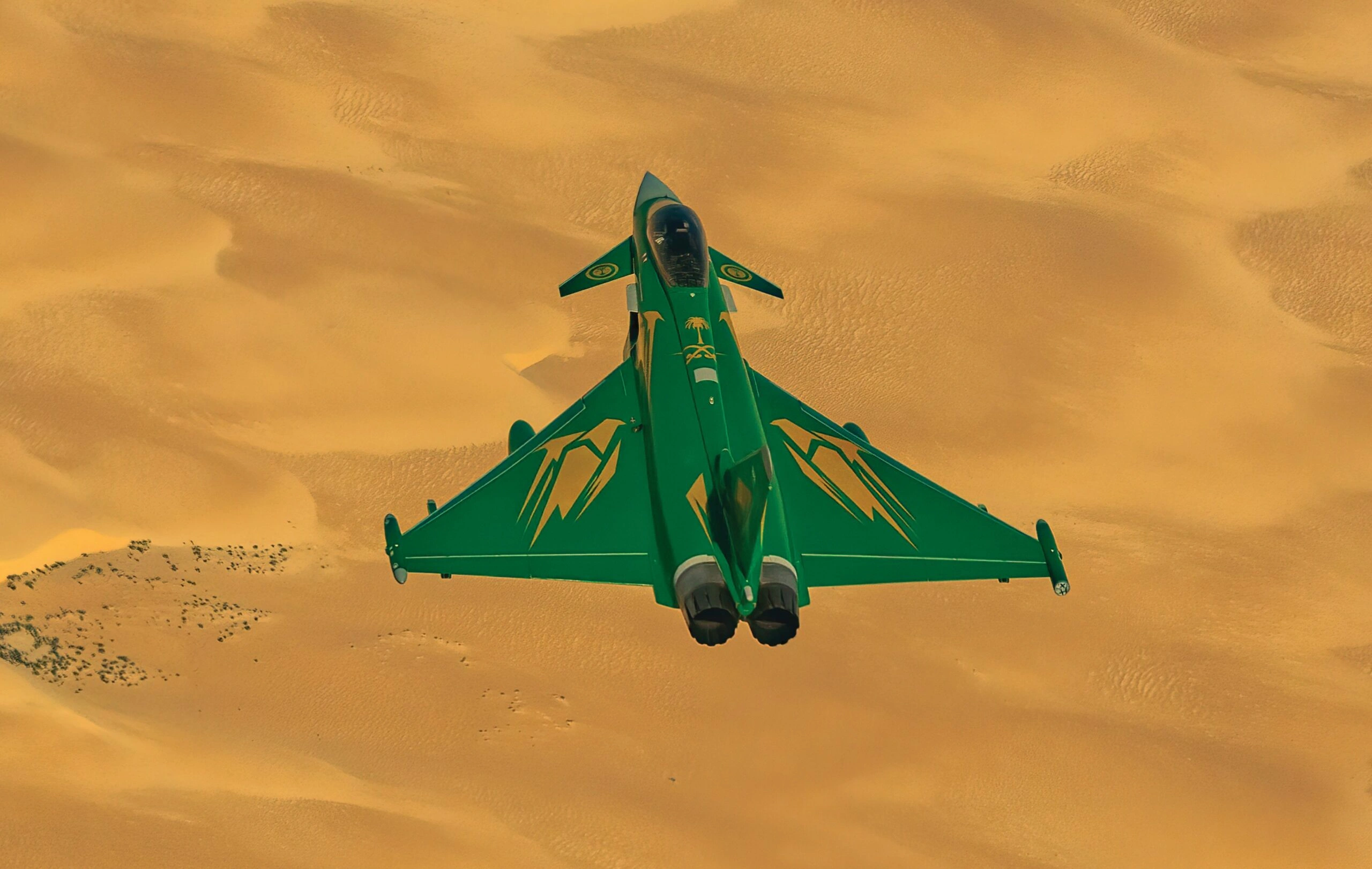
The Gulf’s air-power evolution is increasingly shaped by the fusion of advanced platforms with modern doctrine and faster decision cycles. As regional forces adapt to complex threat environments, partners like Pakistan, whose operational experience spans multiple domains, are becoming part of the broader conversation on future air-power thinking.

Read More »
Saudi Arabia and Pakistan signed a historic defence pact, building joint deterrence and reshaping security across the Gulf and South Asia.

Saudi–Pakistan Defence Deal: The Geopolitical Significance

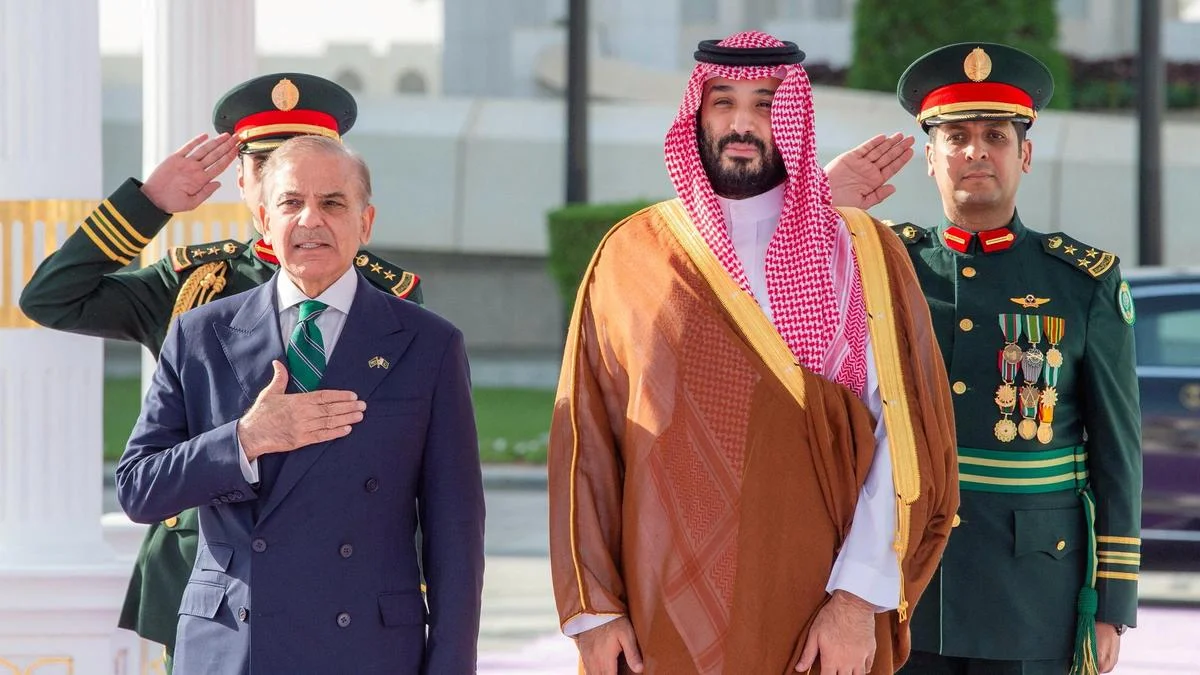
In a shifting multipolar world, Saudi Arabia and Pakistan have formalized a landmark mutual defence pact marking a new era in regional security. The agreement reflects Riyadh’s strategic pivot from dependence on the U.S. towards trusted partners like Pakistan, an established military power in the Islamic world. Beyond reaffirming deep-rooted bilateral ties, the pact reshapes South Asia–Gulf dynamics, deters Indian aggression, and signals a broader trend of regional cooperation amid evolving geopolitical threats.

Read More »
The New Normal: End of Pakistan’s Strategic Restraint

The New Normal: End of Pakistan’s Strategic Restraint

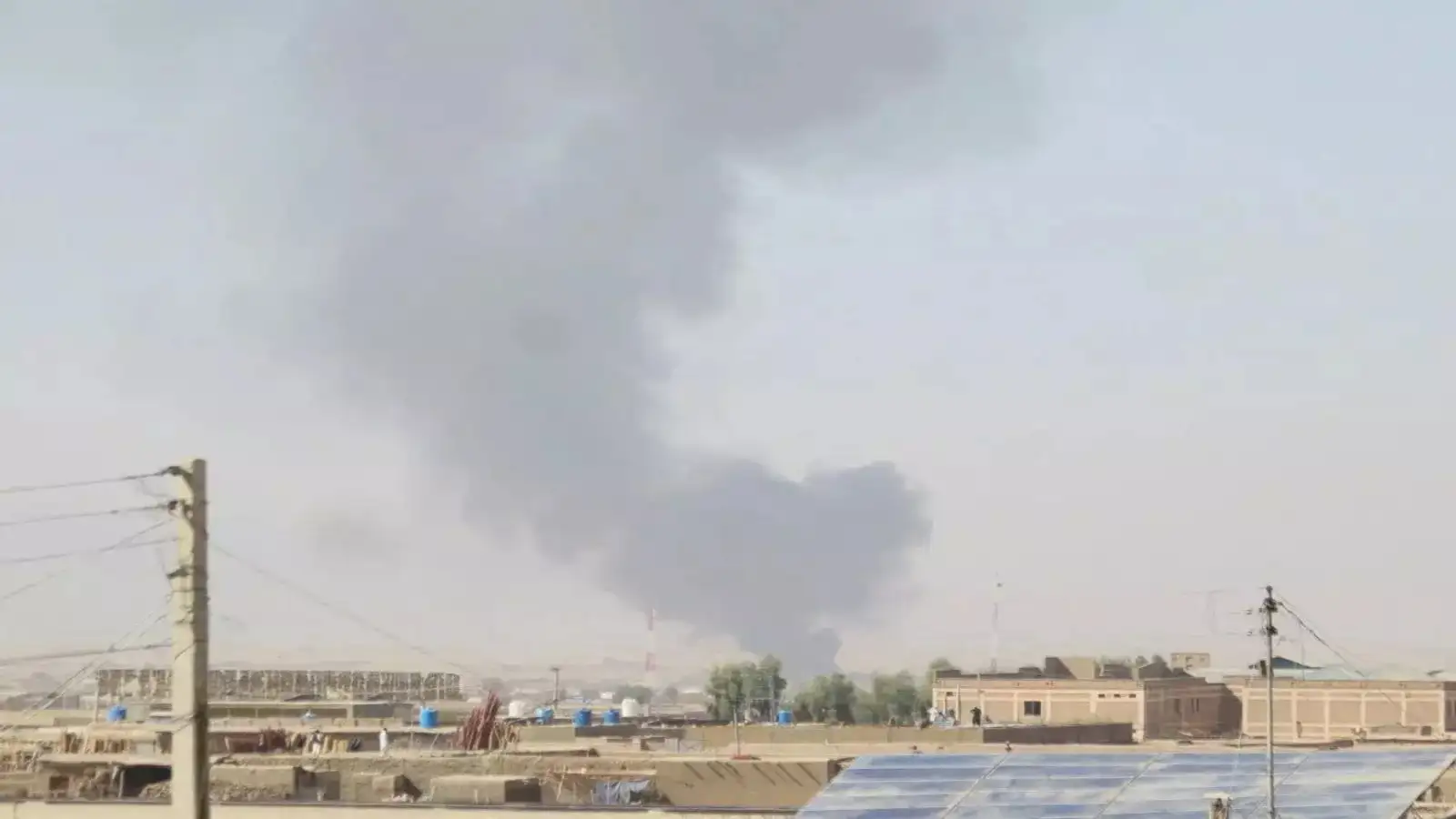
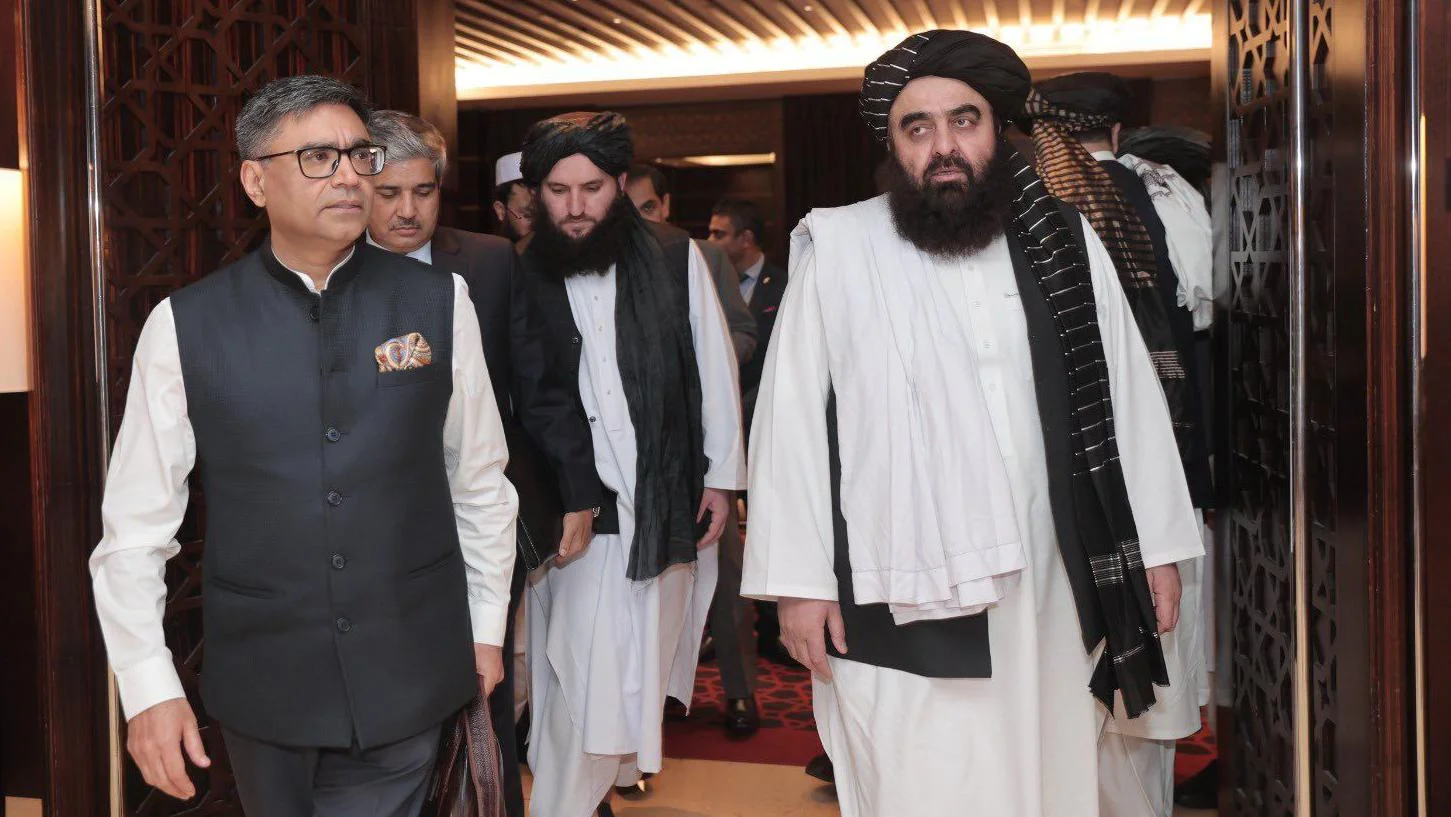
Any hope surrounding the Pakistan–Afghanistan dialogue in Doha is colliding with renewed violence and mutual distrust. Pakistan’s recent precision strikes in Paktika, following a shattered ceasefire and terrorist attacks, signal a shift toward active defense. The talks now hinge on whether Kabul can curb militant sanctuaries and move beyond its victim narrative.

Read More »
Revising the Agnipath Scheme: Preserving the Gorkha Legacy in India-Nepal Relations

Revising the Agnipath Scheme: Preserving the Gorkha Legacy in India-Nepal Relations

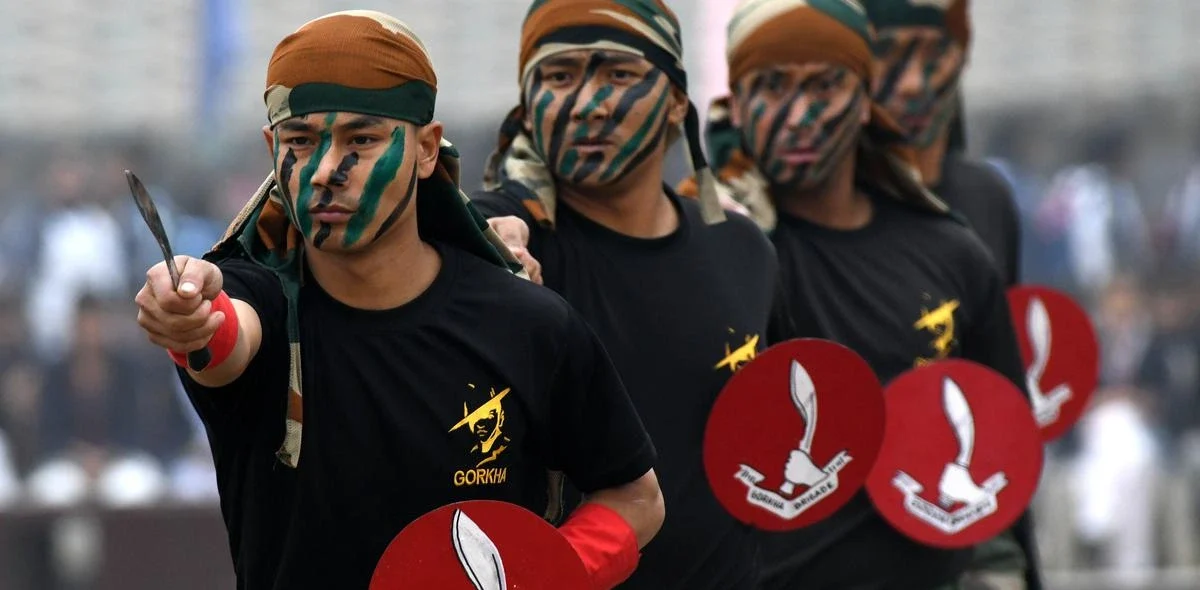
The introduction of India’s Agnipath scheme has stalled the historic Gorkha recruitment process, challenging a 200-year-old tradition and Nepal’s economic stability. This paper argues for a Hybrid Gorkha Model, a reformative structure extending service terms to 7–10 years with pension guarantees and skill development. Such a model not only preserves the Gorkha legacy but also strengthens India–Nepal bilateral ties amid evolving regional geopolitics.

Read More »
The Long War: The Historical and Ideological Roots of the Pakistan–Taliban Showdown

The Long War: The Historical and Ideological Roots of the Pakistan–Taliban Showdown

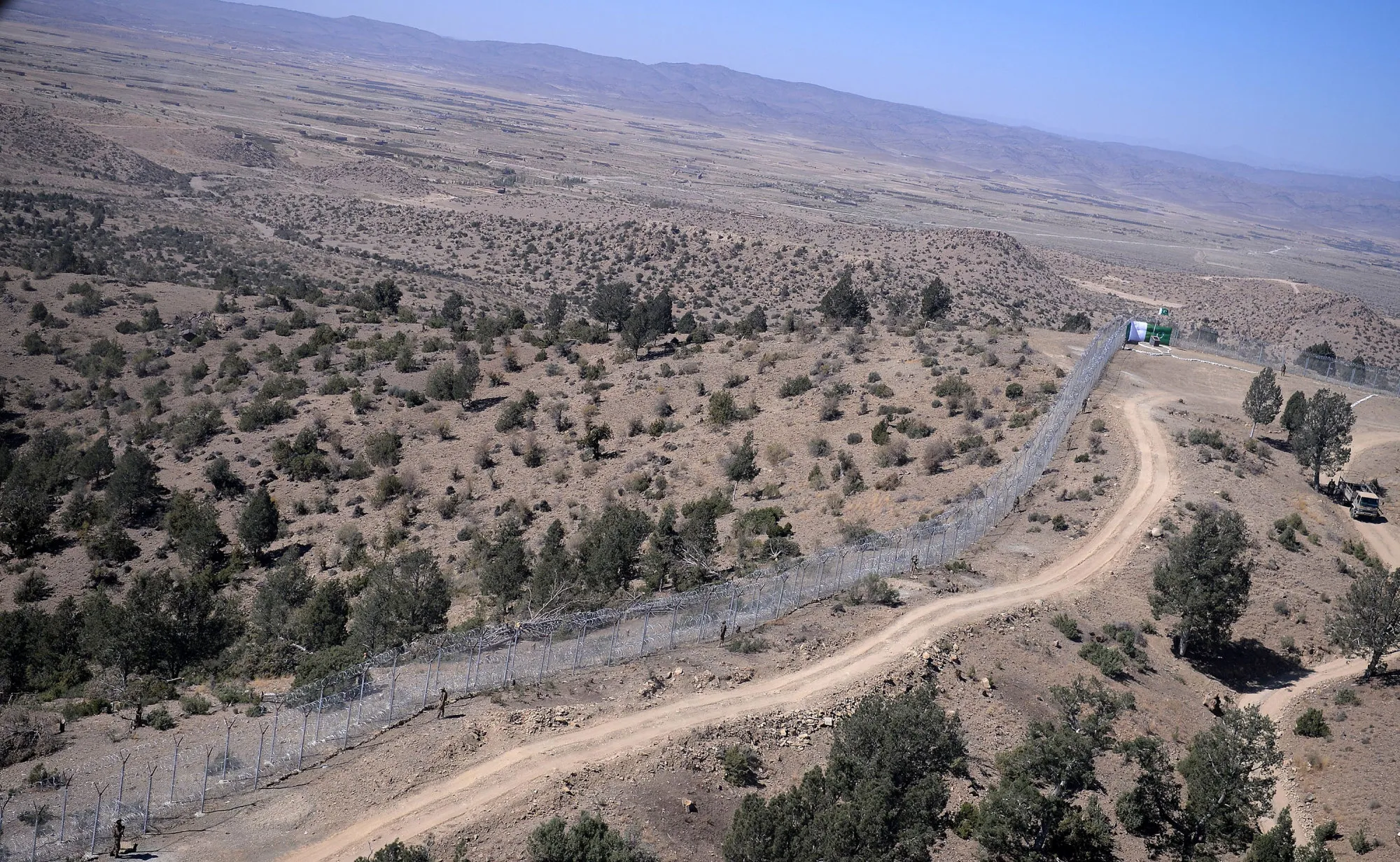
A tenuous ceasefire between Pakistan and Afghanistan’s Taliban regime has halted hostilities for now, but the calm conceals deeper fissures rooted in history, ideology, and regional rivalries. As cross-border tensions resurface, the decades-old dispute over the Border, the Taliban’s harboring of TTP militants, and India’s quiet re-entry into Kabul are reshaping South Asia’s most volatile frontier.

Read More »
Pakistan confronts a new security dilemma as the Afghan Taliban provides sanctuary to the TTP while building diplomatic ties with its adversary, India.

The Instrumentality of Asymmetry: Taliban Hedging and Pakistan’s Compounded Security Dilemma

The security architecture of South and Central Asia is undergoing a significant realignment, the implications of which are crystallizing along the Afghanistan-Pakistan border. To view the Afghan Taliban’s engagement with India and the TTP’s escalation of attacks as disconnected is to miss the emergence of a complex geopolitical dynamic. This signals a fundamental recalibration of regional relationships, forcing Pakistan to confront a renewed and more intricate security dilemma.

Read More »