Pakistan’s Nuclear Journey: From Disparity to Deterrence
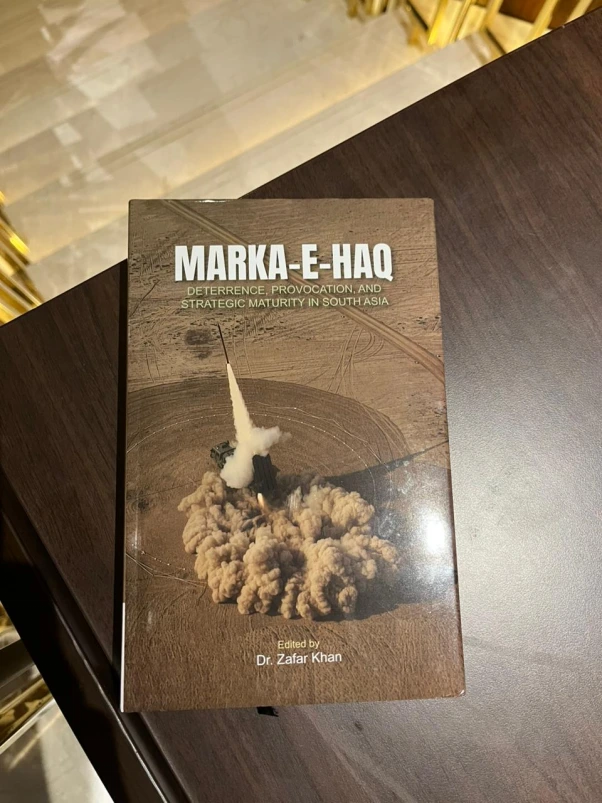
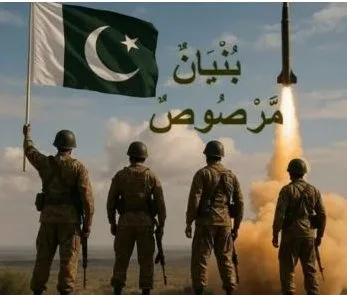
Pakistan’s emergence as a nuclear power on May 28, 1998, was shaped by deep security anxieties following the 1971 war and India’s 1974 nuclear test. Spearheaded by leaders like Zulfikar Ali Bhutto and advanced under military stewardship, the program combined scientific innovation—led by Dr. A.Q. Khan—with a covert procurement network. The 1998 Chagai tests, responding to India’s Pokhran-II, marked Pakistan’s entry into the nuclear club, framed as a bid to restore regional strategic balance. Despite immediate sanctions, international responses soon softened. Nuclearization has since fostered a fragile deterrence in South Asia—curbing full-scale war while enabling low-intensity conflict, encapsulating the region’s enduring “stability-instability paradox.
![thediplomat-2020-02-26-7 Chess pieces with Pakistan and India symbols face off amid an explosion, symbolizing rising tensions and Pakistan’s full-spectrum diplomacy manoeuvre. [Image via The Diplomat].](https://southasiatimes.org/wp-content/uploads/2025/05/thediplomat-2020-02-26-7.jpg)


![image_dc499a4e30 Sri Lanka, Pakistan hold 5th Defence Dialogue in Islamabad to boost ties, regional security, and defence cooperation. [Image via The Daily Mirror]](https://southasiatimes.org/wp-content/uploads/2025/04/image_dc499a4e30.webp)