Sri Lanka, Pakistan Hold Strategic Defence Dialogue to Boost Regional Security

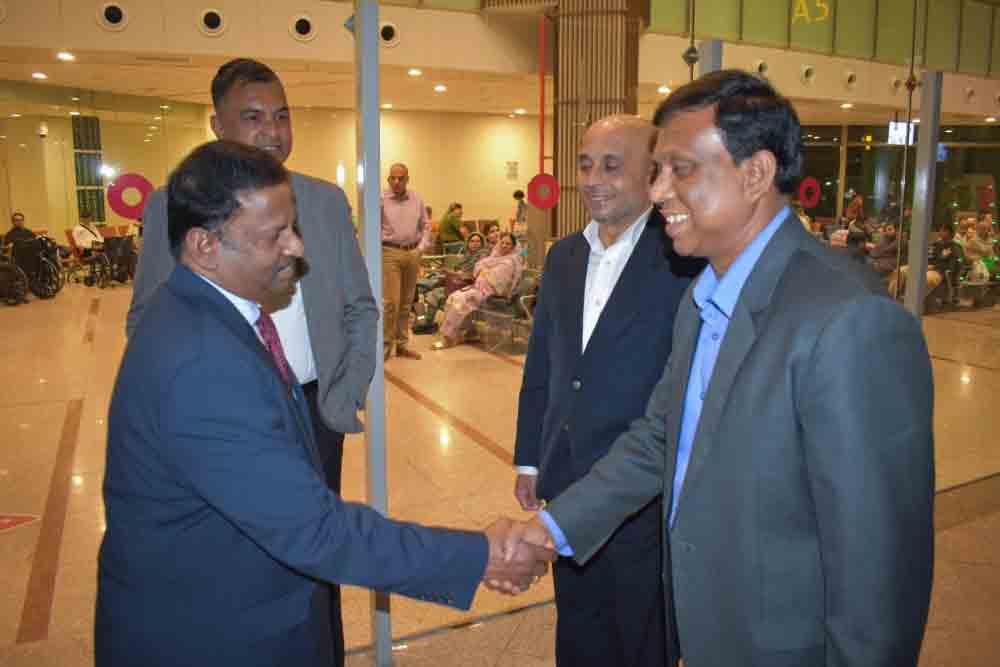
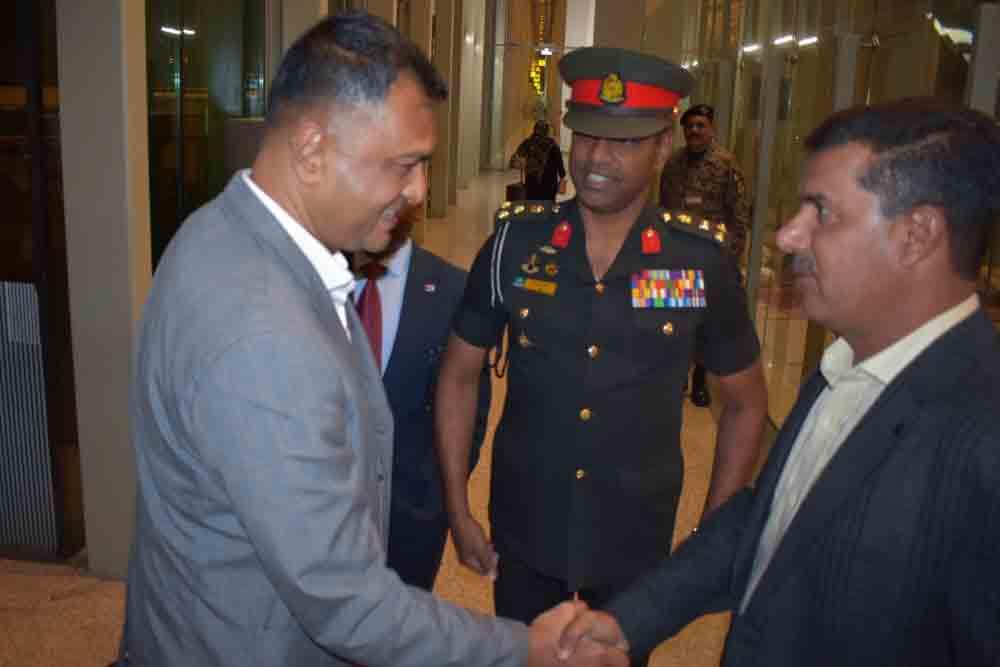
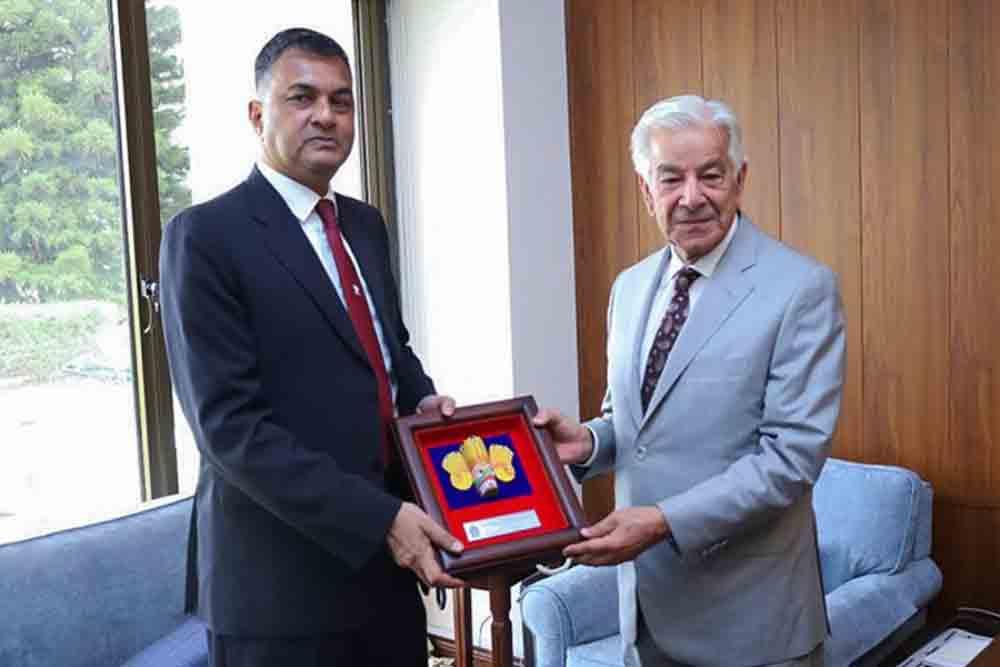
Sri Lanka, Pakistan hold 5th Defence Dialogue in Islamabad to boost ties, regional security, and defence cooperation. [Image via The Daily Mirror]

Defence Secretary Air Vice Marshal Sampath Thuyacontha (Retd), currently in Pakistan for the 5th annual Sri Lanka-Pakistan Bilateral Defence Dialogue, met with Pakistan’s Defence Minister Khawaja Muhammad Asif yesterday.

According to the Ministry of Defence, the high-level talks aim to enhance bilateral cooperation, deepen mutual understanding on regional security dynamics, and explore avenues for defence collaboration.

Sri Lanka and Pakistan share a longstanding relationship built on mutual respect and strategic cooperation. The Sri Lanka-Pakistan Bilateral Defence Dialogue underscores the importance of partnerships in maintaining regional stability and promoting peace in South Asia.

The three-day defence dialogue, which began on Monday (April 28) in Islamabad, reaffirms the two nations’ commitment to strengthening defence ties. It concludes on Wednesday (April 30).

The Sri Lankan delegation is led by Defence Secretary Thuyacontha, accompanied by Navy Commander Vice Admiral Kanchana Banagoda and Additional Secretary (Defence) Jayantha Edirisinghe. 

The Pakistani side is headed by Lieutenant General Muhammad Ali (Retd), Secretary Defence of Pakistan.

Also See: China Plans High-Level Visit to Sri Lanka to Revive Trade Talks and FTA Negotiations

This news is sourced from Daily Mirror and is intended for informational purposes only.

News Desk

Your trusted source for insightful journalism. Stay informed with our compelling coverage of global affairs, business, technology, and more.


Recent

Five years after the Doha Accord, the Taliban break commitments, harbor terrorists, exclude women and minorities, and defy international agreements.

Broken Promises, Renewed Threats: Time to Hold TTA Accountable

Five years after the Doha Accord, the Taliban have broken key commitments: 5,000 released prisoners returned to combat, 89% of government posts are held by Pashtuns, and women remain barred from education and work. Afghan soil hosts 6,000–6,500 TTP and Al-Qaeda fighters, with TTP chief Noor Wali Mehsud receiving $43,000/month. Pakistan has neutralized 267 Afghan terrorists in 2025, while 58 terrorist camps operate under Taliban knowledge. Despite the US aid, compliance is minimal. International recognition and support must now be tied to verifiable reforms to prevent further regional instability.

Read More »
The Istanbul dialogue between Pakistan and the Afghan Taliban collapsed over the TTP issue, exposing the limits of regional diplomacy and mediation.

The Istanbul Dialogue: How the Taliban’s Intransigence Doomed Diplomacy

The highly anticipated Istanbul dialogue, facilitated by Turkey and Qatar, has ended in deadlock. The Taliban’s refusal to act against the Tehrik-e-Taliban Pakistan (TTP) and their introduction of provocative counter-demands have effectively derailed the diplomatic process, underscoring the ideological rigidity driving Kabul’s foreign policy.

Read More »
Centralized Power and the Core–Periphery Divide in Afghanistan

Centralized Power and the Core–Periphery Divide in Afghanistan

The Islamic Emirate of Afghanistan’s return in 2021 brought rapid consolidation of power, but also the revival of a historical flaw. By concentrating authority in the hands of southern Pashtun elites, the Taliban have recreated the core–periphery divide that has destabilized every Afghan regime since the 19th century. This hyper-centralization, rooted in ethnic exclusivity and Kandahar dominance, risks a repeat of past collapses as non-Pashtun regions turn toward functional autonomy.

Read More »
Broken Promises: The Taliban’s Betrayal of Global Commitments

Broken Promises: The Taliban’s Betrayal of Global Commitments

Nearly three years after seizing power, the Taliban’s systematic violation of their international commitments under the 2020 Doha Accord has transformed Afghanistan into a sanctuary for terrorism, entrenched an autocratic regime, and institutionalized gender apartheid. Beyond moral failure, this deceit poses a grave threat to regional stability, international counterterrorism efforts, and the credibility of global diplomacy. Holding the regime accountable is now a strategic necessity, not a choice.

Read More »
Do You Remember 6/11/ 1947?: A Forgotten Jammu Genocide and the Continuing Erasure of Kashmiriyat

Do You Remember 6/11/ 1947?: A Forgotten Jammu Genocide and the Continuing Erasure of Kashmiriyat

On November 6, 1947, one of South Asia’s earliest genocides unfolded in Jammu, where hundreds of thousands of Muslims were massacred or forced to flee. Yet, unlike other global tragedies, this atrocity remains buried in silence. The Jammu Genocide not only reshaped the region’s demography but laid the foundation for India’s ongoing campaign of identity erasure in Kashmir. From demographic engineering to cultural censorship, the spirit of Kashmiriyat continues to face systematic annihilation.

Read More »