Assessing the Escalation of Anti-Taliban Resistance in Afghanistan
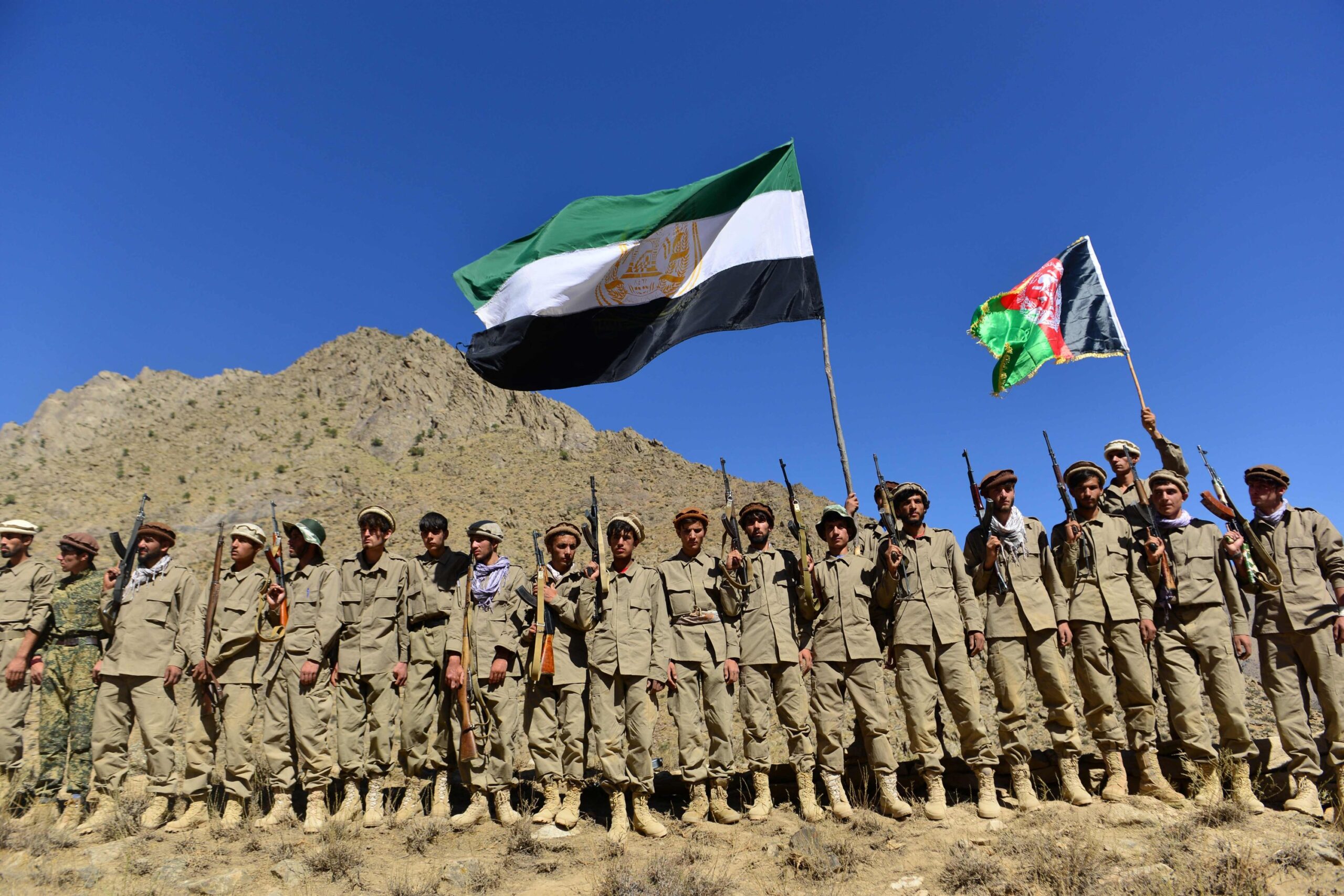
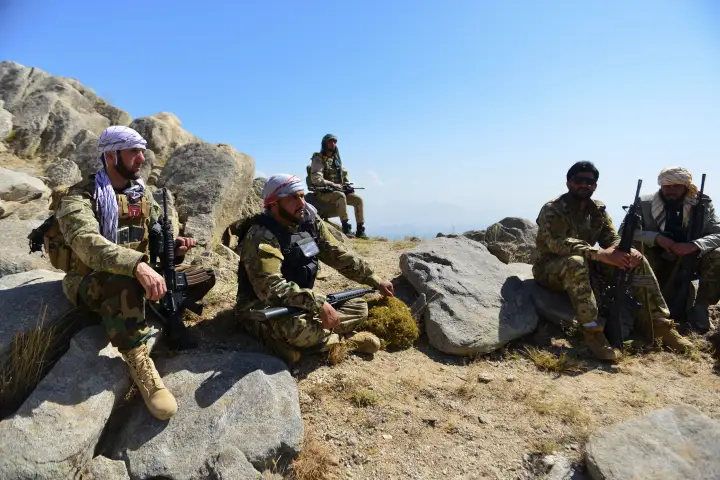
Recent operations by NRF and AFF target Taliban bases and urban centers, signaling a growing insurgency and weakening regime control.

Recent operations by NRF and AFF target Taliban bases and urban centers, signaling a growing insurgency and weakening regime control.

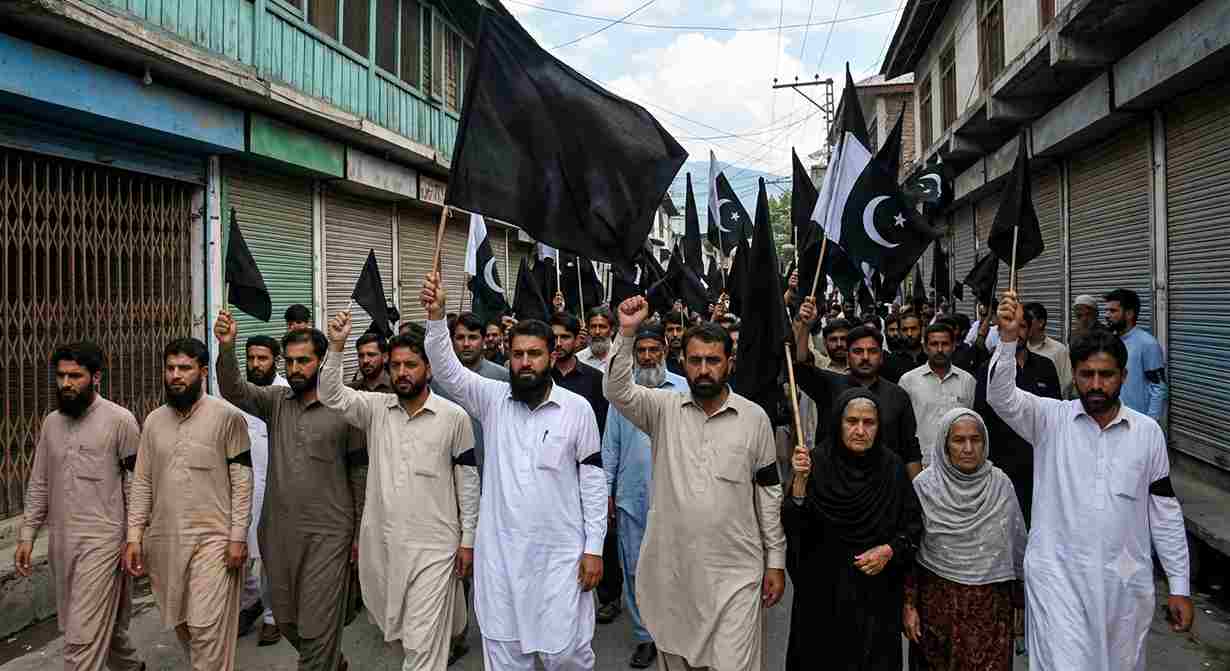
The assassination of Maulana Sultan reveals how ISKP and TTP deploy narrative coordination, delayed claims, and interchangeable branding to obscure accountability and sustain regional instability from Afghan soil.

As the liberal international order fragments, Pakistan has executed a decisive shift from defense dependency to indigenous production. Through exports, combat validation, and joint industrialization, Islamabad is redefining sovereignty as an industrial and diplomatic asset.

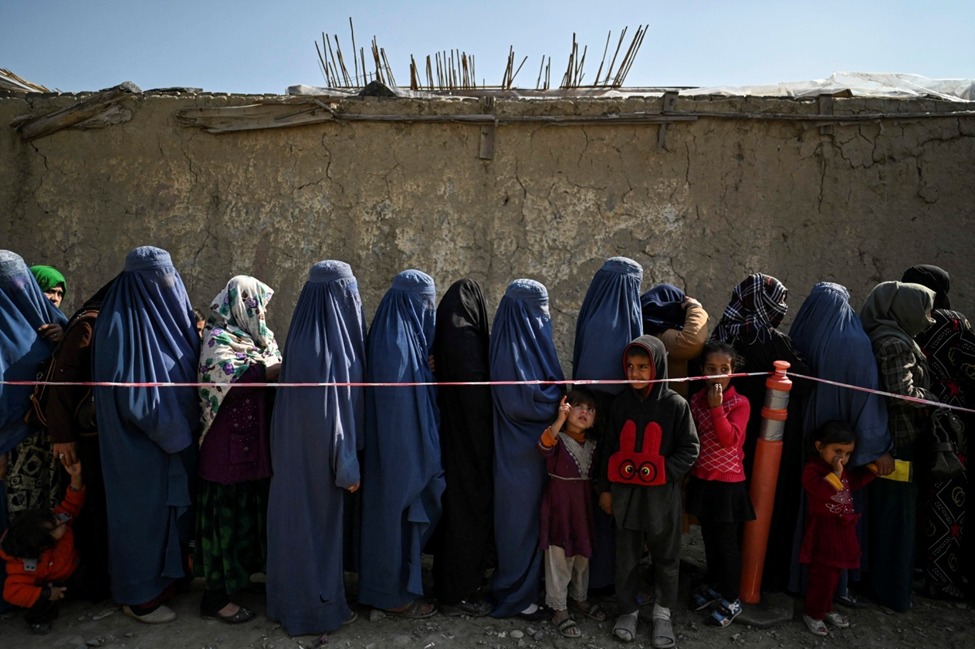
Amnesty International’s call to halt Afghan repatriation overlooks the limits of long-term hospitality. For Pakistan, the issue is less about abandoning rights than reasserting sovereign immigration control amid shifting realities in Afghanistan.

The Dutch Disease has evolved. In today’s Global South, it is no longer driven only by oil and gas but by aid, remittances, and strategic rents that create fragile, consumption-led economies while eroding state capacity, productivity, and social trust.

The halt of gold mining in Badakhshan reveals deeper fault lines in Taliban rule, where centralized extractive ambitions collide with ethnic grievances, local resistance, and fragile investor confidence, particularly involving China.

The reported TTP attack in Takhar is not an isolated security incident but part of a deeper historical pattern of ethnic engineering in northern Afghanistan. Tracing its roots to 19th-century state-building policies, the article examines how militant proxies, demographic displacement, and settler strategies are once again reshaping Tajik-majority regions under Taliban rule.

The 27th Amendment reforms Pakistan’s judiciary with specialized courts and accountable appointments, reflecting global democratic practices.

India’s shift toward Hindutva governance has transformed identity into policy. As citizenship, culture, and power merge, over 28 crore minorities are pushed to the margins—fracturing institutions, normalising exclusion, and leaving long-term scars on the republic’s social fabric.

Zalmay Khalilzad’s Tolo News interview exposes ambiguities in US policy toward Taliban-ruled Afghanistan. His remarks on ISKP, the TTP, and Pakistan reflect an effort to normalize the Taliban while shifting responsibility for regional instability, drawing false equivalences between alleged ISKP cells in Pakistan and the openly operating TTP in Afghanistan.