Perspectives

Pakistan’s Stability: A Silent Pillar of US Strategic Interests

Pakistan’s Stability: A Silent Pillar of US Strategic Interests

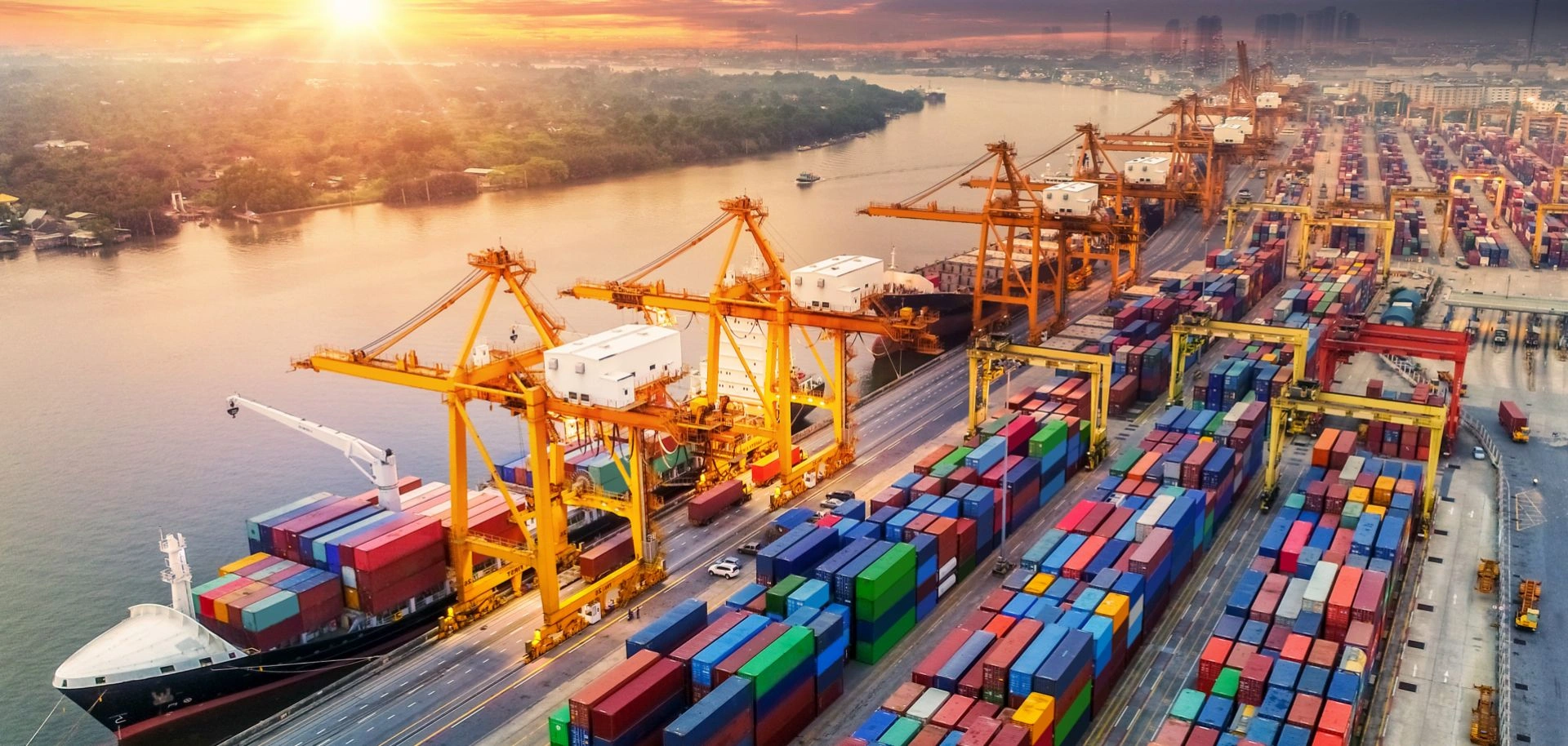
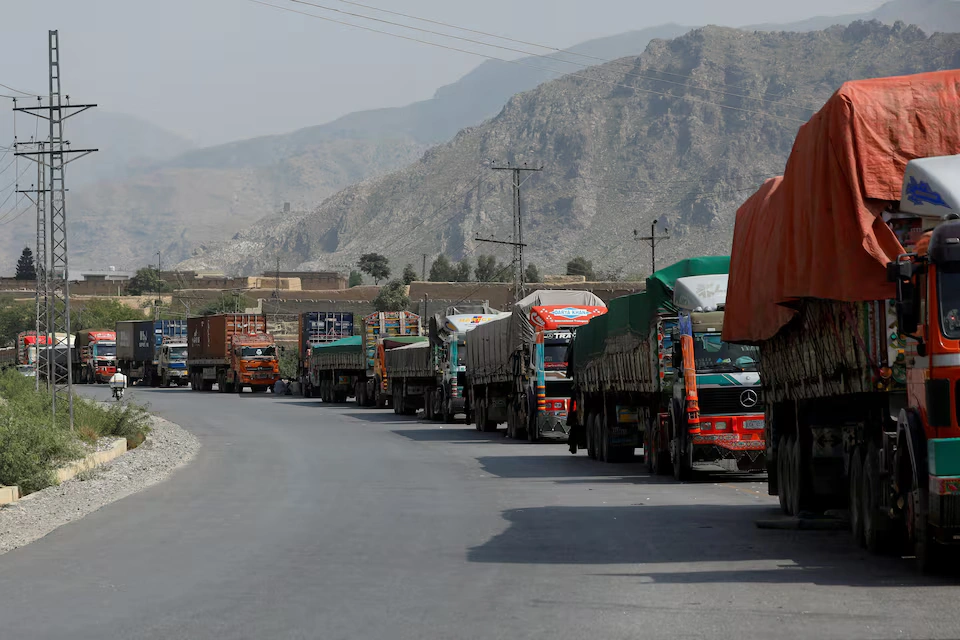
Long seen through a security lens, Pakistan is now redefining its role in US strategy, as a supplier of critical minerals, a connectivity hub between Central and South Asia, and a stabilizing force in a volatile region. Amid global competition with China and shifting energy dynamics, Washington increasingly views Pakistan’s stability not as a choice but as a strategic necessity anchoring its economic and geopolitical interests across Asia.

Read More »
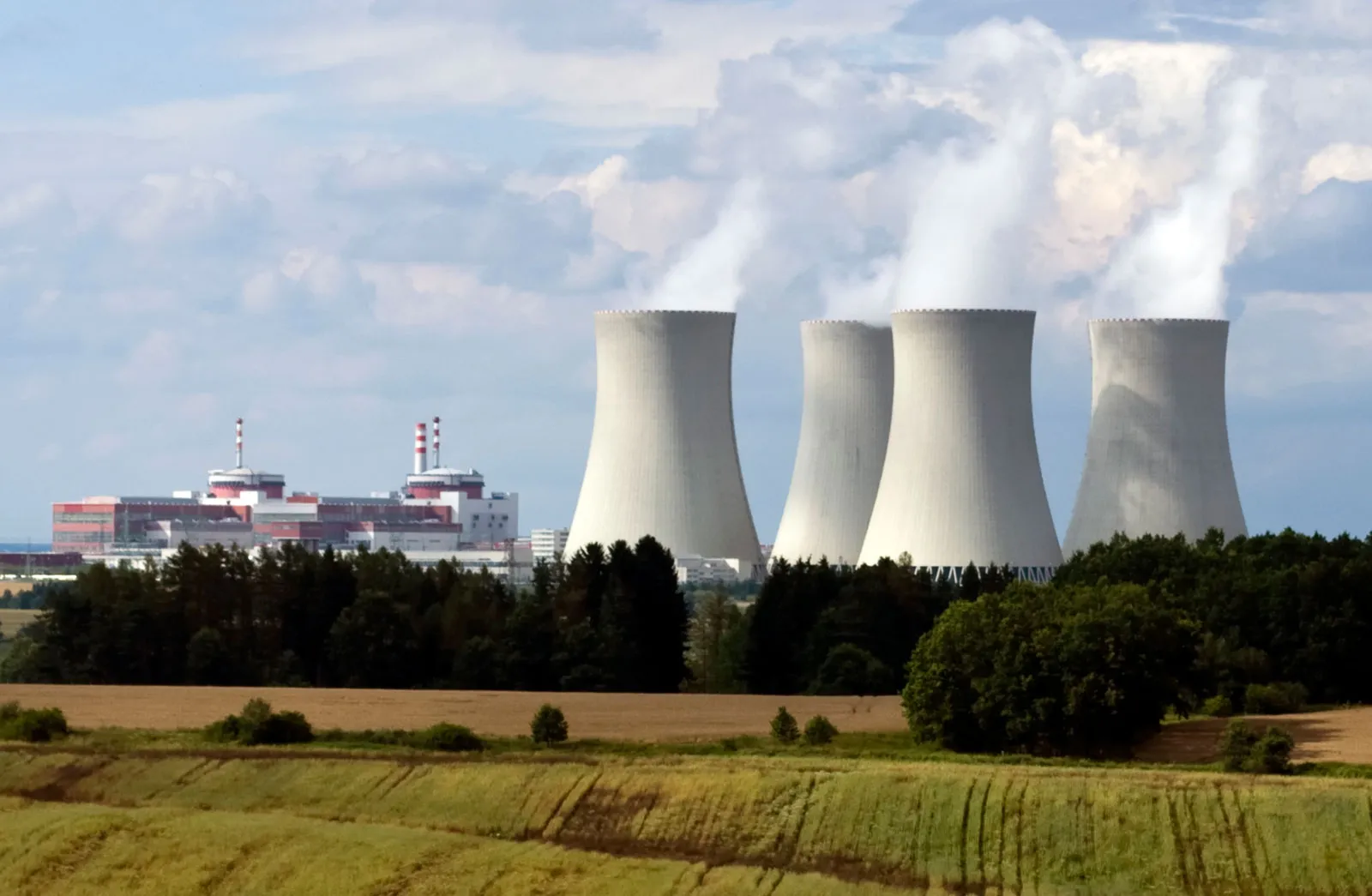
Pakistan’s associate membership at CERN marks a milestone in science and technology collaboration. By partnering with the world’s leading particle physics center, Pakistan is strengthening innovation, research, and high-tech industry integration, paving the way for economic and scientific advancement.

Pakistan’s Path to Innovation through CERN Partnership

Pakistan’s growing partnership with CERN highlights its rising role in global science and technology. As the first South Asian state to become an associate member, Pakistan is advancing research, training young scientists, and opening doors for high-tech industry and innovation through its collaboration with the world’s leading particle physics center.

Read More »
A Strategic Checkmate: The Defense Pact Reshaping the International Relations

A Strategic Checkmate: The Defense Pact Reshaping the International Relations

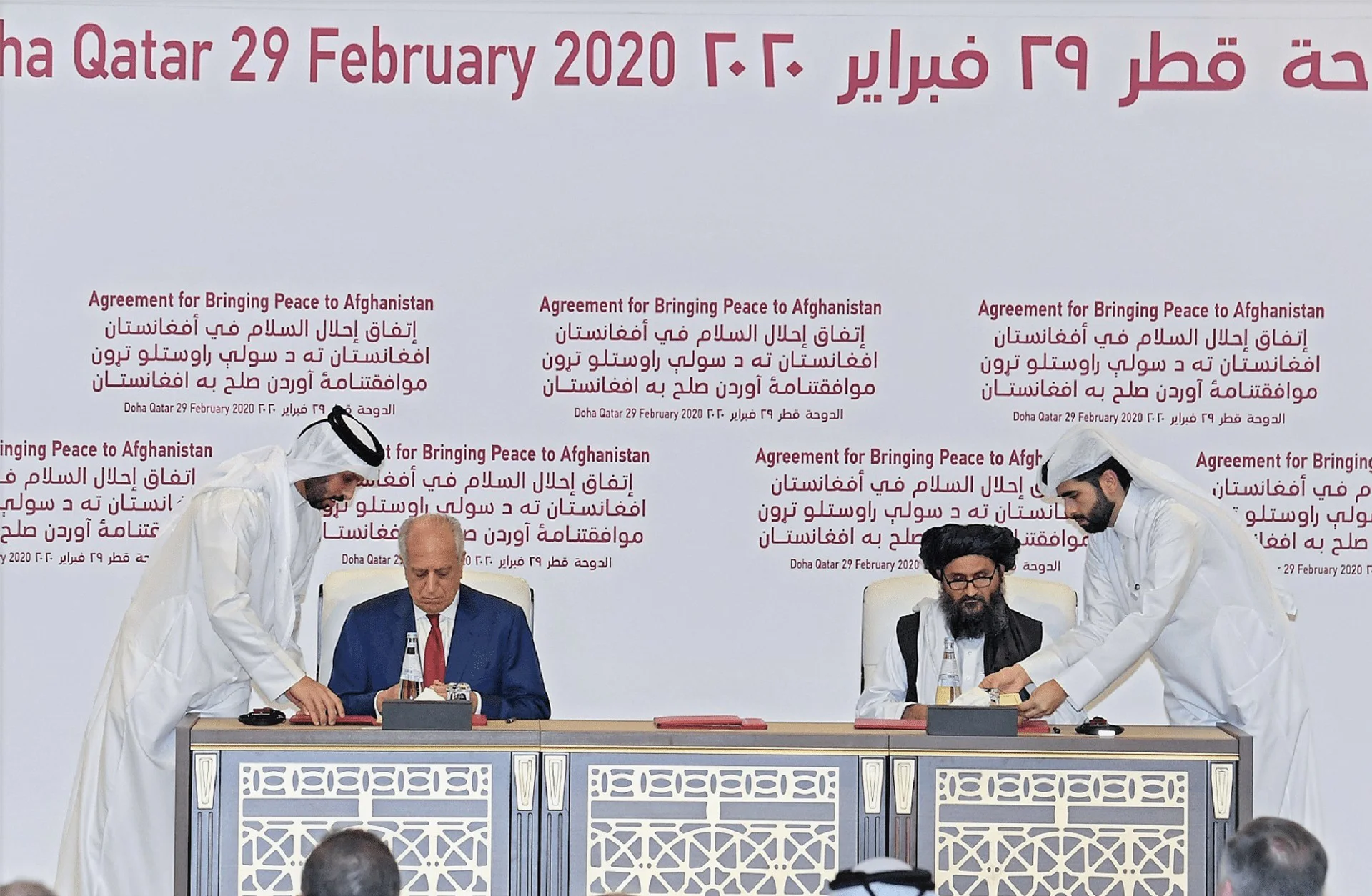
The 2025 strategic defense pact between Pakistan and Saudi Arabia marks a major diplomatic milestone. Strengthening military and economic ties, it enhances Pakistan’s regional influence, bolsters Gulf security, and positions Islamabad as a key player between China, the US, and the Middle East. The agreement reflects a blend of constructivist and realist strategies, reinforcing Pakistan’s leadership role in the Muslim world.

Read More »
Nepal’s Counter-Revolt: Challenge for the Communist and the Left in South Asia

Nepal’s Counter-Revolt: Challenge for the Communist and the Left in South Asia

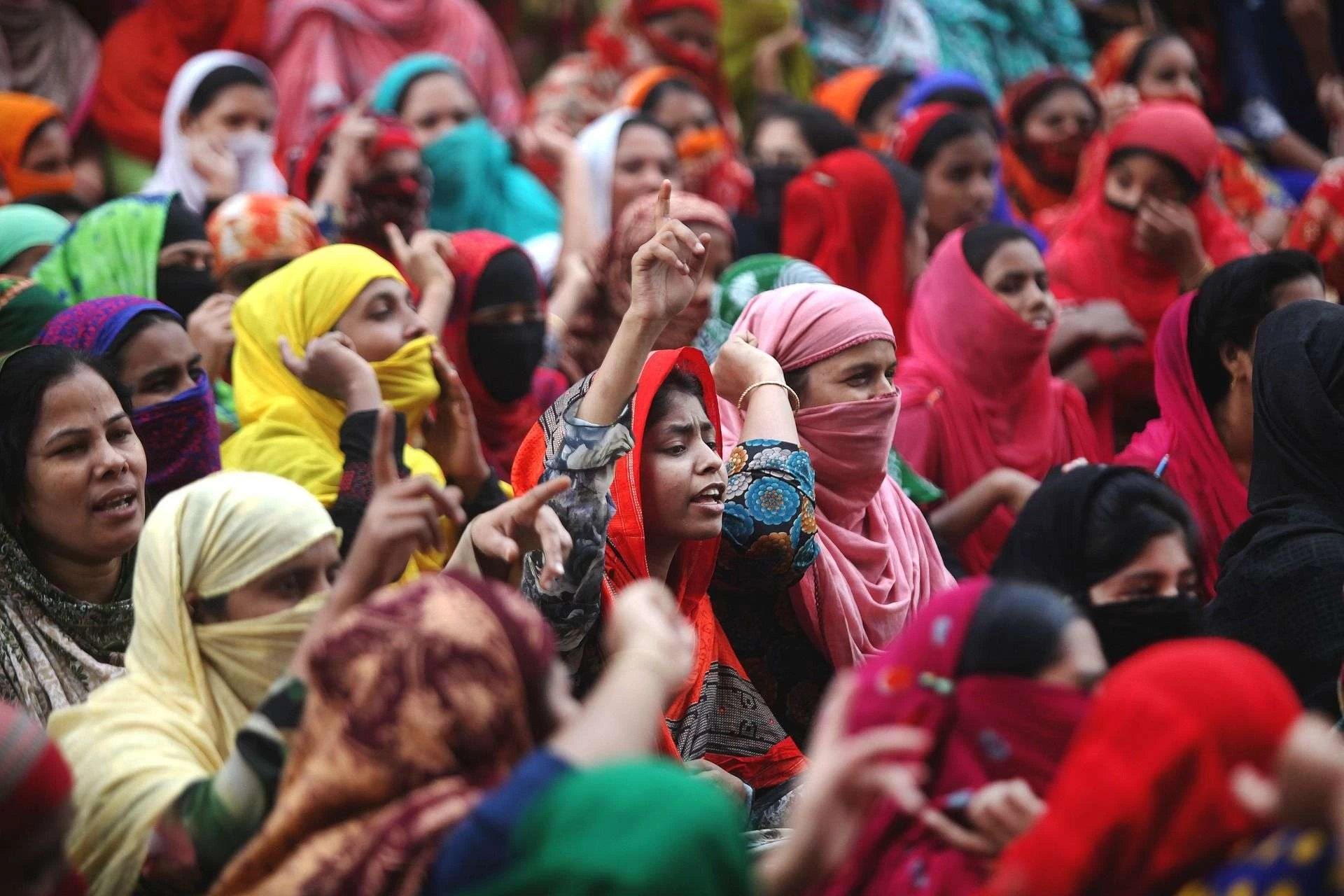
Nepal’s counter-revolt exposes decades of political betrayal by mainstream and leftist parties alike. Despite revolutionary promises to abolish feudalism, ensure sovereignty, and deliver land reforms, leaders from Congress to Maoists succumbed to corruption and power politics. Today’s uprising is both a rejection of failed communist leadership and a warning for the Left in South Asia.

Read More »
Deconstructing Leadership in modern times.

Deconstructing Leadership in Modern Times.

Deconstructing leadership in modern times requires exploring the wisdom of Plato, Machiavelli, and Confucius alongside modern thinkers like John Maxwell and Ronald Heifetz. Loyalty, empathy, innovation, and purpose emerge as essential traits, shaping transformational leaders for a rapidly changing and unequal world.

Read More »
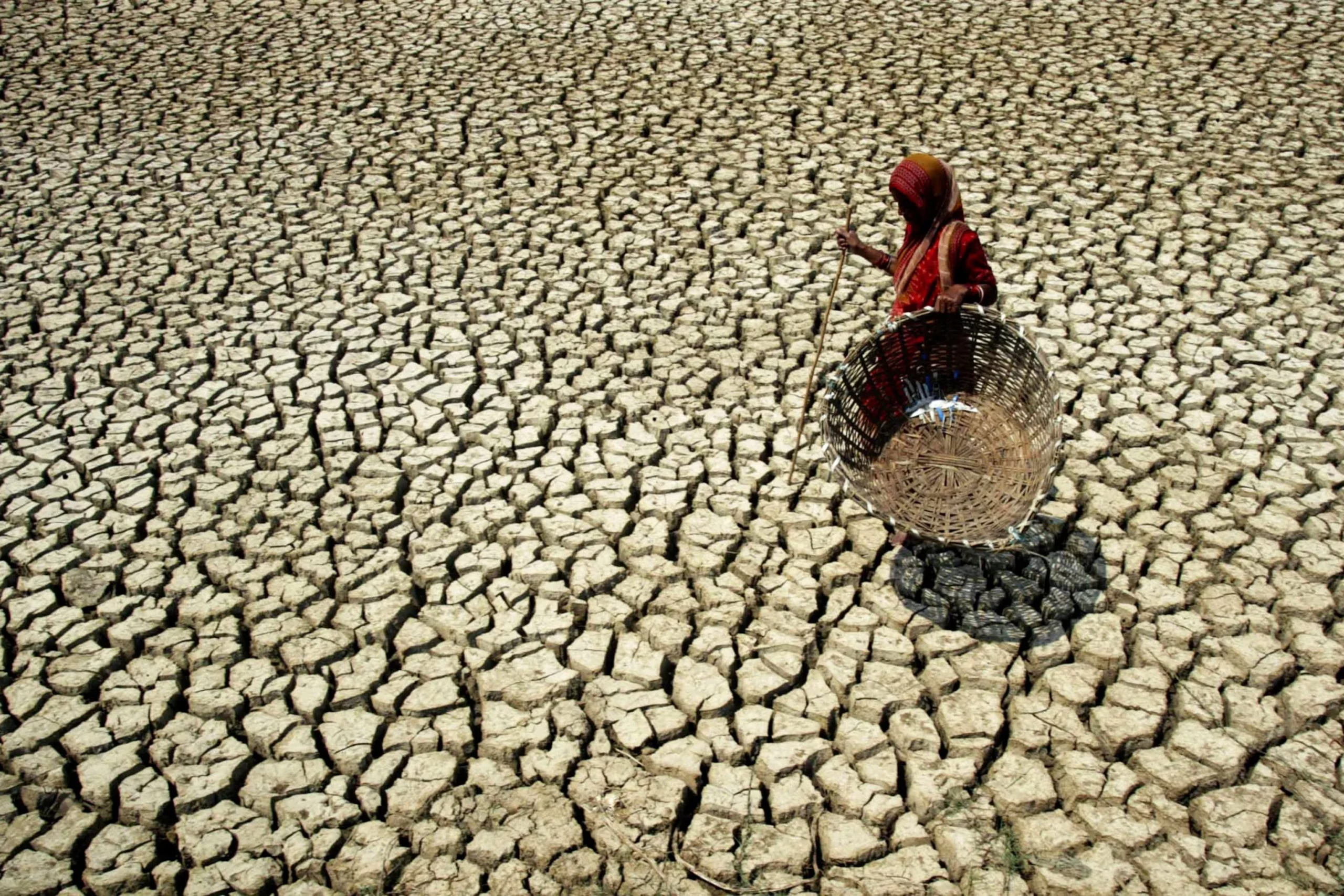
Weather terrorism India Pakistan — India’s manipulation of dams and weather patterns threatens Pakistan’s security, economy, and stability.

Weather Terrorism in South Asia: India’s Campaign Against Pakistan

From ancient rituals to Operation Popeye in Vietnam, weather has long been weaponized. Today, Pakistan holds India responsible for “weather terrorism” in South Asia. With floods, droughts, and dam control destabilizing Pakistan’s economy and society, Weather terrorism India Pakistan has become a critical form of hybrid warfare demanding global attention.

Read More »
Pakistan’s Defence Modernization: Between Sovereignty and Strategic Synergy

Pakistan’s Defence Modernization: Between Sovereignty and Strategic Synergy

Pakistan’s defence modernization reflects a shift from dependence on foreign suppliers to indigenous innovation, marked by platforms like the JF-17 Thunder, Al-Khalid tank, and indigenous UAVs. While partnerships with China and Turkey remain vital, the future hinges on balancing sovereignty, economic constraints, and strategic sustainability. The challenge is not only to build power but to wield it wisely.

Read More »