Underreporting Nipah Virus and the Public Health Risks
India currently faces criticism for underreporting the scale of a Nipah virus outbreak ahead of the 2026 ICC Men’s T20 World Cup. Official figures indicate

India currently faces criticism for underreporting the scale of a Nipah virus outbreak ahead of the 2026 ICC Men’s T20 World Cup. Official figures indicate

Pakistan convened an Arria-formula UN Security Council meeting, emphasizing that the Indus Waters Treaty remains fully binding. International law and treaty sanctity were upheld against India’s unilateral

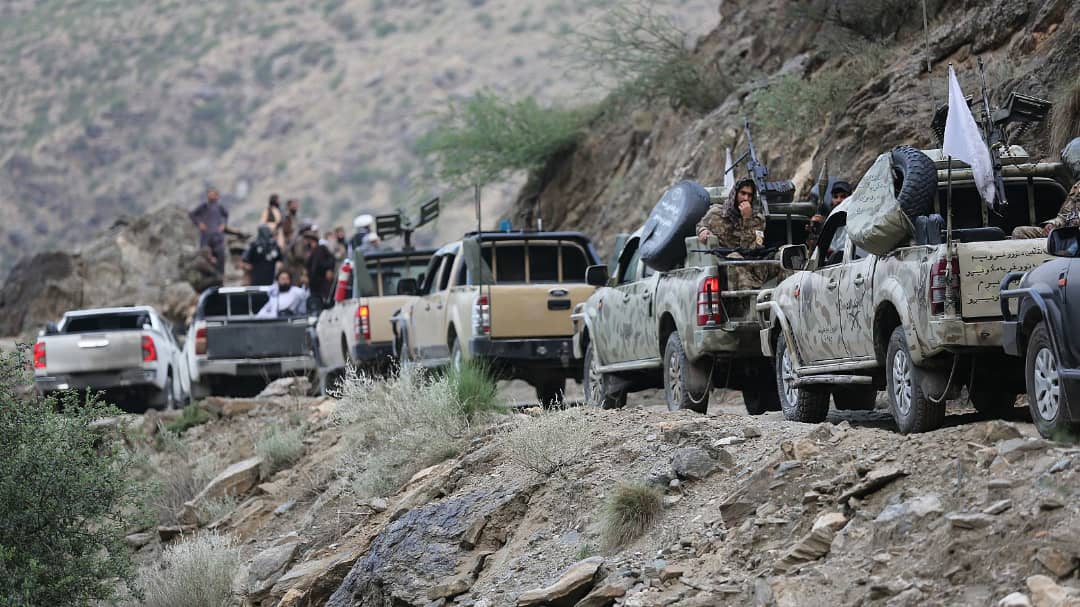
Following the BLA’s recent attacks under Operation Herof II, the Government of Balochistan has moved decisively to enforce legal and administrative accountability on families of militants, reinforcing national security and rule of law.

The Islamabad court’s ruling against Imaan Mazari and Hadi Ali underscores the tension between free expression and national security. Advocacy that aligns with proscribed terrorist narratives risks legitimizing terrorism while overlooking civilian suffering, emphasizing the need for responsible engagement with sensitive issues.

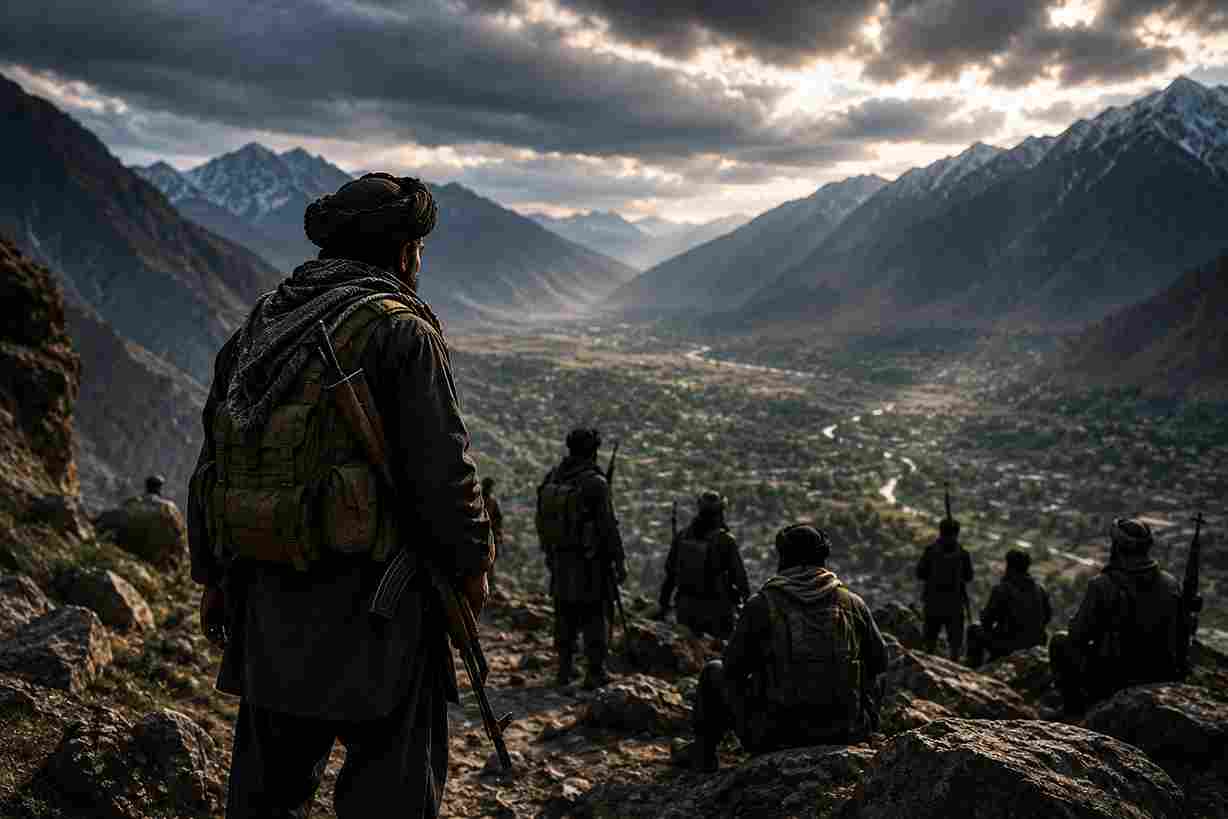
The Balochistan Liberation Army (BLA) has launched Operation Herof II, attempting to destabilize Pakistan’s southwestern region. Despite heavy militant losses and civilian targeting, Pakistan’s security forces maintain operational control, demonstrating preparedness and resilience.

Al Jazeera’s reporting on Pakistan has consistently shifted to favor narratives sympathetic to outlawed militants, including the BLA and TTP, normalizing violence under the guise of political grievance and undermining Pakistan’s counter-terrorism efforts.

The 2025–2026 Nipah virus cases in India illustrate that high-risk pathogens are not confined by national borders. Through selective disclosure, delayed reporting, and episodic containment, outbreaks compel neighbouring states to implement proactive biosecurity measures, highlighting the strategic significance of regional health governance.

Pakistan’s digital transformation is no longer confined to urban centers. Through satellite broadband, NADRA-enabled governance, and real-time digital payments, the country is bridging geographic divides and embedding technology into the foundations of growth and state capacity.

CPEC is driving Pakistan’s structural economic transition. By shifting focus from infrastructure to industrialization, value-added manufacturing, and maritime development, Pakistan is integrating into global supply chains and repositioning itself as a regional production hub.

Women’s empowerment in Pakistan is a catalyst for progress, fueling economic growth, innovation, and stronger governance. Empowered women are shaping the nation’s future and driving measurable development gains.