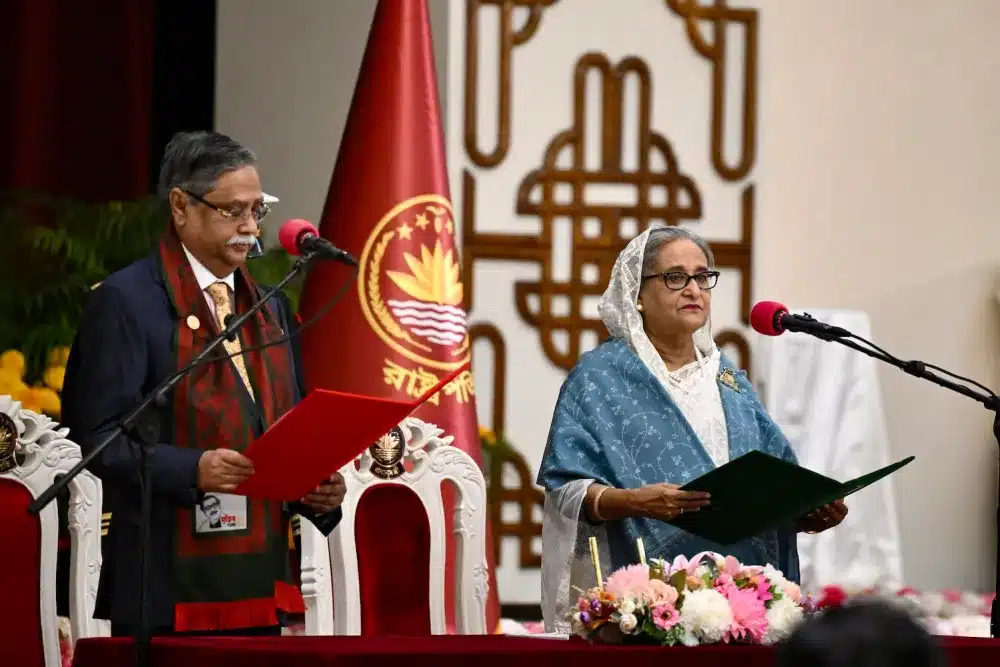
Of the many important elections the world is set to witness in 2024, a lesser important one passed by in South Asia. The world did not care much about the Bangladesh elections where Prime Minister Sheikh Hasina came to assume a fourth consecutive term on January 11th. At best, the United Nations Human Rights Council has raised serious concern over the repression of rights before and during the January 7 elections. From the larger world, there was either an “indifference” or an expression of alarm over how unfair and unfree an election cycle can get.
Like many political figures around the world, Sheikh Hasina has come to be known as an authoritarian compared to the earlier years of her rise, when she was a secular, democratic figure in the country. Whether or not Bangladesh’s social fabric is welcoming towards a secular political system does not matter anymore.
What an average Bangladeshi citizen thinks or wants has totally slid back into a place of irrelevance.
What remains behind is the political supremacy of the Awami League Party under the leadership of Sheikh Hasina.
The politics of Awami League has long revolved around political punishments whose victims are none but the political opposition. These systematic punishments are based on who played what part in the 1971 separation of Bangladesh from Pakistan. Some political segments are particularly kept on the radar of illegal detentions and political hangings, like the largest Islamist Political Party – the Jamaat e Islami. The rights’ centric West, especially the United States, keep a wilful silence over these extrajudicial moves because anything with the word “Islam” in it is better kept aside.
The political sustenance of Sheikh Hasina is primarily driven by this tacit support her party receives from the US and its closest partner in the region – India. As long as there is a friendly regime in Bangladesh, it doesn’t matter how the elections are conducted or if the opposition is allowed to participate, at all. As goes with the January 7 polls, most of the opposition politicians were put in jail way ahead and the only sane political choice the Bangladesh Nationalist Party (BNP) had was to sit out the polls.
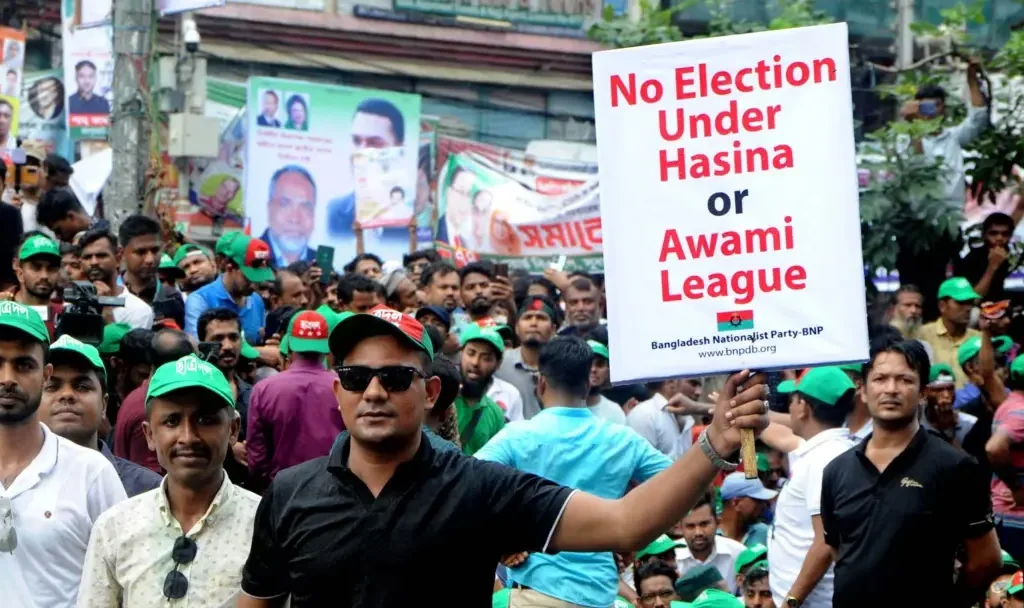
One wonders why Bangladesh even factors in when it comes to the bigger geopolitics where American and Indian interests align? Put simply, the country is a cushion; one friendly regime that can support the US’s axis against China whenever the need arises.
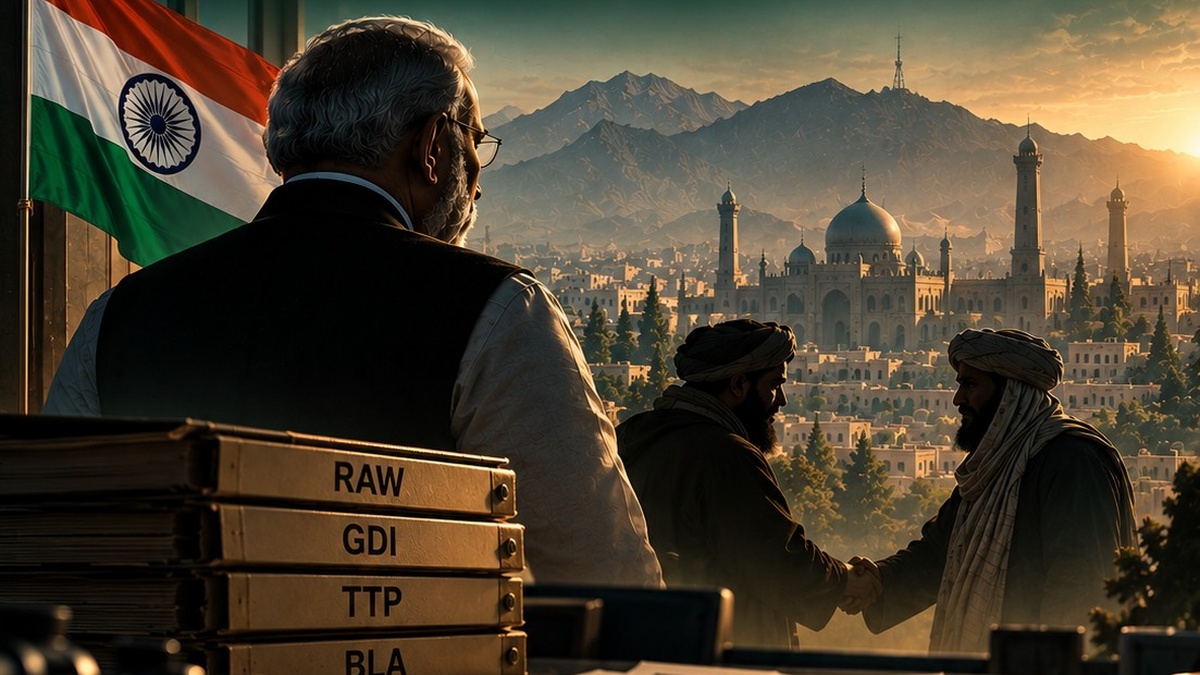
For India, apart from the strategic convergence with the US, Bangladesh is one of the other countries in South Asia where it has sought to exert influence and has gone extra lengths to achieve that.
What transpired in Bangladesh’s politics 2008 onwards is no secret.
Also Read: Bangladesh: The Non-Bengali Genocide
To break the political alliance of BNP, which was expansive enough to have twenty different political factions including the Jamaat e Islami, India’s interference in the polls of 2008 brought the Awami League in power; only to stay in power for years to come. It is no surprise that election malpractices have become so entrenched in the sham elections held in Bangladesh that the ballot lists even have dummy candidates and one voter goes on to cast as many votes as 400.
India has replicated the US’s infamous way of regime toppling and regime changes in its neighbourhood. Bangladesh is one major example. For anyone questioning what led to the democratic backslide in Bangladesh and the rise of Sheikh Hasina as a perpetual Prime Minister, the answer can be found in the over-ambition of South Asia’s aspiring hegemon.

Your go-to editorial hub for policy perspectives and informed analysis on pressing regional and global issues.