Bangladesh Sides with Pakistan and China Amidst Strained Relationship with India

Amidst strained relations with New Delhi, Bangladesh sides with Pakistan and China as its PM signals a shift to closer Pak-China ties.

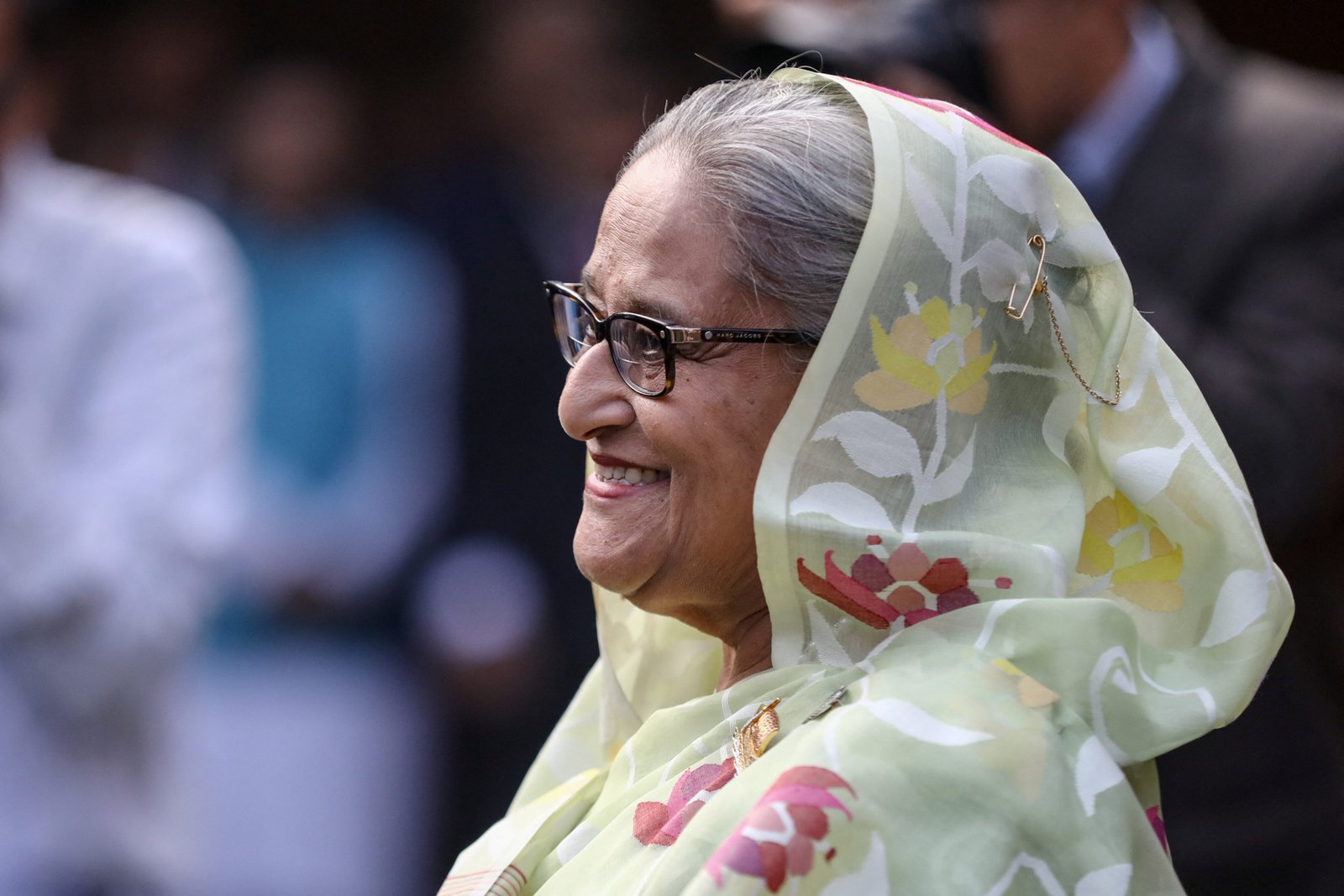
China is getting more support from Dhaka after the re-election of Bangladesh’s prime minister Hasina Wajid. At the same time, Indian projects in Bangladesh have been at a slow pace as compared to Chinese infrastructure projects. Dhaka is ignoring Delhi authorities and siding with China. As Bhorer Kagoj, a prominent daily reported.

Bangladeshi PM Ignores India

“Despite India’s concern, Bangla­desh has given the contract of building an airport terminal in Sylhet to a Chi­nese company. Indian High Commi­ssioner Riva Ganguly Das tried for four months to get an appointment with the prime minister of Bangladesh but did not get it. Bangladesh has not even sent a note of appreciation to India in response to Indian assistance for the Covid-19 pandemic,” said the newspaper’s editor Shyamal Dutta in an article.

Beijing Urban Construction Group (BUCG) has received the contract for building a new terminal in MAG Osmania Airport of Sylhet. This area is near India’s northeastern region. The Northeast area of India has many fault lines. After passing of national register of citizens and the Citizenship Amendment bill this area faced violent protests. Government infrastructure was damaged and railway trains were torched.  and is, therefore, considered a sensitive area for New Delhi.

According to India’s leading news outlet The Hindu, A diplomatic source from the Bangladesh High Commission here has confirmed that the Indian envoy had sought an appointment with Ms Hasina but it did not materialize.

PM Imran Khan’s Call

Pakistan’s Prime Minister Imran Khan had his first telephone conversation with Bangladesh counterpart Hasina Wajed. They discussed Pakistan’s deepening fraternal relations with Bangladesh based on mutual trust, mutual respect, and sovereign equality.

The telephone contact has come after months of efforts to normalize ties between the two South Asian countries after years of the deep freeze.

Observers were caught by surprise when Mr Siddiqui earlier this July met Bang­ladesh’s Foreign Minister A.K. Abdul Momen. Islamabad’s initiative for mending fences with Dhaka took place after current high commissioner Imran Siddiqui assumed office in February this year.

Bangladesh Sides With Pakistan

Highlighting that Bangladesh sides with Pakistan and China, the article in the prominent Bangladeshi newspaper Bhorer Kagoj said that a section of Ms Hasina’s office is actively supporting stronger ties with China. This angle was visible in the rapid improvement in ties with China’s ally Pakistan in the last 10 months.

Bangladesh opted for Pakistan’s onion supplies in November 2019 after India imposed a ban on its exports. This was the first time that Bangladesh imported agricultural items from Pakistan in the last 15 years.

India is losing its influence in the region. Earlier this month, Iran decided to go ahead with the Chahbahar railway project leaving India, although it was a joint project.

News Desk

Your trusted source for insightful journalism. Stay informed with our compelling coverage of global affairs, business, technology, and more.
Recent

Five years after the Doha Accord, the Taliban break commitments, harbor terrorists, exclude women and minorities, and defy international agreements.

Broken Promises, Renewed Threats: Time to Hold TTA Accountable

Five years after the Doha Accord, the Taliban have broken key commitments: 5,000 released prisoners returned to combat, 89% of government posts are held by Pashtuns, and women remain barred from education and work. Afghan soil hosts 6,000–6,500 TTP and Al-Qaeda fighters, with TTP chief Noor Wali Mehsud receiving $43,000/month. Pakistan has neutralized 267 Afghan terrorists in 2025, while 58 terrorist camps operate under Taliban knowledge. Despite the US aid, compliance is minimal. International recognition and support must now be tied to verifiable reforms to prevent further regional instability.

Read More »
The Istanbul dialogue between Pakistan and the Afghan Taliban collapsed over the TTP issue, exposing the limits of regional diplomacy and mediation.

The Istanbul Dialogue: How the Taliban’s Intransigence Doomed Diplomacy

The highly anticipated Istanbul dialogue, facilitated by Turkey and Qatar, has ended in deadlock. The Taliban’s refusal to act against the Tehrik-e-Taliban Pakistan (TTP) and their introduction of provocative counter-demands have effectively derailed the diplomatic process, underscoring the ideological rigidity driving Kabul’s foreign policy.

Read More »
Centralized Power and the Core–Periphery Divide in Afghanistan

Centralized Power and the Core–Periphery Divide in Afghanistan

The Islamic Emirate of Afghanistan’s return in 2021 brought rapid consolidation of power, but also the revival of a historical flaw. By concentrating authority in the hands of southern Pashtun elites, the Taliban have recreated the core–periphery divide that has destabilized every Afghan regime since the 19th century. This hyper-centralization, rooted in ethnic exclusivity and Kandahar dominance, risks a repeat of past collapses as non-Pashtun regions turn toward functional autonomy.

Read More »
Broken Promises: The Taliban’s Betrayal of Global Commitments

Broken Promises: The Taliban’s Betrayal of Global Commitments

Nearly three years after seizing power, the Taliban’s systematic violation of their international commitments under the 2020 Doha Accord has transformed Afghanistan into a sanctuary for terrorism, entrenched an autocratic regime, and institutionalized gender apartheid. Beyond moral failure, this deceit poses a grave threat to regional stability, international counterterrorism efforts, and the credibility of global diplomacy. Holding the regime accountable is now a strategic necessity, not a choice.

Read More »
Do You Remember 6/11/ 1947?: A Forgotten Jammu Genocide and the Continuing Erasure of Kashmiriyat

Do You Remember 6/11/ 1947?: A Forgotten Jammu Genocide and the Continuing Erasure of Kashmiriyat

On November 6, 1947, one of South Asia’s earliest genocides unfolded in Jammu, where hundreds of thousands of Muslims were massacred or forced to flee. Yet, unlike other global tragedies, this atrocity remains buried in silence. The Jammu Genocide not only reshaped the region’s demography but laid the foundation for India’s ongoing campaign of identity erasure in Kashmir. From demographic engineering to cultural censorship, the spirit of Kashmiriyat continues to face systematic annihilation.

Read More »