Prosecutors have received evidence handed over as the Australian war crimes investigation progresses. They are facing challenges due to limited access to Afghanistan for the Office of the Special Investigator.
The government agency investigating alleged war crimes by Australian soldiers in Afghanistan expects to hand its first brief of evidence to commonwealth prosecutors. This is anticipated to occur by the middle of this year.
The Office of the Special Investigator was established in the wake of the Brereton report. This report found “credible” evidence supporting allegations that Australian special forces soldiers unlawfully killed 39 Afghan civilians. The office is currently investigating “between 40 and 50” alleged offences.
Appearing before Senate estimates late Monday, the director general of the OSI, Chris Moraitis, mentioned that he expected to hand a first, single brief of evidence to commonwealth prosecutors. This was anticipated to occur by the middle of 2023.
“I’m quietly confident of a brief of evidence in the first half of this year.”
He said “at this stage” it would be a single brief for prosecutors.
Allegations
Moraitis told the Senate that he refused to disclose how many Australians were under investigation. He stated that the alleged offences constituted a “complex web.”
He mentioned that some of the allegations under “active investigation” had originated from the Brereton report. Others had reached their attention through other avenues.
Moraitis stated that investigators were looking into “anywhere between 40 and 50” alleged offences. Some of these offences might involve multiple participants.
“We are continuously reviewing the investigations, and that number may increase if additional matters are raised. Over time, I expect the overall number to decrease. It will become clear which allegations may meet the high threshold required for a criminal justice process.”
“We always consider the potential impact on anyone affected by our investigations. My teams are unwavering in their commitment. They conduct fair, thorough, and impartial investigations. These investigations focus on allegations of war crimes within our jurisdiction. We aim to proceed without unnecessary delay.”
Problems in Investigation
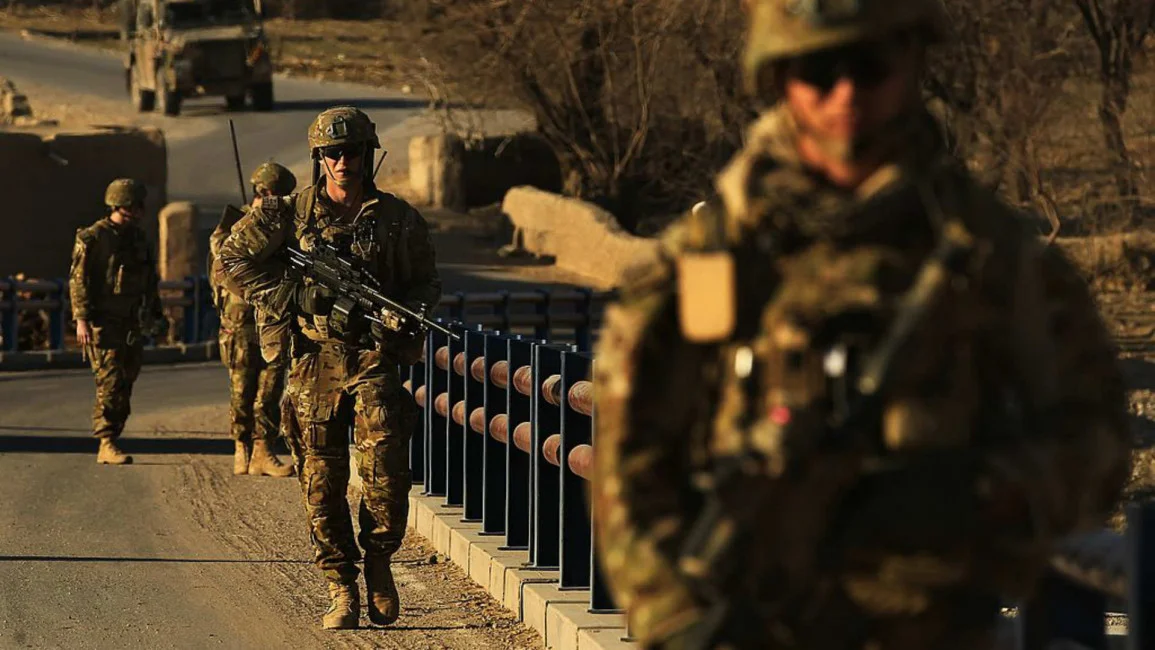
Moraitis mentioned that the OSI had limited capacity to gather evidence inside Afghanistan since the fall of that country’s republican government to the Taliban in August 2021. Investigators had not been able to go into the country.
SEE ALSO: https://southasiatimes.org/cricket-afghanistan-amid-politics-and-sports/
“We’re not a humanitarian agency, we’re not a special rapporteur, we’re not an NGO; we’re an investigative body trying to enforce Australian criminal law, and that brings its own dynamic.
“I’m not stratified that the necessary conditions for engaging in that country, at this stage, exist.”
However, the OSI has interviewed witnesses who are currently outside of Afghanistan: “Investigators have travelled outside Australia and not Afghanistan.”
Questioned by the Greens senator David Shoebridge about the possibility of using technology to interview witnesses and gather evidence from inside Afghanistan, Moraitis said there were legal barriers to that course of action.
Moraitis emphasized the necessity of having a formal arrangement with the host country to seek and present evidence usable in an Australian court of law.
“There are some legal problems with that. We need to have a relationship with the state to do that, for that to be admissible.”
Credible Evidence
The four-year Brereton inquiry – led by the New South Wales court of appeal judge Major General Paul Brereton – reported in 2020 that it had found “credible information” to implicate 25 current or former Australian Defense Force personnel in the alleged unlawful killing of 39 people in Afghanistan.
The inquiry recommended referring allegations against 19 of those individuals for criminal investigation. The government established the Office of the Special Investigator in response.
Original Source: the guardian


![Ukrainian and Russian flags with soldier silhouettes representing ongoing conflict. [Image via Atlantic Council].](https://southasiatimes.org/wp-content/uploads/2026/02/2022-02-09T000000Z_1319661209_MT1NURPHO000HXCNME_RTRMADP_3_UKRAINE-CONFLICT-STOCK-PICTURES-scaled-e1661353077377.jpg)