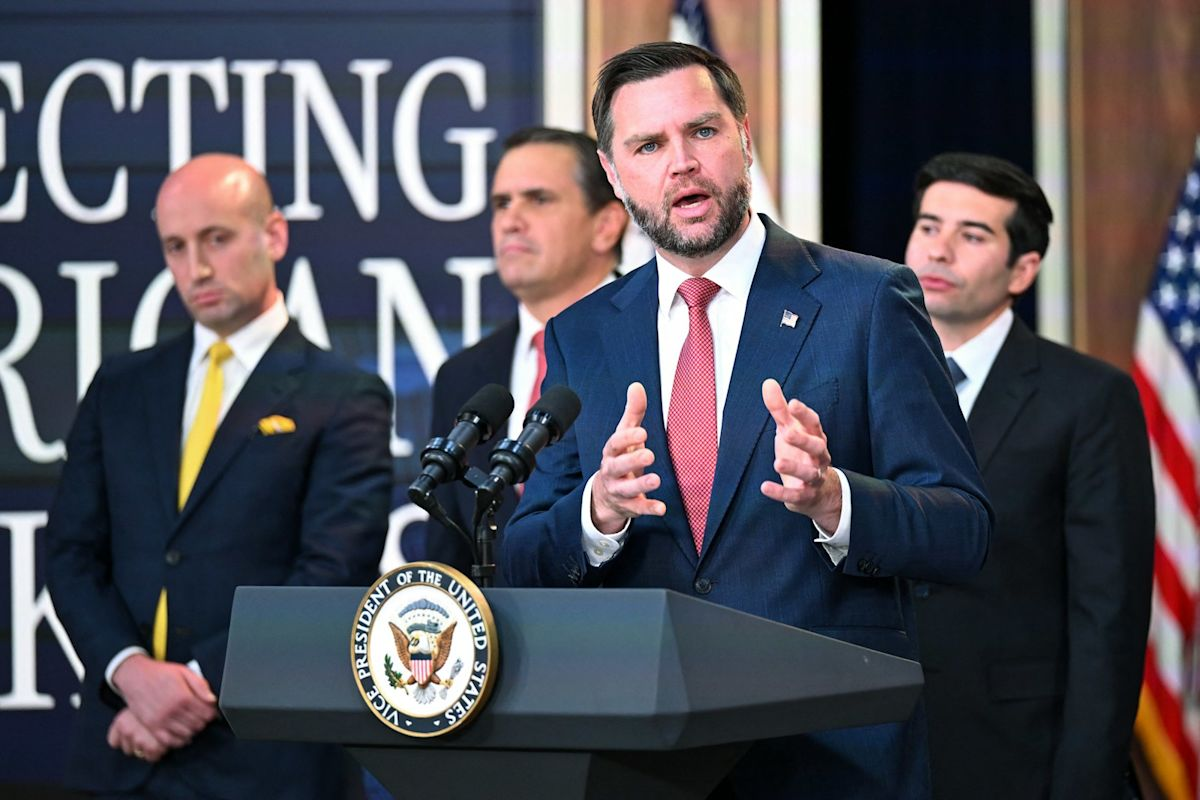
For most of this spring, the Strait of Hormuz was less a shipping lane than a held breath. Tankers idled off Bandar Abbas, insurers quietly rewrote their war-risk premiums, and traders in London and Singapore watched Brent crude lurch toward $120 a barrel, a territory not seen since the early shocks of the last decade. Then, on the evening of 14 June, President Donald Trump posted on Truth Social that the deal with Iran was “complete,” that the Strait would reopen, and that the US naval blockade was being lifted. “Ships of the World, start your engines,” he wrote. “Let the oil flow.” Within hours, oil prices were falling, and Asian markets were rallying. A signing ceremony was set for 19 June in Switzerland.
It is tempting to read that announcement as a single dramatic turn. In truth, it was the final note of a long, often invisible score, one written in large part in Islamabad and Tehran, carried back and forth by Pakistani officials in a quiet shuttle that began months before most of the world was paying attention.
A War that Started in February, and a Mediator that was Already in the Room
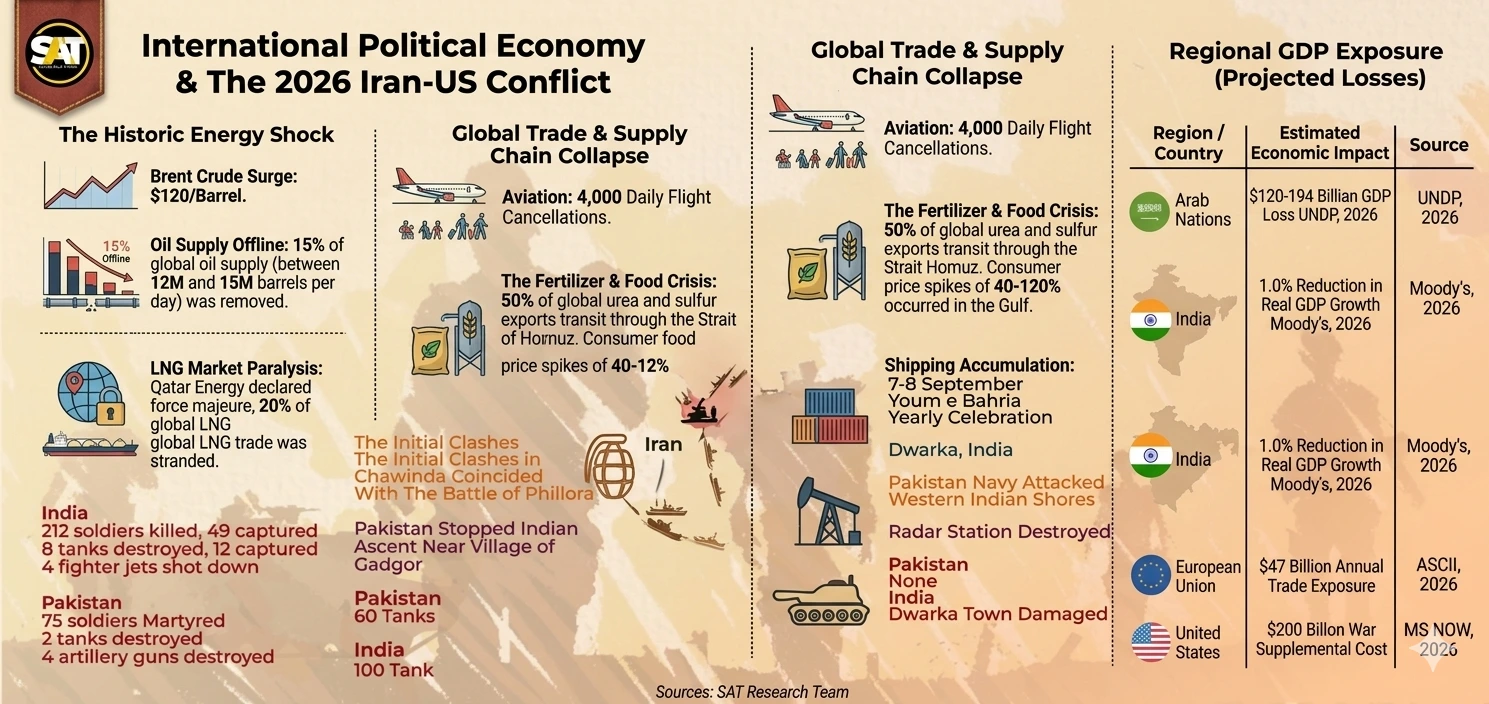
The conflict that this memorandum brings to a close erupted on 28 February 2026, when coordinated US and Israeli strikes hit targets across Iran. What followed was four months of escalation and partial de-escalation: Iranian retaliation, a crisis over the Strait of Hormuz, the chokepoint through which roughly a fifth of the world’s oil and LNG passes, and a series of ceasefires that held, broke, and were patched back together. Each time the Strait’s status flickered between “open” and “closed,” global oil markets reacted with the kind of violence usually reserved for actual supply shocks: 8 to 10 percent single-day swings in Brent and WTI, a near-20 percent slide in crude prices by late May as a ceasefire began to look durable, and a steady drumbeat of headlines about the “Hormuz Shock” of 2026.
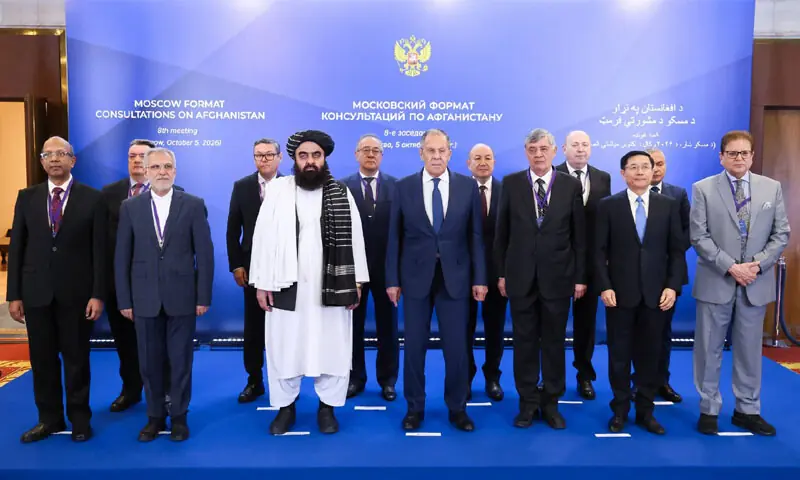
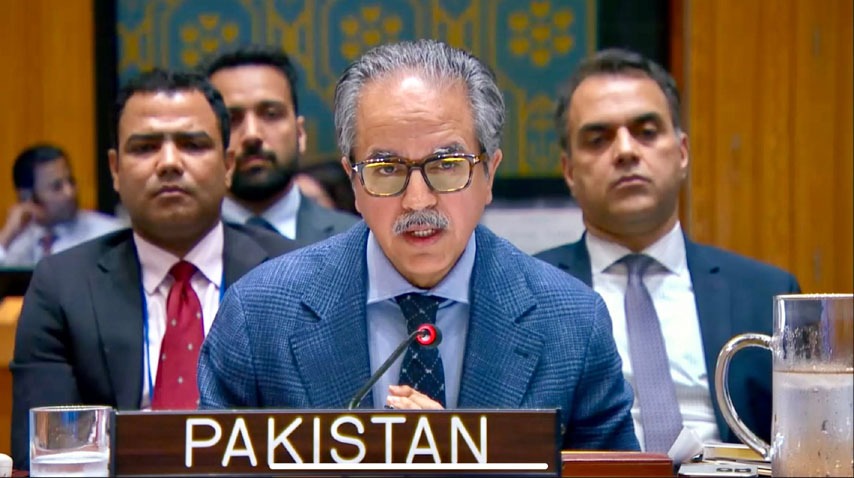
Pakistan did not arrive at this crisis as a newcomer. Months before the war began, Field Marshal Syed Asim Munir had travelled to Washington, where US commanders publicly praised Pakistan’s security cooperation, a relationship that, almost no one predicted at the time, would become a diplomatic asset once the shooting started. When it did, Islamabad moved with unusual speed. By late March, Foreign Minister Ishaq Dar had helped assemble a joint initiative with China, Turkey, Saudi Arabia and Egypt calling for an immediate ceasefire and the reopening of the Strait of Hormuz, a framework quietly passed to both Washington and Tehran. In April, Pakistan hosted a major round of talks in Islamabad with a sizeable US delegation. That round did not produce an agreement, but it set the terms for the ceasefire that took hold on 8 April, one that President Trump would later extend indefinitely even as both sides tested its limits in the weeks that followed.
Two Flights to Tehran
If there is a single image that captures Pakistan’s role in this story, it is Field Marshal Munir’s arrival in Tehran. Not once, but twice. He first travelled to the Iranian capital in mid-April, then returned on 22 May, greeted on the tarmac by Iran’s interior minister with Pakistan’s own Interior Minister Mohsin Naqvi at his side. Over the following two days, he met President Masoud Pezeshkian, Parliament Speaker Mohammad Bagher Ghalibaf, and Foreign Minister Abbas Araghchi. Iranian officials described the visit as a “turning point.” Regional correspondents went further, noting that the simple fact of a Pakistani army chief landing in Tehran was itself read by both sides as a signal. A proof that the diplomatic track was alive even when public statements suggested the gaps remained “deep and significant.”
While Munir worked the security channel, Prime Minister Shehbaz Sharif and Foreign Minister Dar worked the political and economic one, travelling to Beijing, Iran’s largest trading partner, for four days of consultations aimed at aligning Chinese influence with the emerging framework. And as the talks entered their final stretch in June, it was Sharif who became the public face of the process, posting repeatedly on social media to confirm progress and, notably, to push back against what he called a misinformation campaign aimed at sabotaging the deal before it could be signed. By 14 June, his confirmation that a final text had been reached arrived almost simultaneously with Trump’s own announcement, a small but telling detail about how closely the two tracks had become intertwined.
What the Deal Actually Does — And Doesn’t Do
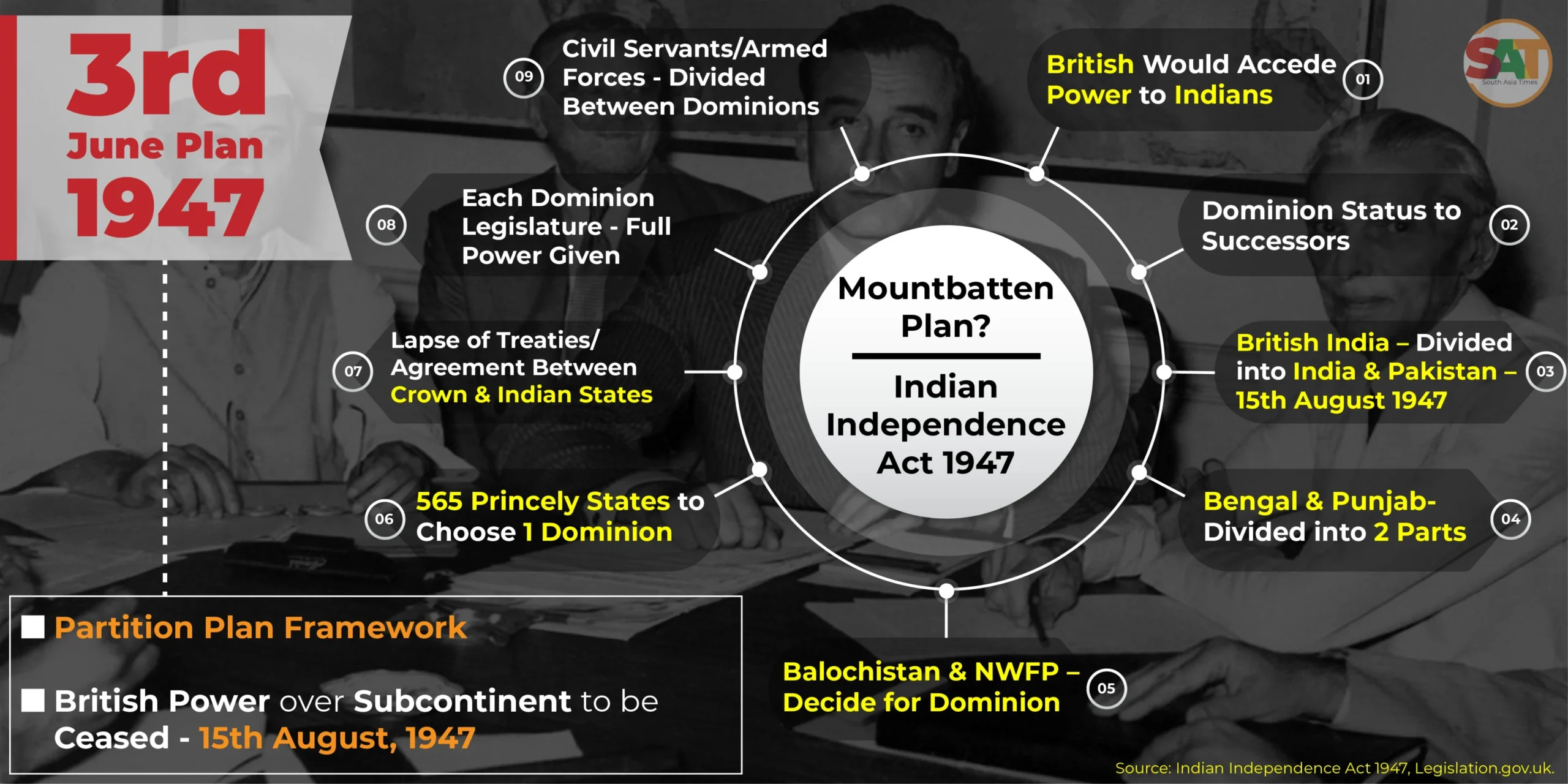
Strip away the celebratory framing, and the memorandum is a carefully balanced document. It commits both sides to the permanent end of military operations on every front, including Lebanon. It reopens the Strait of Hormuz and lifts the US naval blockade on Iranian ports. Iran reaffirms its commitments under the Nuclear Non-Proliferation Treaty and agrees not to pursue nuclear weapons, while being permitted to dilute its stockpile of highly enriched uranium domestically rather than ship it abroad. And it sets a 60-day clock for the harder conversations, sanctions relief, the release of frozen Iranian assets, and the verification mechanisms that will determine whether the nuclear provisions mean anything in practice.
One absence is conspicuous. Israel is not a signatory. Prime Minister Netanyahu has called the agreement, in its current form, a disappointment, even as he insists that he and Trump remain united on the principle that Iran must never acquire a nuclear weapon. That gap, between a region-wide ceasefire negotiated by Pakistan, the US and Iran, and an Israeli government that views the outcome with open skepticism, is the fault line most likely to define the next 60 days.
Why Islamabad has Skin in this Game
For Pakistan, this is not abstract diplomacy conducted for prestige alone. Petroleum products account for roughly 22 percent of the country’s total import bill, and the war pushed that burden to levels rarely seen even in Pakistan’s chronically strained external accounts. Weekly oil import costs reportedly jumped from around $300 million before the conflict to as much as $800 million at its height, and April 2026 alone produced a record monthly petroleum import bill of $2.27 billion, with average Brent prices that month touching $103.7 a barrel. That Pakistan still posted a narrow current account surplus over the first nine months of the fiscal year, buoyed by an 8.2 percent rise in remittances to $30.3 billion and nearly 20 percent growth in IT exports, says something about the economy’s underlying resilience. It does not erase the relief that a genuinely reopened Hormuz and a sustained pullback in oil prices would bring to a government that has spent much of the past year managing one external shock after another.
There is a second, less tangible payoff. By acting as a channel trusted simultaneously by Washington, Beijing, the Gulf capitals and Tehran, Pakistan has reinforced an image it has long sought for itself. Not a frontline state perpetually managing the fallout of other people’s wars, but a country capable of helping end one. The coordination on display here, a civilian government setting the diplomatic frame, a military chief opening doors in Tehran that civilian channels alone might not have reached, is a rare instance of Pakistan’s civil-military relationship functioning as an asset on the world stage rather than a subject of anxious commentary about it.
The Harder Story Still to be Written
A memorandum of understanding is not a treaty, and the distance between the two is exactly where this process could still come apart. The ceasefire of 8 April was, by multiple accounts, violated by both sides before renewed mediation patched it back together. This is a reminder that goodwill in this conflict has a short half-life. The 60-day window now opening must resolve precisely the issues that have proven hardest throughout. How Iran’s uranium dilution will be verified, in what order sanctions are lifted and assets unfrozen, and how an increasingly impatient Israeli government is brought along, or at least kept from derailing the process, particularly given how easily the Lebanon front has reignited before. Domestic politics will not make this easier. Trump heads into the November midterms with an approval rating dented by months of high fuel prices, and Iran’s negotiators must answer to constituencies at home who will scrutinise every concession.
What happens in Switzerland on 19 June will be a signing, not an ending. The real test for Washington, for Tehran, and for the Pakistani diplomats and generals who helped get both sides to the table, is whether the next two months can turn a fragile piece of paper into something that actually holds. Islamabad has spent four months building the credibility to matter in that conversation. The coming weeks will show whether it can spend that credibility wisely.