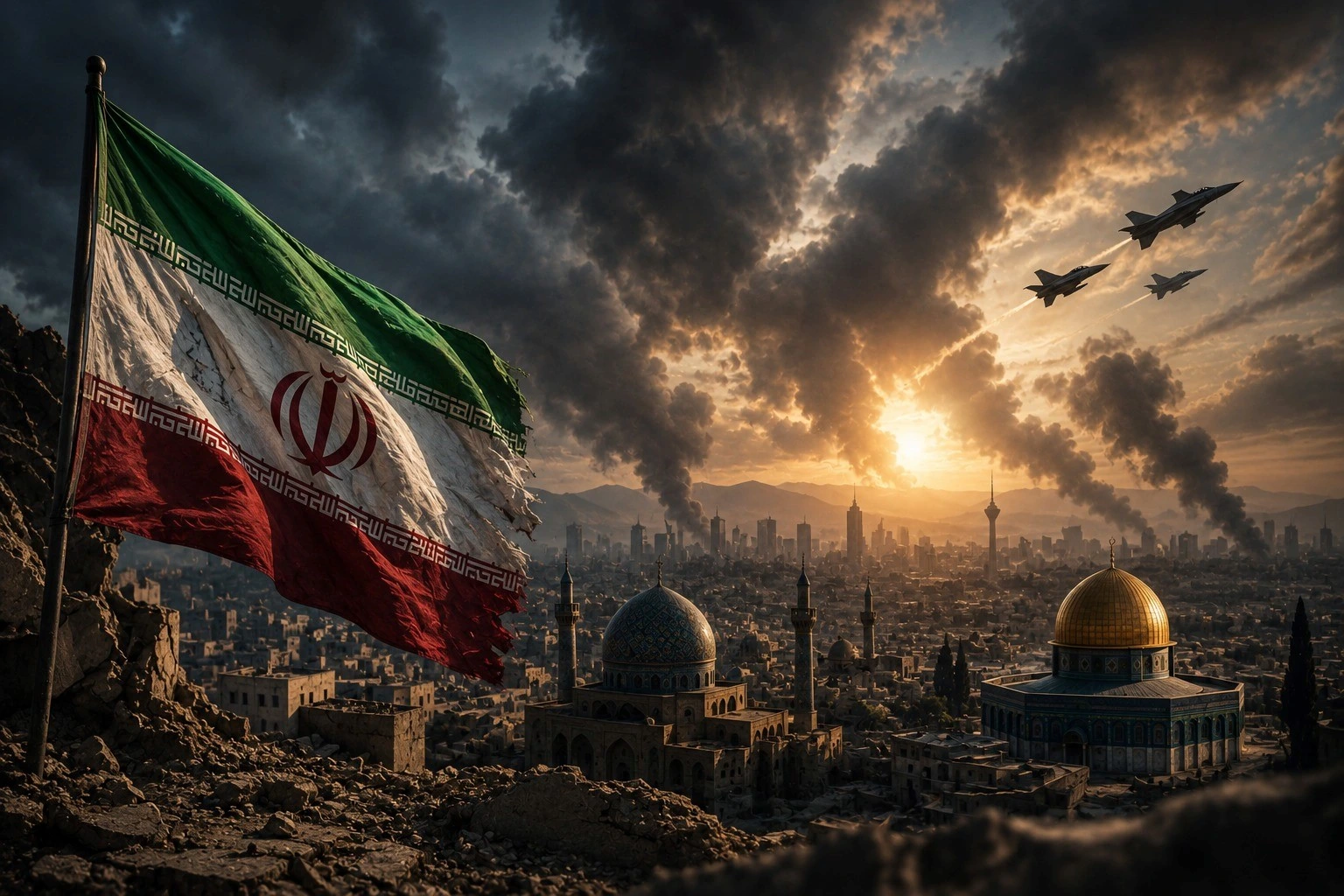
The ongoing US-Israel war on Iran has emerged as far more than a conventional military confrontation. It has become a defining moment in the evolving geopolitical order of the Middle East and, by extension, the wider international system. While the conflict may still be unfolding, one conclusion is already evident: the era in which external powers could unilaterally impose political outcomes upon regional states through overwhelming military force is steadily eroding.
For decades, American military interventions in the Muslim world followed a familiar pattern. Iraq, Afghanistan, and Libya stand as stark examples of states devastated by prolonged wars, regime change operations, and externally engineered instability. In each case, the United States and its allies relied upon unmatched military superiority to dismantle governing structures, often leaving behind fractured societies, humanitarian catastrophes, and enduring insecurity. Yet Iran has demonstrated that the strategic realities of the contemporary Middle East are fundamentally different.
Despite sustained military pressure, targeted assassinations of senior commanders, attacks on critical infrastructure, and immense human and material losses, the Iranian state has not collapsed. Instead, the conflict has generated an internal consolidation that many external observers failed to anticipate. Even segments of Iranian society previously critical of the ruling establishment have, in large measure, rallied behind national sovereignty in the face of foreign aggression. History repeatedly illustrates that external military pressure often strengthens nationalist sentiment rather than weakening it, particularly in states possessing deep civilisational identity and resilient institutional structures.
More importantly, the war has exposed the growing limitations of American power. The United States remains militarily formidable, yet its capacity to decisively shape political outcomes through force appears increasingly constrained. The prolonged nature of the confrontation, coupled with Iran’s ability to retaliate across multiple domains, has underscored the diminishing effectiveness of coercive military strategies in achieving long-term geopolitical objectives.
This reality carries profound implications for the Gulf monarchies and wider regional actors that have historically depended upon the American security umbrella. The conflict has demonstrated that even the most sophisticated Western-backed defence arrangements cannot guarantee absolute protection from regional escalation. Iranian missile and drone capabilities have challenged long-standing assumptions regarding strategic deterrence and regional security architecture. Consequently, many states in the Middle East may now be compelled to reassess the sustainability of external dependency as the cornerstone of their national security strategies.
At the heart of this reassessment lies an uncomfortable truth: the United States possesses only one unwavering strategic commitment in the Middle East — Israel. Other regional partnerships, regardless of their economic scale or diplomatic symbolism, remain fundamentally transactional. American foreign policy in the region has consistently prioritised Israeli security above all else, often at the expense of broader regional stability. The current conflict has reinforced this perception, particularly as Washington’s political and military support for Israel continues despite the immense humanitarian and strategic consequences of the war.
Yet, paradoxically, some regional states appear inclined to deepen engagement with both Washington and Tel Aviv. Such calculations may prove strategically shortsighted. Aligning regional security too closely with external powers risks perpetuating cycles of dependency, polarisation, and instability. More critically, it undermines the possibility of constructing an indigenous and cooperative regional order capable of addressing shared challenges through dialogue and mutual accommodation.
The emerging geopolitical environment demands a new approach. The age of the foreign imperial protector appears increasingly unsustainable, both strategically and economically. In its place, the Middle East must move towards a framework rooted in regional ownership, sovereign equality, and collective security. This requires meaningful cooperation among key regional powers including Iran, Saudi Arabia, Turkiye, Pakistan, and the wider Arab and Muslim world.
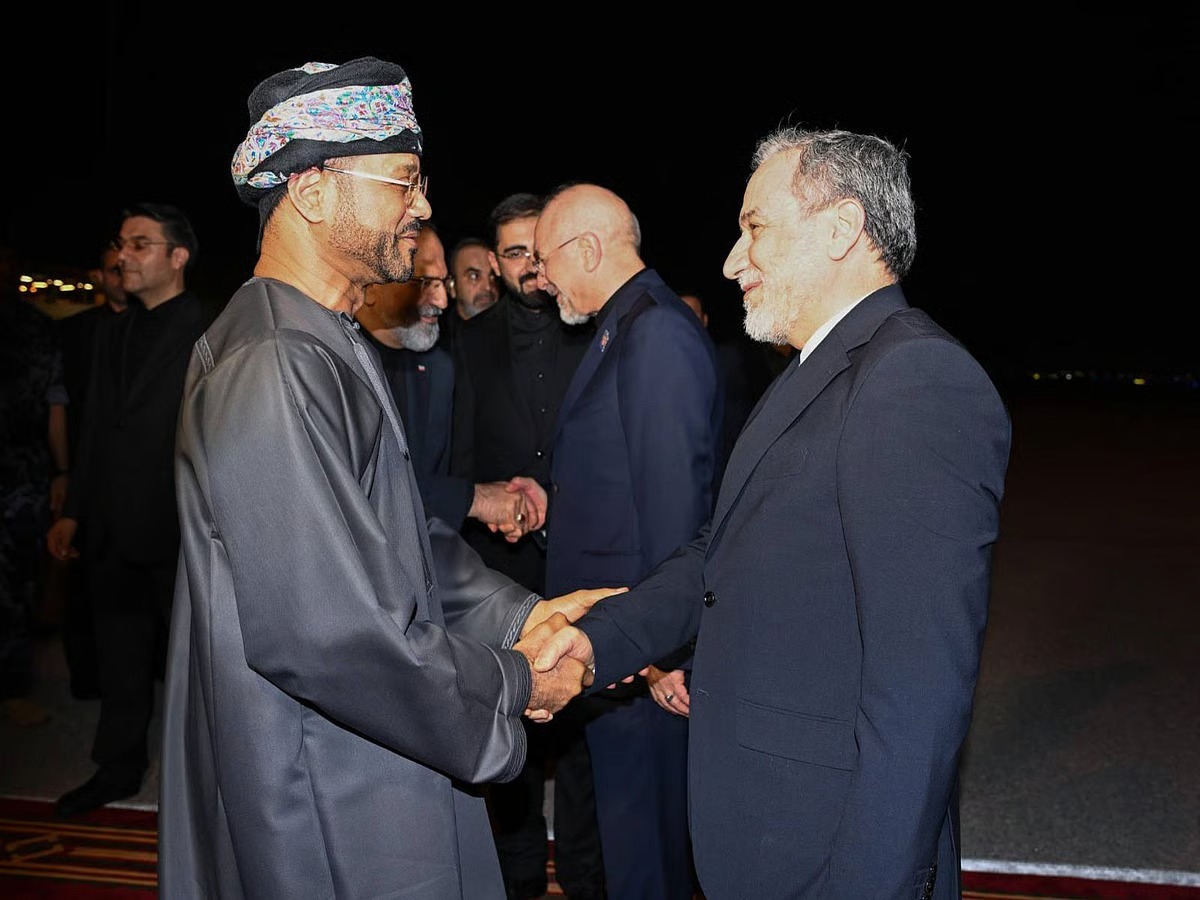
Encouragingly, recent diplomatic developments suggest that such a transition may already be underway. Pakistan has played a constructive role in advocating dialogue and de-escalation between Tehran and Washington, while Saudi Arabia and Iran have maintained diplomatic channels despite intense regional tensions. These efforts reflect a growing recognition that regional disputes cannot be sustainably managed through external intervention or military confrontation alone. Durable peace can only emerge through diplomacy, strategic restraint, and mutual recognition of sovereignty.
Pakistan, in particular, occupies a potentially significant role within this evolving regional landscape. As the only nuclear-armed Muslim state with deep ties across the Middle East, Islamabad possesses the diplomatic credibility to facilitate dialogue among competing regional actors. Its balanced approach during the crisis has reinforced its image as a stabilising actor committed to regional peace rather than bloc politics. Moving forward, Pakistan can contribute meaningfully towards promoting a cooperative security framework that privileges diplomacy over confrontation.
Simultaneously, the broader Muslim world must remain cognisant of the dangers posed by continued regional fragmentation. Israel’s long-term strategic doctrine has historically benefited from divisions within the Arab and Muslim world. Persistent rivalries, sectarian competition, and geopolitical fragmentation have repeatedly enabled external actors to exercise disproportionate influence over regional affairs. Preventing further instability therefore requires greater political cohesion and strategic coordination among regional states.
Ultimately, the ongoing war on Iran represents more than a military contest; it symbolises a transitional moment in global politics. The unipolar order that emerged after the Cold War is steadily giving way to a more complex and multipolar reality in which regional powers possess greater agency and resilience. For the Middle East, this transformation presents both risks and opportunities. Continued dependence on external powers may deepen instability, whereas regional cooperation and sovereign decision-making could lay the foundations for a more balanced and durable security order.
The lessons of the conflict are therefore unmistakable. Military supremacy alone can no longer guarantee political dominance. External intervention cannot substitute regional diplomacy. And the future stability of the Middle East will ultimately depend not upon foreign patrons, but upon the willingness of regional states to collectively shape their own destiny.

Your go-to editorial hub for policy perspectives and informed analysis on pressing regional and global issues.