
Blood and Gold: How Sudan’s War Became the World’s Greatest Human Rights Failure
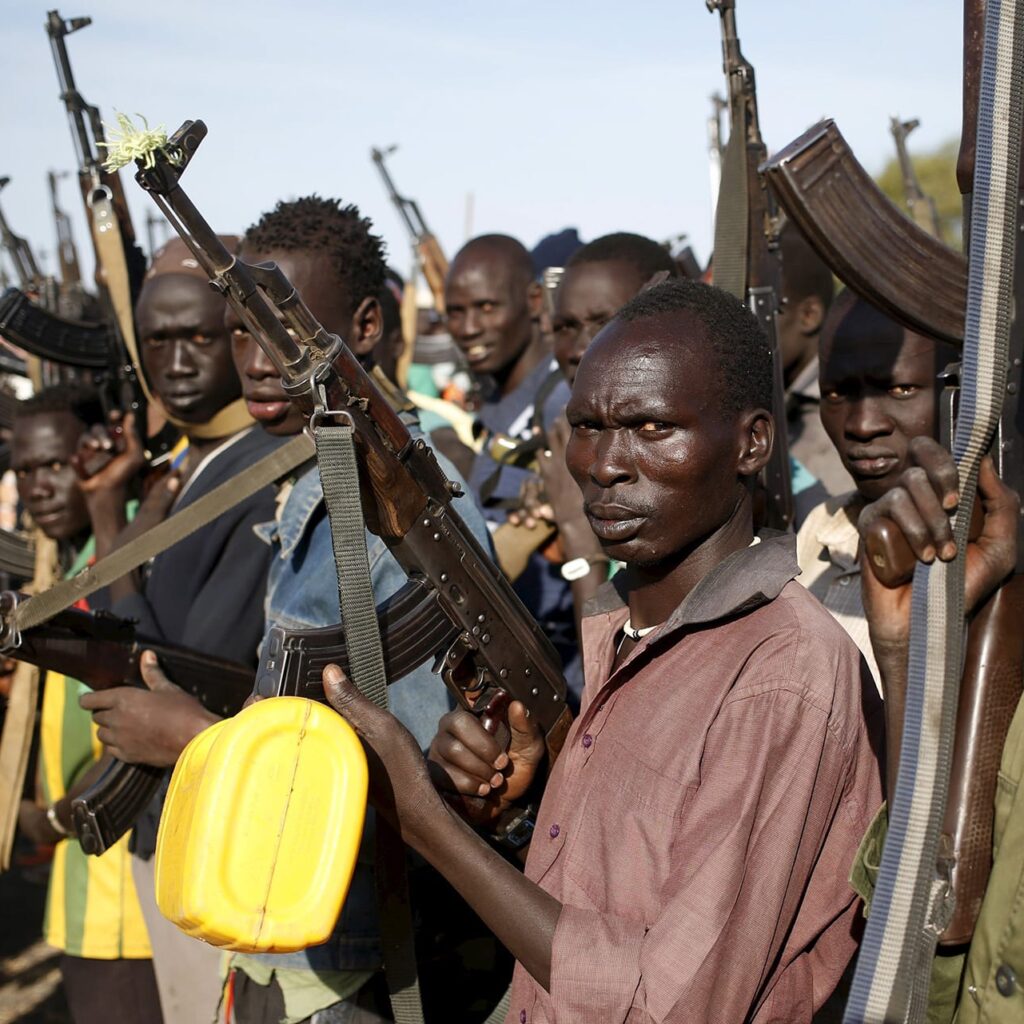
Sudan’s war is not misunderstood, it is deliberately ignored. Fuelled by a gold economy tied to foreign profiteers, the conflict has dismantled the country while the world watches in silence. As the RSF and SAF wage a war built on extraction and exploitation, millions are displaced, starved, and erased from global concern. Sudan’s suffering exposes a deeper truth: human rights protections collapse where profit thrives and African lives remain invisible.
The US Report on Pakistan’s May Win
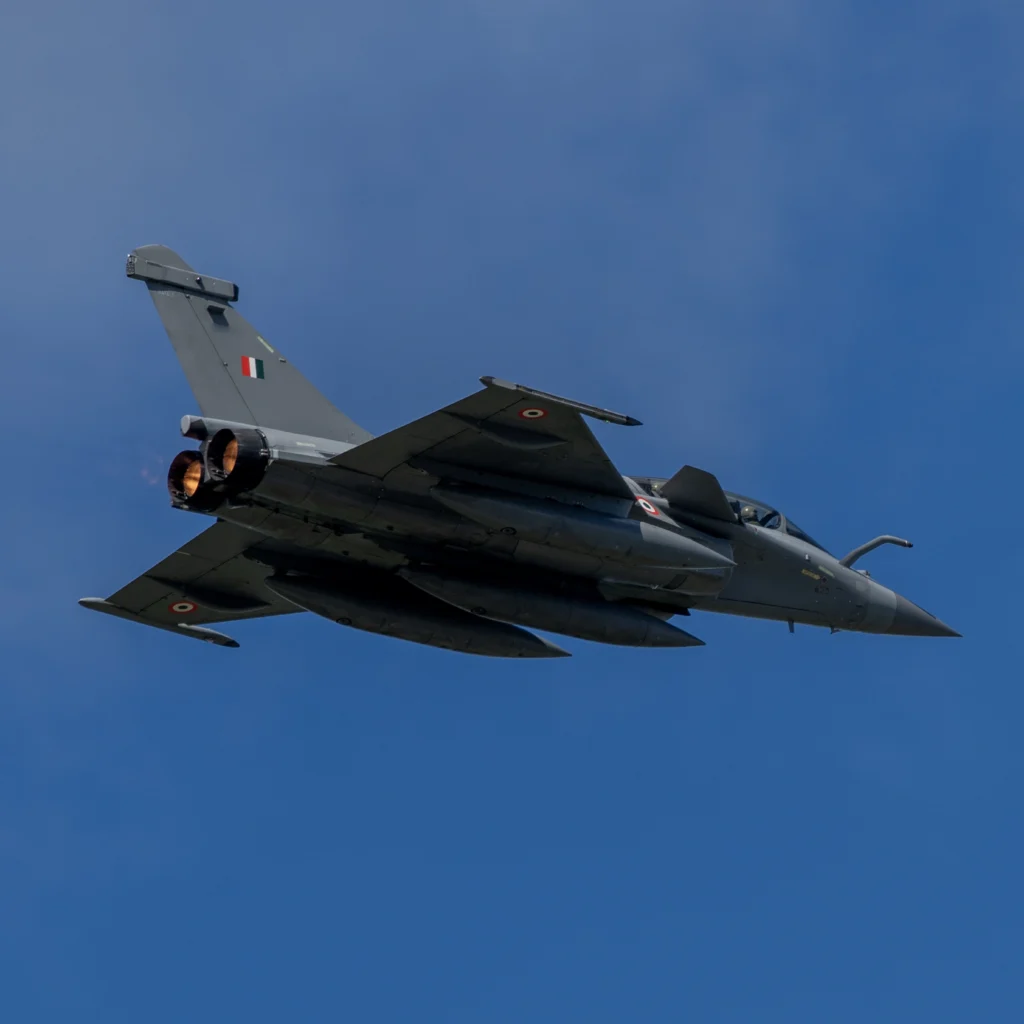
The USCC’s 2025 report delivered a rare moment of clarity in South Asian geopolitics. By openly describing Pakistan’s military success over India, the Commission broke with years of cautious Western language and confirmed a shift many analysts had only hinted at. The report’s wording, and the global reactions that followed, mark a turning point in how the 2025 clash is being understood.
Can war against terror be won without political consensus?
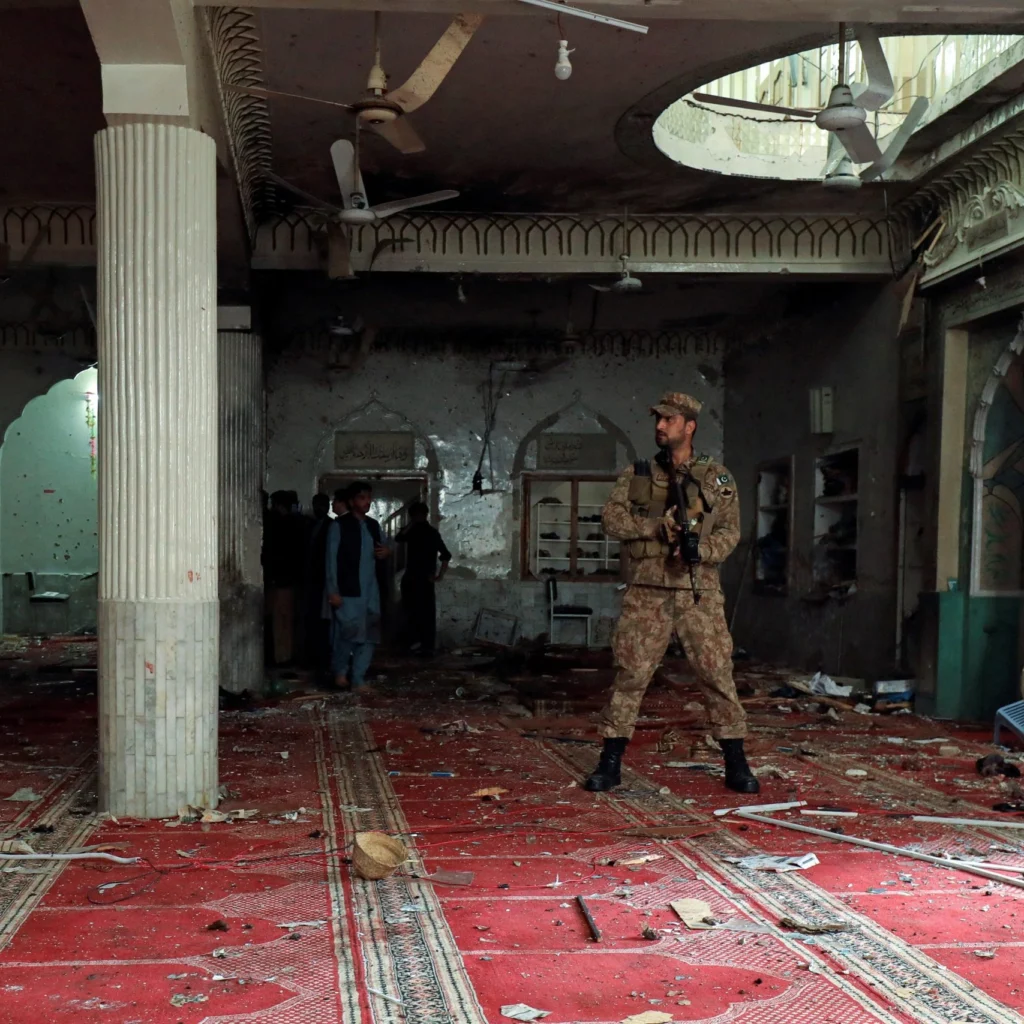
For over two decades, Pakistan has battled the scourge of terrorism. Yet, despite military successes, the absence of political consensus continues to jeopardize lasting peace. As divisions deepen and populist narratives gain ground, the question remains: can Pakistan truly defeat terror without unity at the top?
The Nobel Peace Prize or War Prize? A History of Controversial Laureates
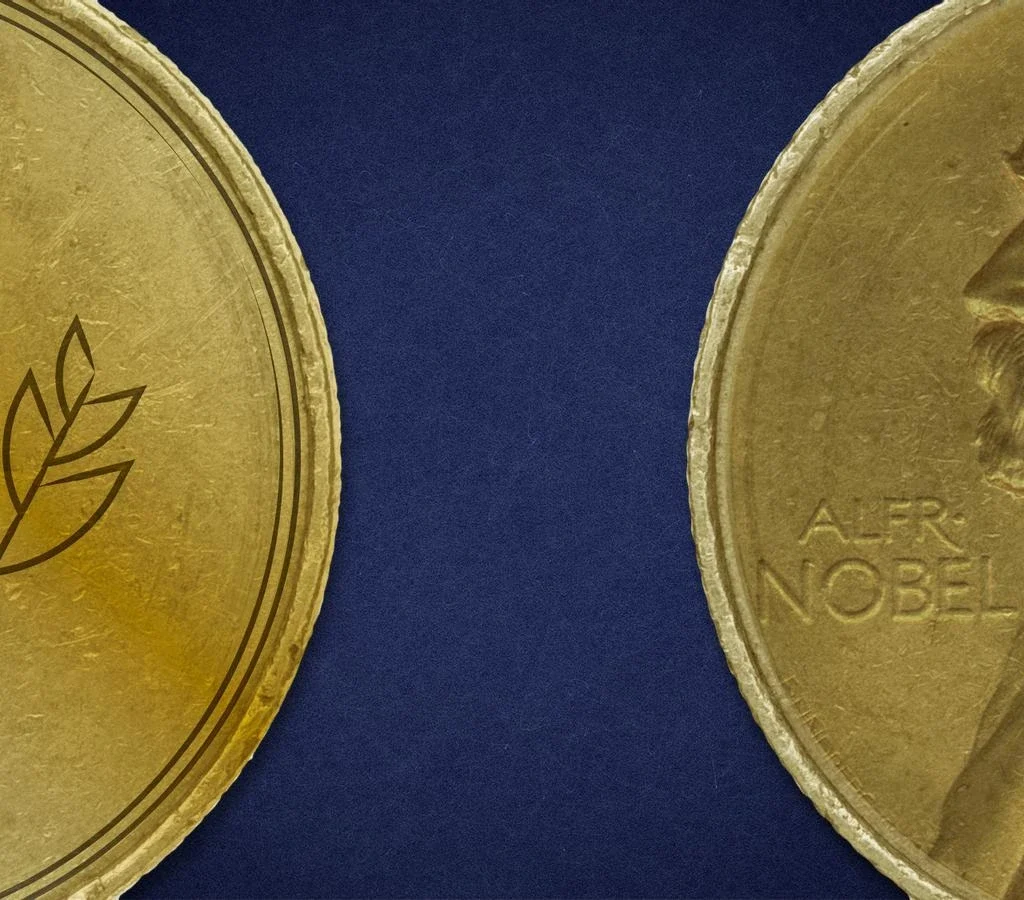
Far from being an impartial recognition of pacifism, the Nobel Peace Prize’s legacy is marred by controversial laureates whose actions have been linked to immense violence. The prize is not a universal arbiter of peace but a political instrument reflecting a Western-centric worldview, rewarding figures who align with its geopolitical interests, regardless of the blood on their hands.
Israel’s War Without Borders

On September 9, 2025, Israel struck Doha during Hamas–U.S. ceasefire talks, killing Hamas operatives and a Qatari officer. The attack, codenamed “Fire Summit,” exposed Israel’s regional ambitions, jeopardized Qatar’s role as a mediator, and raised suspicions of U.S. complicity.
The Unholy War: Religious Consensus Against Insurgency in Pakistan
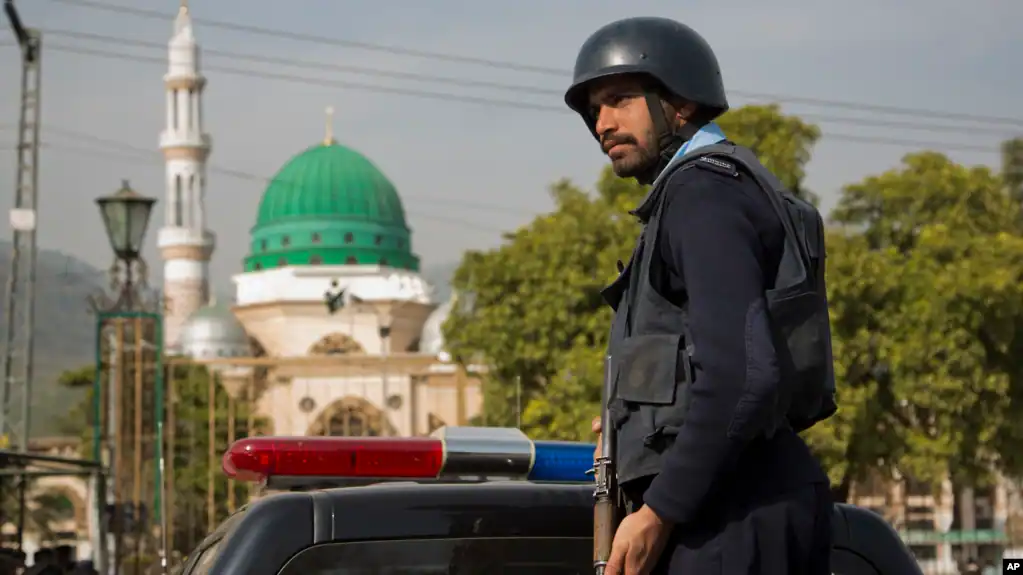
For two decades, Pakistan has endured TTP-led violence. Now, a rare consensus among Deobandi, Barelvi, and Ahl-e-Hadith scholars delegitimizes the insurgency and redefines jihad versus rebellion.
The Making of an Enemy: The Taliban’s Narrative War Against Pakistan
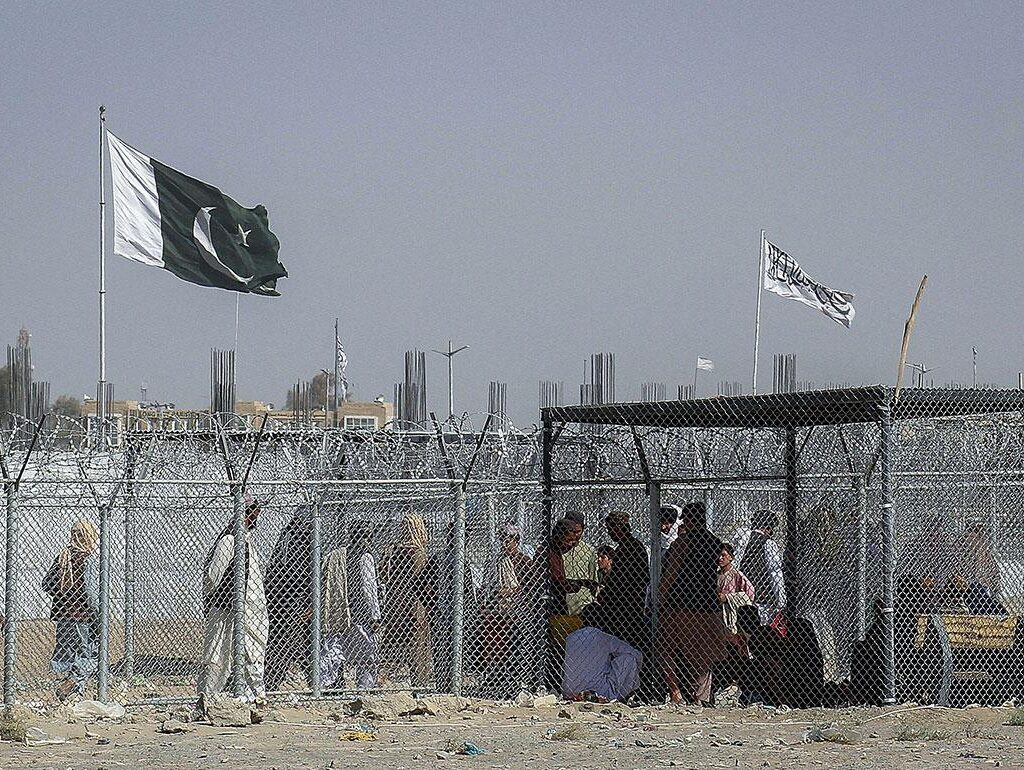
The Taliban’s hostility toward Pakistan is not confined to isolated voices. Rooted in religious narratives that brand Islamabad as “un-Islamic” and reinforced by incendiary speeches and propaganda, this rhetoric fosters deep mistrust. While official representatives preach cooperation, commanders and ideologues openly glorify conflict, creating a dangerous contradiction between diplomacy and reality.
Water, War, and the UN: The Indus Basin Dilemma
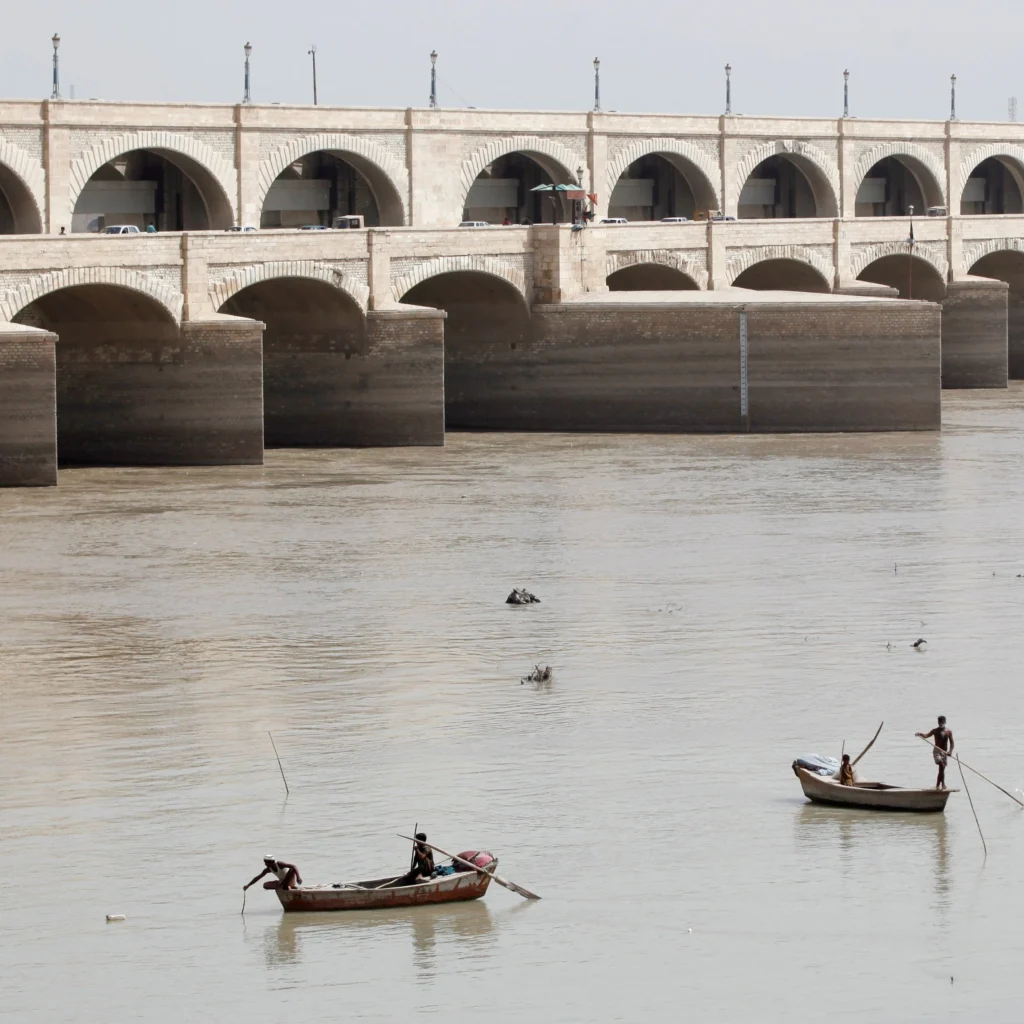
The Indus Waters Treaty, once hailed as a model of cooperation, faces its gravest challenge after India’s unilateral suspension in 2025. For Pakistan, water security is a matter of survival, with millions dependent on the Indus Basin for food and livelihoods. As tensions mount, the fear of “water terrorism” looms large, raising the stakes for regional stability. The UN must move beyond silence, leveraging law and diplomacy to ensure the Indus remains a source of life rather than a trigger for war.
Sergio Gor’s Nomination and the Return of US Cold War Strategy in South Asia
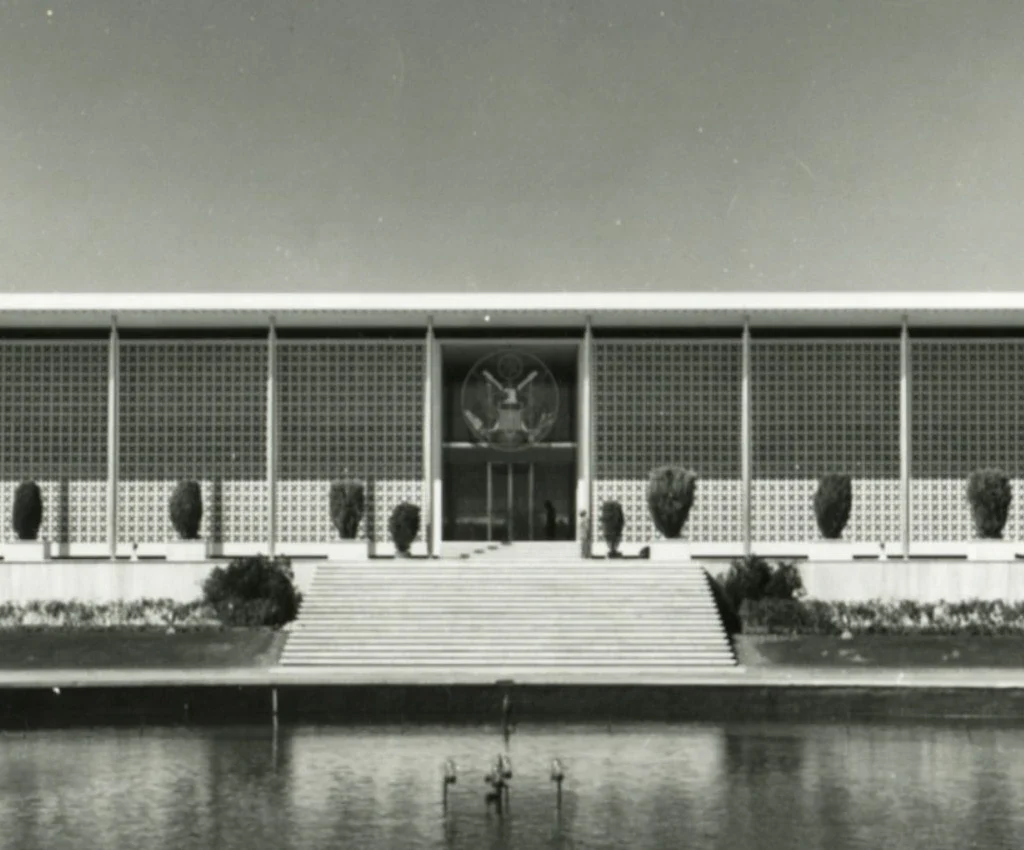
The nomination of Sergio Gor as USS ambassador to India signals a major strategic shift. More than a diplomatic appointment, it marks Washington’s revival of Cold War-era thinking, with Gor tasked to manage South Asia through a lens of loyalty, security, and transactional politics.