
How Sanctions, Militarized Economics, and Institutional Decay Broke Iran’s Currency
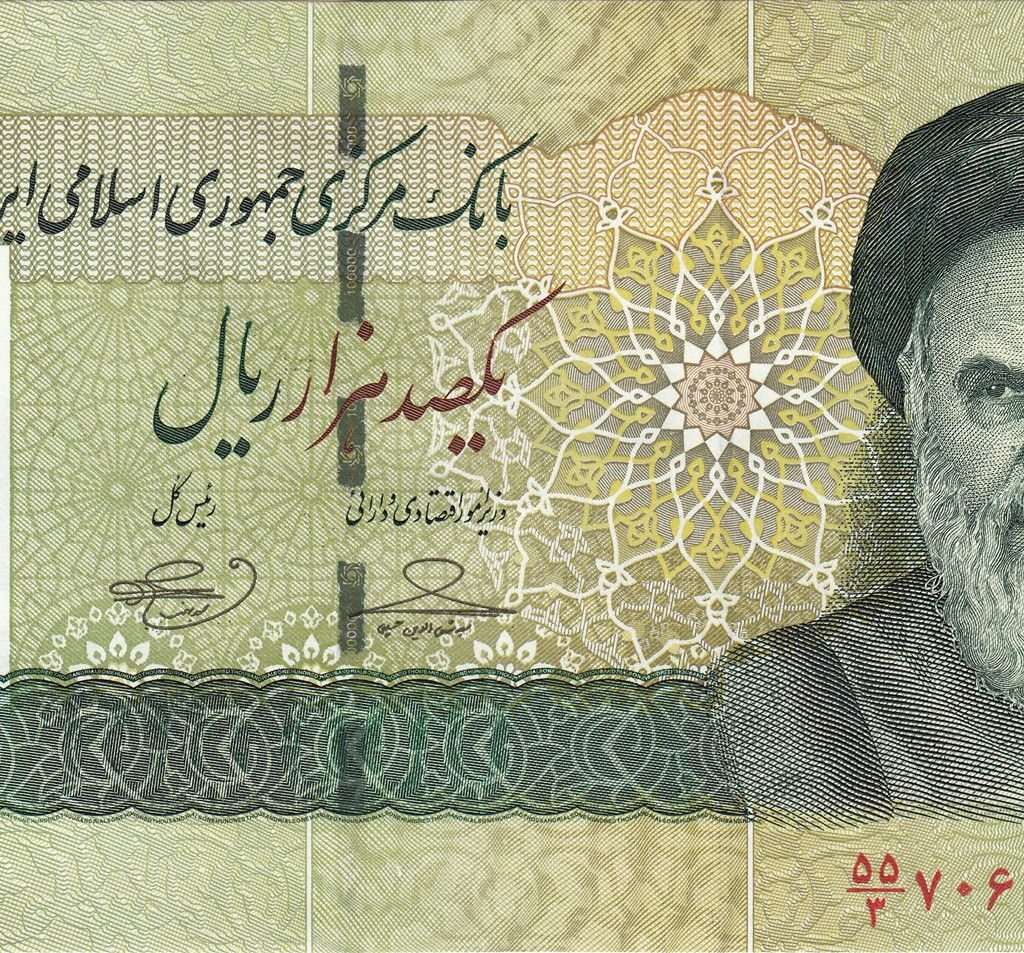
Iran’s 2026 currency crash was not a sudden shock but the result of sanctions, IRGC-dominated economics, and institutional decay undermining trust in the rial.
Bagram Airbase, US Aid, and Afghanistan’s Strategic-Humanitarian Dilemma
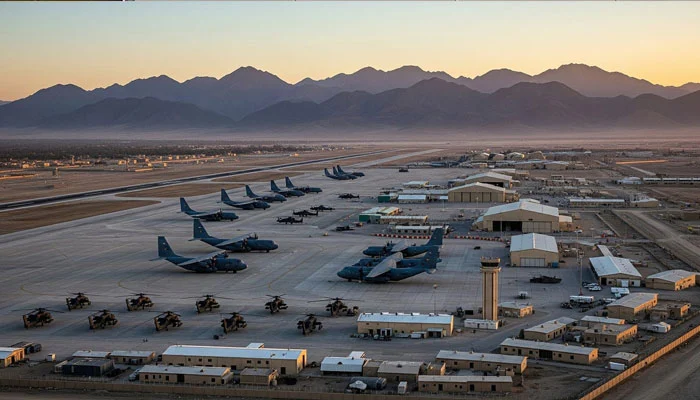
Sources suggest the Taliban has offered immediate access to Bagram Airbase for potential strikes against Iran in exchange for continued U.S. aid. Beyond military leverage, the offer underscores Afghanistan’s acute humanitarian crisis and the Taliban’s reliance on external support, highlighting the complex interplay between strategy, politics, and survival in a fragile state.
US-Pakistan Cooperation in Trade, Technology, and Minerals
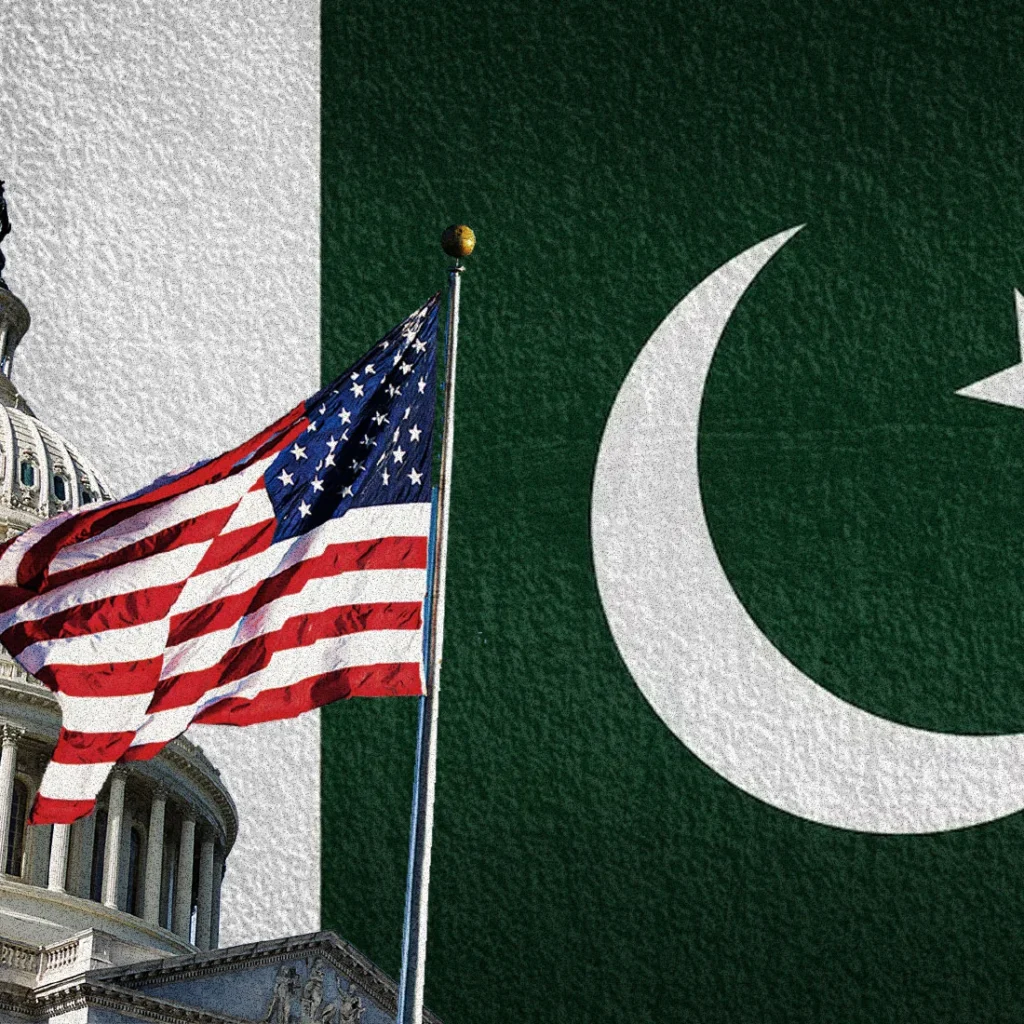
Natalie Baker signals a historic shift in the US-Pakistan ties, focusing on Reko Diq, agriculture, Fulbright programs, and a Green Alliance to strengthen trade, technology, and climate resilience.
The Enduring Consequences of America’s Exit from Afghanistan

The 2021 US withdrawal from Afghanistan was more than the end of a long war, it was a poorly executed exit that triggered the rapid collapse of the Afghan state. The fall of Kabul, the Abbey Gate attack, and the return of militant groups exposed serious gaps in planning and coordination.
The US Report on Pakistan’s May Win
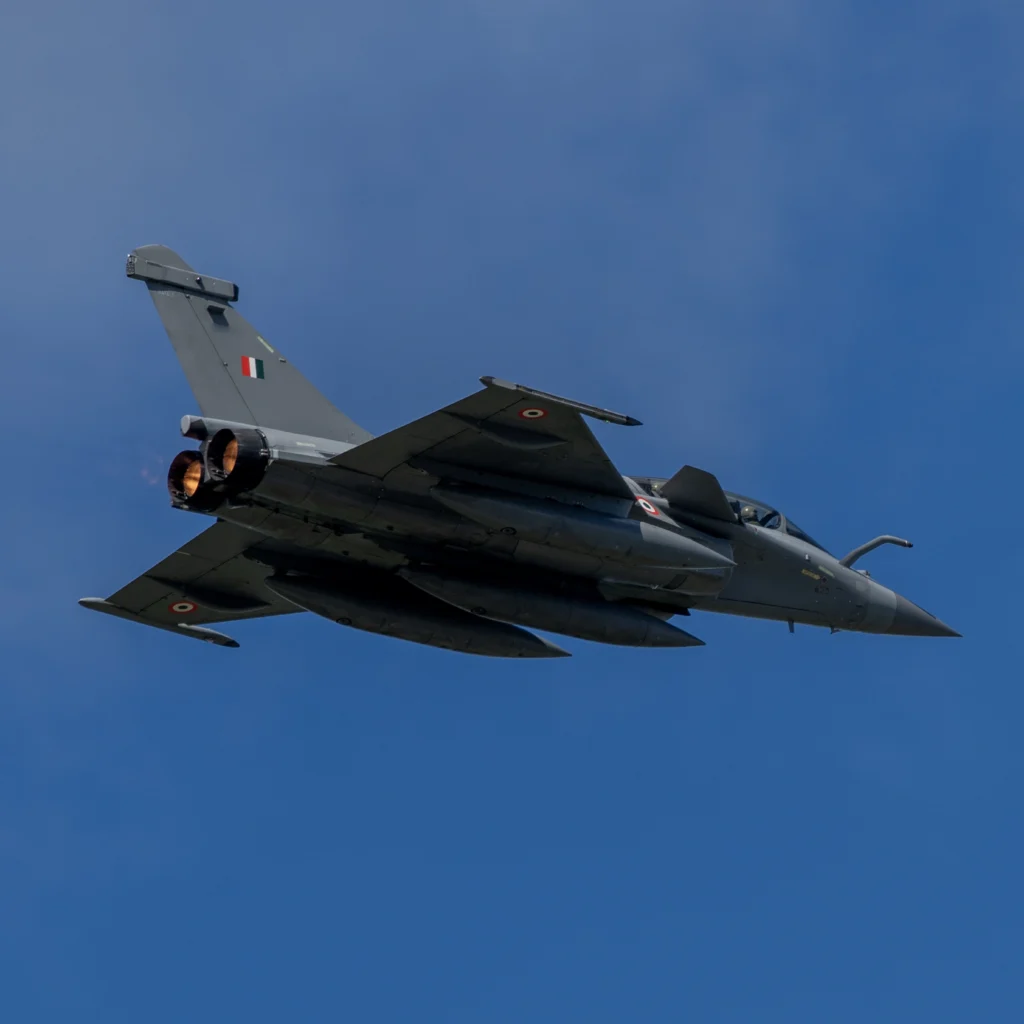
The USCC’s 2025 report delivered a rare moment of clarity in South Asian geopolitics. By openly describing Pakistan’s military success over India, the Commission broke with years of cautious Western language and confirmed a shift many analysts had only hinted at. The report’s wording, and the global reactions that followed, mark a turning point in how the 2025 clash is being understood.
Pakistan’s Stability: A Silent Pillar of US Strategic Interests
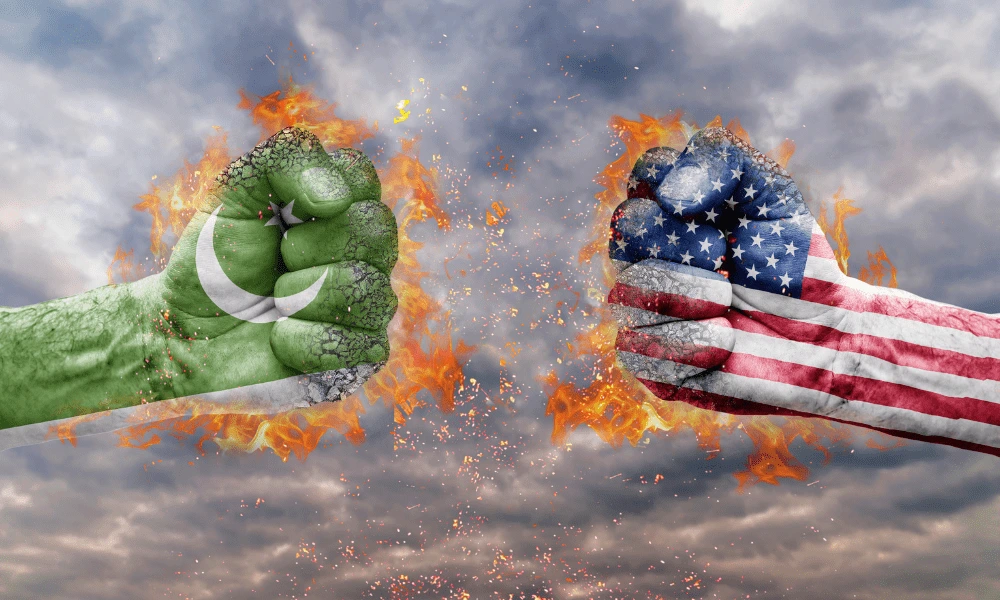
Long seen through a security lens, Pakistan is now redefining its role in US strategy, as a supplier of critical minerals, a connectivity hub between Central and South Asia, and a stabilizing force in a volatile region. Amid global competition with China and shifting energy dynamics, Washington increasingly views Pakistan’s stability not as a choice but as a strategic necessity anchoring its economic and geopolitical interests across Asia.
Rich Land, Poor People: The Struggle to Unlock Pakistan’s Mineral Fortune
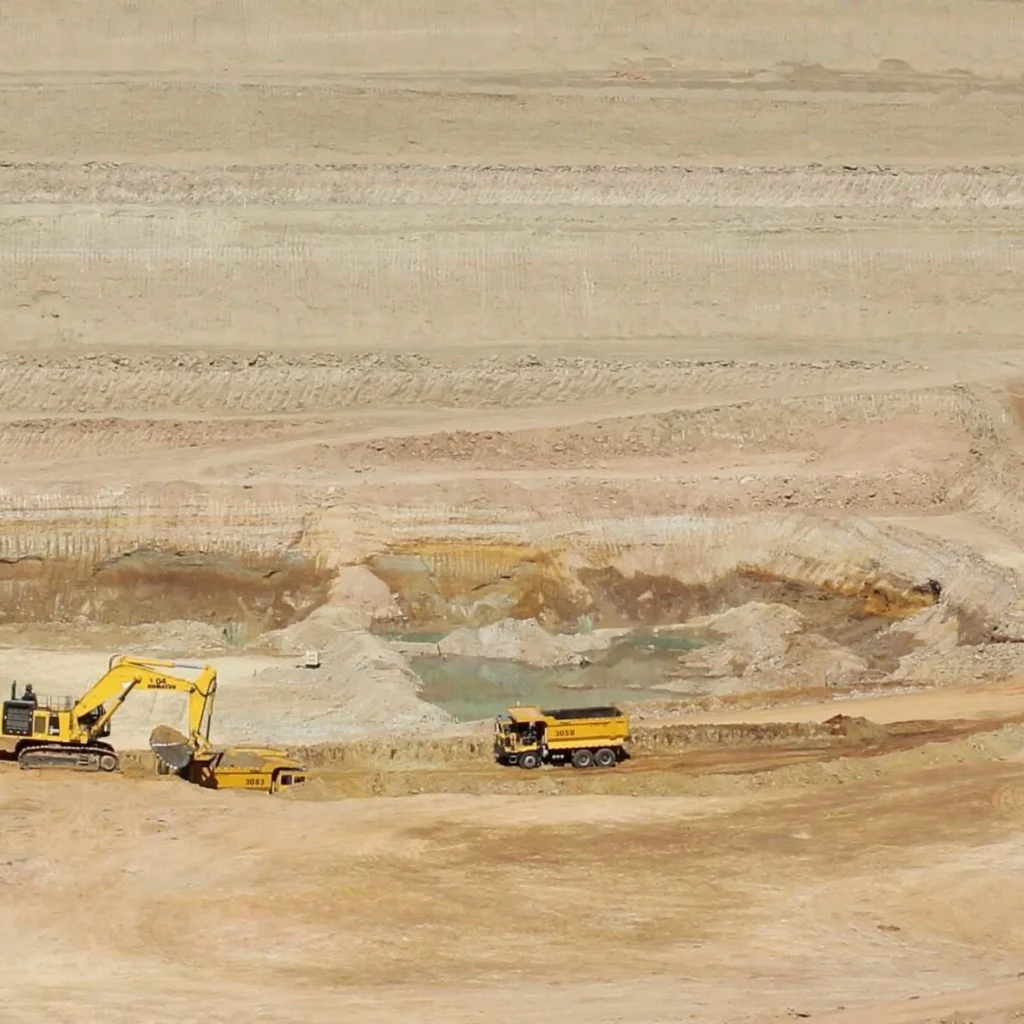
Unlocking Pakistan’s mineral fortune is less a matter of geology and more a test of governance. It hinges on attracting investment, implementing equitable policies, and navigating deep-seated grievances to avoid the resource curse that has plagued other nations.
Trump’s H1B Policy: Consequences for India
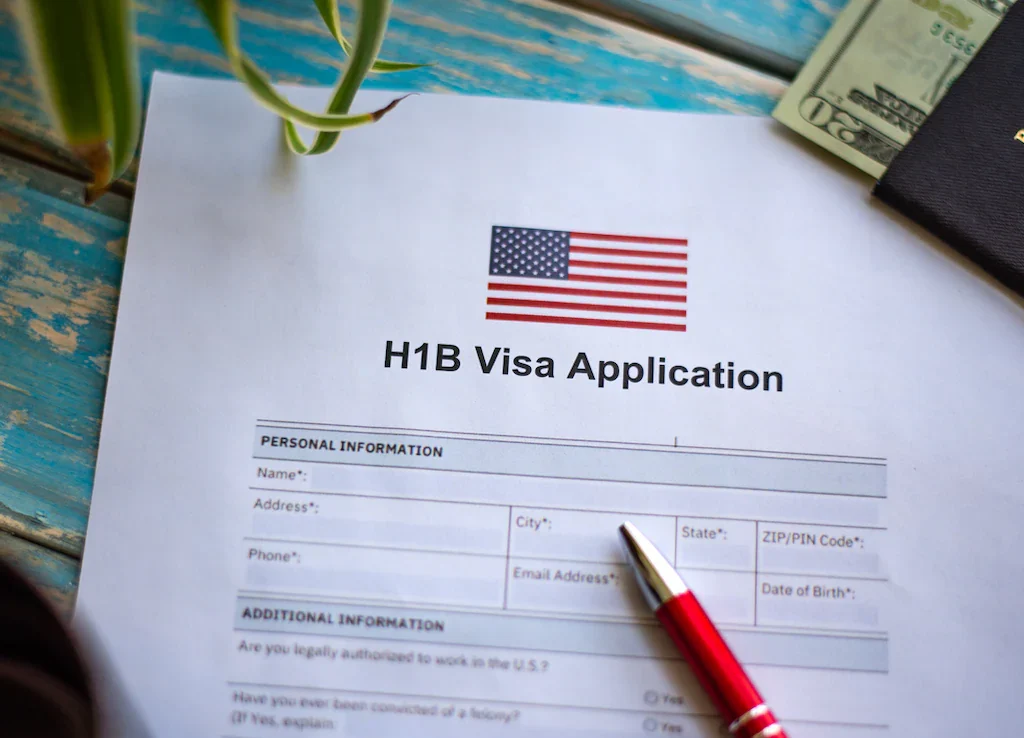
A new Trump executive order imposing a $100,000 annual fee on H1B visas marks more than a shift in U.S. immigration policy, it is a geopolitical act with lasting consequences. While American firms may adapt, India faces structural damage.
Pakistan’s Role in UN Peacekeeping: A Legacy of Sacrifice and Global Service
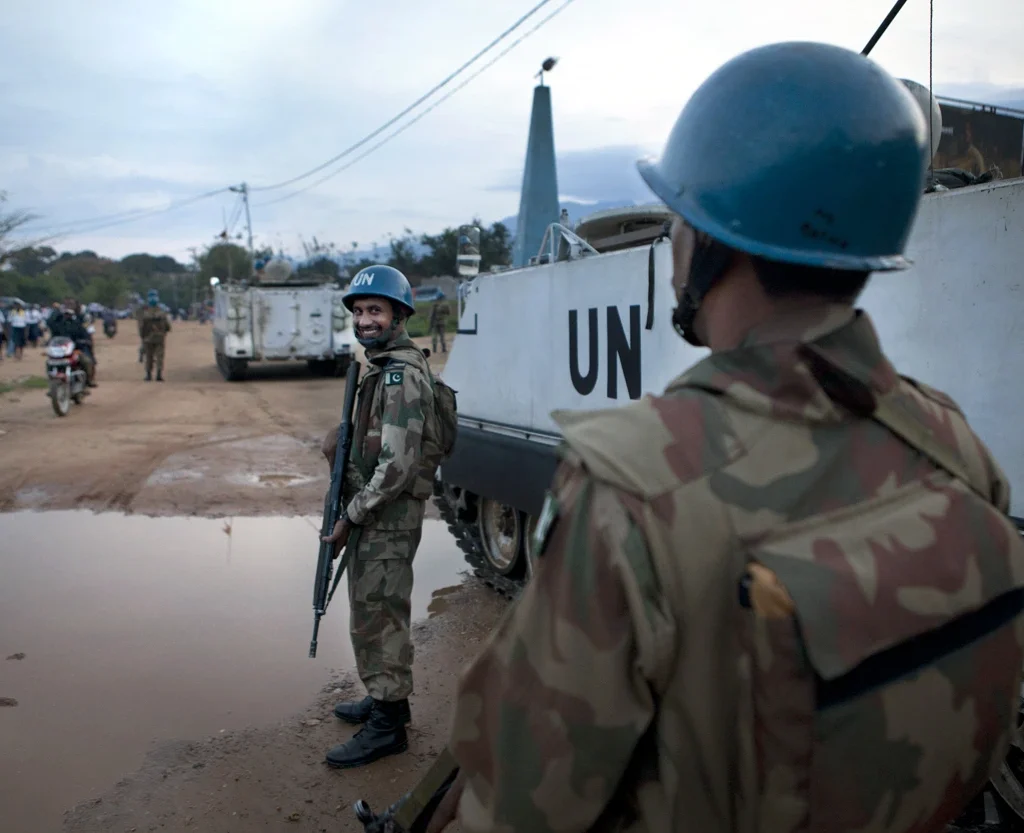
For over seven decades, Pakistan’s role in UN peacekeeping has defined its international standing. From the Congo in 1960 to modern missions in South Sudan and the DRC, Pakistani peacekeepers have shown courage, adaptability, and sacrifice. Their legacy is one of humanitarian commitment and global service.
Pakistan’s Counter-Terrorism Strategy: Why Comparisons to the US War on Terror Are Misleading
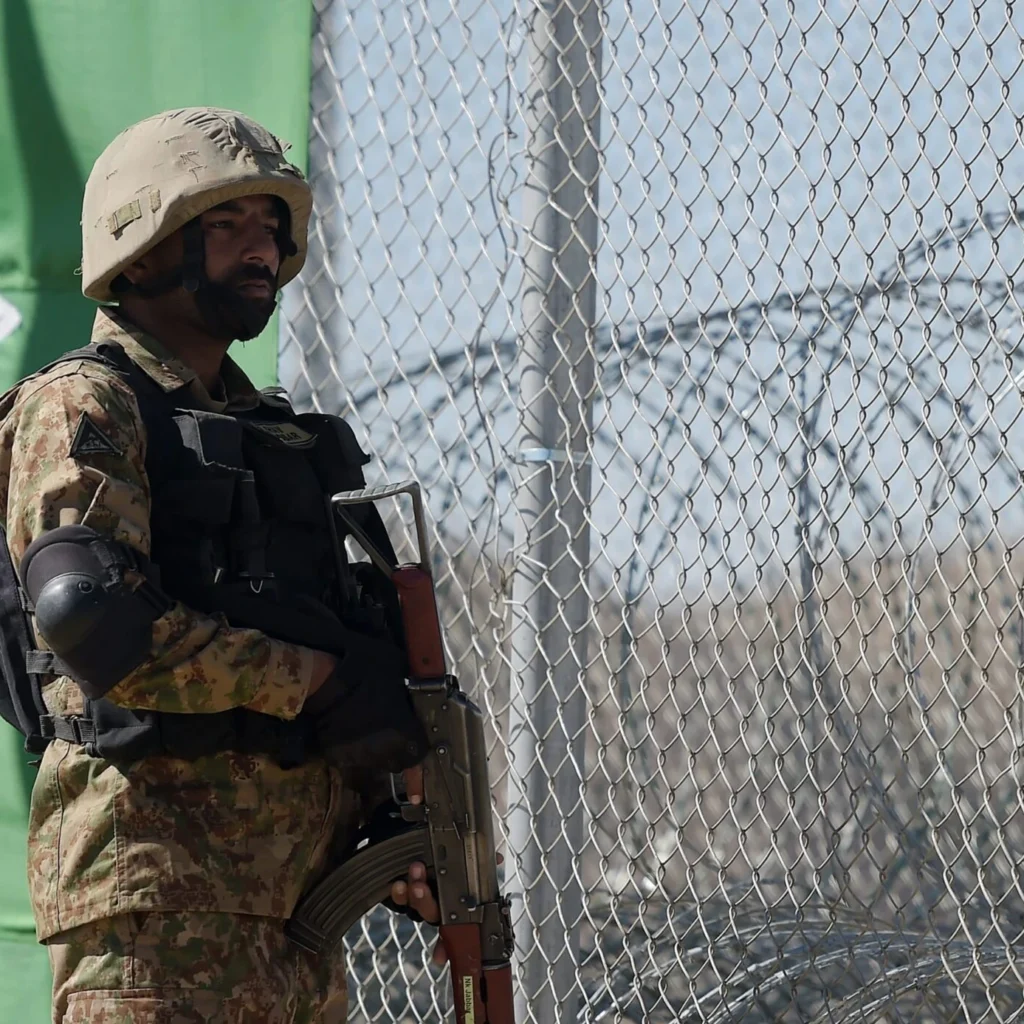
Obaidullah Baheer’s critique misrepresents Pakistan’s counter-terrorism fight by equating it with America’s wars abroad. Unlike the US, Pakistan faces an existential threat from groups like the TTP and BLA, requiring a nuanced mix of military, legal, and development responses.