
The Nexus of Disinformation : How Afghanistan, India And Israel Shape Anti-Pakistan Narratives
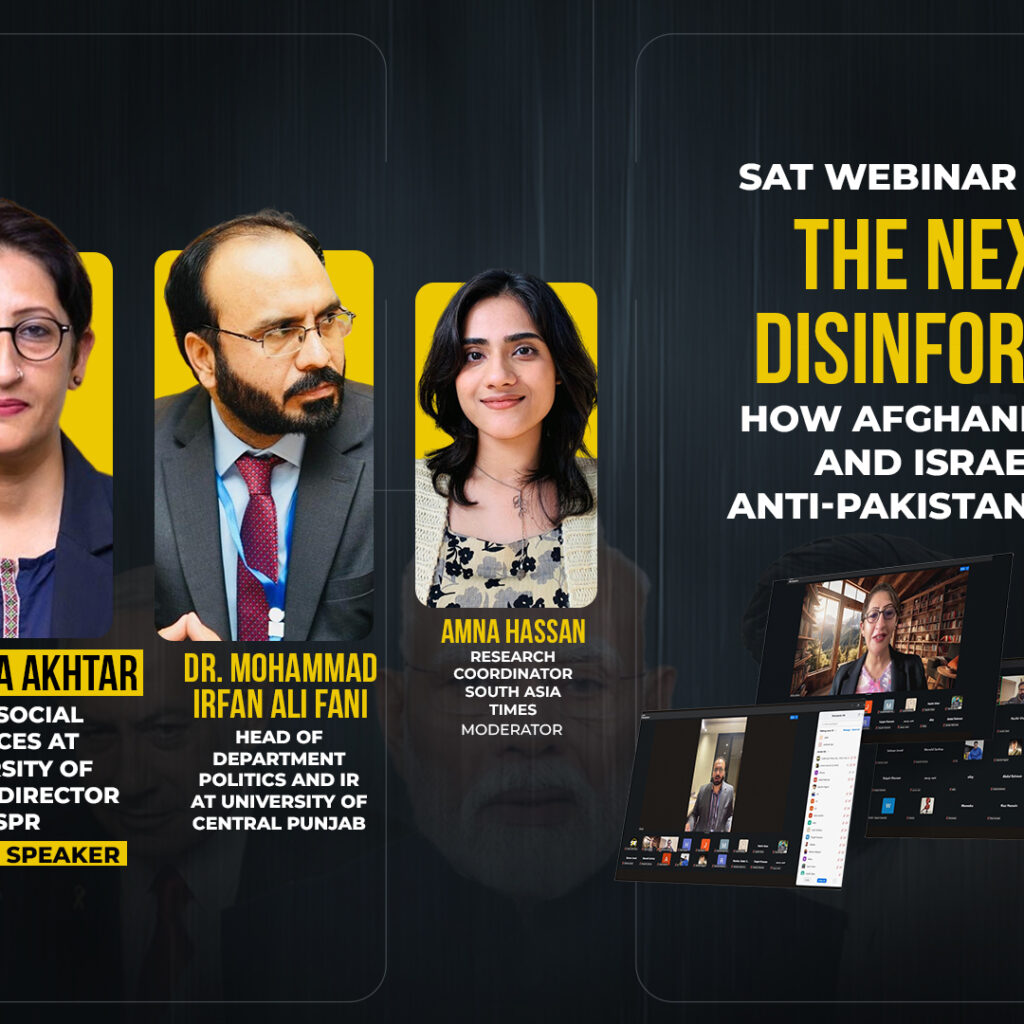
The Nexus of Disinformation : How Afghanistan, India And Israel Shape Anti-Pakistan Narratives 25 nov 2025 Online SAT Web Administrator Share 25 November 2025 Tuesday Roundtable Event South Asia Times Inqueries: info@southasiatimes.org Executive Summary On November 25, 2025, the South Asia Times (SAT) convened a high-level webinar titled “The Nexus of Disinformation” to address the growing […]
Dividend or Disaster? Why India’s Population Policy Needs a Jobs-first Approach
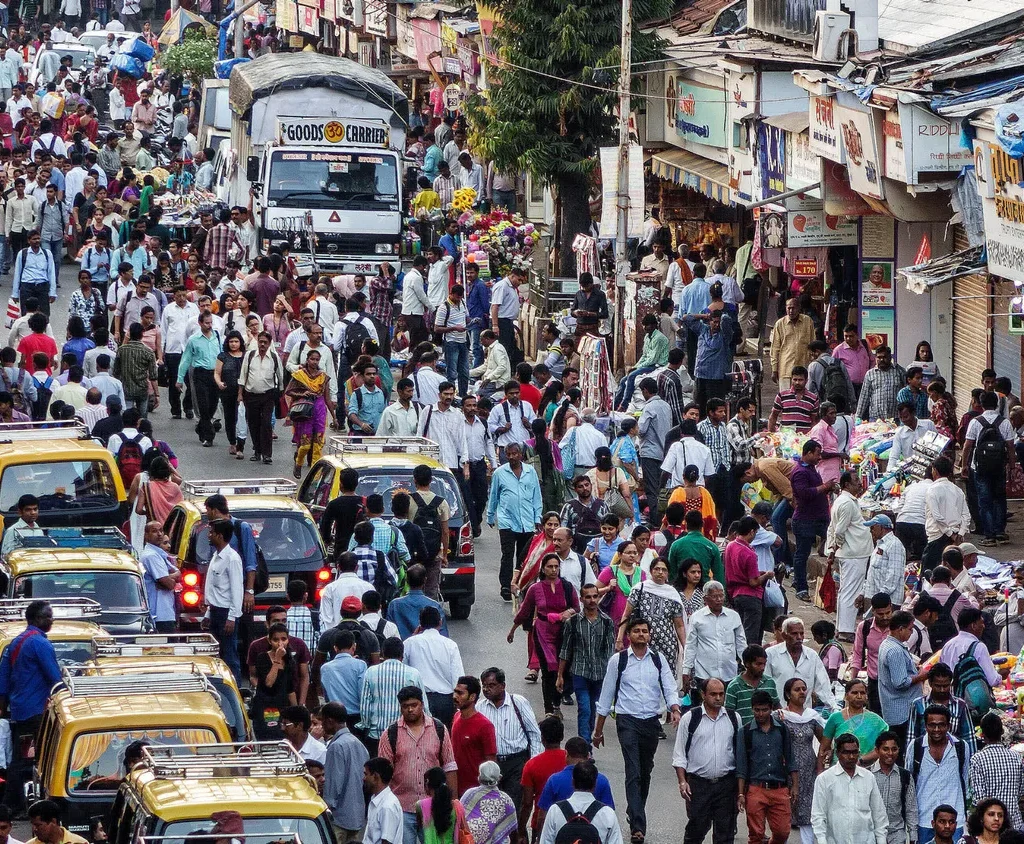
India’s youthful demographic profile presents enormous opportunities, but only if the country can generate enough quality jobs. While the Economic Survey 2024 highlights improvements in labour participation and unemployment, deeper structural issues persist, including informal work, regional disparities, and gender gaps. A jobs-first approach is essential to convert India’s demographic advantage into real and sustained economic gains.
A Temporary Equilibrium: India–Taliban Engagement and the Limits of Transactional Diplomacy
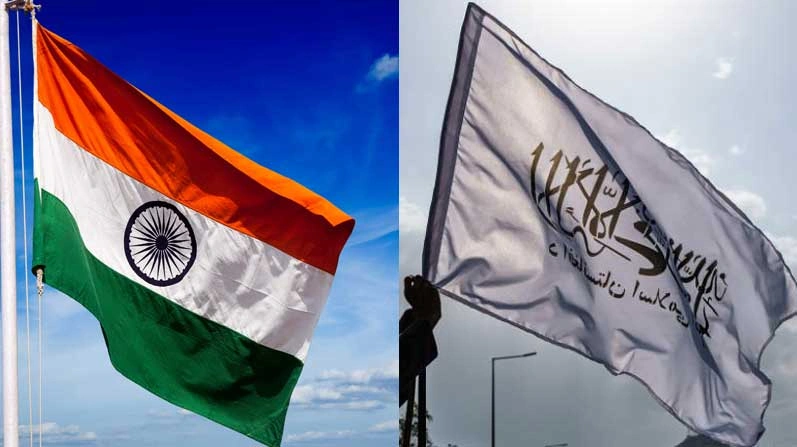
The visit of Afghanistan’s commerce minister to New Delhi signals a cautious thaw in India–Taliban ties, driven by mutual short-term imperatives. Yet four decades of path dependence, ideological hostility, and the AQIS–Taliban nexus render the détente fragile—more a tactical pause than a strategic reset.
Afghanistan: The Question of Pakistan’s Complaints
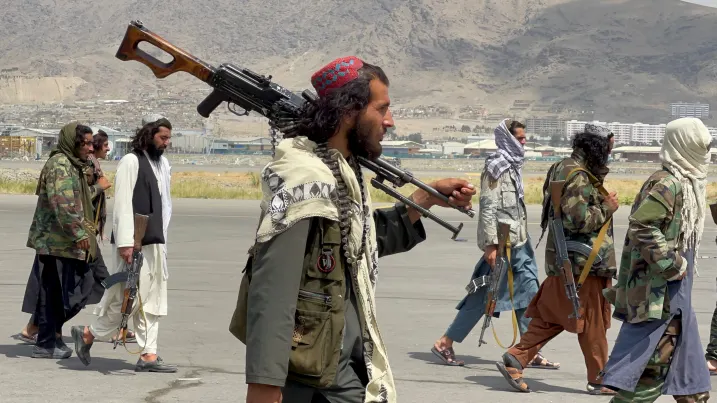
Taliban’s acting Foreign Minister Amir Khan Muttaqi asked why only Pakistan complains about terrorism in Afghanistan. The truth is clear; Pakistan bears the heaviest burden. Since 2021, the Taliban regime has turned Afghanistan into a hub of terror and oppression, leaving Pakistan to face staggering human, economic, and security costs while the world watches.
Narrative by Design: Al Jazeera’s Editorial Tilt on the Pakistan–TTP Conflict
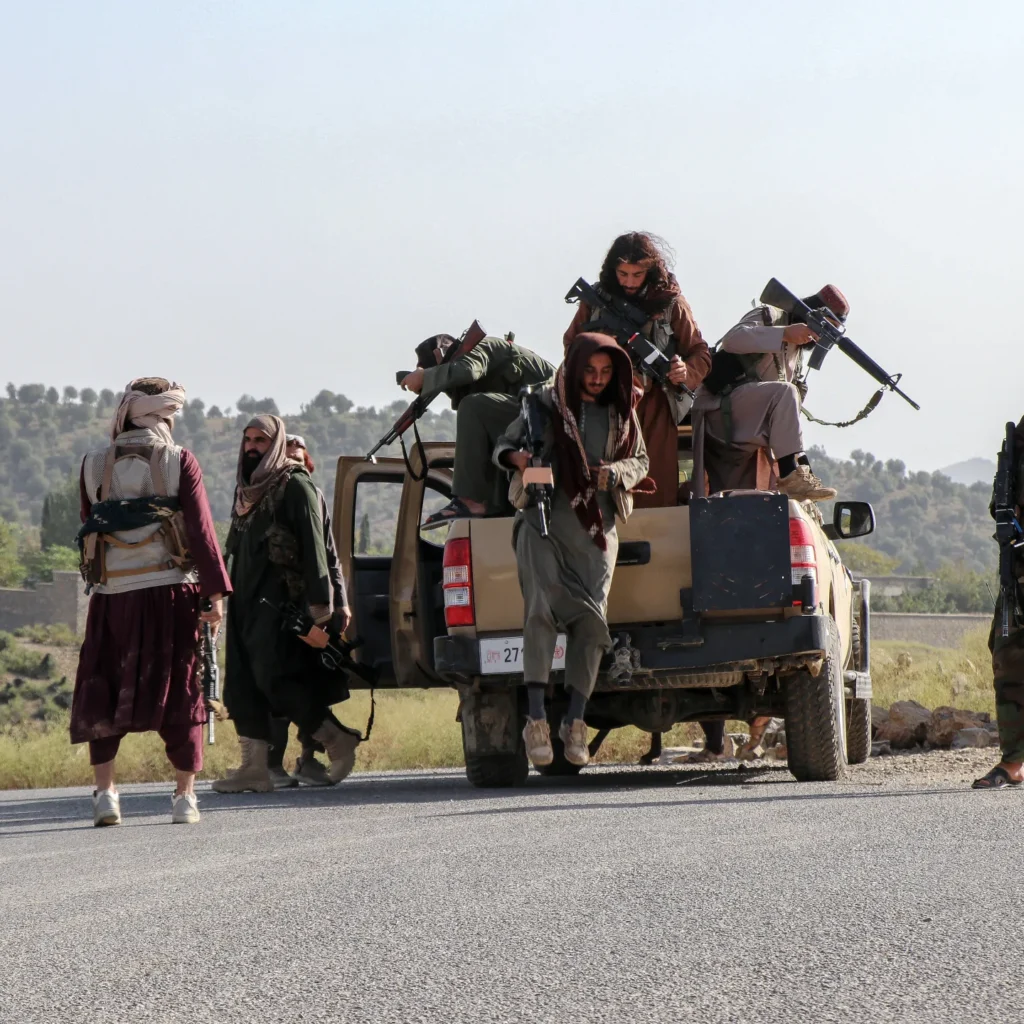
Al Jazeera’s reputation for alternative journalism contrasts sharply with its recent reporting on Pakistan’s conflict with the TTP and tensions with the Afghan Taliban. A close review shows consistent editorial choices that soften the Taliban’s image, reframe terrorist violence as resistance, and cast Pakistan’s counter-terrorism actions as aggression—ultimately reshaping the narrative in Kabul’s favour.
Modern Platforms, Evolving Doctrine

The Gulf’s air-power evolution is increasingly shaped by the fusion of advanced platforms with modern doctrine and faster decision cycles. As regional forces adapt to complex threat environments, partners like Pakistan, whose operational experience spans multiple domains, are becoming part of the broader conversation on future air-power thinking.
The War on Knowledge: History, Ideology, and Strategic Goals of TTP Attacks on Educational Institutions
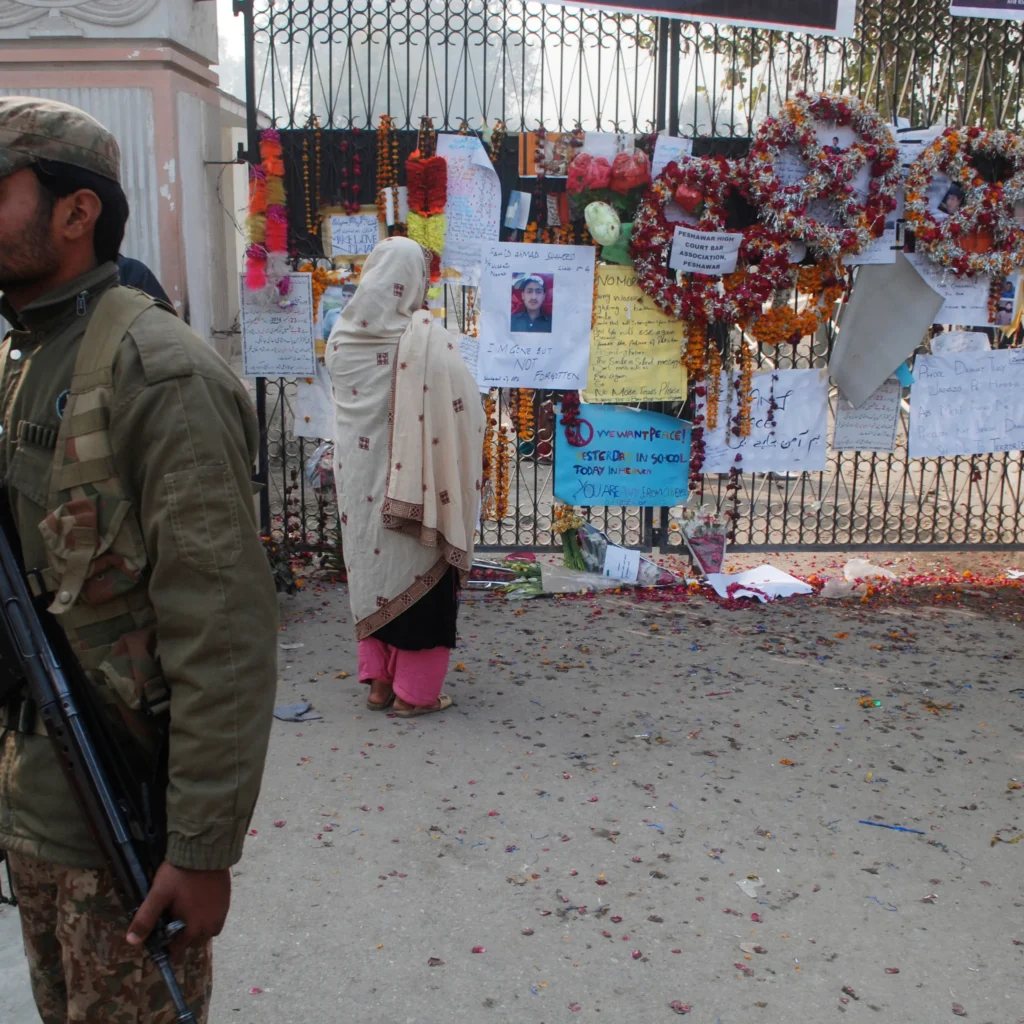
The TTP’s war on education is a deliberate campaign to reshape society by destroying schools, suppressing knowledge, and undermining state authority. Rooted in ideology, coercion, and strategy, these attacks target Pakistan’s future by dismantling its most vital institutions of learning.
Economic Engagement or Ethical Dilemma? Canada-India Relations and the Nijjar Case
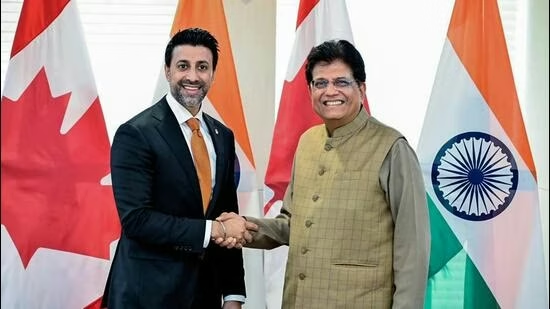
Canada’s renewed trade outreach to India comes at a moment of deep diplomatic strain. As Minister Maninder Sidhu seeks to revive economic cooperation, the unresolved assassination of Sikh activist Hardeep Singh Nijjar, and allegations implicating senior Indian officials, cast a long shadow. The controversy raises critical questions about whether Ottawa can balance economic ambitions with justice, accountability, and the protection of Canadian sovereignty.
Why Kabul’s Trade Boycott Hurts Itself More Than Pakistan
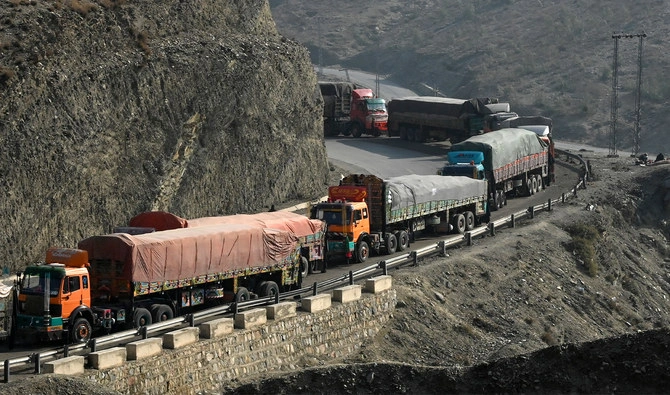
Afghanistan’s bid to pivot trade away from Pakistan after the October 2025 closures reveals the limits of sovereignty without geography. Islamabad’s leverage remains structural, grounded in security and logistics, not coercion.
Instability as Strategy: How India Benefits from the Afghan-Pakistan Breakdown
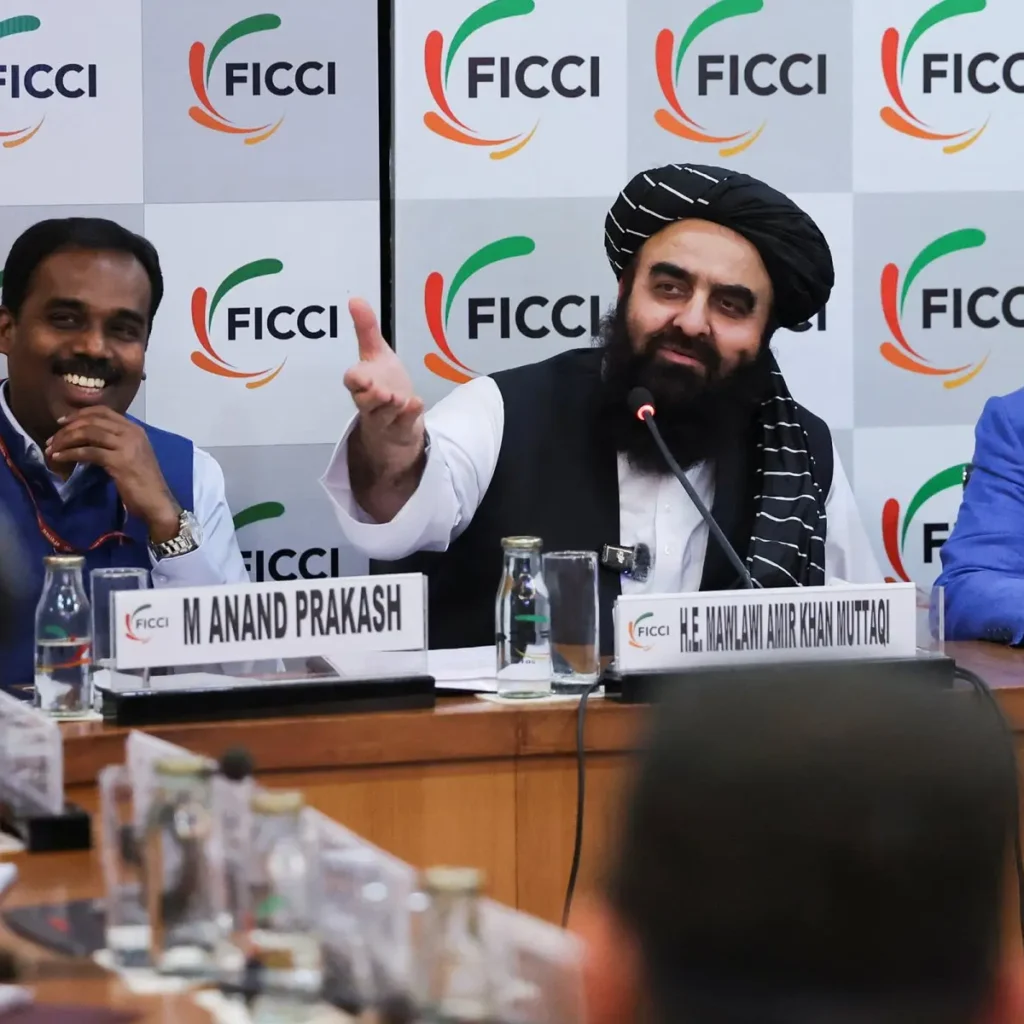
The escalating tensions between Pakistan and Afghanistan’s Taliban-led regime have reignited South Asia’s most volatile frontier. As cross-border attacks intensify and the Taliban refuses to dismantle the Tehreek-e-Taliban Pakistan (TTP), Islamabad faces mounting security and sovereignty challenges. Yet, amid this chaos, India emerges as the silent beneficiary, leveraging regional instability to weaken Pakistan strategically while maintaining its image as a victim of terrorism. This calculated exploitation threatens to entrench South Asia in a new cycle of proxy conflict.