

Kharjeeyat and the Ideological Roots of Pakistan’s Extremism Crisis
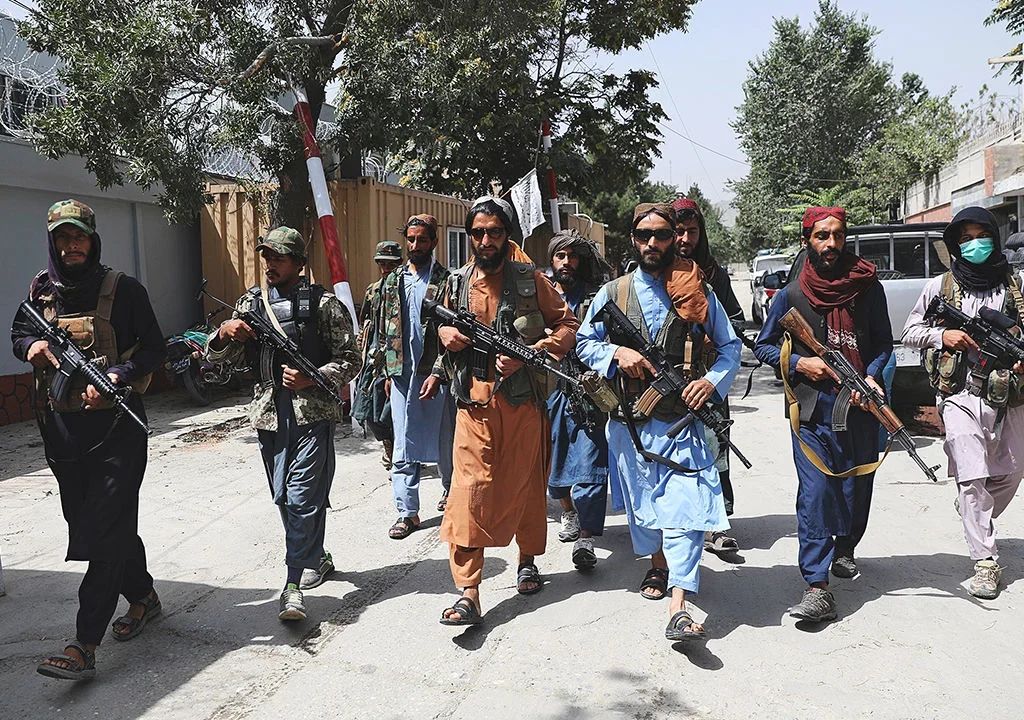
Pakistan’s decades-long struggle against militancy has produced extensive security frameworks, significant military victories, and countless counter-terrorism operations. Yet the fundamental question remains inadequately addressed: what keeps producing these movements? The analytical lens has almost always focused on operational manifestations, attack frequencies, militant networks, and body counts, while the ideological architecture that sustains and regenerates extremism […]
The Architecture of Regional Destabilization
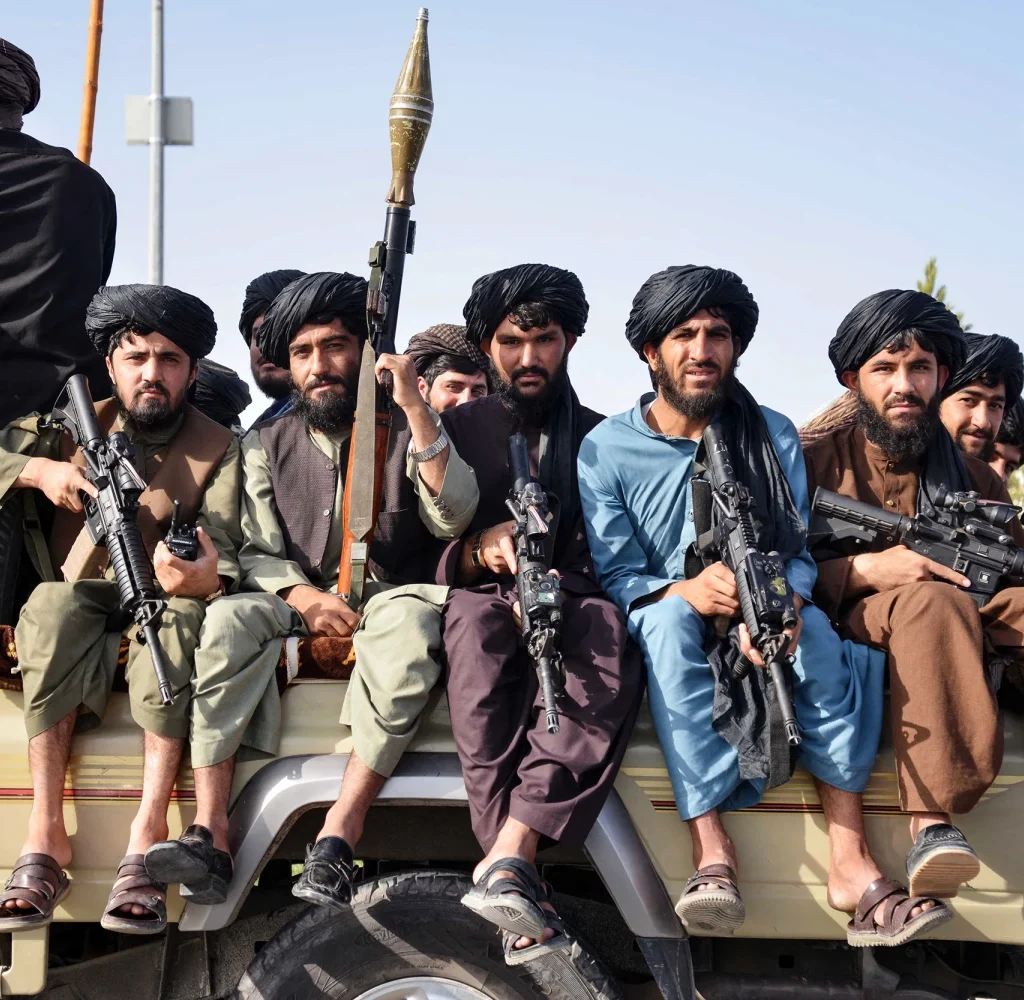
Pakistan’s representative, Counsellor Syed Atif Raza, at the Ninth Biennial Meeting of States (BMS-9) on the UN Programme of Action on Small Arms and Light Weapons, highlighted the serious regional threat posed by advanced weapons stockpiles in Afghanistan. He described these as a direct risk to neighbouring countries, including Pakistan, noting that the illicit transfer […]
The Gathering Storm – How Afghanistan’s Terror Ecosystem Threatens Regional Security

For decades, Pakistan has borne the heaviest brunt of instability in Afghanistan. When the Taliban returned to power in Kabul in August 2021, there was a cautious, perhaps naive, optimism in some regional quarters that a centralized authority would finally put an end to the chaotic safe havens that defined the war-torn nation. Today, those […]
Fitna al-Khawarij: The Resurgent Scourge Undermining Pakistan’s Stability
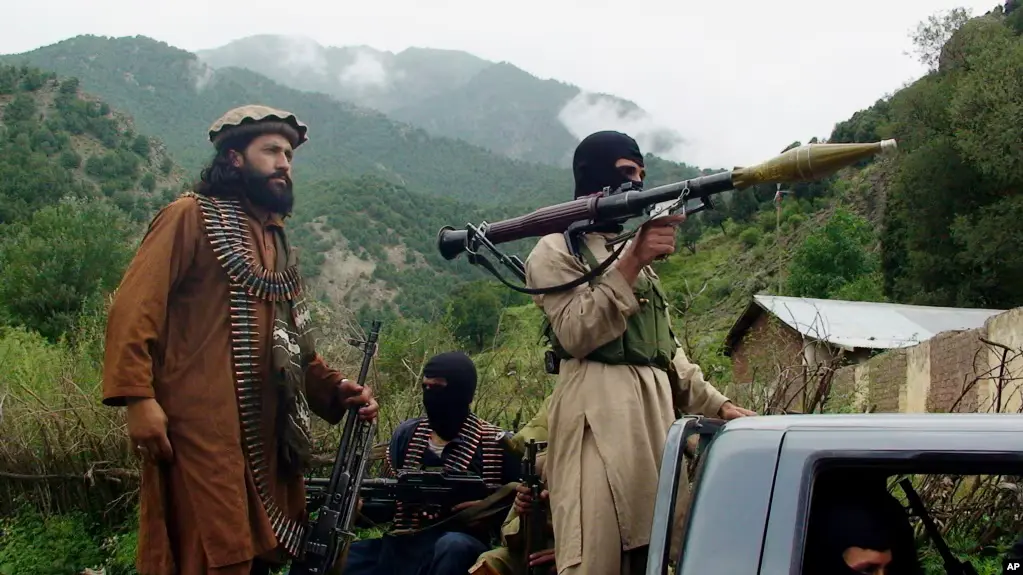
Pakistan’s security forces continue to confront the growing threat of Tehreek-e-Taliban Pakistan (TTP), known as Fitna al-Khawarij for their deviant ideology and hooliganistic approach against the Muslim state and its people. The recent intelligence-based operation in Spinwam, North Waziristan, which eliminated five militants including high-value ringleader Kharji Umar alias Jan Mir alias Tor Saqib underscores […]
Pakistan’s Cross-Border Strikes and the Evolving Counterterror Doctrine
![Afghan men search for victims after a Pakistani air strike hit a residential area in the Girdi Kas village, Nangarhar province on February 22, 2026. [Aimal Zahir/AFP/Getty Images]](https://southasiatimes.org/wp-content/uploads/2026/02/gettyimages-2262391441.webp)
An analysis of Pakistan’s cross-border action, security rationale, and regional implications amid rising militant threats.
Balochistan’s Security Challenges, Criminal Networks, and Ground Realities
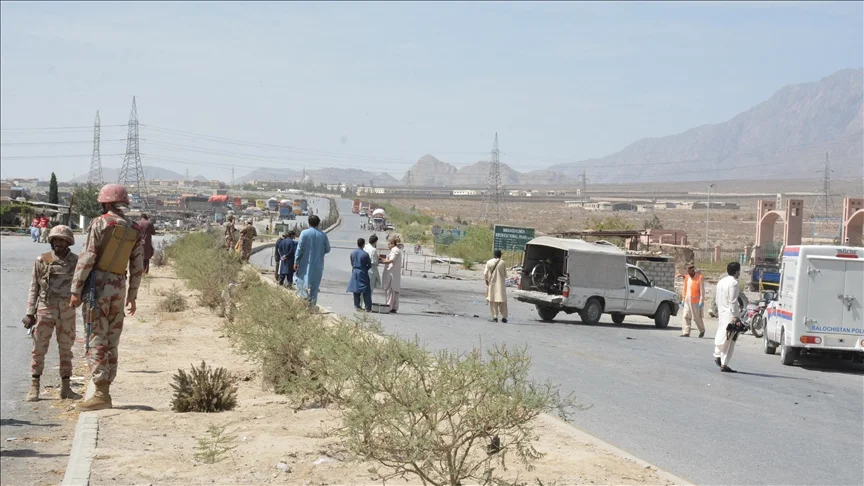
Balochistan’s security challenge is not rooted in deprivation alone but in a long-entrenched nexus of militant outfits, criminal mafias, and foreign-sponsored narrative manipulation. The failure of “Operation Herof II” underscores the disconnect between militant propaganda and ground realities.
Narrative, Priorities, and the Politics of Selective Outrage
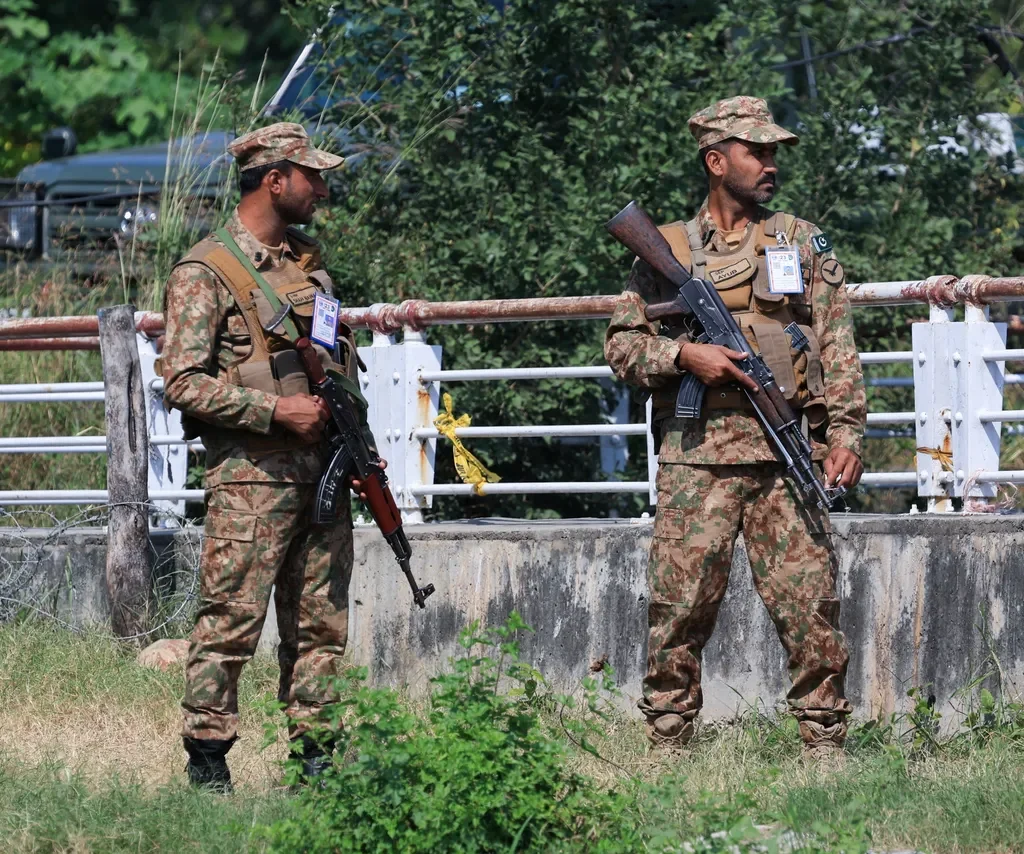
The discourse surrounding Tirah Valley highlights a widening gap between political narrative and humanitarian reality. While propaganda targets security forces, political action reveals where priorities truly lie.
Militancy, Borderization, and the Politics of a Frontier

The Durand Line’s transformation from a porous frontier to a fenced border is altering militant strategies, funding, and regional security. Jihadist networks like TTP and IS-K are adapting to these changes while local populations face social and economic pressures.
Afghan Immigrant Woman Convicted In UK For Attempting To Join Daesh
![Afghan woman Farishta Jami convicted of terrorism offences for planning to join Daesh in Afghanistan with her children. [Image via Khaama Press]](https://southasiatimes.org/wp-content/uploads/2025/02/Afghan-Immigrant-Woman-Joined-ISIS-880x660-1.webp)
Afghan woman Farishta Jami convicted of terrorism offences for planning to join Daesh in Afghanistan with her children.