
Before and After Panjshir: How Anti-Taliban Forces Are Adapting to a Long Insurgency
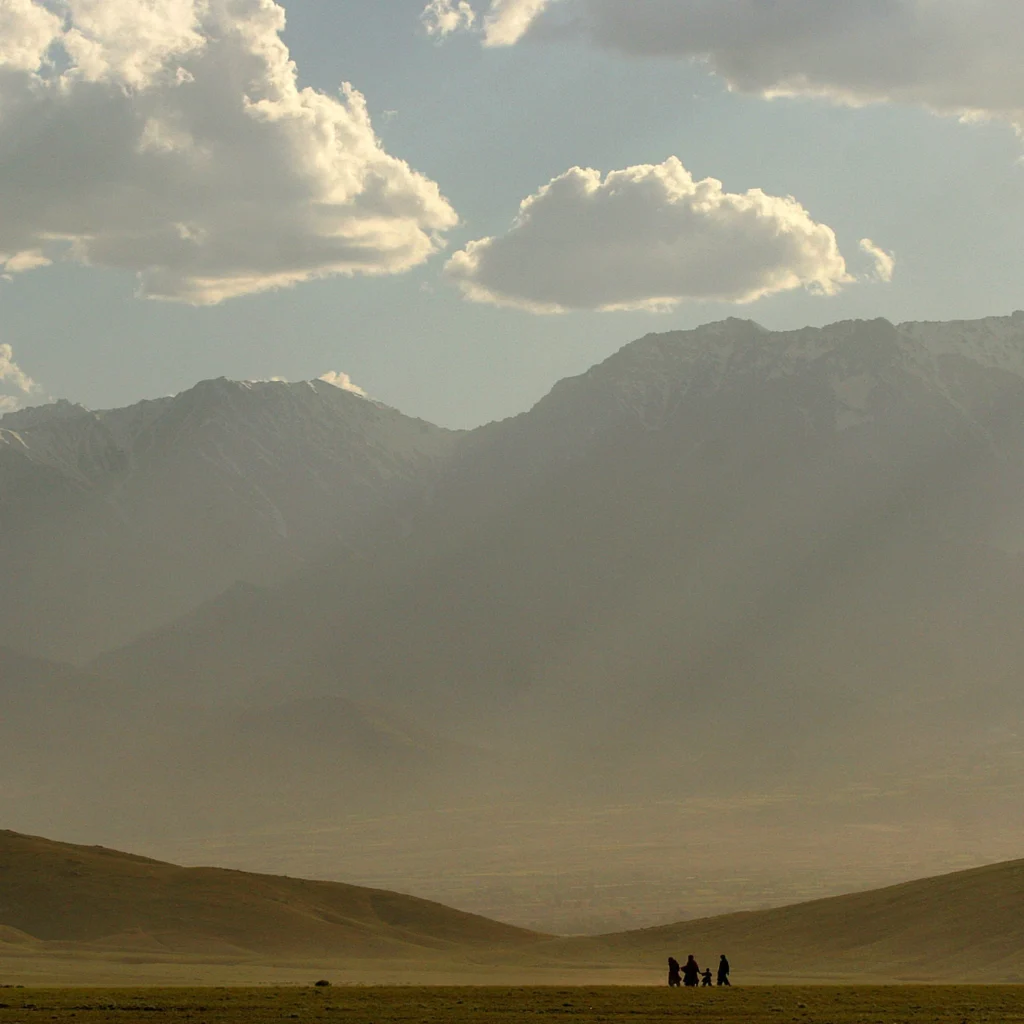
December 2025 marked a turning point in Afghanistan’s post-2021 resistance. Coordinated, intelligence-driven attacks across Kunduz and Badakhshan signaled that anti-Taliban forces have moved beyond symbolic defiance into a sustained campaign of urban-centric insurgency. Deprived of territory, external patrons, and conventional warfare options, groups like the NRF and AFF are adapting through mobility, information warfare, and selective strikes, pointing toward a long war defined by endurance rather than frontlines.
Afghanistan’s Trade Boycott: Strategic Miscalculation With Fiscal Consequences
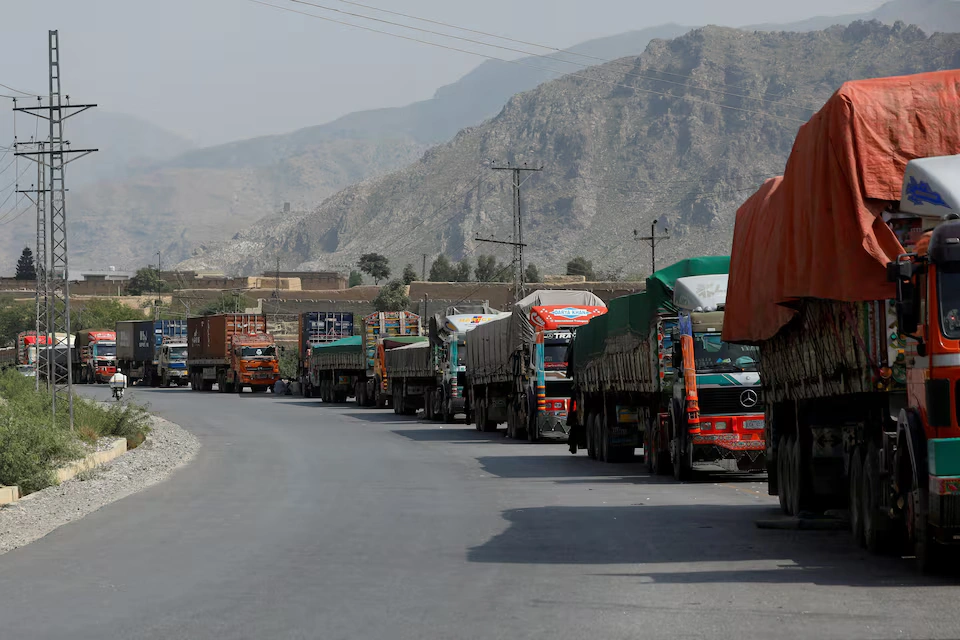
Afghanistan’s 2025 trade boycott of Pakistan exposes a strategic miscalculation. Despite efforts to shift toward Iran and Central Asia, Kabul remains structurally dependent on Pakistan’s mature trade corridors, customs revenue, labour mobility, and logistical efficiency. Alternative routes carry higher costs, sanctions risks, and operational delays, leaving the Taliban with mounting fiscal losses and regional constraints.
The Defund Taliban Campaign
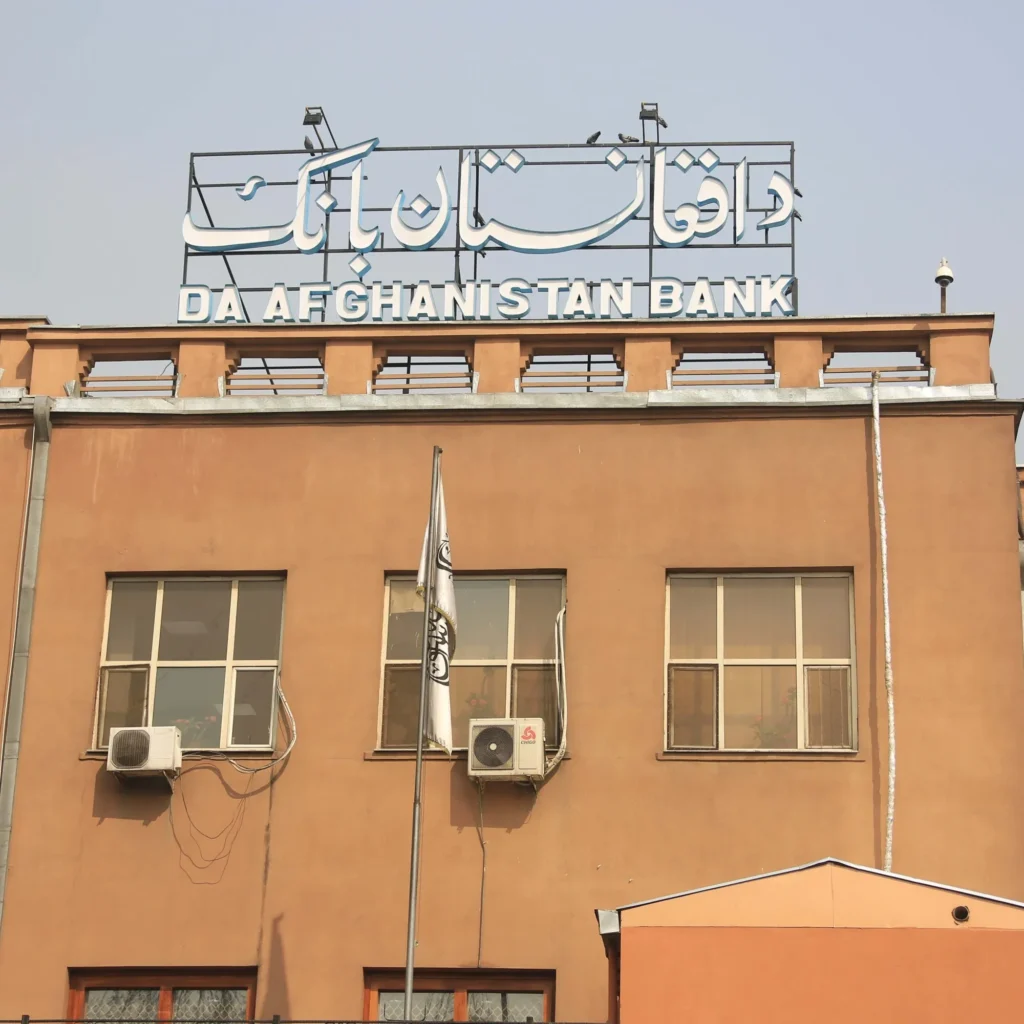
The Defund Taliban Campaign examines how indirect US funding and a $7 billion abandoned arsenal have turned the Taliban into a regional force multiplier for militant groups.
Criminalising Dissent: How New Laws and “Public Order” Politics Are Shrinking Democratic Space in India
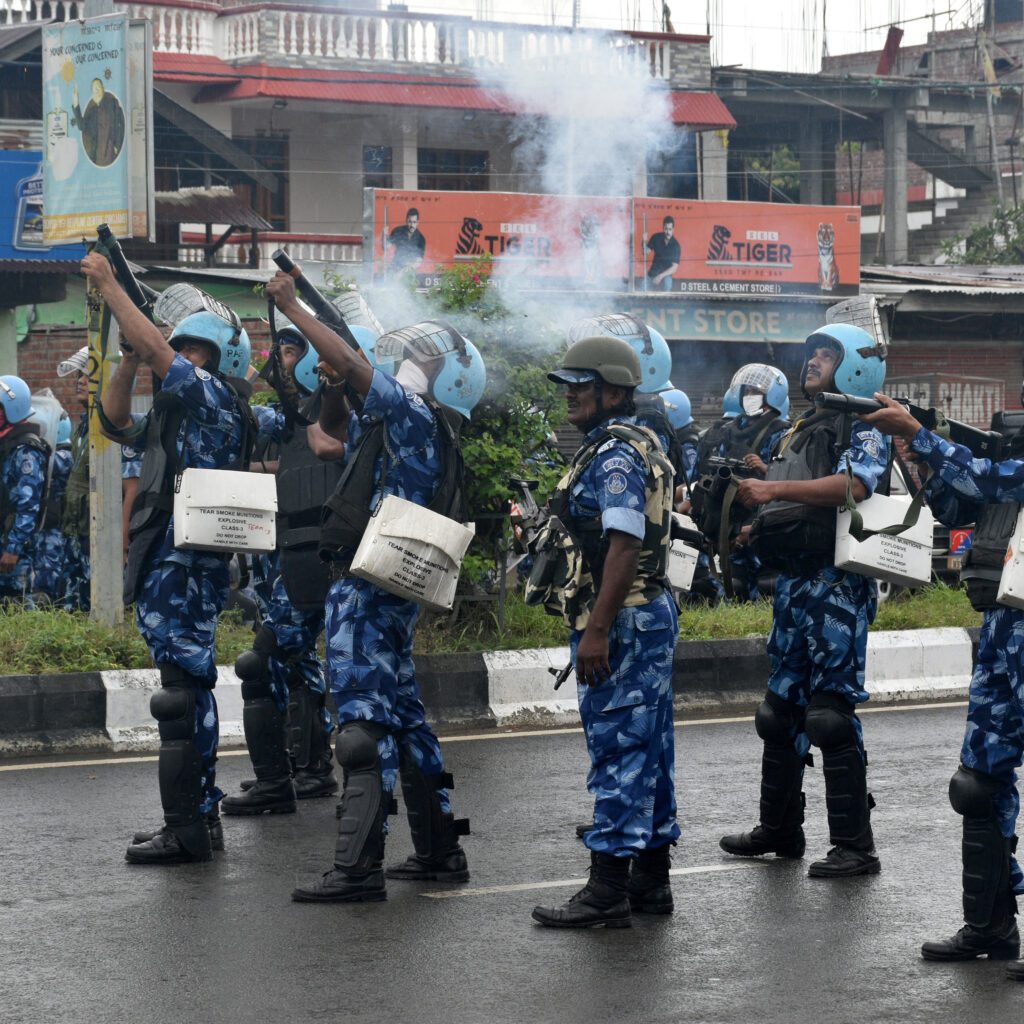
India is witnessing a steady erosion of democratic freedoms as broad security laws, digital surveillance, and administrative restrictions redefine dissent as a threat rather than a constitutional right. From expanded use of UAPA and IT Rules to routine protest crackdowns and shrinking academic space, the cumulative impact is a quieter and increasingly constrained civic sphere.
India’s Coercive Foreign Policy in 2025
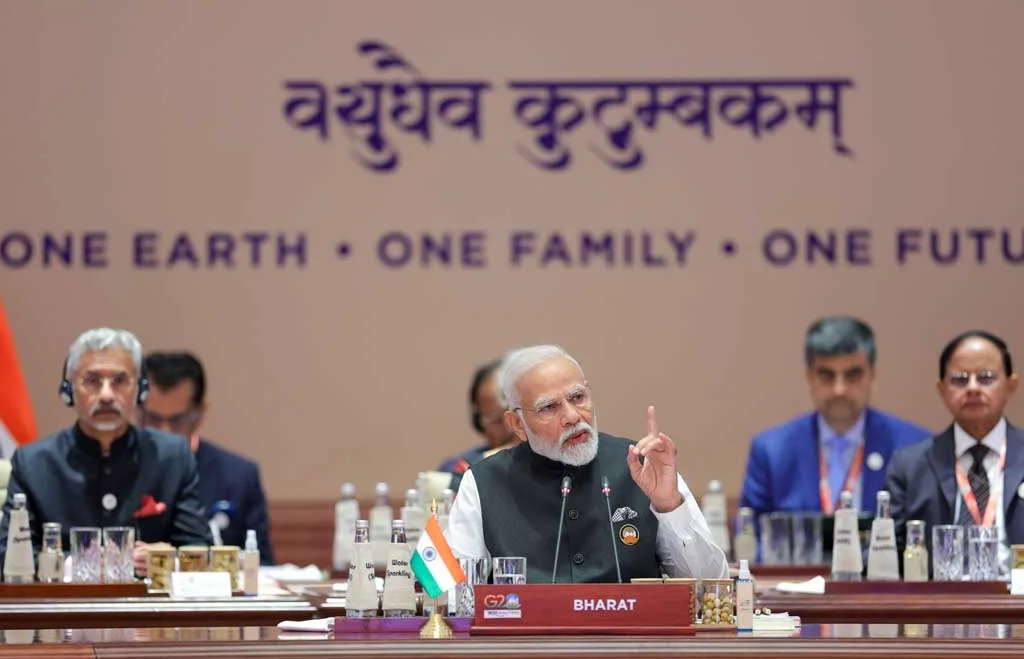
India’s foreign policy in 2025 marks a clear break from its earlier soft-power orientation, shifting toward overt coercion and interference. Once seen as a restrained global actor, India now increasingly relies on hard power, diplomatic pressure, and transnational repression to shape external outcomes. Through cases in Canada, Pakistan, Bangladesh, and Türkiye, this article shows how India has adopted a more assertive—and often destabilizing—approach to protect its expanding ambitions, using tools ranging from foreign interference to military escalation and economic coercion.
The Nexus of Disinformation : How Afghanistan, India And Israel Shape Anti-Pakistan Narratives
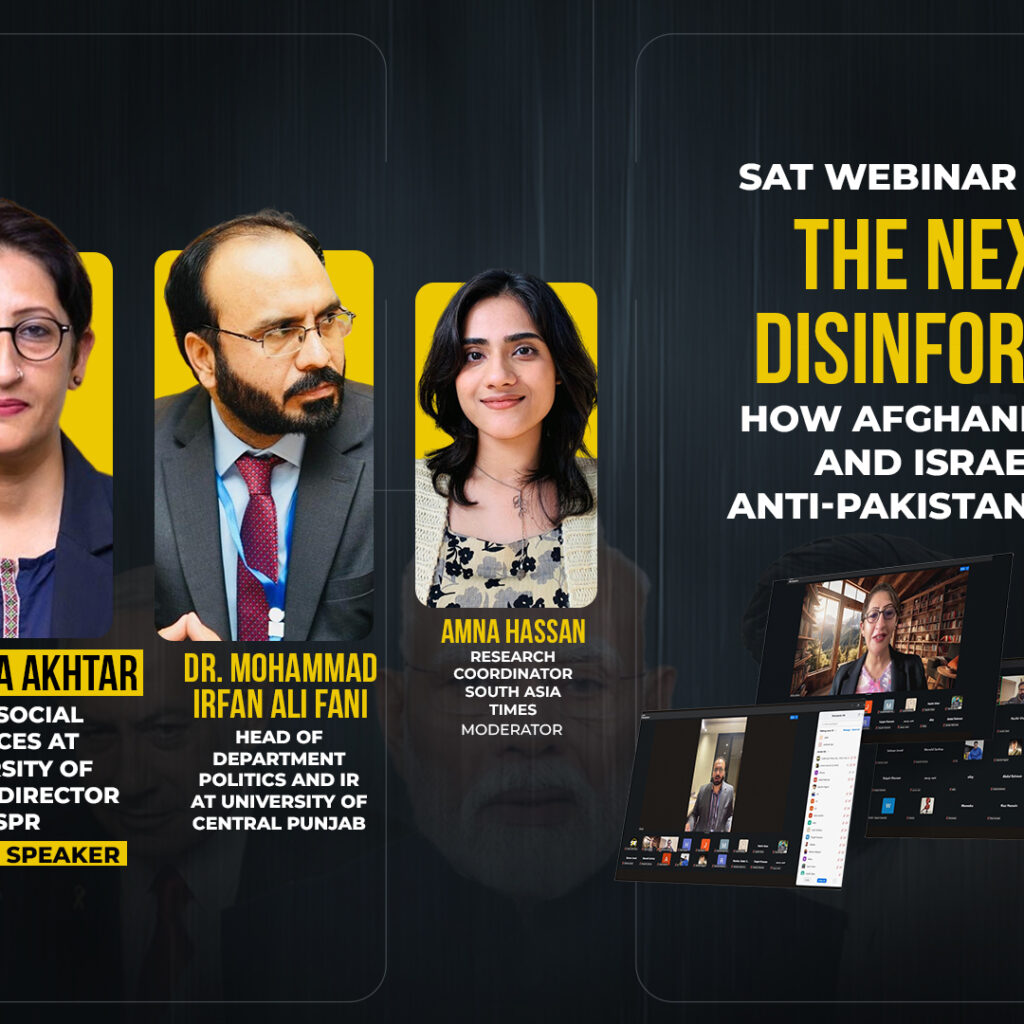
The Nexus of Disinformation : How Afghanistan, India And Israel Shape Anti-Pakistan Narratives 25 nov 2025 Online SAT Web Administrator Share 25 November 2025 Tuesday Roundtable Event South Asia Times Inqueries: info@southasiatimes.org Executive Summary On November 25, 2025, the South Asia Times (SAT) convened a high-level webinar titled “The Nexus of Disinformation” to address the growing […]
Dividend or Disaster? Why India’s Population Policy Needs a Jobs-first Approach
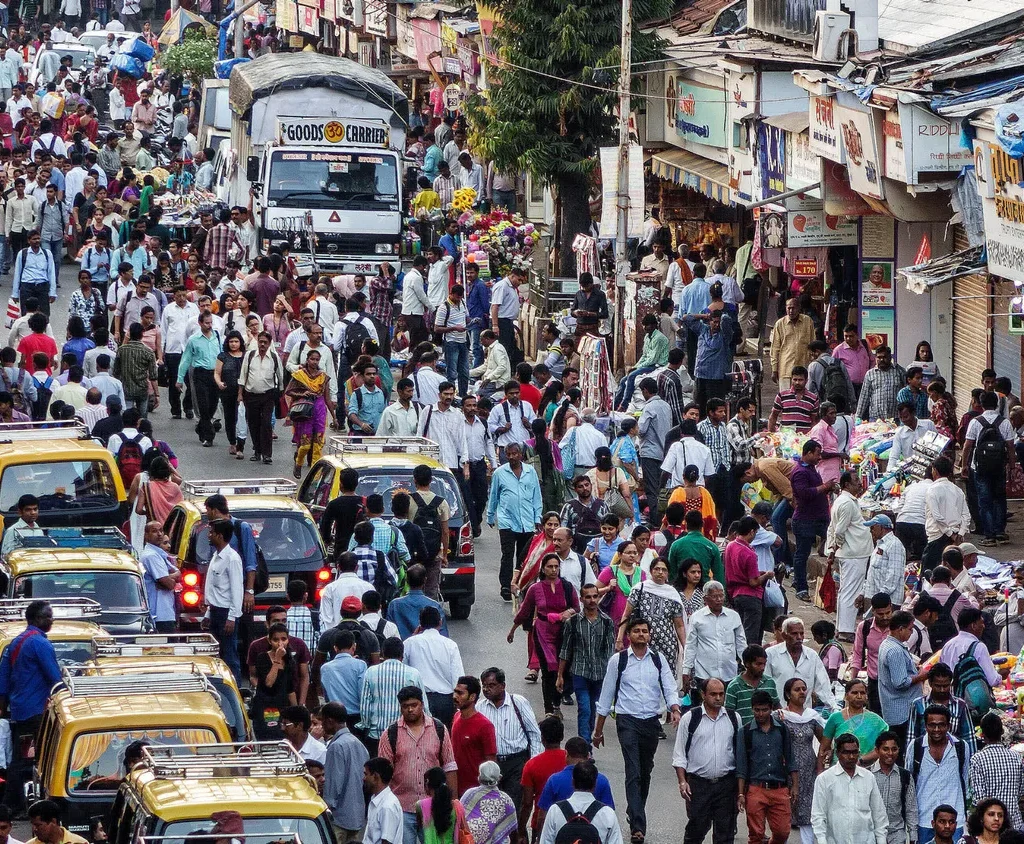
India’s youthful demographic profile presents enormous opportunities, but only if the country can generate enough quality jobs. While the Economic Survey 2024 highlights improvements in labour participation and unemployment, deeper structural issues persist, including informal work, regional disparities, and gender gaps. A jobs-first approach is essential to convert India’s demographic advantage into real and sustained economic gains.
A Temporary Equilibrium: India–Taliban Engagement and the Limits of Transactional Diplomacy
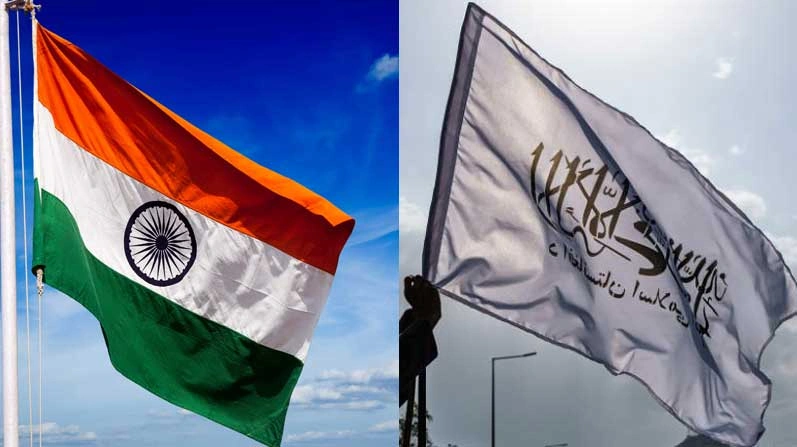
The visit of Afghanistan’s commerce minister to New Delhi signals a cautious thaw in India–Taliban ties, driven by mutual short-term imperatives. Yet four decades of path dependence, ideological hostility, and the AQIS–Taliban nexus render the détente fragile—more a tactical pause than a strategic reset.
Media Narratives and National Security: How Public Opinion Is Shaped in Times of Crisis

During regional crises, including the Pahalgam incident and border clashes along the Pakistan-Afghanistan frontier, Pakistani media’s factual reporting counters Indian propaganda and Taliban disinformation. By emphasizing evidence, diplomacy, and restraint, it strengthens national security and shapes public perception in South Asia.
Afghanistan: The Question of Pakistan’s Complaints
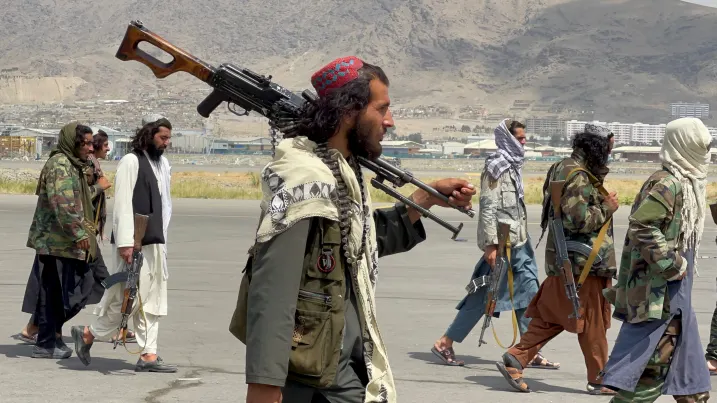
Taliban’s acting Foreign Minister Amir Khan Muttaqi asked why only Pakistan complains about terrorism in Afghanistan. The truth is clear; Pakistan bears the heaviest burden. Since 2021, the Taliban regime has turned Afghanistan into a hub of terror and oppression, leaving Pakistan to face staggering human, economic, and security costs while the world watches.