SUPARCO EO-1 Satellite Set for Launch on January 17

The EO-1 satellite of SUPARCO, launching on January 17, marks a major milestone in Pakistan space technology development. [Representational Image via Business Recorder]

ISLAMABAD: Pakistan has made a significant breakthrough in space technology with the development of its first indigenous satellite, Electro-Optical One (EO-1), by the Space and Upper Atmosphere Research Commission (SUPARCO), says in media reports.

The satellite is set to be launched into space on January 17, marking a historic achievement for the country.

The development underscores Pakistan’s growing expertise in Advanced Earth Space and Planetary Sciences (AESPS) and represents a leap forward in the nation’s self-reliance in space technology.

The launch of Electro-Optical One is expected to pave the way for further advancements in scientific research and national development.

A spokesperson for SUPARCO highlighted the advanced capabilities of the EO-1 satellite, stating that it will play a critical role in:

Also See: Chinese Satellites Aid Pakistan in Tracking Locust Invasions

Natural Disaster Response: Enhancing disaster management and providing timely assistance during emergencies.

Agriculture: Supporting agricultural planning and monitoring for improved yield and resource management. Urban Planning: Assisting in the development and management of urban areas. Natural Resource Monitoring: Improving oversight of the country’s natural resources to ensure sustainable utilization.

This news is sourced from Business Recorder and is intended for informational purposes only.

News Desk

Your trusted source for insightful journalism. Stay informed with our compelling coverage of global affairs, business, technology, and more.

Recent

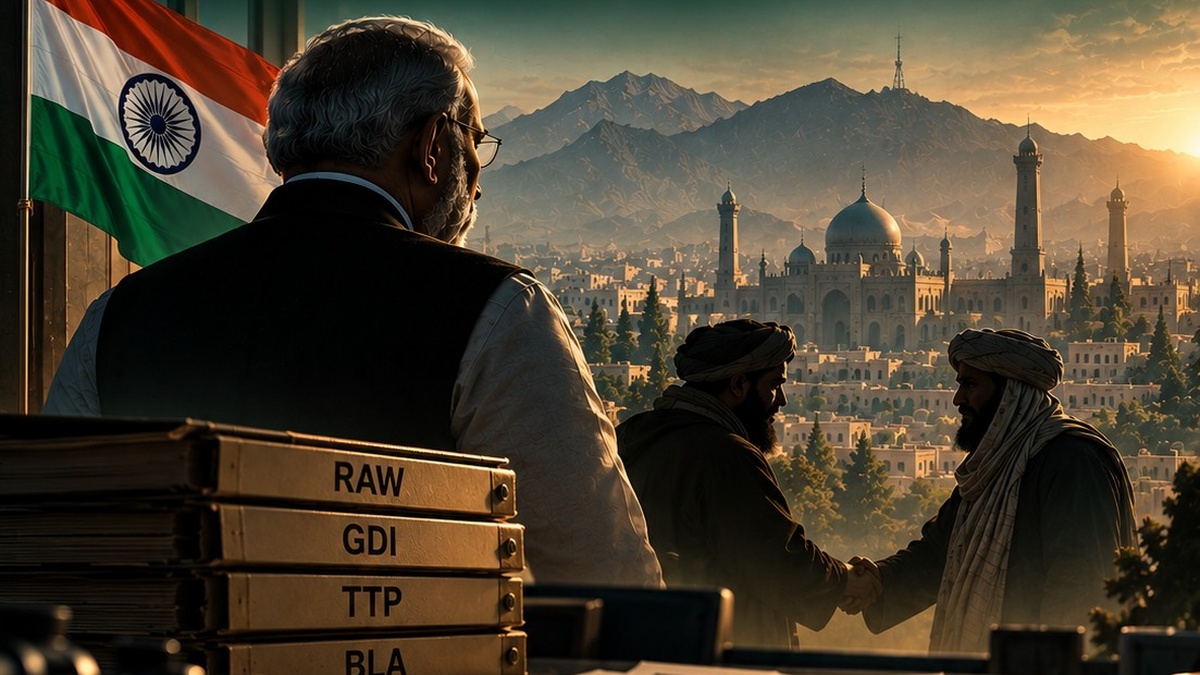
Narrative by Design: Al Jazeera’s Editorial Tilt on the Pakistan–TTP Conflict

Narrative by Design: Al Jazeera’s Editorial Tilt on the Pakistan–TTP Conflict

Al Jazeera’s reputation for alternative journalism contrasts sharply with its recent reporting on Pakistan’s conflict with the TTP and tensions with the Afghan Taliban. A close review shows consistent editorial choices that soften the Taliban’s image, reframe terrorist violence as resistance, and cast Pakistan’s counter-terrorism actions as aggression—ultimately reshaping the narrative in Kabul’s favour.

Read More »
Modern Platforms, Evolving Doctrine

Modern Platforms, Evolving Doctrine

The Gulf’s air-power evolution is increasingly shaped by the fusion of advanced platforms with modern doctrine and faster decision cycles. As regional forces adapt to complex threat environments, partners like Pakistan, whose operational experience spans multiple domains, are becoming part of the broader conversation on future air-power thinking.

Read More »
Economic Engagement or Ethical Dilemma? Canada-India Relations and the Nijjar Case

Economic Engagement or Ethical Dilemma? Canada-India Relations and the Nijjar Case

Canada’s renewed trade outreach to India comes at a moment of deep diplomatic strain. As Minister Maninder Sidhu seeks to revive economic cooperation, the unresolved assassination of Sikh activist Hardeep Singh Nijjar, and allegations implicating senior Indian officials, cast a long shadow. The controversy raises critical questions about whether Ottawa can balance economic ambitions with justice, accountability, and the protection of Canadian sovereignty.

Read More »
Zohran Mamdani calls out Modi and Netanyahu as war criminals, linking Gujarat 2002 and Gaza, and demands global justice and accountability.

Zohran Mamdani Stands Up for Justice: Holding Modi and Netanyahu Accountable

Zohran Mamdani, a rising progressive voice in the U.S., has boldly equated Indian Prime Minister Narendra Modi and Israeli Prime Minister Benjamin Netanyahu with war crimes. Drawing on global principles like the Responsibility to Protect (R2P) and ICC indictments, Mamdani challenges the immunity of influential leaders and advocates for accountability for mass atrocities in Gujarat (2002) and Gaza.

Read More »