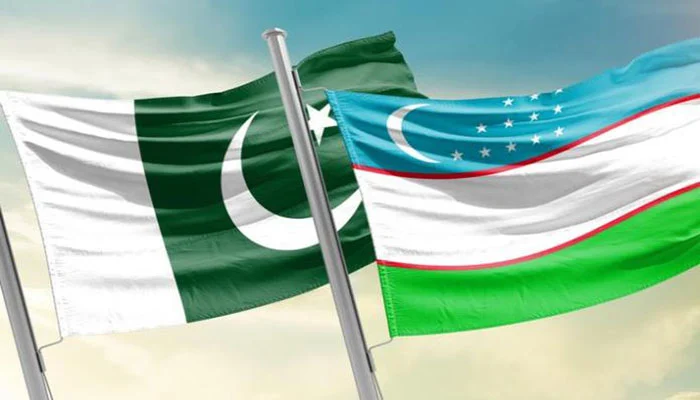
Developing countries and economies desire and pursue regional connectivity. Such is the case with the recent agreements and developments between Pakistan and Uzbekistan. The two sides have agreed upon very welcomed and ambitious transit trade projects. Uzbekistan’s President highlighted that the trade deals signed are a significant step towards further strengthening of ties. Hence, on the 30th anniversary of diplomatic relations, Pakistan and Uzbekistan agreed to strengthen their strategic partnership. Last year’s visit of Pakistan’s Prime Minister, Imran Khan, to Uzbekistan, pretty much set the tone for the upcoming projects. The very recent arrival of Uzbekistan’s President in Islamabad on a two-day visit only extended and formalized the commitments.
A transit trade route that connects Central Asia to Pakistan via Afghanistan has long been an important aspect of Pakistan’s vision of economic boom and regional connectivity.
The transition in Afghanistan in August last year blocked any progress that might have followed Pakistan’s Prime Minister’s visit to Uzbekistan. But with Afghanistan gradually coming back to normalization, Uzbekistan and Pakistan have decided to keep up bilateral and trilateral agreements and projects. Both sides have also showed consensus to lobby jointly for unfreezing of Afghanistan’s assets. Since September last year, both the countries have been separately raising their voices over the unjust freezing of Afghan assets. Coming together over this proves the desirability of a stable and prospering Afghanistan in both the countries. In Uzbek President’s visit to Pakistan, the two countries also agreed on helping Afghanistan achieve recognition from the world. Imran Khan emphasized that both sides will campaign together and meet Afghans to talk about the conditions of international recognition and what Afghanistan can do in this matter.
A recognized Afghanistan is a pre-requisite for materializing all the transit trade agreements which Pakistan and Uzbekistan Have SIGNED and Agreed upon.
The rail road project (also being called the ‘Project of the Century’) connecting Termez, Mazar-e-Sharif, Kabul, and Peshawar remains the highlight of the MoUs signed between the two sides. This railroad project will help connect Uzbekistan with Pakistan’s ports (Karachi and Gwadar). For Pakistan, this will be a landmark opener for its exports to reach Central Asian markets. The Preferential Trade Agreement that was signed while the Uzbek President was in Pakistan provides a reduction in customs duties on 34 products, 17 from each side. The reduction will range from 20-100%. The long-term benefits of these projects will also help ease Afghanistan’s economic strain. They will also bring opportunities for Afghan people.
The President of Uzbekistan Shavkat Mirziyoyev (@president_uz) has arrived in Pakistan on two-day official visit.
Prime Minister @ImranKhanPTI received him at Noor Khan Airbase.
The Uzbek President was accorded a red carpet welcome.#WelcomeUzbekPresident pic.twitter.com/JiWQd9FRQR
— Prime Minister's Office (@PakPMO) March 3, 2022
The change in Afghan situation is playing a vital role in bringing Pakistan and Uzbekistan together. This transformation is also helping to materialize the long with-held projects. Regional connectivity has long been compromised due to instability and war in Afghanistan. With peace returning, both the sides do not wish to delay the projects any further. No discussion on improving Pakistan’s economic prospects ever misses Central Asia’s huge potential. Not just that, the historical linkages and cultural commonalities bridge the gap that distance creates.