Pakistan’s PM Shehbaz to Begin 4-Day Official Visit to Saudi Arabia Today

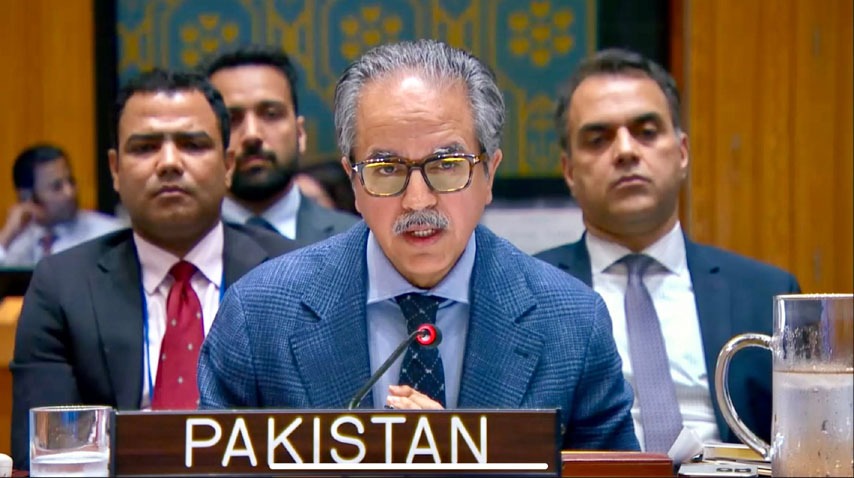
PM Shehbaz Sharif to visit Saudi Arabia to boost ties, discuss investment, and address key regional and global issues. [Image via The Express Tribune]

Prime Minister Shehbaz Sharif is set to undertake an official visit to Saudi Arabia from March 19 to 22, aiming to strengthen bilateral ties, boost economic cooperation, and explore investment opportunities.

Accompanied by Deputy Prime Minister and Foreign Minister Ishaq Dar, as well as key federal ministers and senior officials, the prime minister will meet Saudi Crown Prince and Prime Minister Mohammed bin Salman to discuss enhancing trade, deepening partnerships in key sectors, and facilitating greater economic collaboration.

According to the foreign office, discussions will cover global and regional issues, including the Gaza situation, evolving dynamics in the Middle East, and concerns of the Muslim Ummah.

The visit is expected to reinforce the historic ties between the two nations and increase diplomatic coordination on bilateral, regional, and global matters.

Also See: WHO: Saudi Arabia Confirms $500 Million Pledge to GPEI to End Polio in Afghanistan, Pakistan

PM Shehbaz last visited the kingdom in December last year, where he addressed the ‘One Water Summit’ and proposed a six-point global agenda to tackle water-related challenges.

During his address, Sharif also highlighted the severe climate change-induced difficulties faced by developing countries, stressing the need for collaborative solutions to ensure sustainable water management worldwide.

On the sidelines of the summit, the PM met with Saudi Crown Prince Mohammed bin Salman. The two leaders discussed ways to bring a qualitative shift in their bilateral relationship and expressed satisfaction with the progress of the MoUs and agreements signed between Pakistan and Saudi Arabia.

In addition to his meeting with the Saudi leadership, Prime Minister Sharif held talks with French President Emmanuel Macron.

The two leaders agreed to enhance business-to-business cooperation in key sectors, including agriculture, livestock, information technology, vocational training, and access to clean drinking water.

This news is sourced from The Express Tribune and is intended for informational purposes only.

News Desk

Your trusted source for insightful journalism. Stay informed with our compelling coverage of global affairs, business, technology, and more.


Recent

The Taliban’s Broken Promises: Time for a New U.S. Strategy in Afghanistan

The Taliban’s Broken Promises: Time for a New U.S. Strategy in Afghanistan

Since the Taliban’s return to power, Afghanistan has once again become a hub for militant activity despite their promises under the 2020 Doha Accord. UN and SIGAR reports reveal that Afghan soil now shelters TTP, Al-Qaeda, and ISIS-K operatives involved in cross-border attacks, particularly against Pakistan. The Taliban’s failure to uphold intra-Afghan dialogue, misuse of international aid, human rights abuses, and deception in regional agreements have eroded trust globally. With terror networks thriving under their protection, it is time for the U.S. and international community to adopt a new, accountable strategy toward Afghanistan’s Taliban regime.

Read More »
Instability as Strategy: How India Benefits from the Afghan-Pakistan Breakdown

Instability as Strategy: How India Benefits from the Afghan-Pakistan Breakdown

The escalating tensions between Pakistan and Afghanistan’s Taliban-led regime have reignited South Asia’s most volatile frontier. As cross-border attacks intensify and the Taliban refuses to dismantle the Tehreek-e-Taliban Pakistan (TTP), Islamabad faces mounting security and sovereignty challenges. Yet, amid this chaos, India emerges as the silent beneficiary, leveraging regional instability to weaken Pakistan strategically while maintaining its image as a victim of terrorism. This calculated exploitation threatens to entrench South Asia in a new cycle of proxy conflict.

Read More »
Five years after the Doha Accord, the Taliban break commitments, harbor terrorists, exclude women and minorities, and defy international agreements.

Broken Promises, Renewed Threats: Time to Hold TTA Accountable

Five years after the Doha Accord, the Taliban have broken key commitments: 5,000 released prisoners returned to combat, 89% of government posts are held by Pashtuns, and women remain barred from education and work. Afghan soil hosts 6,000–6,500 TTP and Al-Qaeda fighters, with TTP chief Noor Wali Mehsud receiving $43,000/month. Pakistan has neutralized 267 Afghan terrorists in 2025, while 58 terrorist camps operate under Taliban knowledge. Despite the US aid, compliance is minimal. International recognition and support must now be tied to verifiable reforms to prevent further regional instability.

Read More »
The Istanbul dialogue between Pakistan and the Afghan Taliban collapsed over the TTP issue, exposing the limits of regional diplomacy and mediation.

The Istanbul Dialogue: How the Taliban’s Intransigence Doomed Diplomacy

The highly anticipated Istanbul dialogue, facilitated by Turkey and Qatar, has ended in deadlock. The Taliban’s refusal to act against the Tehrik-e-Taliban Pakistan (TTP) and their introduction of provocative counter-demands have effectively derailed the diplomatic process, underscoring the ideological rigidity driving Kabul’s foreign policy.

Read More »
Centralized Power and the Core–Periphery Divide in Afghanistan

Centralized Power and the Core–Periphery Divide in Afghanistan

The Islamic Emirate of Afghanistan’s return in 2021 brought rapid consolidation of power, but also the revival of a historical flaw. By concentrating authority in the hands of southern Pashtun elites, the Taliban have recreated the core–periphery divide that has destabilized every Afghan regime since the 19th century. This hyper-centralization, rooted in ethnic exclusivity and Kandahar dominance, risks a repeat of past collapses as non-Pashtun regions turn toward functional autonomy.

Read More »