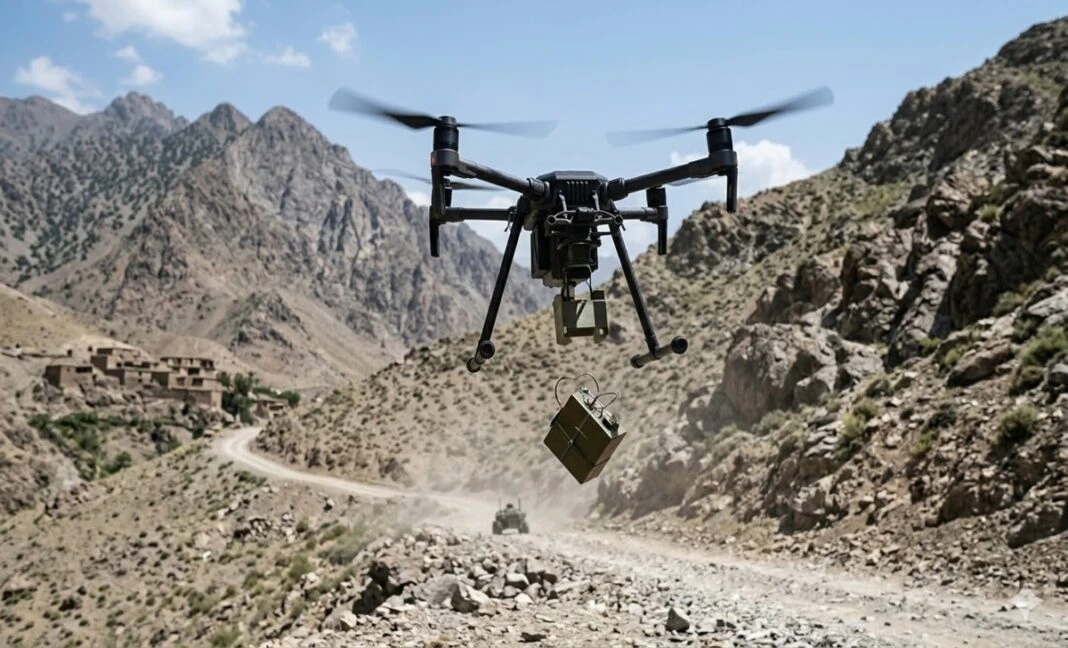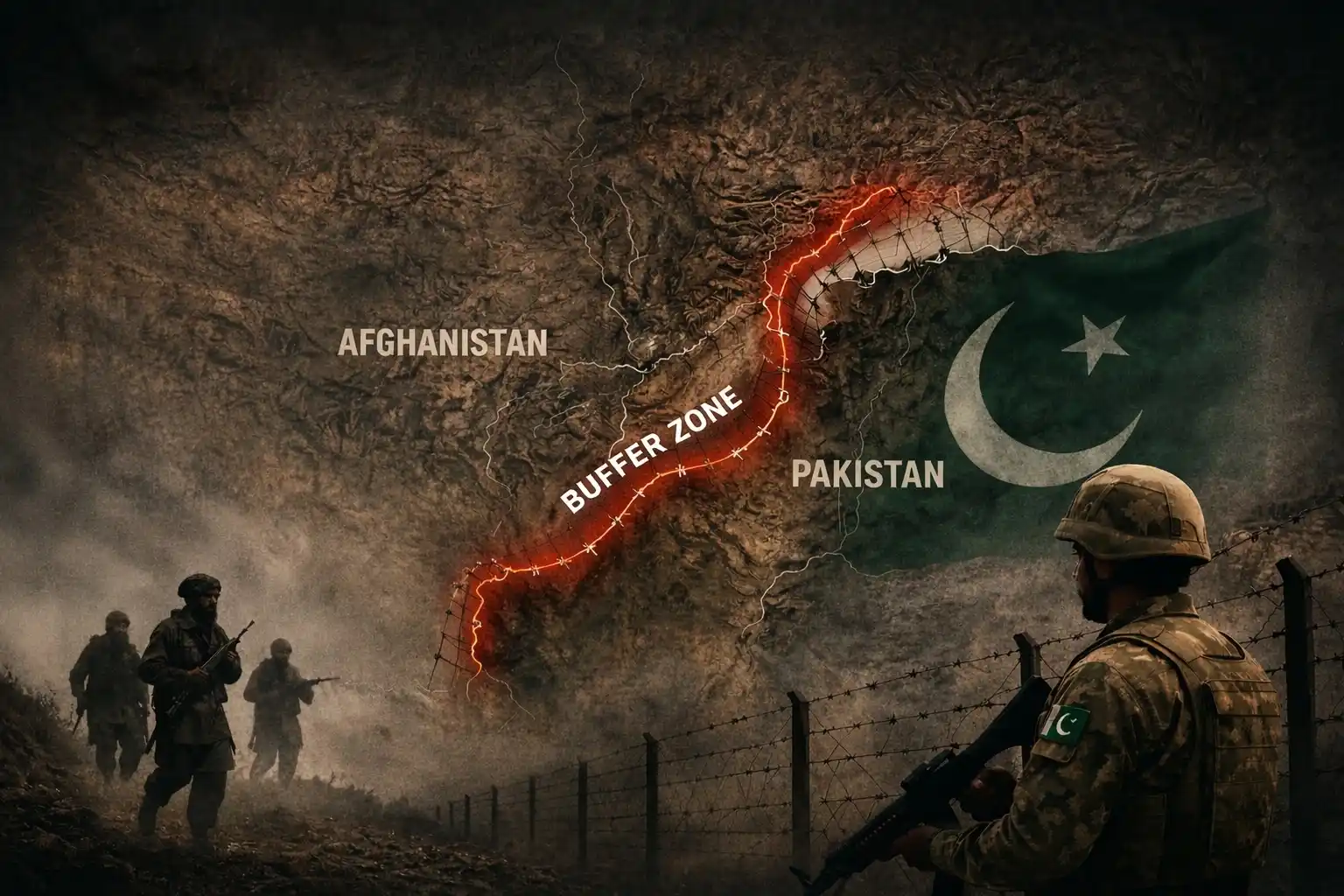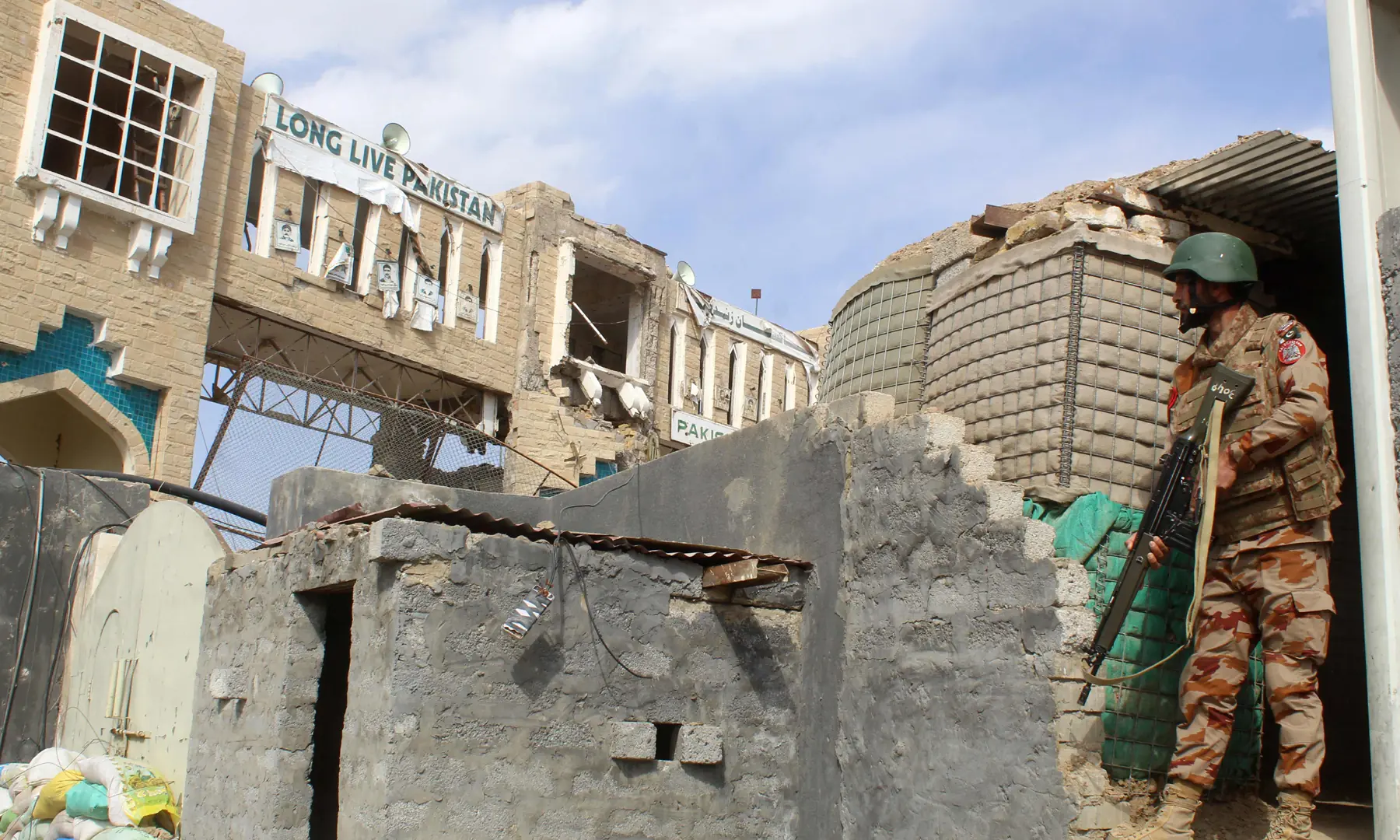
“Now it is open war between you and us,” Pakistan’s defence minister, Khawaja Asif, said in a post on social media recently. The post came in the light of Pakistan’s launch of Operation Ghazb-Lil-Haq on 27 February, in which coordinated air and ground strikes have been conducted against Taliban positions in Kabul, Kandahar, Paktia, and Nangarhar. The operation, so far, has resulted in the destruction of more than 180 Afghan Taliban posts and the killing of more than 465 Taliban personnel. Though the operation came in the wake of recent unprovoked cross-border aggression by the Afghan Taliban, it carries a profound historical context.
When the Afghan Taliban assumed power in Kabul in August 2021, there was a sense of cautious hope in Pakistan, mainly driven by certain optimistic assumptions about the future of Afghanistan after the US withdrawal, and its implications for Pakistan’s internal security. Pakistan’s guarded optimism was a result of the impression that since the US had withdrawn from Afghanistan, the Tehreek Taliban Pakistan (TTP) would automatically lose whatever legitimacy it had for conducting terrorist operations against the Pakistani state, given that it had originally framed its terrorist activities as a response to Pakistan’s alignment with Washington during the “War on Terror”. Furthermore, there was also a wary expectation that if the TTP continued with its militancy, the Afghan Taliban would exert pressure on the terrorist organisation to cease its cross-border activities.
However, soon, these assumptions proved to be flawed as the TTP continued to carry out attacks in Pakistan. Contrary to Islamabad’s expectations, the TTP in Afghanistan became stronger and continued its attacks on Pakistan under the watch of the Afghan Taliban. According to the Pak Institute for Peace Studies, since 2021, TTP have killed more than 1300 people in over 800 attacks in Pakistan.
Faced with this predicament, Pakistan initially opted to resolve the issue with the Taliban regime through dialogue. However, the negotiations proved to be futile. Subsequently, Pakistan adopted a “carrot and stick” approach vis-à-vis the Afghan Taliban. The carrot component of the approach mainly included extending economic assistance to Afghanistan and advocating for greater engagement with the Taliban at international forums. Conversely, the element of the stick entailed the threat of border closures and clandestine kinetic operations conducted within Afghanistan to target key TTP commanders. However, this approach also failed to change the Afghan Taliban’s attitude. Consequently, it would drive another change in Pakistan’s policy towards Afghanistan.
In the revised policy, Pakistan added some more sticks while at the same time, it shrank the carrots. The newly added sticks are the ongoing repatriation of more than 1.5 million illegal Afghan immigrants to Afghanistan, border closures, and the expansion of the scope of kinetic operations in Afghanistan. Operation Ghazb-Lil-Haq can be understood as a manifestation of this revised policy.
Pakistan’s Armed Forces, through Operation Ghazb-Lil-Haq, have delivered a clear message that Pakistan shall leave no stone unturned, should the leadership in Afghanistan fail to act responsibly, and that it would protect its citizens and its territorial integrity and sovereignty at any cost. The intensity of the operation has evidently placed militant groups and their facilitators under considerable pressure, which explains why factions of the Pakistan Taliban, including the TTP, Hafiz Gulbahadar group, and Jamaat-ul-Ahrar, have issued threats of retaliation in defence of the Afghan Taliban. However, Pakistan’s Armed Forces are unlikely to be deterred by such threats and remain committed to ensuring that those who have long orchestrated violence against Pakistan will now face the consequences of their actions and, quite unmistakably, hear the music.
Pakistan should continue putting calibrated and consistent pressure on the Afghan Taliban to secure unequivocal assurances of decisive action against the TTP that must coincide with verifiable realities on the ground. Islamabad should act swiftly and decisively so it can focus on the challenges emanating from the current geopolitical environment, particularly in the wake of the recent US-Israel attack on Iran, and also to secure its eastern border from any emerging threats.
By not doing anything to contain the TTP and then initiating an attack against Pakistan, the Afghan Taliban has essentially provided us a casus belli and an opportunity to take the war to them and finish the job once and for all. In this regard, Operation Ghazb-Lil-Haq has provided Pakistan with what can aptly be described as a golden opportunity, which allows it not merely to respond defensively but to fundamentally alter the security calculus along its western border through total annihilation of the terrorist sanctuaries in Afghanistan so they cease to pose any significant threat to Pakistan. Consequently, it could mark a decisive turning point in Pakistan’s long and arduous struggle against militancy emanating from its western frontier.