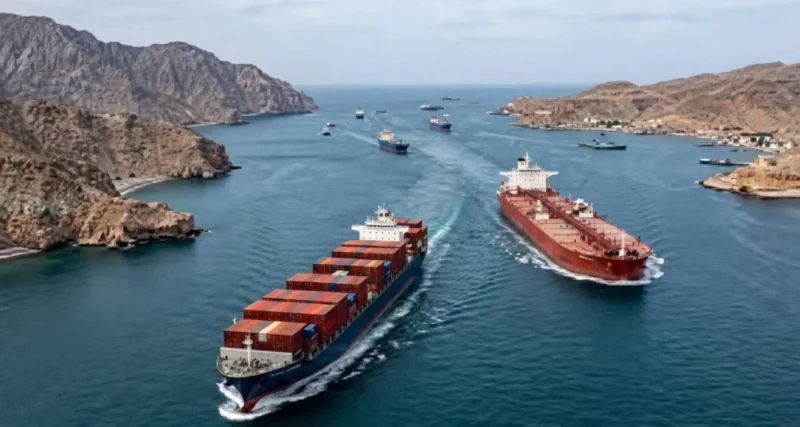
![Naval Exercise AMAN 2025 promotes regional cooperation and maritime security with participation from over 50 countries. [Image courtesy Pakistan Navy]](https://southasiatimes.org/wp-content/uploads/2024/11/Gb__MmcaMAEx8jb.webp)
LAHORE: Pakistan Navy (PN) has announced plans for the 9th edition of its multinational naval exercise AMAN, set for February 7-11, 2025.
Since its inception in 2007, this biennial exercise underscores Pakistan’s dedication to regional peace and cooperation, embodying the theme, “Together for Peace.”
Naval exercise AMAN-25 is poised to be the largest iteration to date, with participation expected from over 50 countries, reinforcing the Pakistan Navy’s (PN) role in fostering global naval collaboration. The exercise will feature a range of activities designed to enhance interoperability and showcase a united stance against terrorism and maritime crime.
Alongside AMAN-25, the inaugural AMAN Dialogue will take place, providing a platform for senior naval and coast guard leaders to address maritime security challenges, discuss the Blue Economy, and strategize new avenues for regional cooperation. This dialogue will include keynote speeches, seminars, and meetings to deepen ties among participating nations.
Also See: Pakistan Navy Adds Offshore Patrol Vessel PNS Hunain and PNS Babur on Defence Day
The AMAN naval exercise aims to promote peace and regional collaboration, act as a bridge for interoperability between regional and extra-regional navies, and demonstrate a collective commitment to countering maritime threats. The AMAN Dialogue will focus on maritime security insights, evaluate cooperative frameworks, and underscore the Blue Economy’s economic potential.
The exercise structure is organized into Harbour, Sea, and Special Operations phases, featuring opening ceremonies, maritime counter-terrorism demonstrations, cultural showcases, and friendly sports matches.
An International Fleet Review (IFR) will include operational demonstrations such as counter-piracy manoeuvres, PN and PAF air unit flypasts, and live firing exercises. Additionally, Special Operations Forces, Explosive Ordnance Disposal, and Marine teams will receive specialized training on tactics to counter maritime terrorism.
Pakistan’s enduring maritime collaboration with the different countries remains integral to the AMAN series, with different countries of Naval participation enhancing mutual naval relations and strengthening regional security commitments.
This news is sourced from The News and is intended for informational purposes only.

Your trusted source for insightful journalism. Stay informed with our compelling coverage of global affairs, business, technology, and more.