![Indian market declines sharply in Maldives tourism, risking losses up to $2B despite efforts to boost arrivals. [Image via SunOnline International]](https://southasiatimes.org/wp-content/uploads/2025/03/l_2024_10_05_120511_amnkj26orp47wbv9ydtcgx8i1quefhzl5s3_EN_.webp)
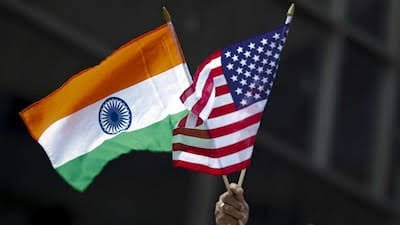
Statistics show that the Indian market continues to decline as Maldives records nearly half a million tourist arrivals so far this year.
Neighboring India had been the top tourist market to the Maldives in 2021, 2022 and 2023, with over 200,000 arrivals from the nation each year.
However, Indian market began to decline in late 2023. Initially, Russia topped tourist markets to the Maldives at the start of 2024, before being overtaken by China. The year had ended with China as a top tourist market.
At the start of this year, India was the fifth top tourist market to the Maldives and later dropped down to sixth on January 11th. India had declined in ranks after China, which had been the ninth top tourist market to the Maldives at the start of the year, climbed to fifth place. China became the top tourist market to the Maldives around January 26th and continues to hold the position to date.
According to latest statistics published by the Tourism Ministry, Maldives has only recorded 23,823 tourist arrivals from India this year, as of Tuesday.

Also See: India’s Maldives Crisis and Beyond: What is at Stake
Notably, the Indian market steeply declined after relations Male’ and New Delhi strained in the early days of President Dr. Mohamed Muizzu’s presidency, after he demanded that India withdraw its troops from Maldives – executing a pledge he made during his presidential campaign. Things escalated further after three Maldivian deputy ministers made disparaging remarks regarding India and Indian Prime Minister Modi following a social media post promoting India’s Lakshadweep as an alternative tourist destination to the Maldives. Subsequently, Indian netizens launched a movement boycotting Maldives’ tourism industry that included the likes of high-profile celebrities as well.
President Muizzu has expressed hope to welcome more Indian tourists. As such, the government has conducted various campaigns aimed at promoting Maldives in India, in order to boost arrivals from the neighboring country. However, these campaigns have failed to produce comprehensive results.
This included an event President Muizzu held with famous Bollywood celebrities to promote Maldives’ tourism industry during his state visit to the nation last year.
Indian travelers have a counter-travel pattern to European travelers; meaning Indian visitors frequent to the Maldives during hot seasons, which coincides with a drop in European market arrivals. In other words, India is the most significant ‘filler’ for the Maldives tourism off-peak season.
India plays a vital role in sustaining tourism-related receipts to the state during off-peak season.
Meanwhile, tourism industry experts and analysts highlight the adverse impacts of dwindling Indian arrivals to the Maldives, while some have forecast estimated losses worth of USD 1.8 billion to USD 2 billion.
This news is sourced from SunOnline International and is intended for informational purposes only.

Your trusted source for insightful journalism. Stay informed with our compelling coverage of global affairs, business, technology, and more.