Japan Pledges $1.65 Million To Aid Vulnerable Communities In Afghanistan, Lebanon, And Yemen

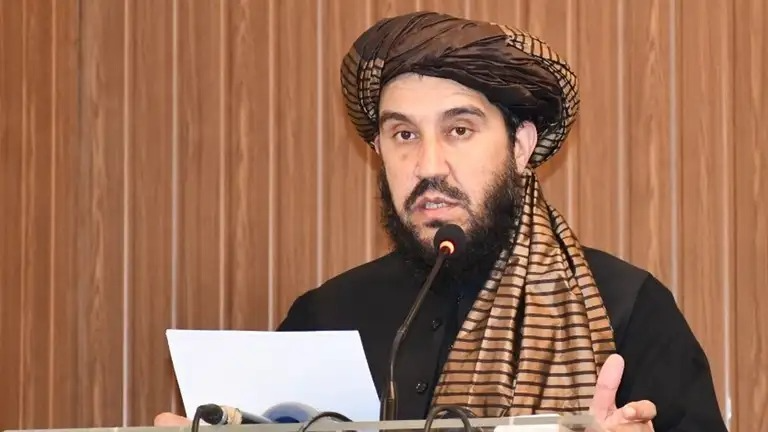
Japan provides $1.65M aid to support healthcare and vulnerable communities in Afghanistan, Lebanon, and Yemen amid crises. [Image via Khaama Press]

The International Planned Parenthood Federation has announced that the government of Japan has provided $1.65 million in aid to support vulnerable communities affected by crises in Afghanistan, Lebanon, and Yemen.

In a statement released on Wednesday, February 12, the organization mentioned that this aid would particularly focus on protecting the health and lives of mothers and children, as well as other vulnerable populations in Logar and Parwan provinces, which have been affected by local crises in Afghanistan.

The statement clarified that the goal of this assistance is to ensure access to healthcare services, reproductive health, healthcare, and gender-based violence prevention information.

Alvaro Bermejo, the director-general of the International Planned Parenthood Federation, emphasized that Afghanistan, Lebanon, and Yemen are facing unique challenges. He assured that the member associations of their community would make the most effective use of this valuable financial aid from Japan to protect lives and health.

Aid of Japan will play a crucial role in strengthening healthcare infrastructure and emergency response efforts in Afghanistan, Lebanon, and Yemen, ensuring that essential medical support reaches those in need.

Also See: UN Focuses On Aid, Drug Control, And Private Sector Growth For Afghanistan

According to Alvaro Bermejo, “By doing this, we will contribute to achieving human security, allowing people to live with dignity, free from disease and fear of violence.”

The report also stated that the organization aims to provide healthcare services to 83,595 people by the end of February 2026 and train 222 healthcare providers in these three countries.

This comes at a time when, with the suspension of U.S. foreign aid, concerns about increasing humanitarian needs and the growing crisis in Afghanistan have been raised.

The aid provided by Japan is a significant step in addressing the healthcare and humanitarian challenges faced by vulnerable populations in Afghanistan, Lebanon, and Yemen, offering hope for better protection, health services, and a path toward human security for affected communities.

This news is sourced from Khaama Press and is intended for informational purposes only.

News Desk

Your trusted source for insightful journalism. Stay informed with our compelling coverage of global affairs, business, technology, and more.

Recent

Broken Promises: The Taliban’s Betrayal of Global Commitments

Broken Promises: The Taliban’s Betrayal of Global Commitments

Nearly three years after seizing power, the Taliban’s systematic violation of their international commitments under the 2020 Doha Accord has transformed Afghanistan into a sanctuary for terrorism, entrenched an autocratic regime, and institutionalized gender apartheid. Beyond moral failure, this deceit poses a grave threat to regional stability, international counterterrorism efforts, and the credibility of global diplomacy. Holding the regime accountable is now a strategic necessity, not a choice.

Read More »
Do You Remember 6/11/ 1947?: A Forgotten Jammu Genocide and the Continuing Erasure of Kashmiriyat

Do You Remember 6/11/ 1947?: A Forgotten Jammu Genocide and the Continuing Erasure of Kashmiriyat

On November 6, 1947, one of South Asia’s earliest genocides unfolded in Jammu, where hundreds of thousands of Muslims were massacred or forced to flee. Yet, unlike other global tragedies, this atrocity remains buried in silence. The Jammu Genocide not only reshaped the region’s demography but laid the foundation for India’s ongoing campaign of identity erasure in Kashmir. From demographic engineering to cultural censorship, the spirit of Kashmiriyat continues to face systematic annihilation.

Read More »
India’s Climate Policy after COP28: Net Zero 2070 — A Fair Promise or a Risky Postponement?

India’s Climate Policy after COP28: Net Zero 2070 — A Fair Promise or a Risky Postponement?

India’s Net Zero 2070 target reflects a delicate balance between development equity and climate urgency. While progress in renewables, green finance, and adaptation is visible, the absence of clear interim milestones risks turning ambition into delay. The real challenge lies in translating a distant horizon into measurable, near-term climate action before 2030.

Read More »
The Tehreek-e-Hijrat of 1920 and Its Parallels with Contemporary Refugee Politics

The Tehreek-e-Hijrat of 1920 and Its Parallels with Contemporary Refugee Politics

The Tehreek-e-Hijrat of 1920 saw thousands of Indian Muslims migrate to Afghanistan, only to be turned away when Kabul could no longer cope. A century later, Afghan officials criticise Pakistan’s refugee policies while ignoring their own historical refusal to host Muslim migrants. The parallel reveals not just irony, but the enduring challenge of compassion, capacity, and collective responsibility.

Read More »
Playing the Victim: How the Taliban Endorse and Amplify Online Propaganda Against Pakistan

Playing the Victim: How the Taliban Endorse and Amplify Online Propaganda Against Pakistan

Following the October 2025 border clashes, the Taliban have shifted their battlefield online, using propaganda, selective history, and digital disinformation to paint Pakistan as the aggressor. Through controlled media releases, colonial-era references, and victimhood narratives, Kabul seeks to manipulate regional perception and deflect blame for its own failures.

Read More »