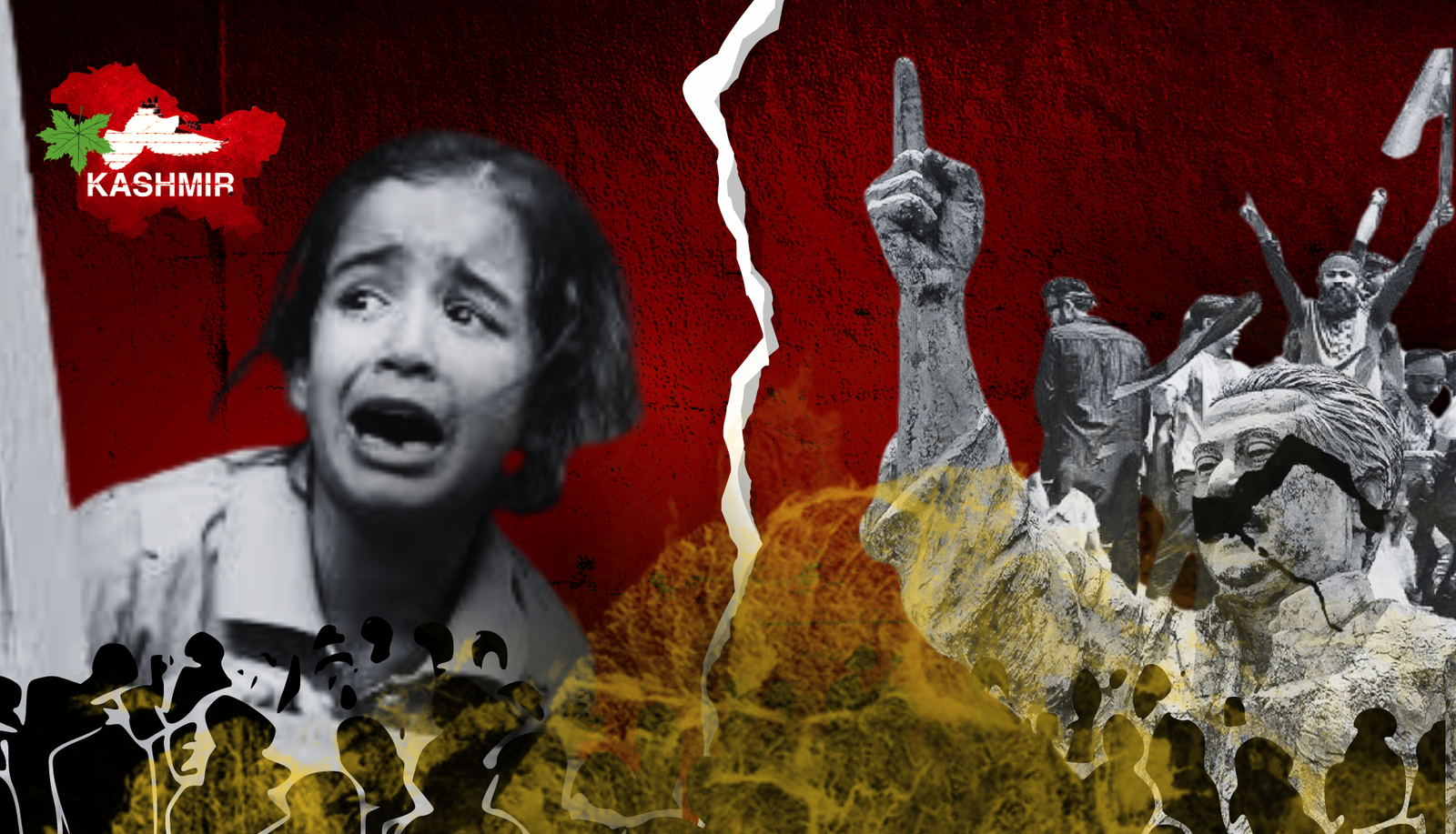
From Dhaka to Kashmir, the date August 5, marked an extraordinary upheaval in South Asia’s recent history.
On August 5, 2024, Dhaka bore witness to a spectacle that would have been unthinkable just months ago. The city, once a stronghold of the Awami League and the dynasty of Sheikh Mujibur Rahman, was ablaze with a fury directed at the very heart of its identity.
Students, the vanguard of Bangladesh’s aspirations, were at the forefront, their chants echoing a deep-seated disillusionment – One, Two, Three, Four – Sheikh Hasina is a dictator!
Monuments to the nation’s founding father – Sheikh Mujib-ur-Rehman, were desecrated, their images obliterated from public spaces. The aerial view was a damning indictment of a regime once revered.
Bangladesh birthed in the crucible of the 1971 War against Pakistan with India’s backing through Mukti Bahini, has long been a complex interplay of nationalism, regional politics, and dynastic rule. The resignation of Sheikh Hasina, daughter of Mujib, marks a dramatic rupture in this narrative. Moreover, the celebrations in Dhaka following her resignation signify an interesting shift in Bangladesh’s political landscape.
Also Read: The Convenience of Bangladesh Slapstick Elections
![In Dhaka, Bangladesh, people are celebrating the resignation of Prime Minister Sheikh Hasina [Image via Reuters].](https://southasiatimes.org/wp-content/uploads/2024/08/2024-08-05T101247Z_295977731_RC2L99AA6B2J_RTRMADP_3_BANGLADESH-PROTESTS-1722853065.webp)
The student-led protests that precipitated Hasina’s resignation began as a peaceful movement against the employment quota system but soon evolved into a broader demand for the removal of a leader perceived as increasingly authoritarian. The protests turned deadly, with almost 300 people reported killed and more than 10,000 arrested in clashes with security forces since the beginning of the movement. The storming of the Ganabhaban, the palatial residence of the Bangladeshi PM, by protesters, demonstrates the intensity of public sentiment.
What happened in Bangladesh during the recent weeks with a climax on August 5, is a moment of reckoning for a nation grappling with economic inequality, corruption, and a growing authoritarian streak.
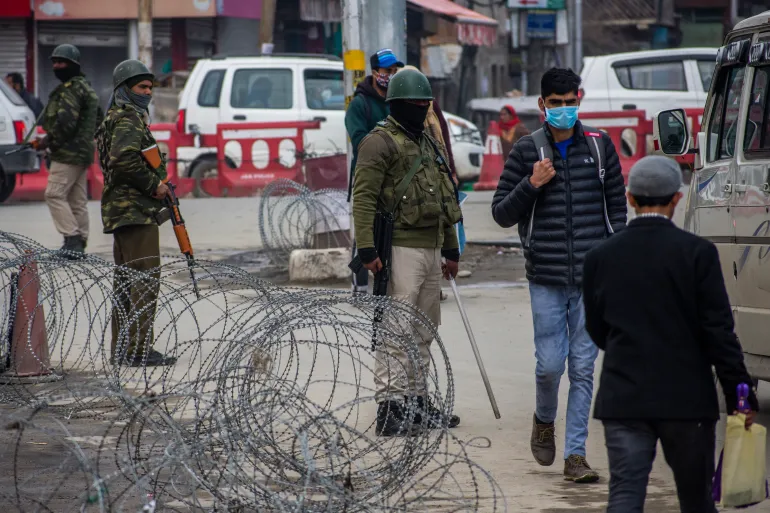
While Bangladesh is convulsed by internal strife, the Kashmir dispute continues to simmer, a perennial sore point in Indo-Pakistan relations. Kashmir, once a verdant paradise, has been transformed into an open-air prison. Its people, subjected to a brutal military occupation, yearn for self-determination.
Today, on August 5, Kashmir marked Youm-e-Istehsaal, reflecting on five years since the controversial abrogation of Article 370 of the Indian Constitution – An act which was a naked power grab, a blatant disregard for international law and the aspirations of the Kashmiri people.
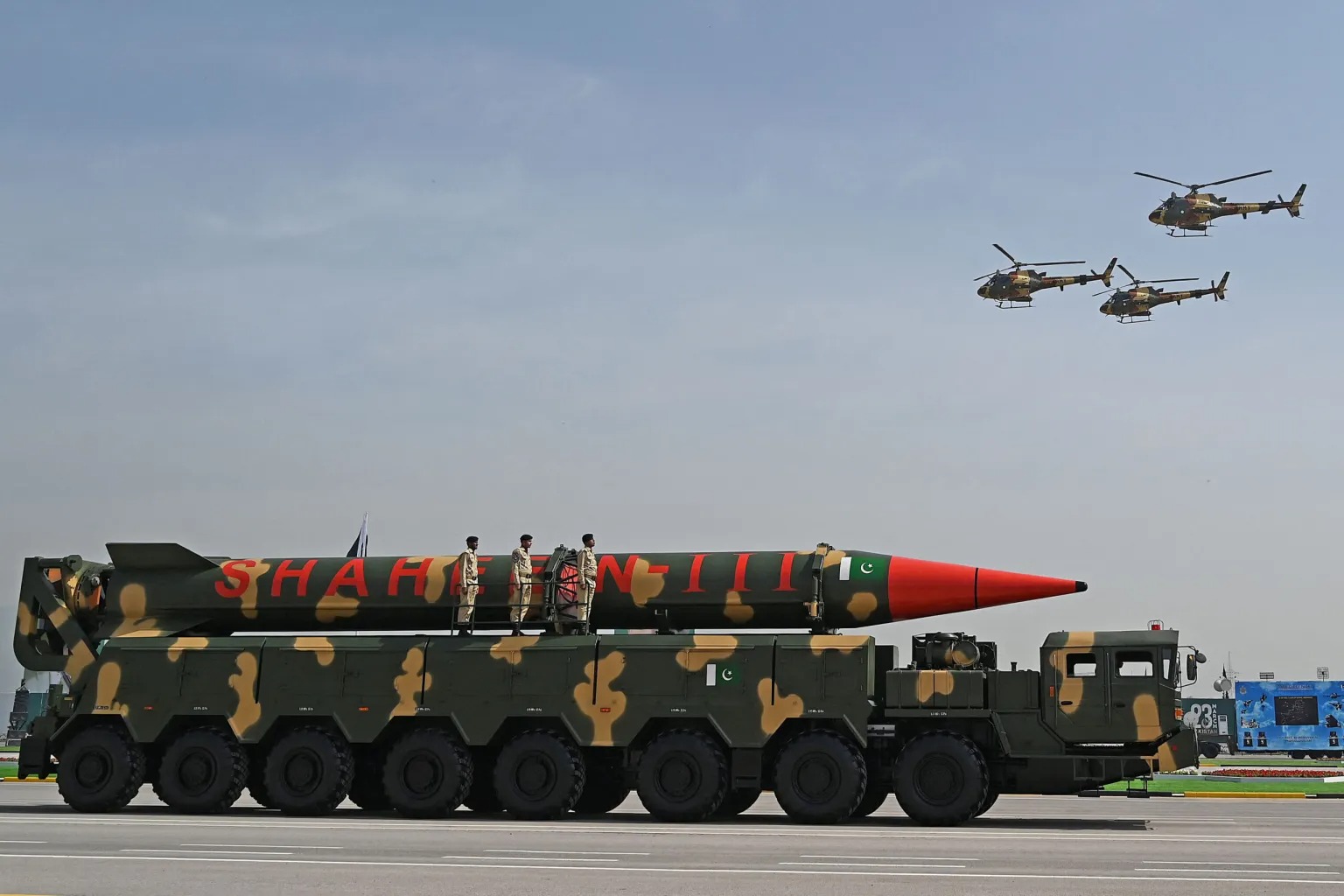
Notably, Kashmir remains a nuclear flashpoint between India and Pakistan, both of which possess significant nuclear arsenals. The disputed region has been the cause of multiple wars and countless skirmishes since the partition of British India in 1947. The unilateral abrogation of Article 370 by India in August 2019 has only added fuel to an already volatile situation. The move was seen as a direct challenge to the status quo, leading to heightened military tensions and an arms race in the region.
Also Read: Kashmir: Seven Decades Under Occupation
Interconnected Historical Threads
These events, while seemingly disparate, are interconnected threads in a complex web of historical rivalries, geopolitical maneuvering, and the enduring legacy of partition.
Pakistan finds itself at the epicenter of this turmoil. The nation’s strategic choices, often influenced by the actions of its traditional rival, India, have had profound consequences. The post-9/11 era marked a pivotal turning point. Following the September 11 attacks, India, seizing the opportunity, offered its territory—including airbases in Kashmir, Punjab, and Gujarat—as a staging ground for US military operations.
Faced with the specter of isolation and potential aggression, Pakistan made a fateful decision to align with the United States in its War on Terror (WoT). This choice, while necessary for survival, came at a staggering cost. The ensuing years saw Pakistan bearing the brunt of the War on Terror, with its territory becoming a battleground and its citizens enduring immense suffering.
The recent accusations by Indian media, citing Bangladeshi civil society, that Pakistan’s mission in Dhaka is suspected of backing the anti-Hasina movement, raise serious questions about regional diplomatic conduct. These allegations come at a time when the upheaval in Bangladesh is clearly an internal, organic movement led by students. The accusations serve to divert attention from broader regional dynamics and the historical context of interventions.
India’s involvement in the dismemberment of Pakistan in 1971 through the Mukti Bahini set a precedent for its interventionist policies in the region. This historical context is crucial for understanding the current political shifts and their implications.
In addition, recent reports by international media have also highlighted active Indian proxies in the region, particularly targeting Pakistan. The interconnectedness of these events depicts the complex and ever-evolving nature of regional politics in South Asia.
The South Asian subcontinent, a cauldron of history, culture, and conflict, is once again at a crossroads. The events in Bangladesh and Kashmir are more than just isolated incidents; they are symptomatic of a region grappling with the legacy of partition. As Bangladesh undergoes a dramatic political shift and Kashmir remains a nuclear flashpoint, the interconnected historical threads reveal a region in constant flux. With its past and present entwined, South Asia stands at a crossroads where the future remains as unpredictable as ever.