Clashes Erupt Between Pakistani Forces and Afghan Taliban

Clashes between Pakistani forces and Afghan Taliban result in casualties, escalating tensions along the Pak-Afghan border.

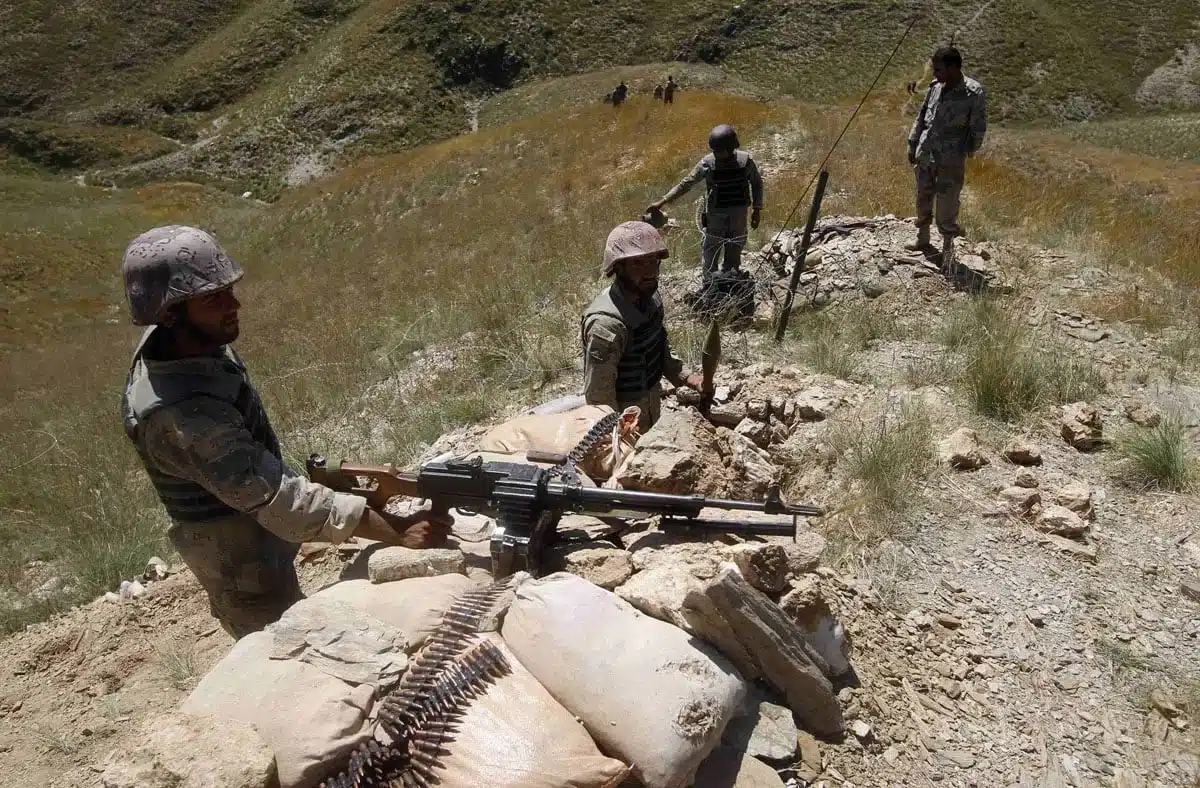
Fierce clashes erupted between Pakistani security forces and Afghan Taliban border guards on Saturday, September 7, 2024. The confrontation resulted in casualties on both sides. It occurred in the Afghan province of Khost, along the border with Pakistan’s Kurram district. This escalation heightened tensions in an already volatile region.

According to local reports, the conflict began when Taliban forces attempted to establish a new security outpost near the Pak-Afghan border. This move violated standing agreements between the two nations. Pakistani forces responded with heavy fire, halting the construction. The confrontation resulted in the deaths of eight Taliban fighters and injuries to 16 others. Among the injured were key commanders Khalil and Jan Muhammad. The exchange of fire lasted several hours, further intensifying the conflict.

Also See: Pakistan Navy Adds Offshore Patrol Vessel PNS Hunain and PNS Babur on Defence Day

Escalating Border Tensions

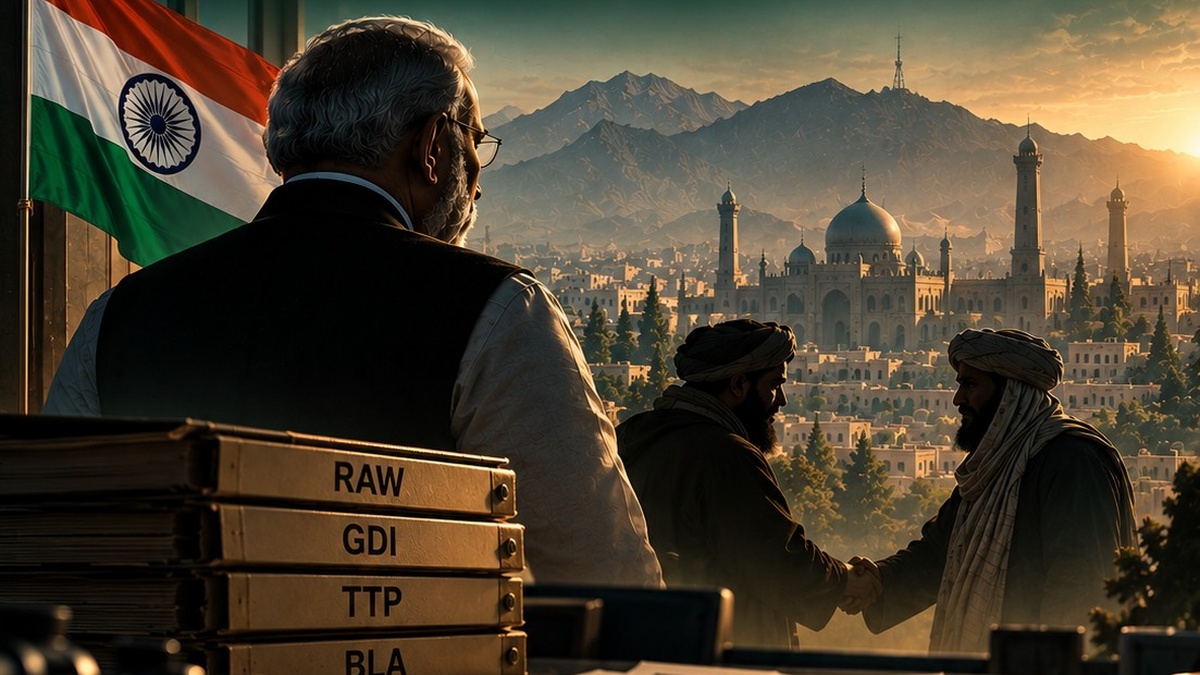
This latest skirmish follows accusations by Pakistan that the Afghan Taliban continues to facilitate cross-border terrorist attacks, particularly involving militants from the Tehrik-e-Taliban Pakistan (TTP). Despite denials from the Taliban authorities, Pakistan’s security agencies have repeatedly pointed to evidence linking Afghan-based militants to increased violence in the country. Pakistan has stressed that such activities undermine regional stability and threaten its national security.

The Pakistani military retaliated after Taliban forces allegedly fired unprovoked heavy weaponry from the Pulosen region in Afghanistan. The intense clashes left at least five Pakistani soldiers injured, including an officer. The injured soldiers were transported to a nearby military hospital for treatment.

This is the second time in recent days that the two countries have clashed, further straining relations between Pakistan and the ruling Taliban in Afghanistan. Both governments have yet to issue formal statements, but the escalation highlights the ongoing border tensions and concerns over militant activities along the nearly 2,600-kilometer shared border. The situation remains volatile, with both sides on high alert for further confrontations.

The clashes highlight Pakistan’s persistent concerns regarding the TTP’s presence and activity in Afghanistan, with Islamabad urging Kabul to act against these groups to prevent further cross-border violence.

News Desk

Your trusted source for insightful journalism. Stay informed with our compelling coverage of global affairs, business, technology, and more.

Recent

Broken Promises: The Taliban’s Betrayal of Global Commitments

Broken Promises: The Taliban’s Betrayal of Global Commitments

Nearly three years after seizing power, the Taliban’s systematic violation of their international commitments under the 2020 Doha Accord has transformed Afghanistan into a sanctuary for terrorism, entrenched an autocratic regime, and institutionalized gender apartheid. Beyond moral failure, this deceit poses a grave threat to regional stability, international counterterrorism efforts, and the credibility of global diplomacy. Holding the regime accountable is now a strategic necessity, not a choice.

Read More »
Do You Remember 6/11/ 1947?: A Forgotten Jammu Genocide and the Continuing Erasure of Kashmiriyat

Do You Remember 6/11/ 1947?: A Forgotten Jammu Genocide and the Continuing Erasure of Kashmiriyat

On November 6, 1947, one of South Asia’s earliest genocides unfolded in Jammu, where hundreds of thousands of Muslims were massacred or forced to flee. Yet, unlike other global tragedies, this atrocity remains buried in silence. The Jammu Genocide not only reshaped the region’s demography but laid the foundation for India’s ongoing campaign of identity erasure in Kashmir. From demographic engineering to cultural censorship, the spirit of Kashmiriyat continues to face systematic annihilation.

Read More »
India’s Climate Policy after COP28: Net Zero 2070 — A Fair Promise or a Risky Postponement?

India’s Climate Policy after COP28: Net Zero 2070 — A Fair Promise or a Risky Postponement?

India’s Net Zero 2070 target reflects a delicate balance between development equity and climate urgency. While progress in renewables, green finance, and adaptation is visible, the absence of clear interim milestones risks turning ambition into delay. The real challenge lies in translating a distant horizon into measurable, near-term climate action before 2030.

Read More »
The Tehreek-e-Hijrat of 1920 and Its Parallels with Contemporary Refugee Politics

The Tehreek-e-Hijrat of 1920 and Its Parallels with Contemporary Refugee Politics

The Tehreek-e-Hijrat of 1920 saw thousands of Indian Muslims migrate to Afghanistan, only to be turned away when Kabul could no longer cope. A century later, Afghan officials criticise Pakistan’s refugee policies while ignoring their own historical refusal to host Muslim migrants. The parallel reveals not just irony, but the enduring challenge of compassion, capacity, and collective responsibility.

Read More »
Playing the Victim: How the Taliban Endorse and Amplify Online Propaganda Against Pakistan

Playing the Victim: How the Taliban Endorse and Amplify Online Propaganda Against Pakistan

Following the October 2025 border clashes, the Taliban have shifted their battlefield online, using propaganda, selective history, and digital disinformation to paint Pakistan as the aggressor. Through controlled media releases, colonial-era references, and victimhood narratives, Kabul seeks to manipulate regional perception and deflect blame for its own failures.

Read More »