Themes

The Re-Emergence of Terror: Afghanistan as a Global Terrorist Hub

The Re-Emergence of Terror: Afghanistan as a Global Terrorist Hub

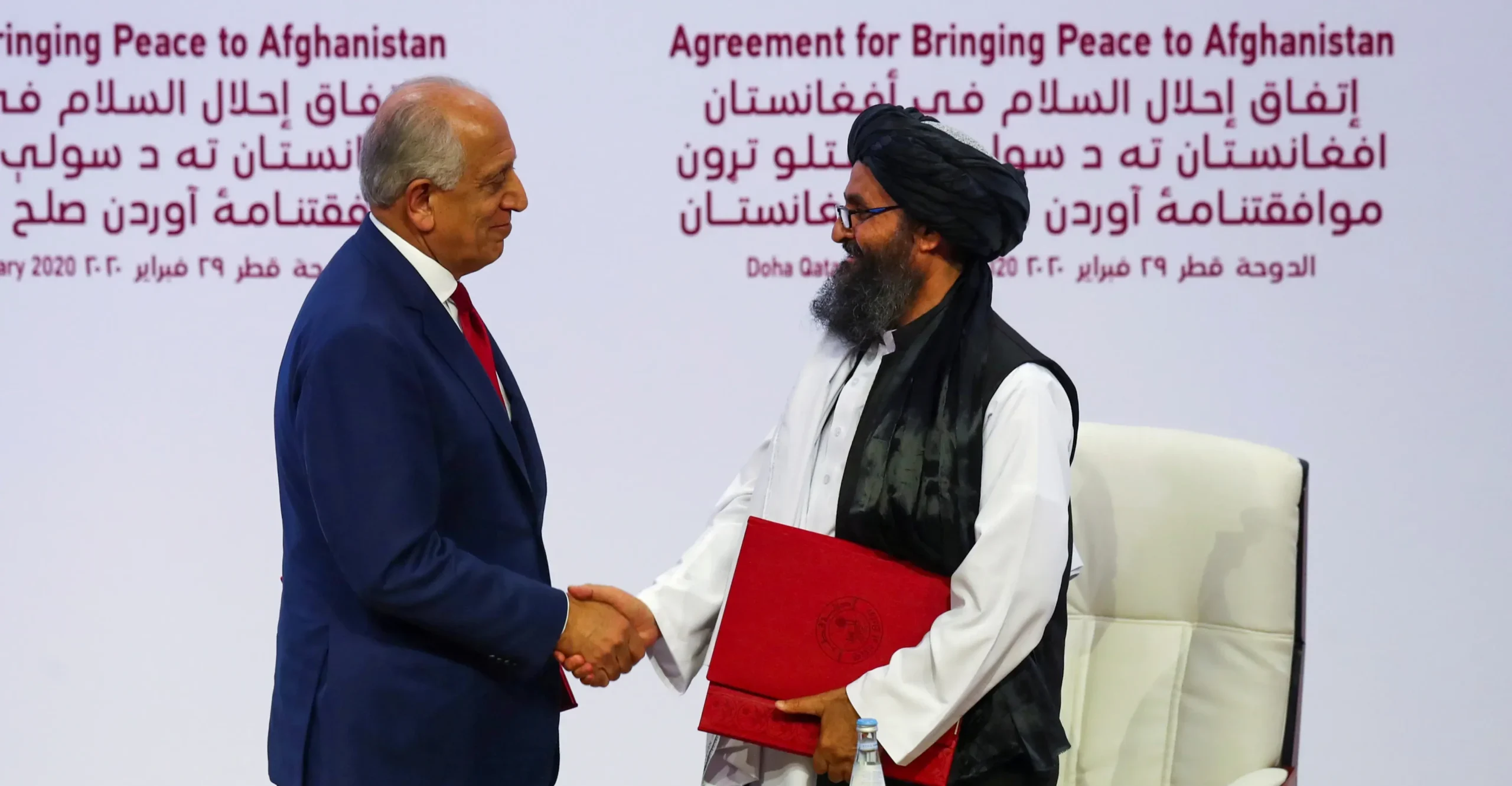
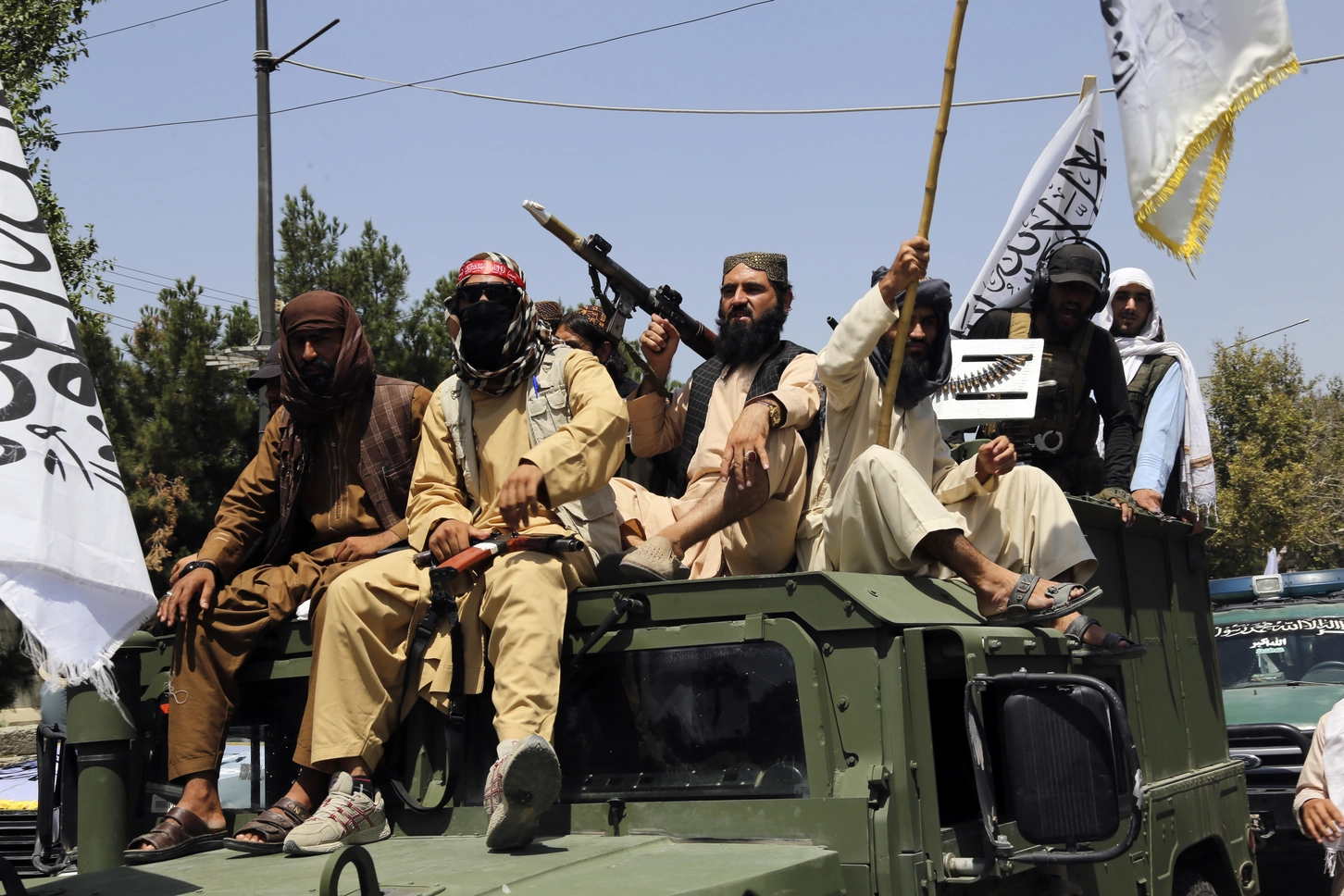
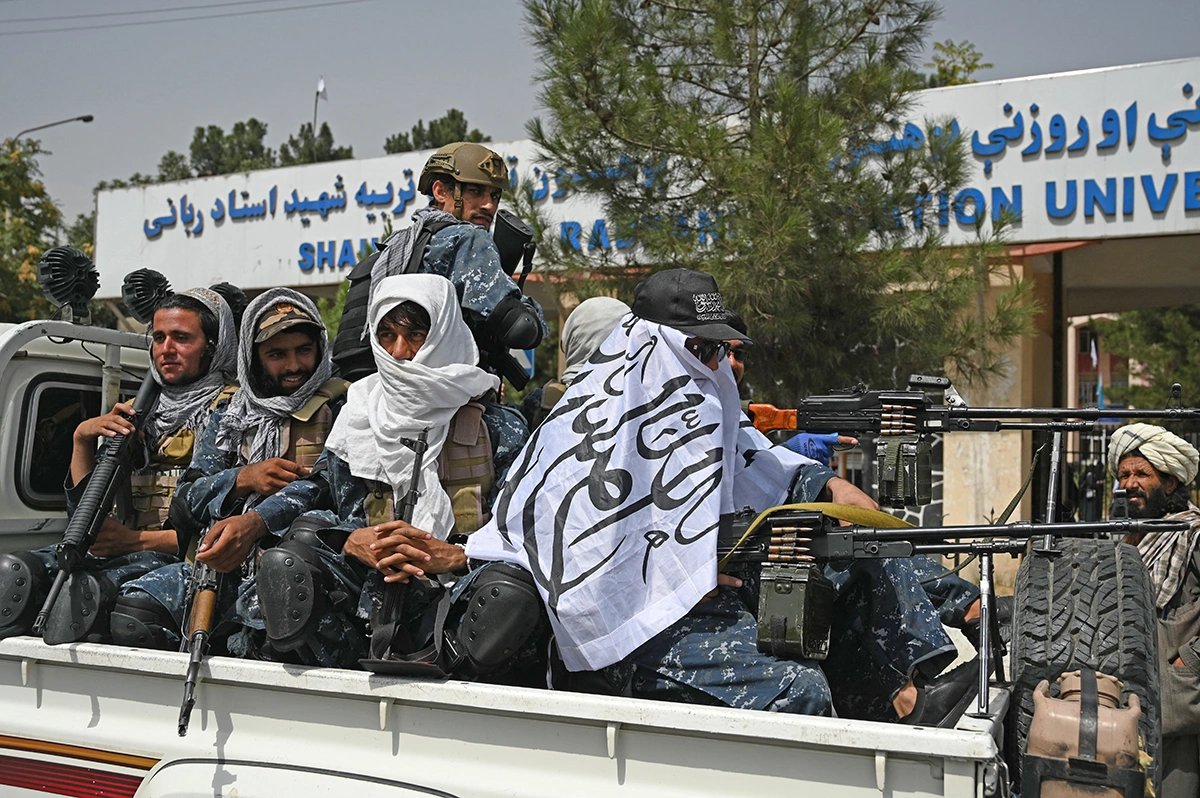
The Taliban’s return to power has revived Afghanistan’s role as a global Terrorist hub. Despite pledges under the 2020 Doha Agreement, the regime continues to shelter and enable groups such as Al-Qaeda, TTP, and ETIM, creating a volatile nexus of terrorism that threatens regional stability and global security. As internal conflicts deepen and governance collapses, Afghanistan’s transformation into an ideological sanctuary ensures a cycle of chaos and suffering that primarily victimizes its own people.

Read More »
The End of Dollar Dominance: How Gold is Rewriting the Rules of Global Finance

The End of Dollar Dominance: How Gold is Rewriting the Rules of Global Finance

After nearly eight decades of U.S. dollar supremacy, the global financial order is entering a historic transition. As nations seek refuge from debt crises, sanctions, and monetary manipulation, gold is regaining its status as the world’s most trusted store of value. Led by China’s strategic accumulation and supported by a worldwide shift toward de-dollarisation, this transformation signals the birth of a multipolar, asset-backed financial era, one anchored not in promises, but in tangible wealth.

Read More »
Centralized Power and the Core–Periphery Divide in Afghanistan

Centralized Power and the Core–Periphery Divide in Afghanistan

The Islamic Emirate of Afghanistan’s return in 2021 brought rapid consolidation of power, but also the revival of a historical flaw. By concentrating authority in the hands of southern Pashtun elites, the Taliban have recreated the core–periphery divide that has destabilized every Afghan regime since the 19th century. This hyper-centralization, rooted in ethnic exclusivity and Kandahar dominance, risks a repeat of past collapses as non-Pashtun regions turn toward functional autonomy.

Read More »
Broken Promises: The Taliban’s Betrayal of Global Commitments

Broken Promises: The Taliban’s Betrayal of Global Commitments

Nearly three years after seizing power, the Taliban’s systematic violation of their international commitments under the 2020 Doha Accord has transformed Afghanistan into a sanctuary for terrorism, entrenched an autocratic regime, and institutionalized gender apartheid. Beyond moral failure, this deceit poses a grave threat to regional stability, international counterterrorism efforts, and the credibility of global diplomacy. Holding the regime accountable is now a strategic necessity, not a choice.

Read More »
India’s Climate Policy after COP28: Net Zero 2070 — A Fair Promise or a Risky Postponement?

India’s Climate Policy after COP28: Net Zero 2070 — A Fair Promise or a Risky Postponement?

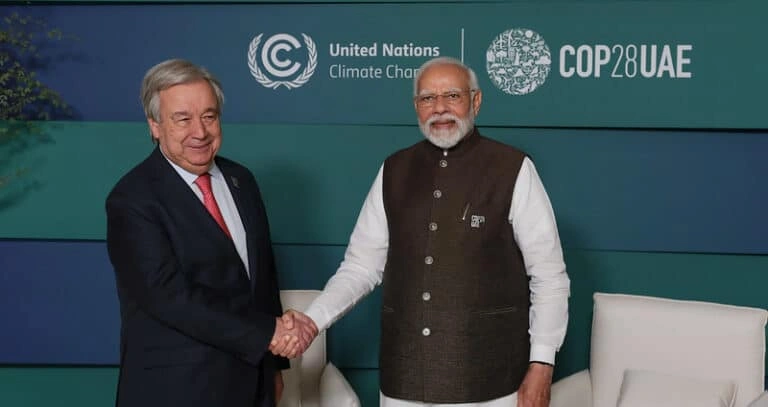
India’s Net Zero 2070 target reflects a delicate balance between development equity and climate urgency. While progress in renewables, green finance, and adaptation is visible, the absence of clear interim milestones risks turning ambition into delay. The real challenge lies in translating a distant horizon into measurable, near-term climate action before 2030.

Read More »
Playing the Victim: How the Taliban Endorse and Amplify Online Propaganda Against Pakistan

Playing the Victim: How the Taliban Endorse and Amplify Online Propaganda Against Pakistan

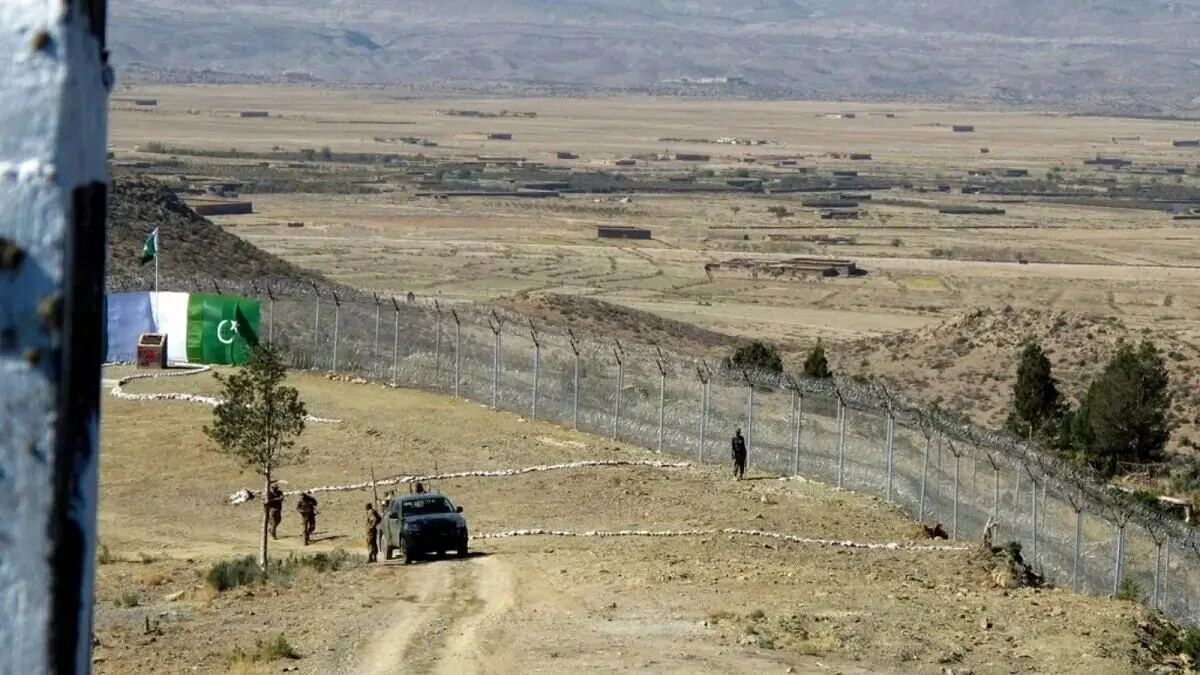
Following the October 2025 border clashes, the Taliban have shifted their battlefield online, using propaganda, selective history, and digital disinformation to paint Pakistan as the aggressor. Through controlled media releases, colonial-era references, and victimhood narratives, Kabul seeks to manipulate regional perception and deflect blame for its own failures.

Read More »
The Terrorist Ecosystem

The Terrorist Ecosystem

“The critical evidence was not that he was in Afghanistan, but where. Al-Zawahiri was not hiding…He was living comfortably in a safe house…This location, teeming with Taliban security, implies high-level protection, not an intelligence failure.”

Read More »
The Indo-Afghan Arc: Rewriting Pakistan’s Strategic Geography

The Indo-Afghan Arc: Rewriting Pakistan’s Strategic Geography

The deepening India-Afghanistan engagement marks a new strategic era in South Asia. Beneath the façade of humanitarian cooperation lies a calculated effort to constrict Pakistan’s strategic space, from intelligence leverage and soft power projection to potential encirclement on both eastern and western fronts. Drawing from the insights of Iqbal and Khushhal Khan Khattak, this analysis argues that Pakistan must reclaim its strategic selfhood, strengthen regional diplomacy, and transform its western border from a vulnerability into a vision of regional connectivity and stability.

Read More »
Pakistan’s Doctrine of Verifiable Peace: Realism in the Face of Proxy Politics

Pakistan’s Doctrine of Verifiable Peace: Realism in the Face of Proxy Politics

Pakistan’s Doctrine of Verifiable Peace represents a major shift from fraternal idealism to strategic realism in South Asia’s volatile security landscape. Rooted in classical realist thought, the doctrine emphasizes verification over trust, deterrence over sentiment, and conditional diplomacy over blind faith. Confronting the twin challenges of cross-border militancy and Indian-backed proxy networks in Afghanistan, Islamabad now seeks peace that is enforceable, monitored, and verifiable, anchoring regional stability on responsibility, not rhetoric.

Read More »
Zabihullah Mujahid’s Rhetoric and the Reality of Pakistan-Afghanistan Relations

Zabihullah Mujahid’s Rhetoric and the Reality of Pakistan-Afghanistan Relations

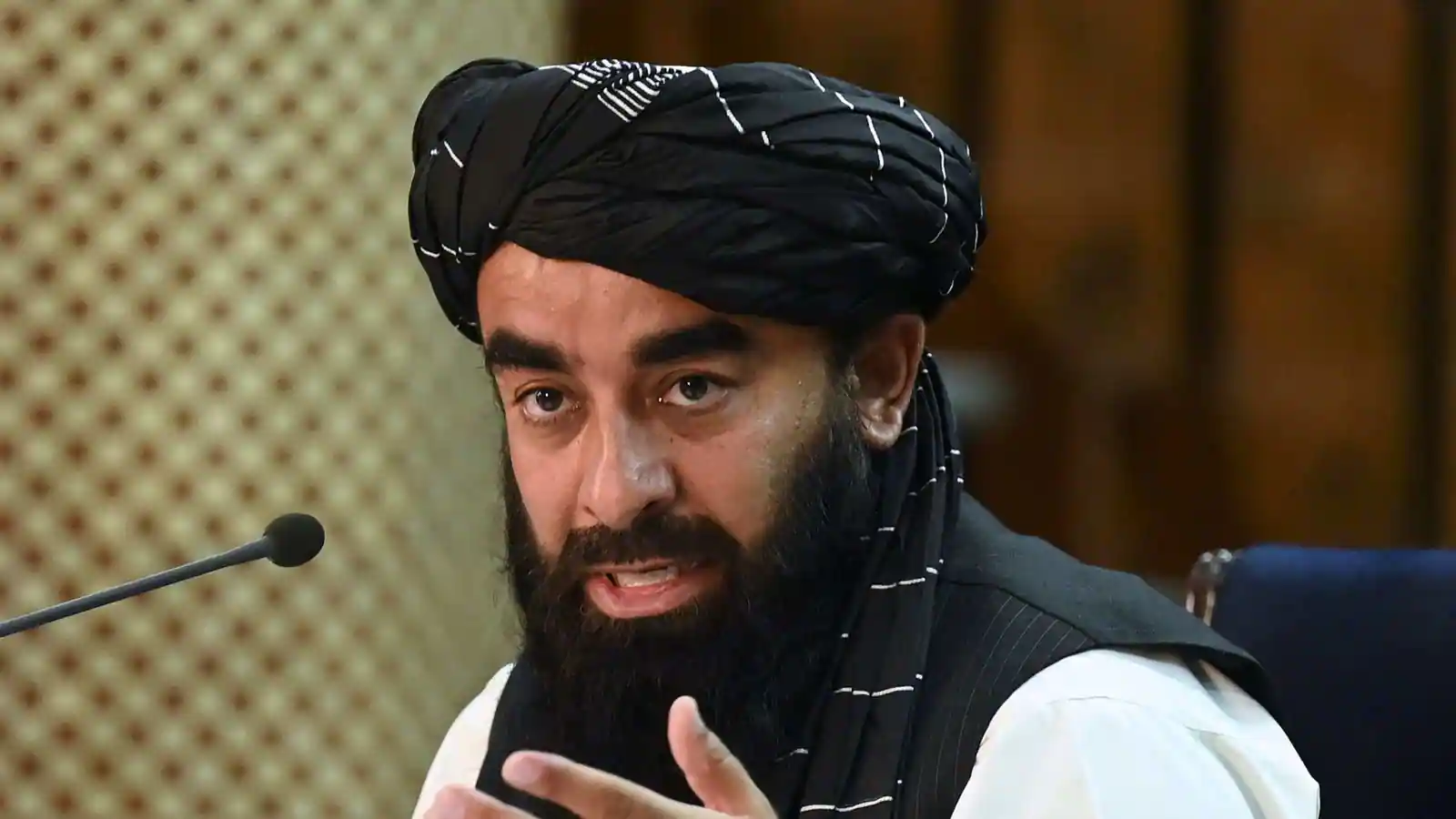
Recent statements by Taliban spokesperson Zabihullah Mujahid attempt to shift blame for strained Pakistan-Afghanistan ties onto Islamabad. Yet the real source of tension lies in Kabul’s refusal to dismantle terror networks like the TTP and BLA operating freely from Afghan soil—a failure that continues to endanger regional peace and Pakistan’s security.

Read More »