Perspectives

The Indo-Afghan Arc: Rewriting Pakistan’s Strategic Geography

The Indo-Afghan Arc: Rewriting Pakistan’s Strategic Geography

The deepening India-Afghanistan engagement marks a new strategic era in South Asia. Beneath the façade of humanitarian cooperation lies a calculated effort to constrict Pakistan’s strategic space, from intelligence leverage and soft power projection to potential encirclement on both eastern and western fronts. Drawing from the insights of Iqbal and Khushhal Khan Khattak, this analysis argues that Pakistan must reclaim its strategic selfhood, strengthen regional diplomacy, and transform its western border from a vulnerability into a vision of regional connectivity and stability.

Read More »
Pakistan’s Doctrine of Verifiable Peace: Realism in the Face of Proxy Politics

Pakistan’s Doctrine of Verifiable Peace: Realism in the Face of Proxy Politics

Pakistan’s Doctrine of Verifiable Peace represents a major shift from fraternal idealism to strategic realism in South Asia’s volatile security landscape. Rooted in classical realist thought, the doctrine emphasizes verification over trust, deterrence over sentiment, and conditional diplomacy over blind faith. Confronting the twin challenges of cross-border militancy and Indian-backed proxy networks in Afghanistan, Islamabad now seeks peace that is enforceable, monitored, and verifiable, anchoring regional stability on responsibility, not rhetoric.

Read More »
As Bihar votes, Modi’s militarised politics faces its toughest test yet—will voters reject war rhetoric for real issues like jobs and poverty?

Bihar Should Reject Modi’s War Politics

Bihar’s election is shaping up as a test of Modi’s war-driven politics. With rising discontent over unemployment and poor governance, voters may choose to look past jingoism and focus on the real issues that shape their daily lives.

Read More »
Saudi Arabia and Pakistan signed a historic defence pact, building joint deterrence and reshaping security across the Gulf and South Asia.

Saudi–Pakistan Defence Deal: The Geopolitical Significance

In a shifting multipolar world, Saudi Arabia and Pakistan have formalized a landmark mutual defence pact marking a new era in regional security. The agreement reflects Riyadh’s strategic pivot from dependence on the U.S. towards trusted partners like Pakistan, an established military power in the Islamic world. Beyond reaffirming deep-rooted bilateral ties, the pact reshapes South Asia–Gulf dynamics, deters Indian aggression, and signals a broader trend of regional cooperation amid evolving geopolitical threats.

Read More »
Shifting Sands: How Multipolar Pragmatism Is Redefining Global Alliances

Shifting Sands: How Multipolar Pragmatism Is Redefining Global Alliances

The world is entering an era of multipolar pragmatism where ideology no longer defines alliances. From NATO’s internal divides to BRICS expansion and regional realignments, states now pursue transactional partnerships driven by national interests. This fluid diplomacy creates both opportunities for middle powers and uncertainty in global governance.

Read More »
Revising the Agnipath Scheme: Preserving the Gorkha Legacy in India-Nepal Relations

Revising the Agnipath Scheme: Preserving the Gorkha Legacy in India-Nepal Relations

The introduction of India’s Agnipath scheme has stalled the historic Gorkha recruitment process, challenging a 200-year-old tradition and Nepal’s economic stability. This paper argues for a Hybrid Gorkha Model, a reformative structure extending service terms to 7–10 years with pension guarantees and skill development. Such a model not only preserves the Gorkha legacy but also strengthens India–Nepal bilateral ties amid evolving regional geopolitics.

Read More »
From Policy to Action: Analyzing Pakistan’s Climate Change Framework in Light of IPCC Insights

From Policy to Action: Analyzing Pakistan’s Climate Change Framework in Light of IPCC Insights

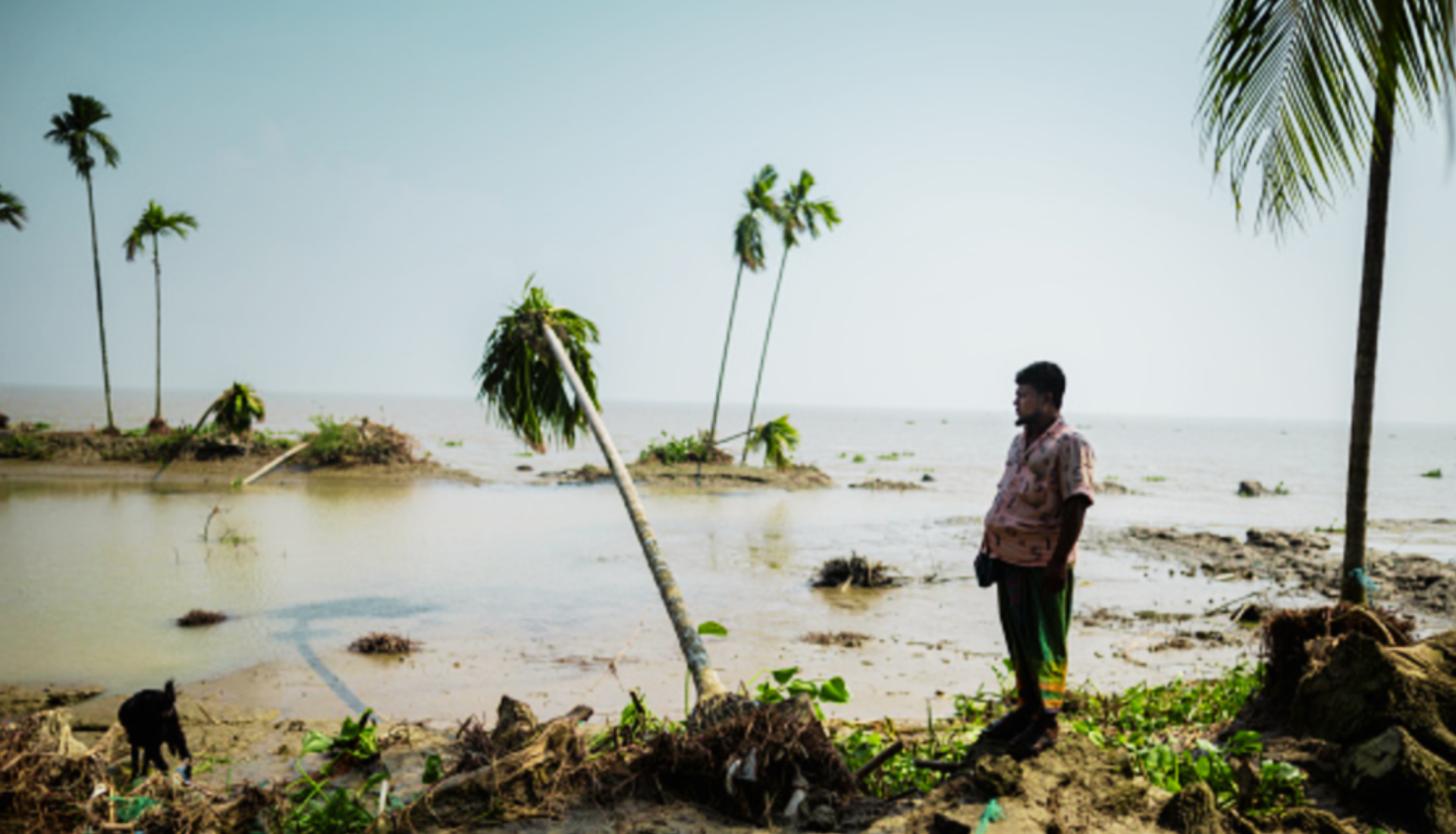
Pakistan’s National Climate Change Policy (NCCP) presents a comprehensive roadmap to tackle the country’s growing climate challenges. From managing water resources and protecting biodiversity to empowering women and promoting renewable energy, the NCCP blends adaptation and mitigation for a sustainable future. Yet, implementation gaps: limited funding, institutional weaknesses, and policy incoherence, threaten its potential. Strengthened governance, transparency, and international cooperation remain key to turning this vision into climate resilience for Pakistan.

Read More »
09b726ad-e4a9-4af1-8c74-b19d998c0fc3-istock-155309026

Kashmir’s Fading Legacy: Mythology, Etymology, and the Erosion of Cultural Identity under Indian Occupation

Jammu and Kashmir, once celebrated as the “paradise on Earth,” carries a 4,500-year legacy of diverse civilizations, faiths, and cultures. From ancient myths of “Kashyap Mar” to the enduring spirit of Kashmiriyat, every era has left an imprint on its identity. Yet, decades of Indian occupation and demographic manipulation under the Hindutva agenda now threaten to erase this timeless heritage. Preserving Kashmir’s culture is not just a regional necessity, it’s a global responsibility.

Read More »
Explore how Britain's "divide and rule" policy deliberately fractured India, turning communities into rivals and making the tragic 1947 Partition inevitable.

Ghosts of Divide and Rule Still Haunt South Asia

The British did not just govern India; they divided it. For nearly two centuries, the deliberate policy of “divide and rule” reshaped the subcontinent’s diverse communities into rival camps. By the time the British left in 1947, the wounds of division ran so deep that Partition was not just likely but inevitable, leaving a tragic legacy that continues to haunt South Asia today.

Read More »
TTP’s resurgence under the Afghan Taliban threatens not just Pakistan but global stability, linking jihadist networks across South and Central Asia.

Terrorism Beyond Borders: Why the TTP Threat Is Not Pakistan’s Alone

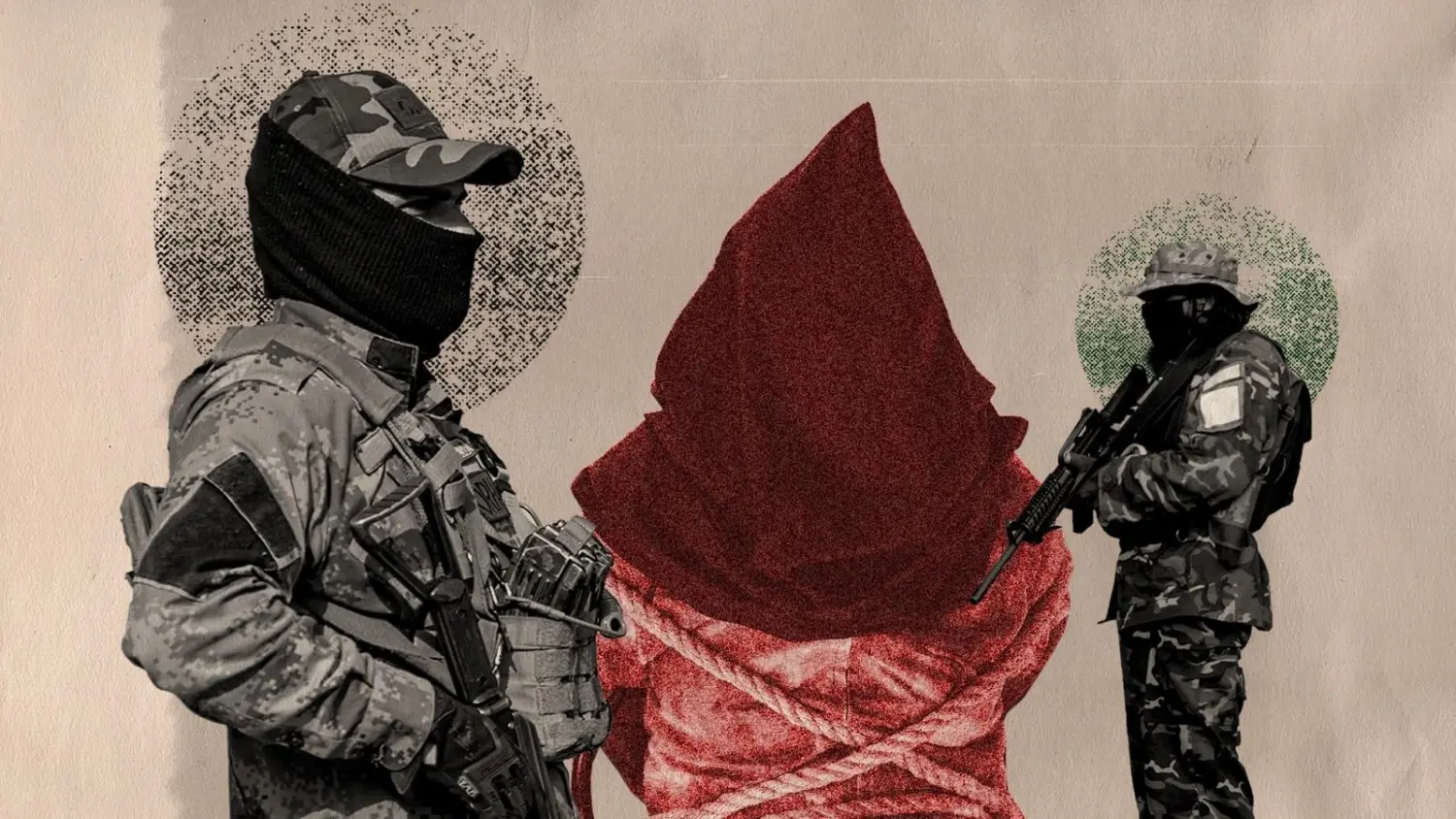
The resurgence of Tehrik-i-Taliban Pakistan (TTP) under the Taliban’s ideological protection is reactivating global terror networks across South and Central Asia. This op-ed explores how the TTP’s links with al-Qaeda, ISKP, and TIP make it a transnational threat, one that endangers U.S., Chinese, and regional interests alike, not just Pakistan’s stability.

Read More »