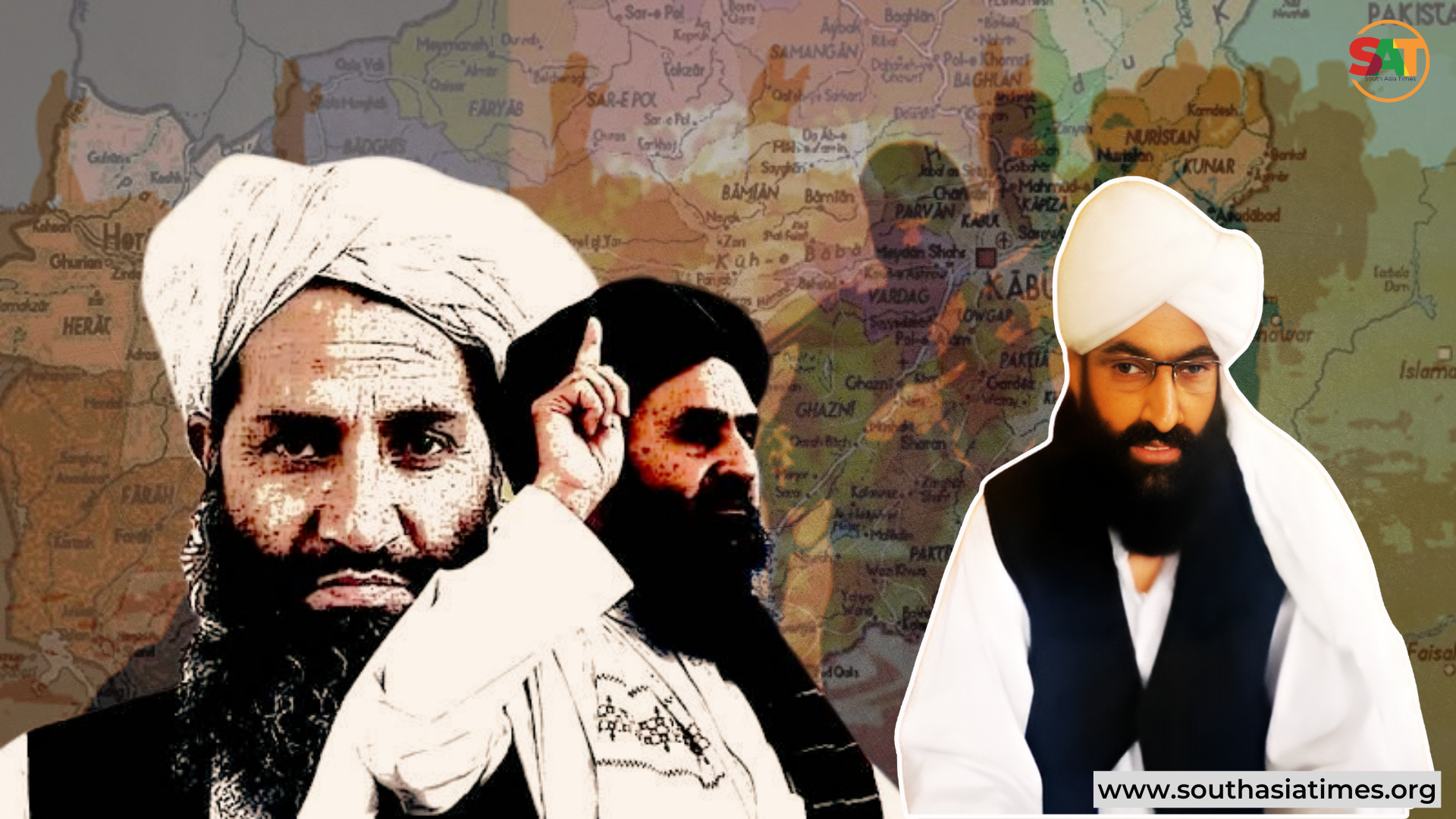
TTP-TTA Nexus: A Global Security Threat
Is it fair for Pakistan alone to tackle the TTA’s support of recognized terrorist groups, or should other countries also step up?

Is it fair for Pakistan alone to tackle the TTA’s support of recognized terrorist groups, or should other countries also step up?
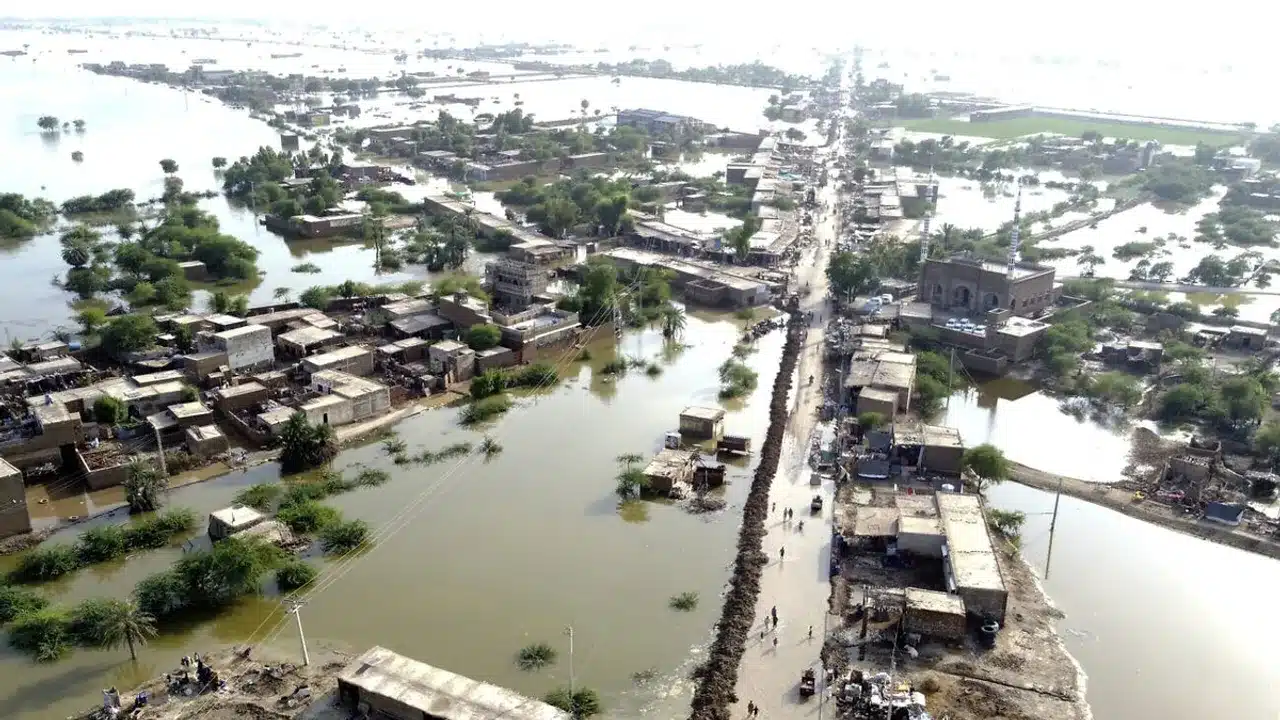
Gwadar’s climate challenge becomes evident amidst ongoing floods in Pakistan, highlighting the influence of climate change
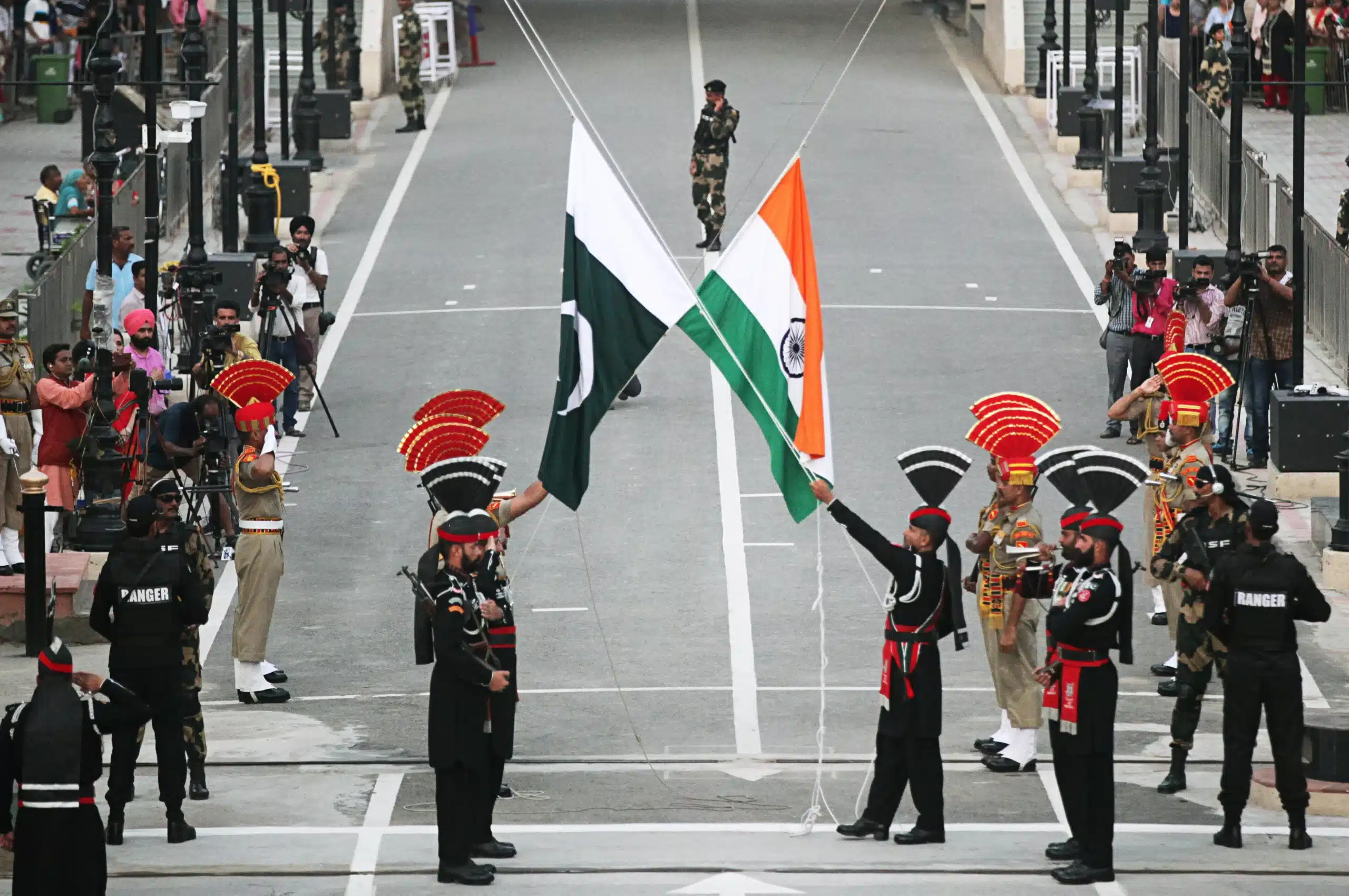
India-Pakistan ties amid regional destabilization, from religious fundamentalism to cultural indifference, lead to widespread discord
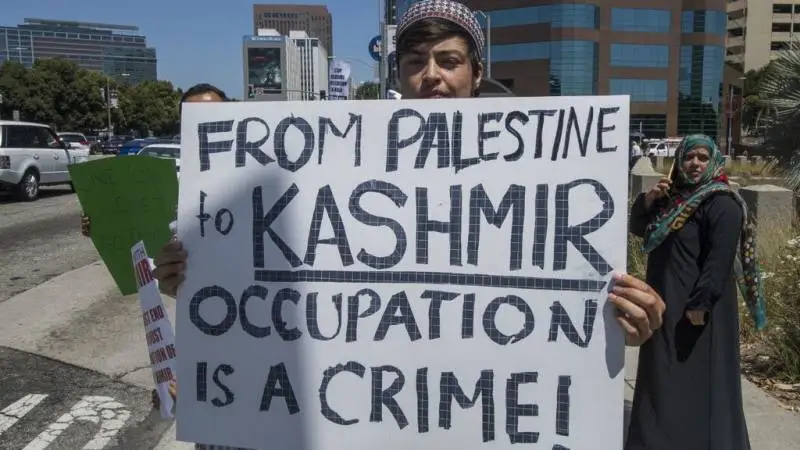
Amid global freedom struggles, Palestinian and Kashmiri fights for freedom are unique, narrating stories of resilience and resistance
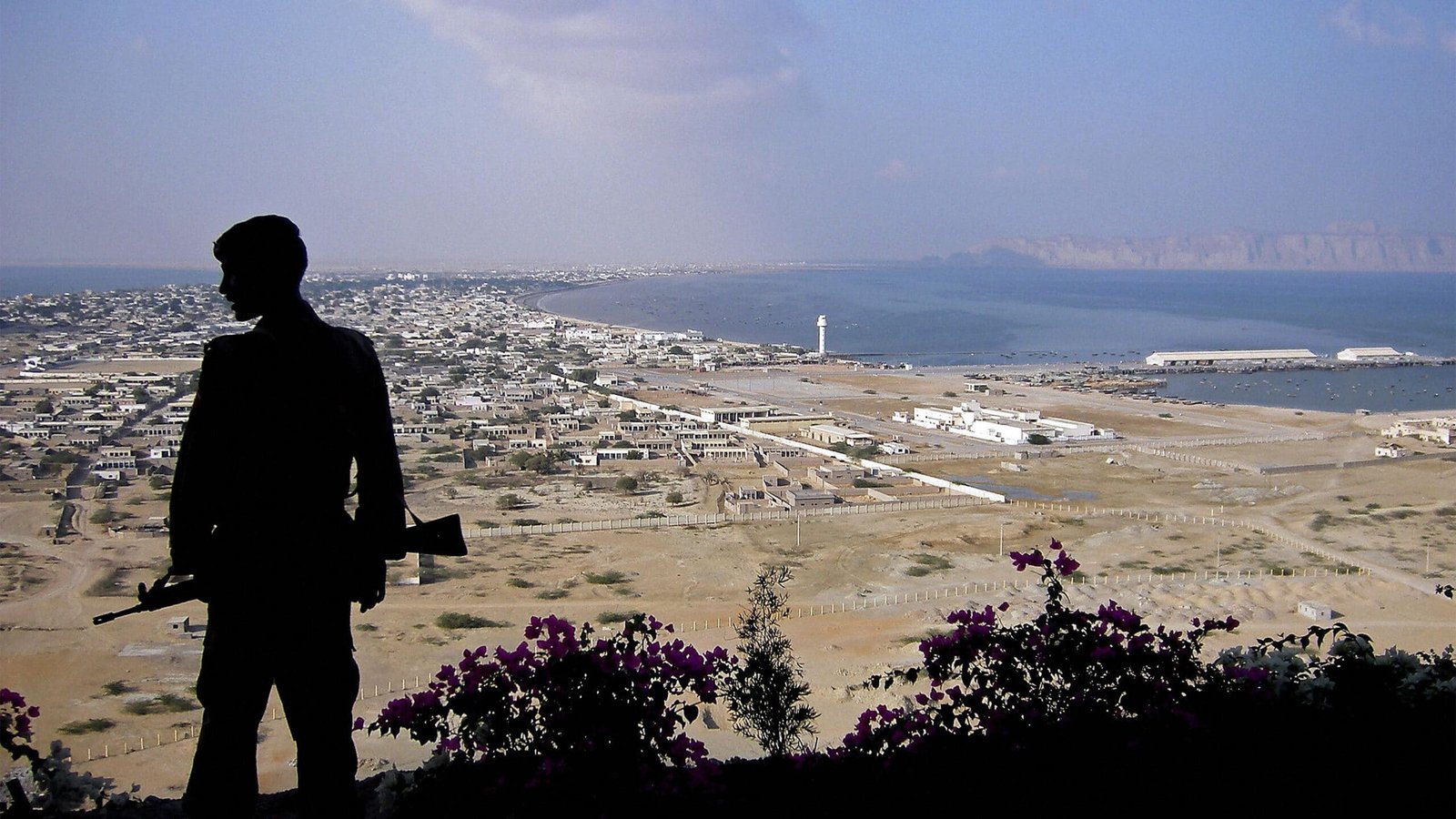
The Balochistan terrorism, led by the BLA and its allies, challenges Pakistan’s security through narratives, terror, and external support, urging immediate action for resolution
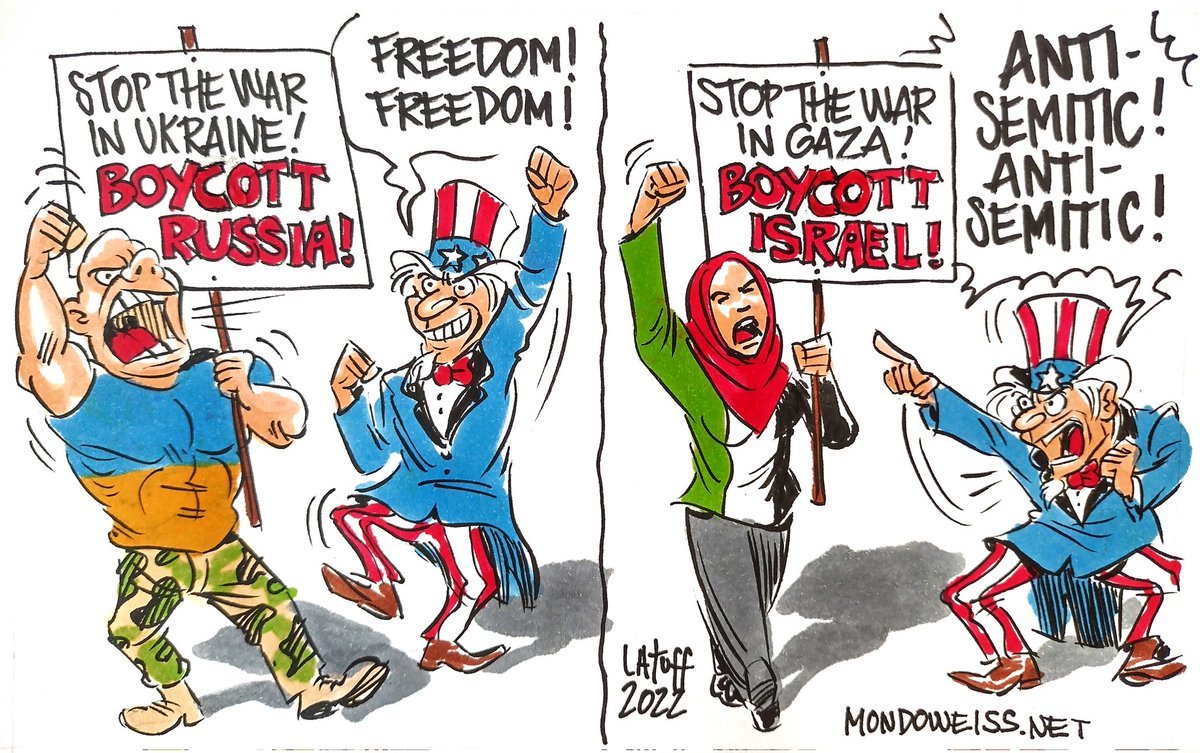
The Western response to Gaza & Ukraine unveils inconsistencies & hypocrisy – an eye-opening specter of West’s moral bankruptcy.
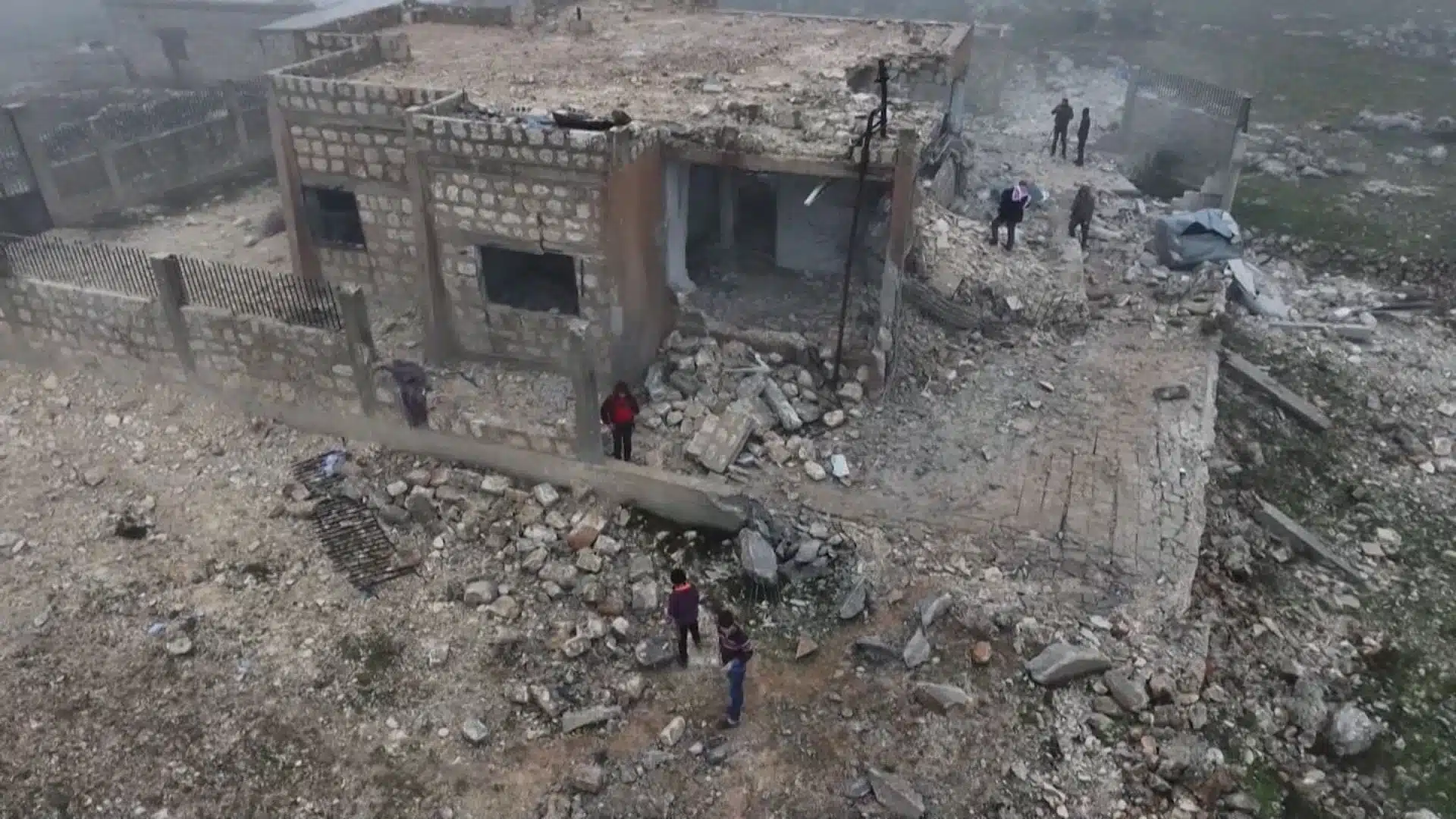
Trading of missile strikes between Iran & Pakistan was a bizarre episode. But the question is, what comes next, now that tensions have dialed down?
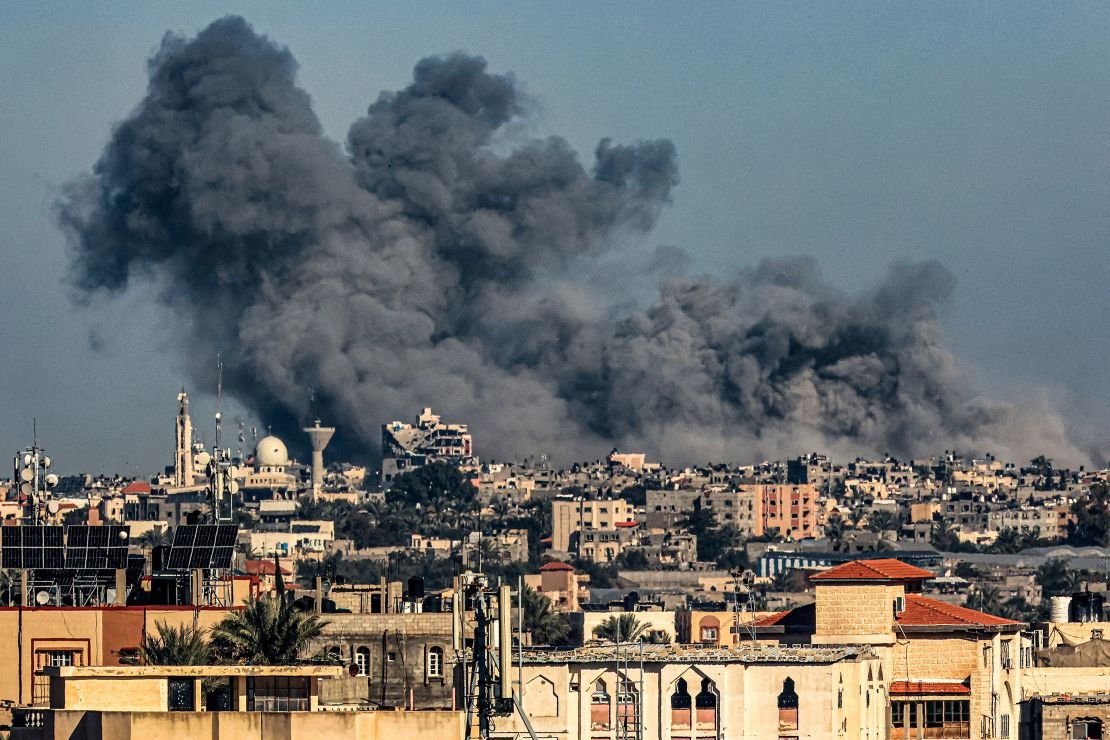
Accidental killings of Israeli hostage highlight pitfalls in Netanyahu’s military strategy, prompting global scrutiny of his leadership during the ongoing Gaza crisis.
![September 6th, a day for introspection! [Image via SAT Creatives]](https://southasiatimes.org/wp-content/uploads/2023/09/September-6th-1600x900.webp "September 6th")
Beyond the displays of military prowess, September 6th is a day for introspection—a time to acknowledge that while external threats are palpable, the gravest danger often festers within our borders.
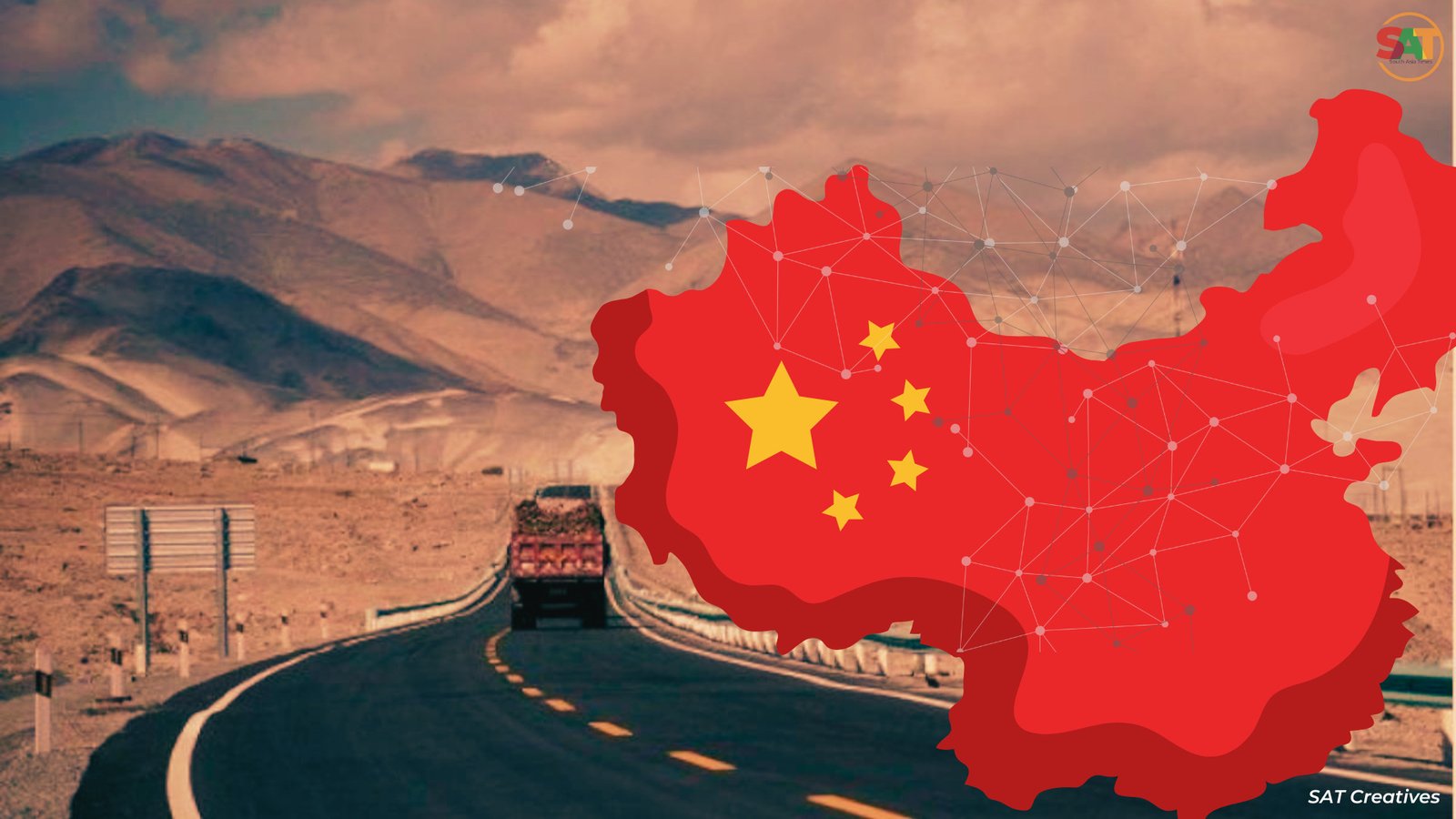
A new partnership is growing in the South Asian region. China is extending its hand to the Islamic Emirate of Afghanistan, on principles of respecting sovereignty & non-interference in internal matters.