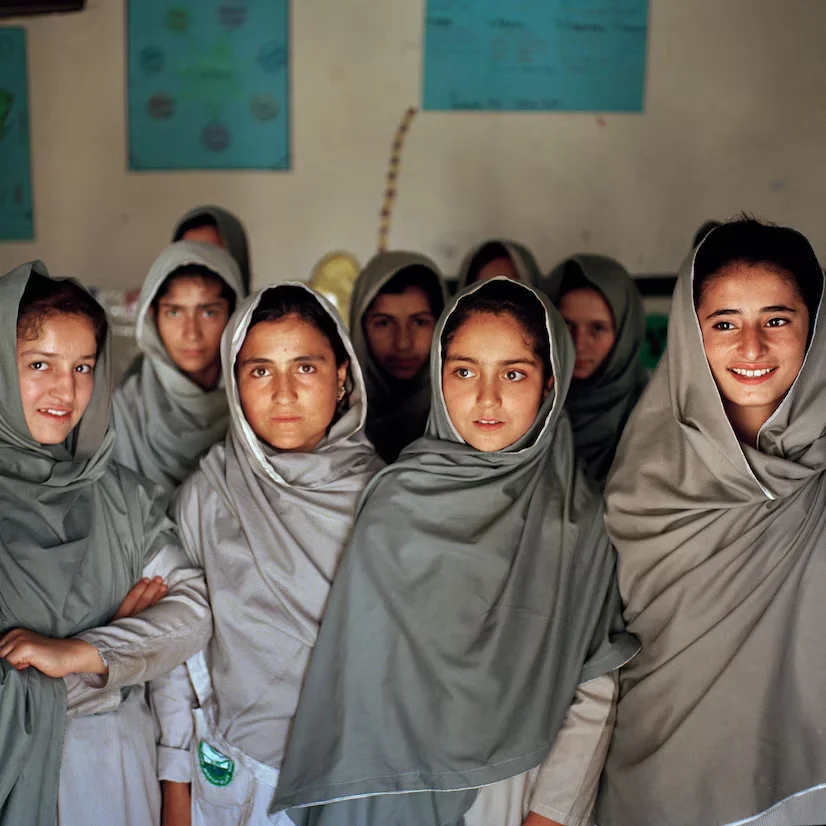
The Empowerment Dividend
Women’s empowerment in Pakistan is a catalyst for progress, fueling economic growth, innovation, and stronger governance. Empowered women are shaping the nation’s future and driving measurable development gains.

Women’s empowerment in Pakistan is a catalyst for progress, fueling economic growth, innovation, and stronger governance. Empowered women are shaping the nation’s future and driving measurable development gains.
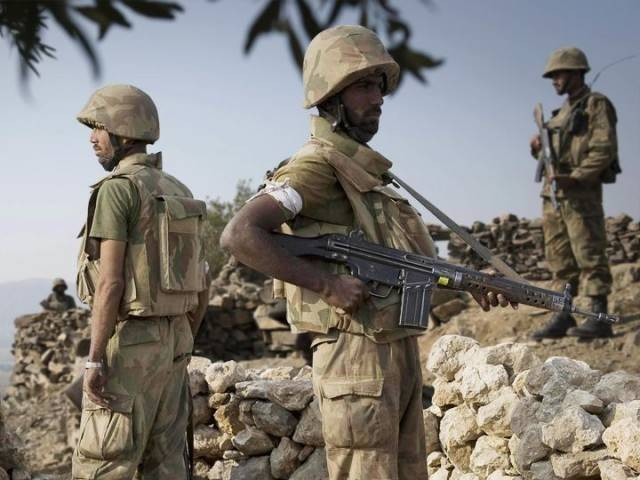
Tirah Valley, long exploited by Kharij networks and their facilitators, has been subjected to sustained intelligence-based operations (IBOs) rather than any conventional military offensive. Grounded in intelligence, community engagement, and the Bagh Joint Action Plan (BJAP), Pakistan’s approach prioritizes civilian protection, targeted neutralization of terrorists, and the restoration of long-term stability, countering persistent propaganda with verifiable facts.
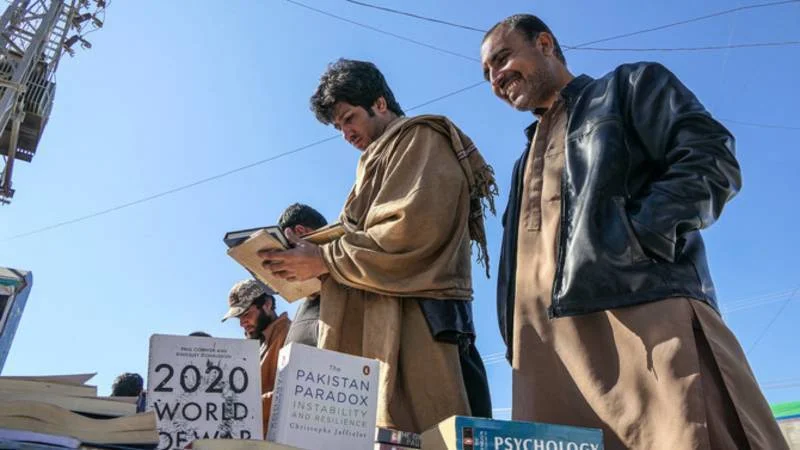
Balochistan is leveraging youth empowerment, education, and infrastructure development as instruments of socio-economic transformation. By combining domestic capacity-building with overseas employment opportunities, the province seeks to address unemployment, prevent extremism, and create pathways toward sustainable growth and stability.
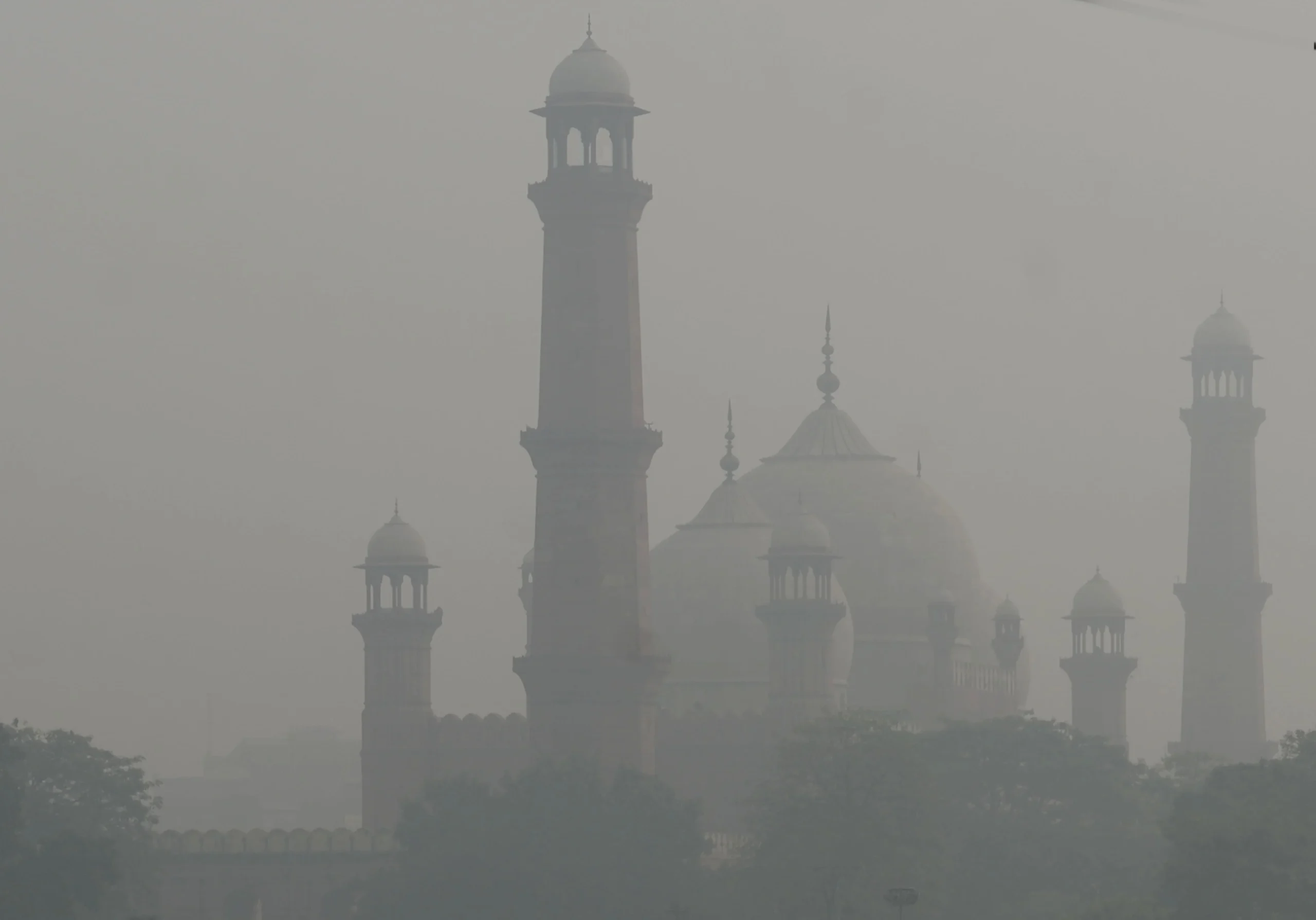
Pakistan’s urbanization is not a development story but a warning. Hyper-concentration in three metros is hollowing out the economy, ecology, and state capacity.
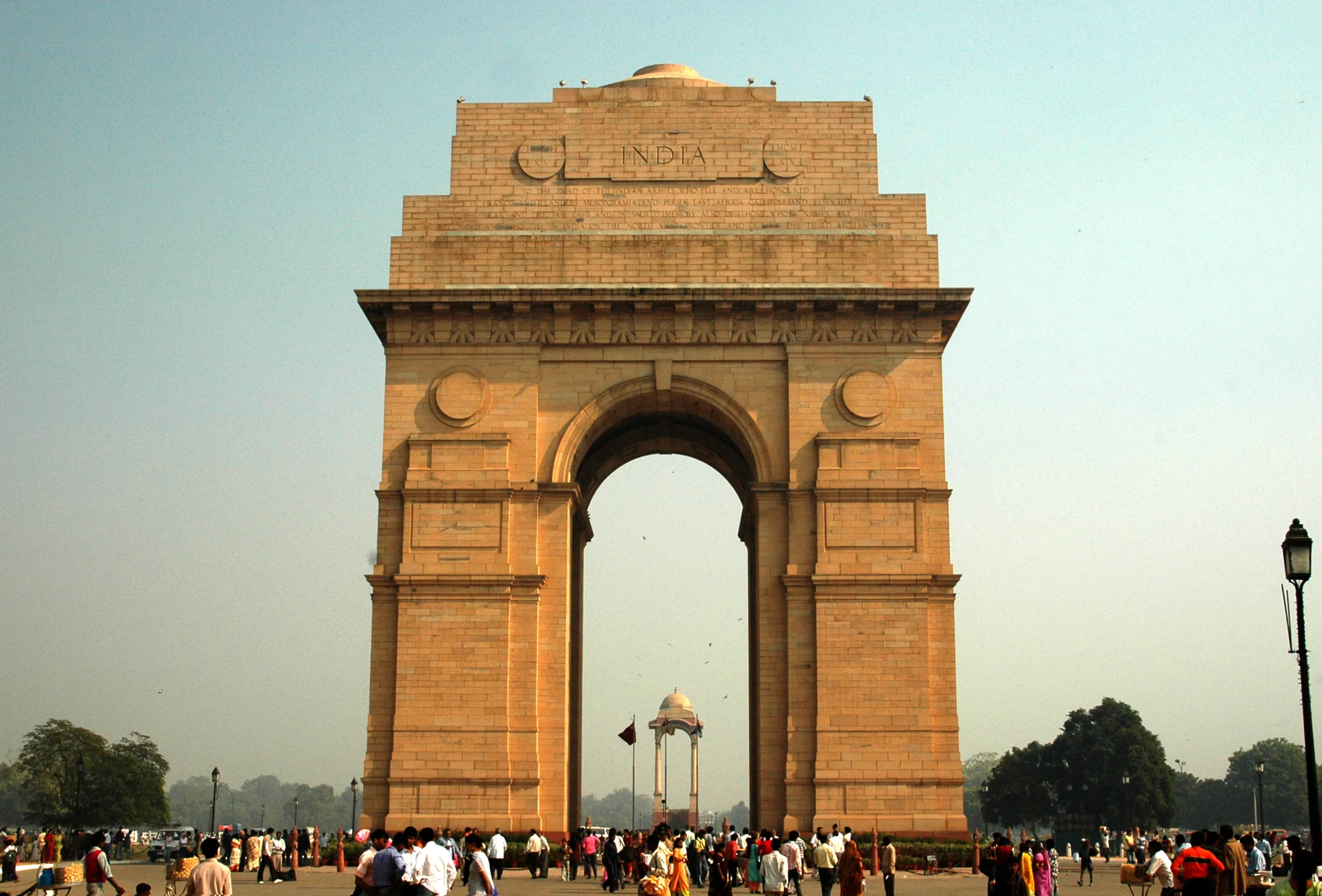
Once imagined as a neutral steel frame, India’s bureaucracy is undergoing a profound mutation. As faith becomes an instrument of alignment and fear a tool of discipline, the administrative state is drifting from constitutional neutrality toward ideological enforcement, with lasting consequences for democracy, governance, and state capacity.
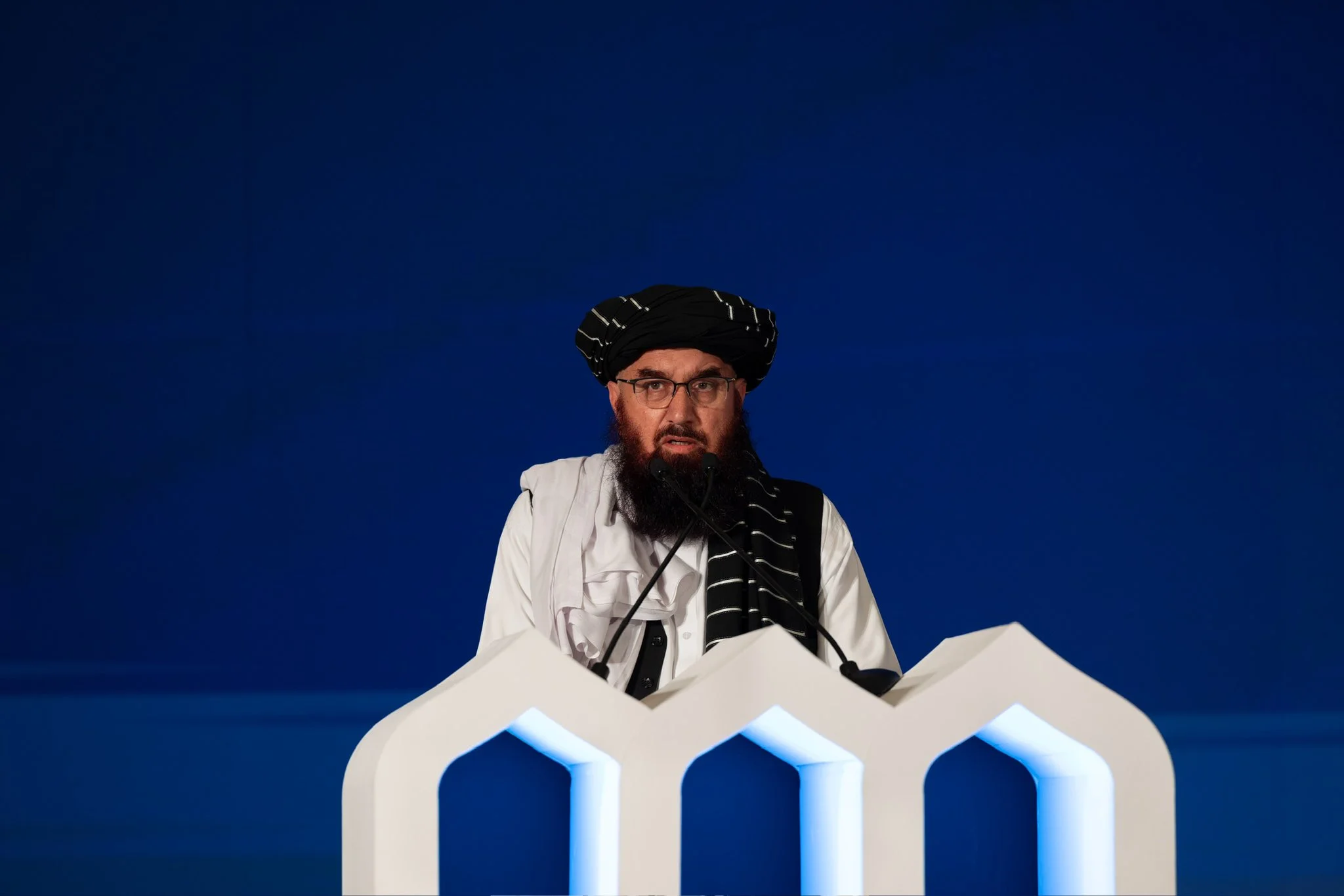
The Taliban’s new Criminal Procedure Code formalizes a four-tiered justice system that shields clerics and elites while subjecting ordinary Afghans to imprisonment and public flogging. By codifying social hierarchy into law, the regime violates international human rights norms and subverts Islam’s foundational promise of equality before the law, turning justice into an instrument of control rather than accountability.
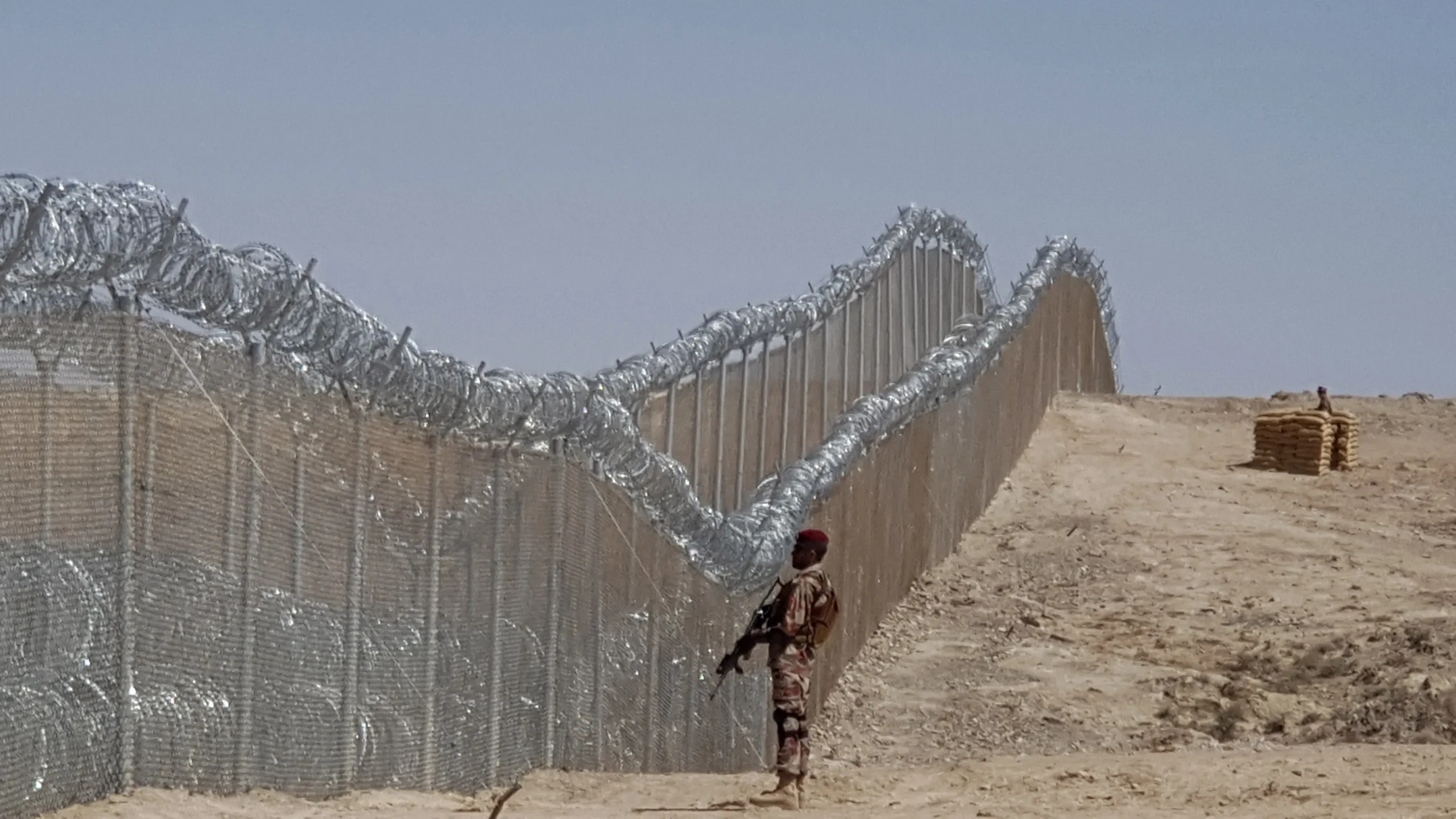
The Durand Line’s transformation from a porous frontier to a fenced border is altering militant strategies, funding, and regional security. Jihadist networks like TTP and IS-K are adapting to these changes while local populations face social and economic pressures.
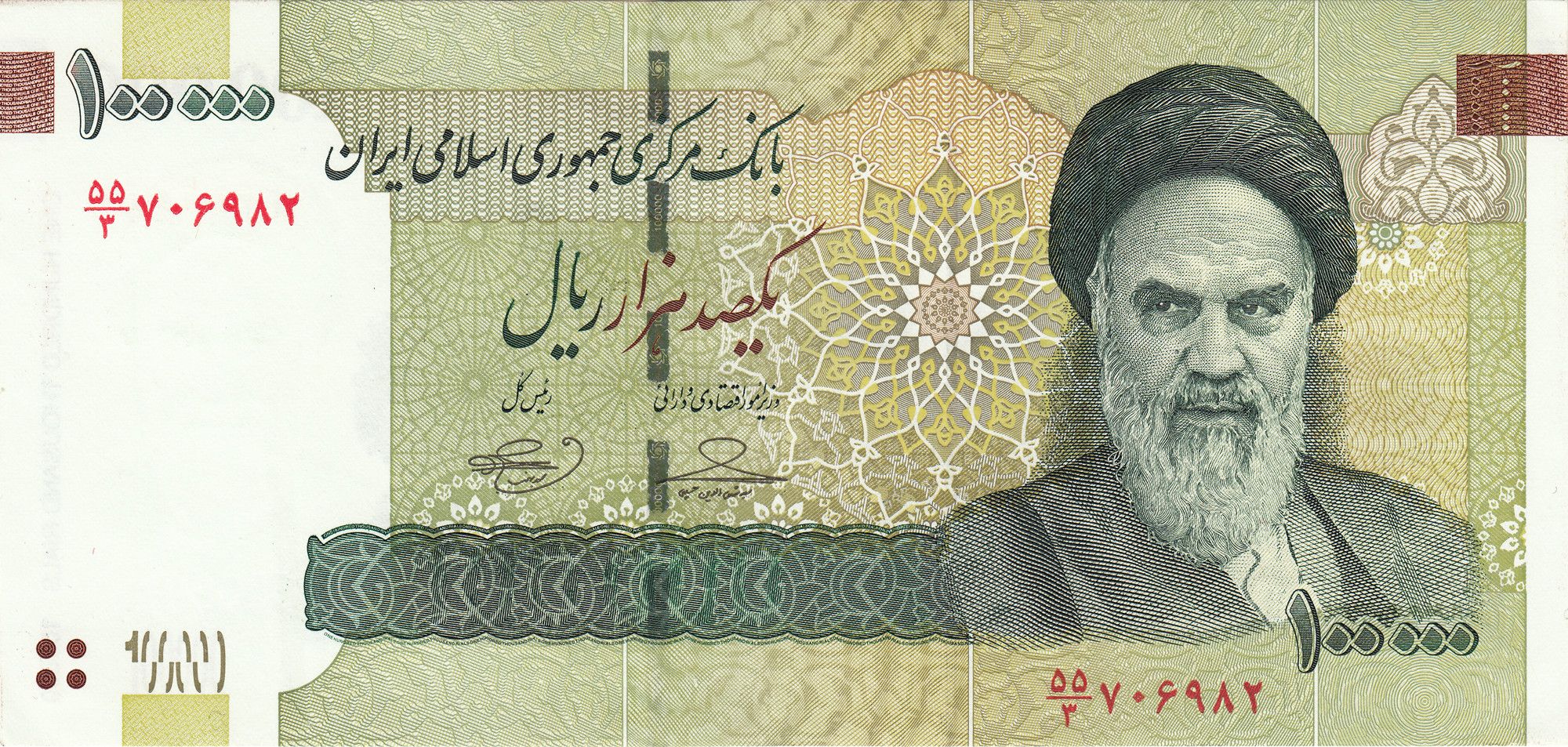
Iran’s 2026 currency crash was not a sudden shock but the result of sanctions, IRGC-dominated economics, and institutional decay undermining trust in the rial.

Social media platforms are not neutral arenas of free expression. Powered by opaque algorithms and AI-driven amplification, they increasingly shape political narratives and public perception, prompting non-Western states to frame platform regulation not as censorship, but as a question of digital and cognitive sovereignty.
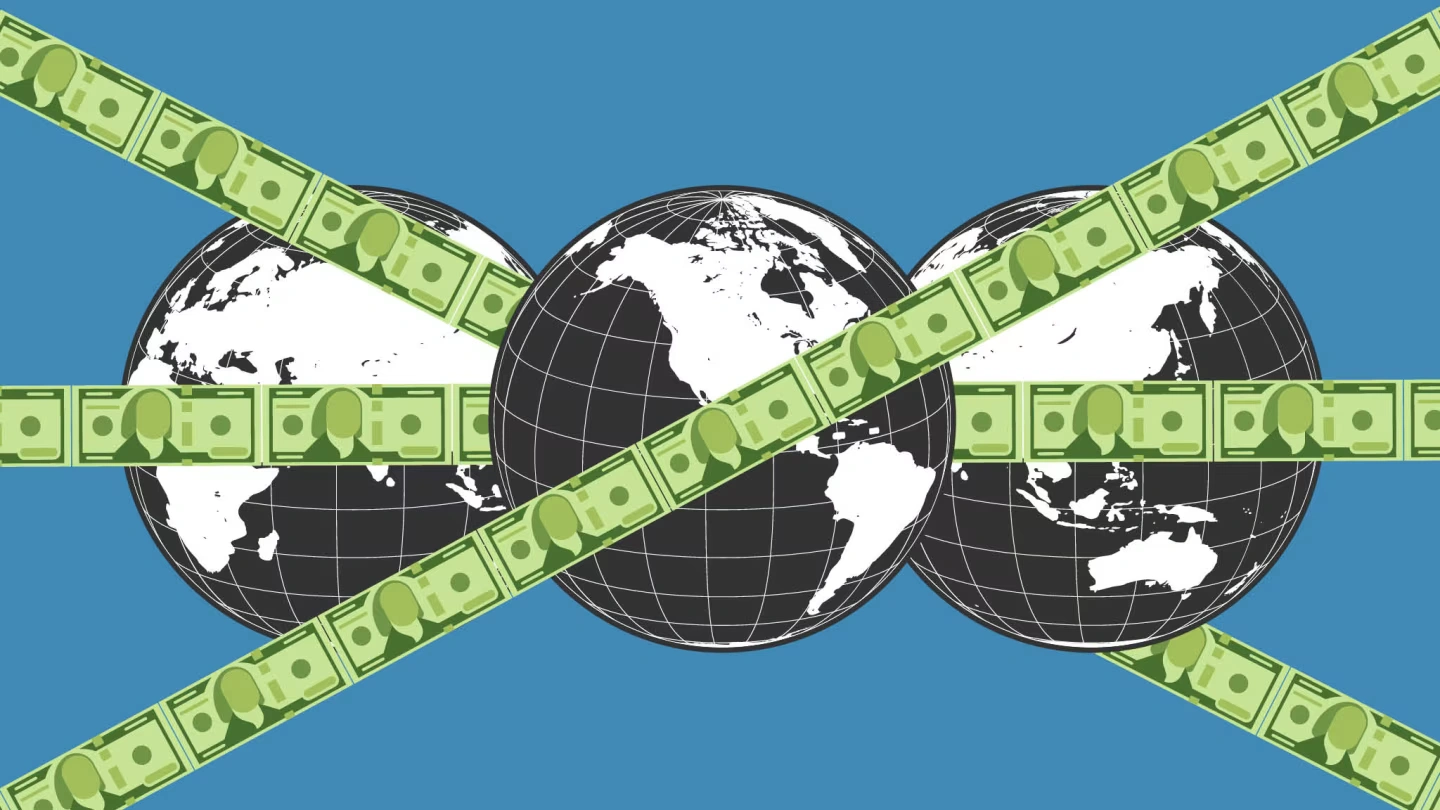
The Dutch Disease has evolved. In today’s Global South, it is no longer driven only by oil and gas but by aid, remittances, and strategic rents that create fragile, consumption-led economies while eroding state capacity, productivity, and social trust.