UAP: Rails of a New Silk Road
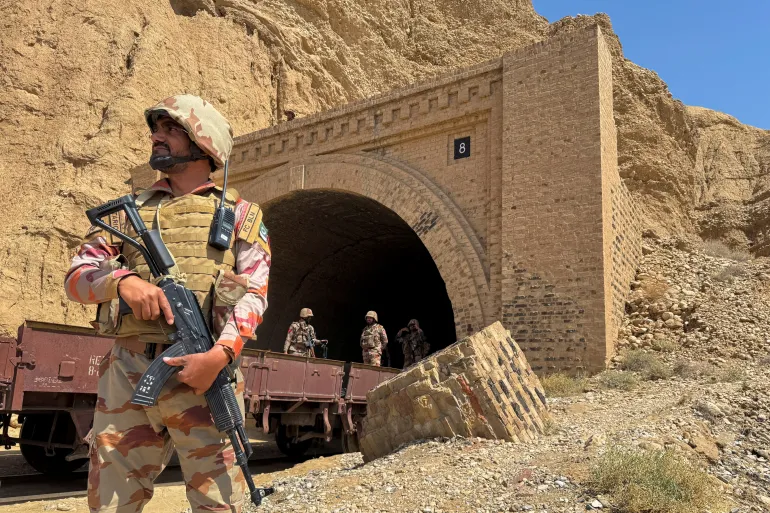
The UAP railway project marks a bold step toward regional integration, offering hope for stronger ties and shared prosperity across Asia.

The UAP railway project marks a bold step toward regional integration, offering hope for stronger ties and shared prosperity across Asia.

At the SCO summit, India’s strategic contradictions came into sharp focus. While preaching multipolarity, its deepening Western military ties are alienating regional partners like China, Pakistan, and Bangladesh—raising questions about Delhi’s credibility as a cooperative South Asian power.

Excerpt: What looks like political resistance by PTI is, in reality, a calculated effort to manipulate public perception. By weaponizing arrests and stalling legal proceedings, the party is undermining institutional legitimacy in Pakistan. This analysis explores the strategy’s structure and its cost to democratic stability.

As Trump touts a Gaza ceasefire deal backed by Israel, Iran and Hamas remain silent, signaling strategic recalculations amid unresolved core issues.

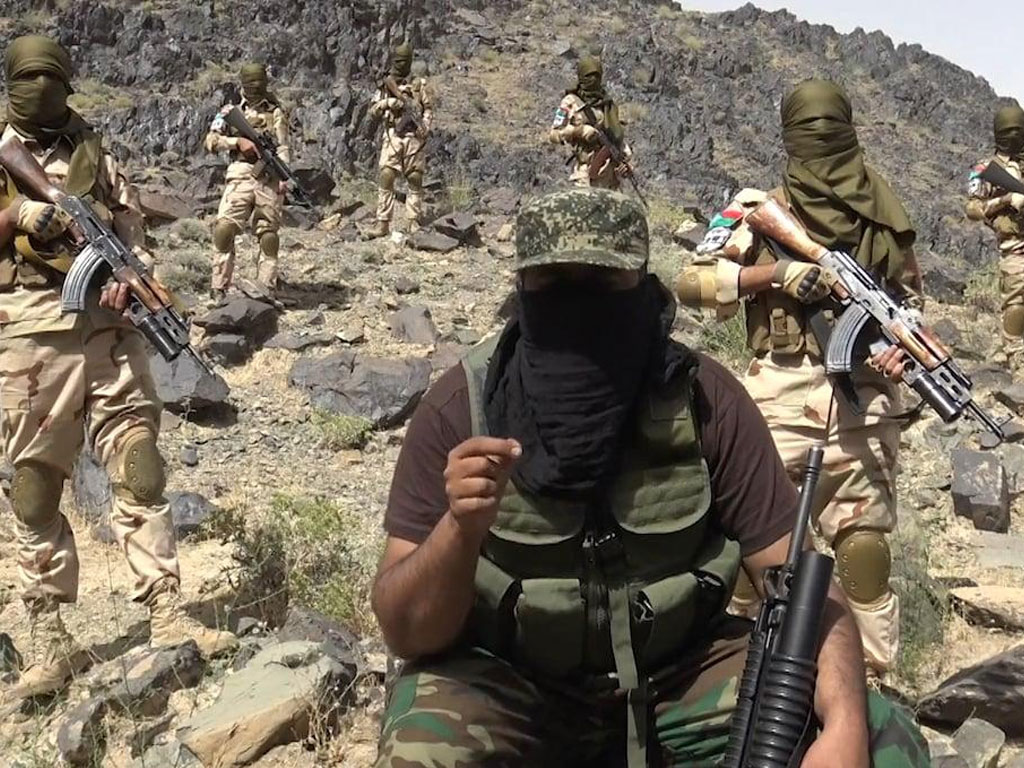
Despite Taliban promises, TTP’s cross-border attacks from Afghan soil persist, exposing a widening gap between Kabul’s rhetoric and ground realities.

By equipping the Agni-5 with a massive conventional warhead, India introduces a strategic asymmetry that will force Pakistan to respond through doctrinal, technological, and defensive adaptations.

Reko Diq has become a symbol of international cooperation. It now represents Pakistan’s entry into advanced technology, skilled employment, and increased global investment. Japan’s Komatsu

The “Occupied Balochistan” claim isn’t activism—it’s agenda-driven lobbying. Pakistan must defend its narrative with facts, expose disinformation networks, and invest in both development and digital resilience to protect its sovereignty in the age of info-warfare.

With SAARC paralyzed by India-Pakistan tensions, New Delhi turns to BIMSTEC, while Islamabad, backed by China, is trying to keep SAARC alive.

With the JCPOA set to expire in October 2025, rising tensions, stalled talks, and recent airstrikes have pushed the Middle East to the brink, making the deal’s revival critical for regional stability and global security.