Commentary

An analytical examination of BLA-linked violence in Balochistan, focusing on civilian targeting, insurgent strategy, and the implications for security, governance, and social cohesion in Pakistan.

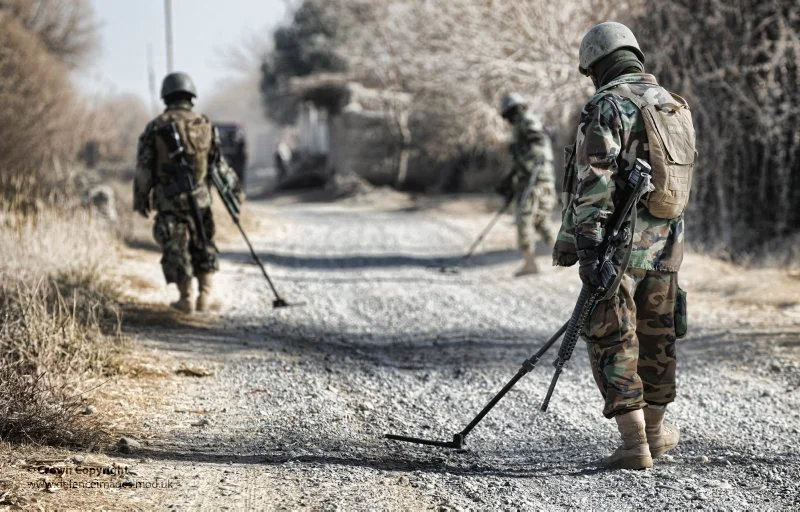
Balochistan Insurgency and Civilian Targeting

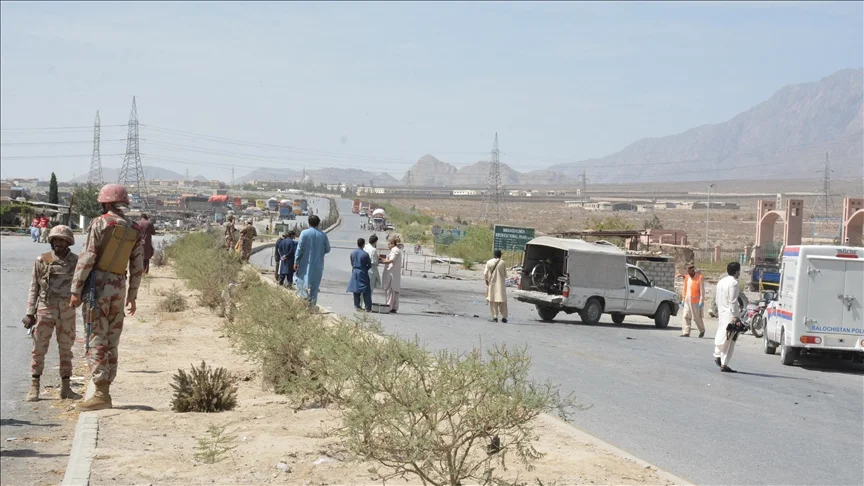
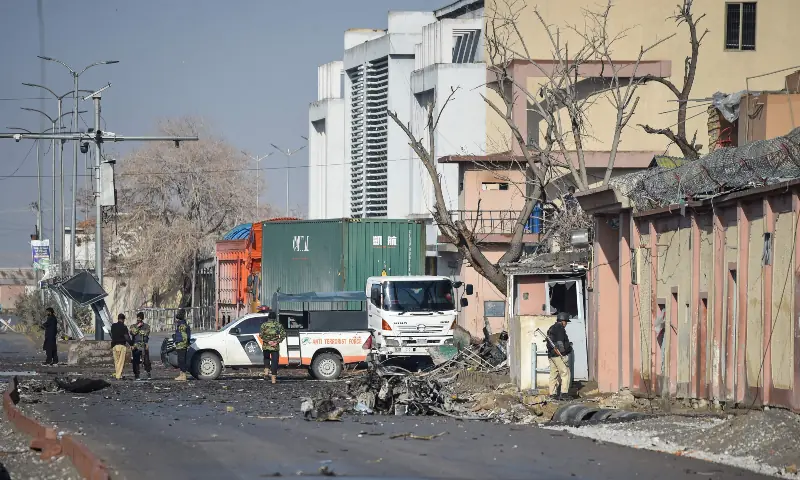
The escalation of BLA-linked attacks reveals a systematic shift toward civilian coercion, identity-based violence, and mass-casualty tactics, reflecting an insurgent movement increasingly detached from political legitimacy and reliant on terror as a tool of relevance.

Read More »
Pakistan’s engagement with the Gaza Board reflects a realist-humanitarian strategy that prioritizes influence, outcomes, and Palestinian rights over symbolic disengagement or diplomatic isolation.

Pakistan, Gaza, and the Case for Realist-Humanitarian Diplomacy

As Gaza endures a prolonged humanitarian catastrophe, Pakistan’s decision to engage with the Board of Peace reflects a calculated shift from symbolic diplomacy to realist-humanitarianism. Rather than retreating into moral posturing, Islamabad has chosen presence as leverage, seeking to shape aid delivery, protect Palestinian priorities, and influence outcomes from within imperfect multilateral structures.

Read More »
The EU–India FTA reveals a deep structural asymmetry, exposing Indian industry to European dominance while reinforcing dependency through tariffs, CBAM, and non-tariff barriers.

The Asymmetry at the Heart of the EU–India FTA

Presented as a landmark of global economic integration, the EU–India Free Trade Agreement masks a deeply unequal structure. While India dismantles protective tariffs central to its industrial base, European firms retain advantages through subsidies, non-tariff barriers, and green protectionism. Rather than enabling industrial upgrading, the deal risks locking India into a dependent trade pattern, importing high-value capital goods while exporting low-value products, undermining the very logic of Make in India.

Read More »
As Western priorities shift toward predictability and outcomes, South Asia is witnessing a recalibration of partnerships, exposing the limits of India’s strategic autonomy while reviving Pakistan’s relevance as a functional security partner.

Recalibrating Western Partnerships in South Asia

The recalibration of Western engagement in South Asia is revealing a growing divide between strategic optics and strategic reliability. While India leans on symbolic diplomacy and geopolitical hedging to project indispensability, Pakistan is repositioning itself as a results-oriented partner aligned with Western security priorities. As Washington reassesses the costs of accommodation without alignment, the region’s balance is quietly shifting toward predictability, restraint, and responsibility.

Read More »
An analysis of how Afghanistan has recalibrated its narcotics economy through managed scarcity, stockpile leverage, and synthetic drug diversification.

Afghanistan and the Architecture of Managed Narcotics Power

The 2025 Turkish Drug Report reveals that Afghanistan has not exited the global narcotics economy under Taliban rule but has instead transformed it. Through controlled poppy cultivation, exploitation of stockpiles, and rapid expansion into synthetic drugs, Afghanistan continues to shape global drug supply chains, prices, and security outcomes.

Read More »
EU–Pakistan Business Forum 2026 signals a shift from GSP+ trade reliance to an investment-led, sustainable partnership under EU Global Gateway.

EU–Pakistan Business Forum 2026

The EU–Pakistan Business Forum 2026 marks a strategic pivot toward diversified, ESG-driven investment, de-risked finance, and regulatory alignment beyond GSP+ trade ties.

Read More »
Disinformation in Pakistan exploits social media to manipulate perception, undermine the judiciary, and destabilize governance.

Disinformation, Digital Propaganda, and the Erosion of the Rule of Law

While online narratives often claim to expose corruption or political repression, coordinated digital propaganda masks a strategic effort to delegitimize state institutions. This commentary examines the interplay of monetized disinformation, coordinated amplification, and selective framing, revealing how Pakistan’s digital ecosystem substitutes outrage for evidence and destabilizes governance.

Read More »
Bagram Airbase, US Aid, and Afghanistan’s Strategic-Humanitarian Dilemma

Bagram Airbase, US Aid, and Afghanistan’s Strategic-Humanitarian Dilemma

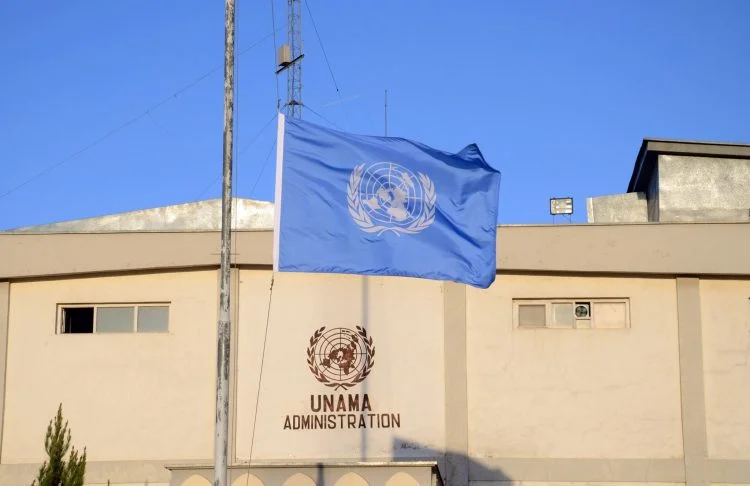
Sources suggest the Taliban has offered immediate access to Bagram Airbase for potential strikes against Iran in exchange for continued U.S. aid. Beyond military leverage, the offer underscores Afghanistan’s acute humanitarian crisis and the Taliban’s reliance on external support, highlighting the complex interplay between strategy, politics, and survival in a fragile state.

Read More »