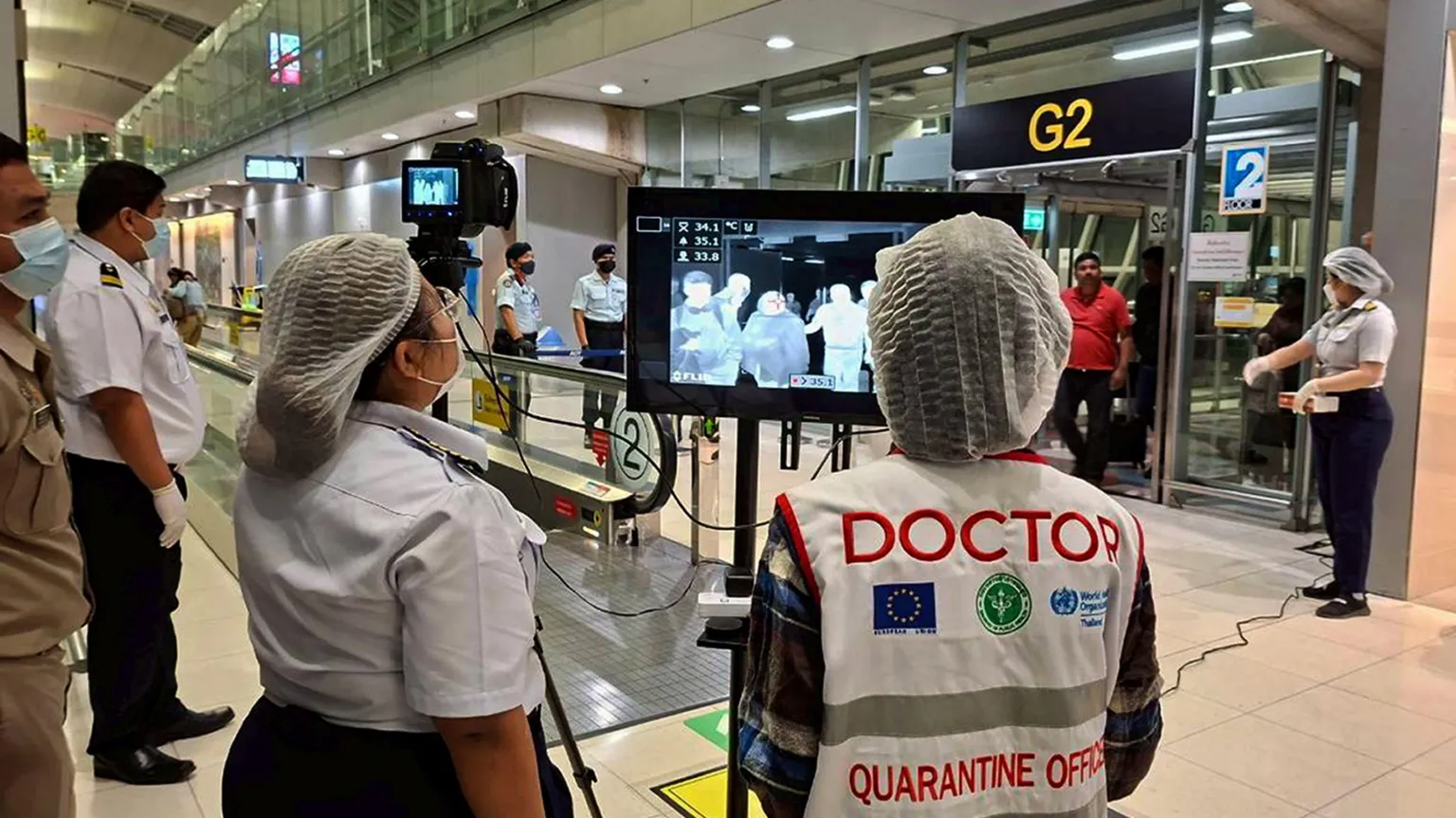
An analysis of how India’s recurring Nipah virus cases expose transparency gaps, cross-border risks, and the mechanisms through which neighbouring states like Pakistan adopt preventive surveillance measures.
Commentary
SAT Commentary

Nipah Virus and the Dynamics of Regional Biosecurity

The 2025–2026 Nipah virus cases in India illustrate that high-risk pathogens are not confined by national borders. Through selective disclosure, delayed reporting, and episodic containment, outbreaks compel neighbouring states to implement proactive biosecurity measures, highlighting the strategic significance of regional health governance.

Read More »
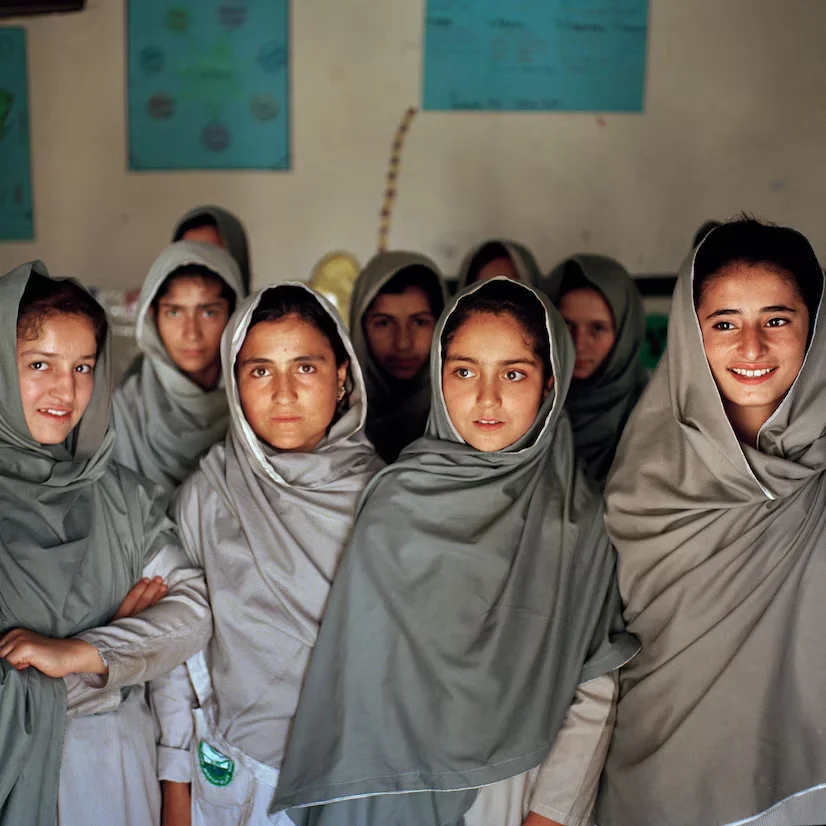
Examining how women’s empowerment in Pakistan has evolved from a social aspiration into a core driver of productivity, innovation, and inclusive national development.
Commentary
SAT Commentary

The Empowerment Dividend

Women’s empowerment in Pakistan is a catalyst for progress, fueling economic growth, innovation, and stronger governance. Empowered women are shaping the nation’s future and driving measurable development gains.

Read More »
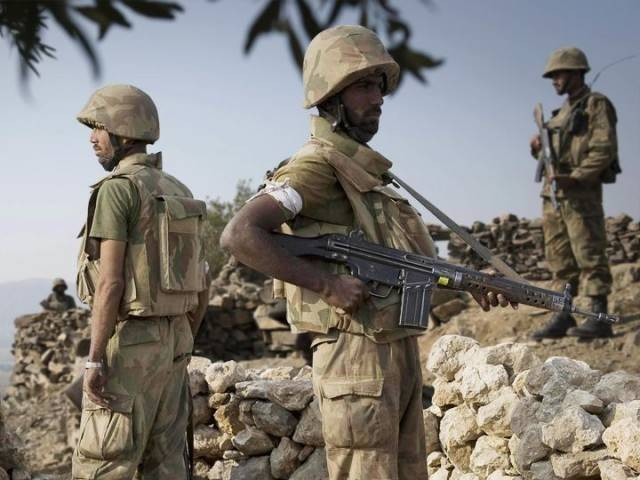
Pakistan’s intelligence-based counterterrorism operations in Tirah Valley demonstrate a calibrated, lawful, and civilian-centered approach to dismantling entrenched extremist sanctuaries.
Commentary
SAT Commentary

The Operational Reality on Ground.

Tirah Valley, long exploited by Kharij networks and their facilitators, has been subjected to sustained intelligence-based operations (IBOs) rather than any conventional military offensive. Grounded in intelligence, community engagement, and the Bagh Joint Action Plan (BJAP), Pakistan’s approach prioritizes civilian protection, targeted neutralization of terrorists, and the restoration of long-term stability, countering persistent propaganda with verifiable facts.

Read More »
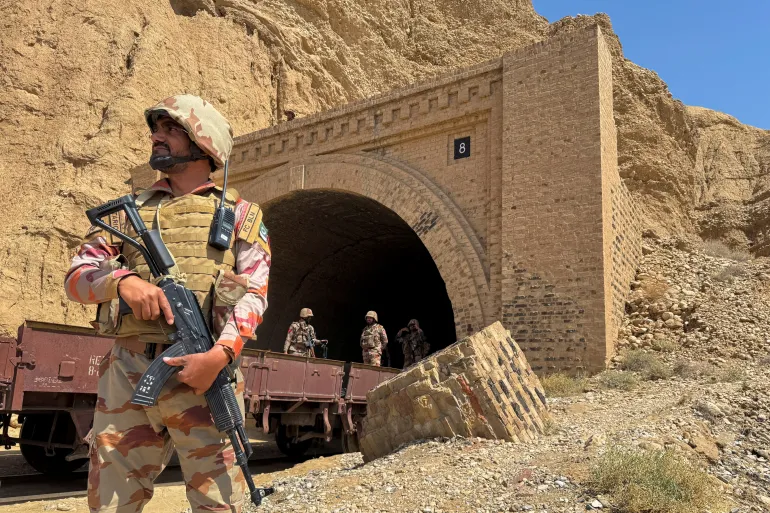
An analytical examination of BLA-linked violence in Balochistan, focusing on civilian targeting, insurgent strategy, and the implications for security, governance, and social cohesion in Pakistan.
Commentary
SAT Commentary

Balochistan Insurgency and Civilian Targeting

The escalation of BLA-linked attacks reveals a systematic shift toward civilian coercion, identity-based violence, and mass-casualty tactics, reflecting an insurgent movement increasingly detached from political legitimacy and reliant on terror as a tool of relevance.

Read More »
Pakistan’s engagement with the Gaza Board reflects a realist-humanitarian strategy that prioritizes influence, outcomes, and Palestinian rights over symbolic disengagement or diplomatic isolation.
Commentary
SAT Commentary

Pakistan, Gaza, and the Case for Realist-Humanitarian Diplomacy

As Gaza endures a prolonged humanitarian catastrophe, Pakistan’s decision to engage with the Board of Peace reflects a calculated shift from symbolic diplomacy to realist-humanitarianism. Rather than retreating into moral posturing, Islamabad has chosen presence as leverage, seeking to shape aid delivery, protect Palestinian priorities, and influence outcomes from within imperfect multilateral structures.

Read More »