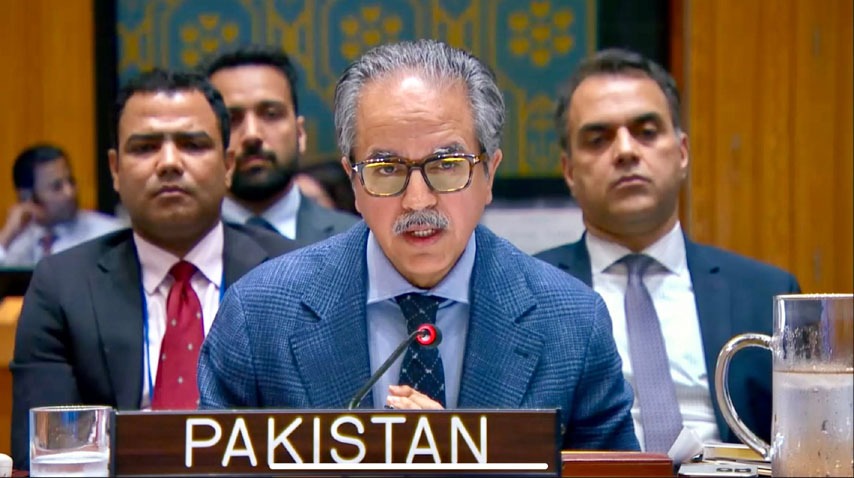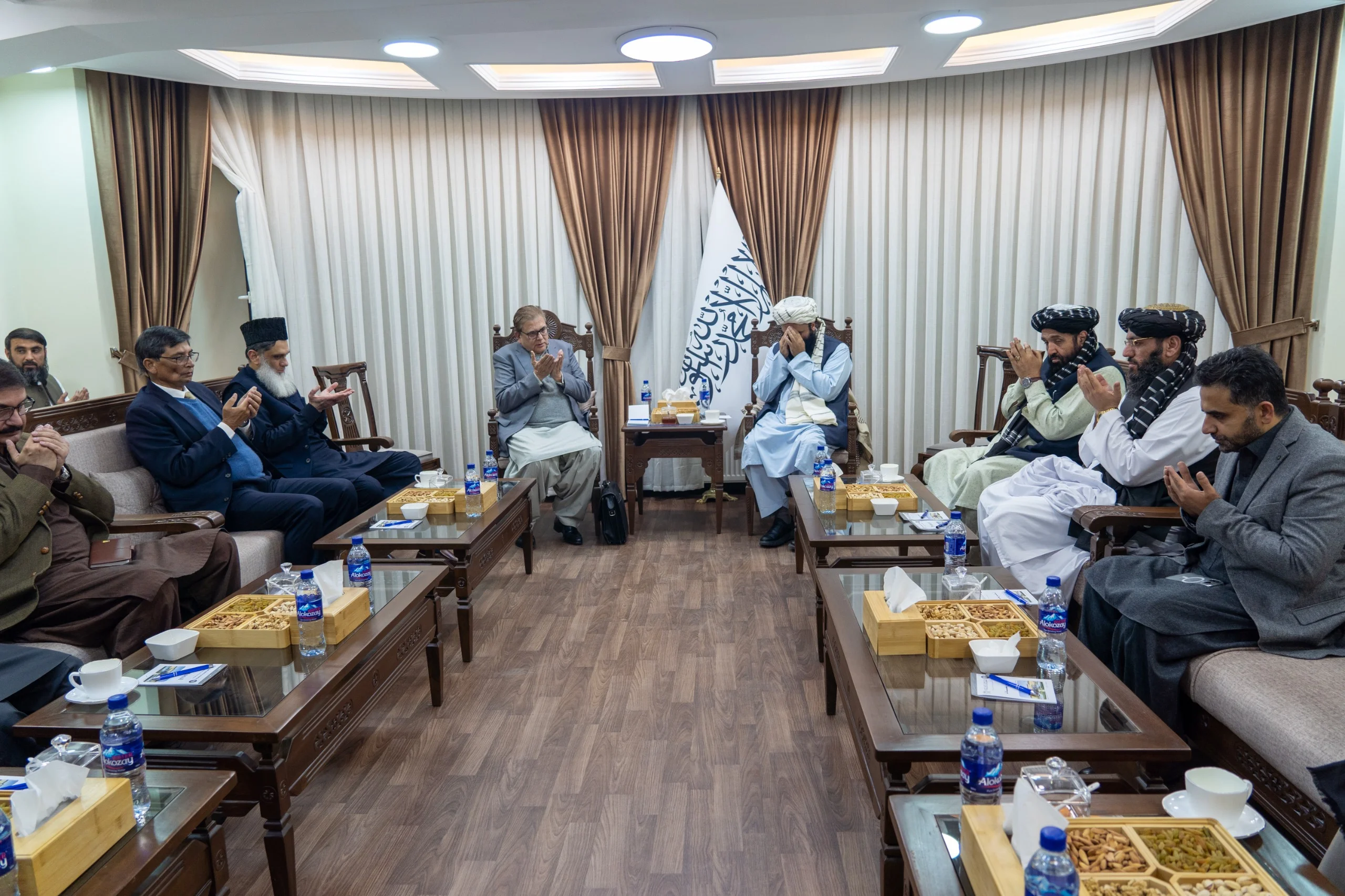
Pakistan’s Special Representative for Afghanistan, Ambassador Mohammad Sadiq, and his delegation were warmly received by senior officials of the Interim Afghan Government (IAG) in Kabul on the evening of December 23, 2024. The visit, which had been scheduled earlier, was postponed due to the tragic assassination of Minister Khalil Haqqani on December 11, 2024, by the Islamic State Khorasan Province (ISKP).
During his visit to Afghanistan, Ambassador Sadiq held meaningful discussions with key Afghan ministers, focusing on enhancing bilateral cooperation in various fields and advancing the fraternal ties between Pakistan and Afghanistan.
One of the notable meetings took place with the Acting Minister of Interior, Khalifa Sirajuddin Haqqani, who warmly welcomed Ambassador Sadiq and his delegation. The two sides discussed important matters aimed at improving the relations between the two neighboring countries and resolving ongoing issues.
Ambassador Mohammad Sadiq expressed condolences on behalf of Pakistan’s Prime Minister Shehbaz Sharif, his aide, and Foreign Minister Ishaq Dar, regarding the martyrdom of Khalil Rahman Haqqani. He conveyed deep sympathy to the late minister’s family and the Afghan people, offering prayers for the soul of the martyr.
Ambassador Sadiq also expressed his own heartfelt sorrow over the tragic killing of Khalil Rahman Haqqani, emphasizing Pakistan’s commitment to resolving the shared challenges between the two countries through joint efforts. “We are determined to resolve the existing issues between Afghanistan and Pakistan through collaborative efforts, so as to strengthen economic and people-to-people ties between our nations,” he said.
In response, Khalifa Sirajuddin Haqqani, Acting Minister of Interior for Afghanistan, highlighted the religious, cultural, and historical commonalities between the two nations. He stressed the importance of accelerating joint efforts to resolve security and political challenges, stating, “The current situation demands that we intensify our collective efforts to resolve security and political issues, ensuring that relations between our two countries are protected and contributing to regional stability and development.”
Also See: Pakistan Reaffirms Commitment to Dialogue With Afghanistan
At the conclusion of the meeting, both parties emphasized the importance of continued cooperation and dialogue to further strengthen their bilateral relations.
The visit of Ambassador Mohammad Sadiq was also marked by a significant discussion with Afghan Acting Foreign Minister H.E. Amir Khan Muttaqi. The two diplomats discussed various bilateral issues and areas of potential cooperation, including fostering economic growth and stabilizing peace and security in the region.
Both officials underscored the importance of joint efforts to stabilize peace and security, with a focus on improving relations and ensuring a prosperous future for both nations.
Pakistan’s Chargé d’Affaires in Kabul, Ambassador Ubaid Nizami, was also present during the discussions.
This visit reflects Pakistan’s ongoing commitment to strengthening its relationship with Afghanistan, particularly in the wake of recent security challenges, and working together to address mutual concerns for the benefit of both countries and the broader region.
More to Follow

Your trusted source for insightful journalism. Stay informed with our compelling coverage of global affairs, business, technology, and more.